A practical, luxury-focused guide for Chicago buyers assessing Coconut Grove and South Florida homes through the lens of real boating usability, from dock geometry to marina access and daily lifestyle fit.
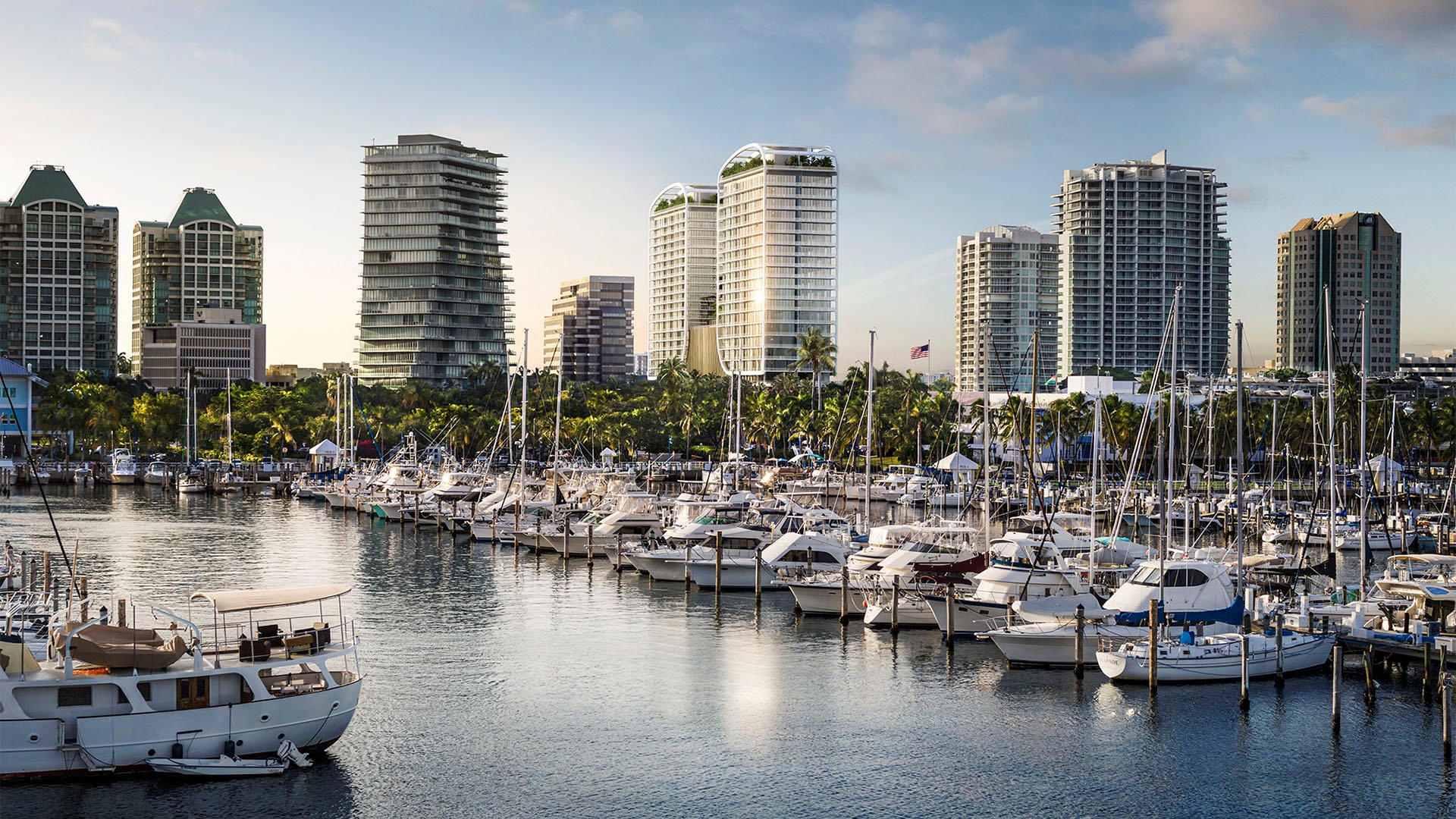
For a Chicago buyer moving into South Florida, the phrase “deep-water” can sound reassuringly straightforward. In practice, it is among the most nuanced terms in waterfront real estate. A residence can feel ideal from the terrace, yet become inconvenient once a captain evaluates draft, bridge clearance, tide behavior, turning radius, dock exposure, and access to open water.
The most disciplined search begins with the vessel, not the house. A center console, express cruiser, sailing yacht, and larger motor yacht each create different requirements. Beam, draft, overall length, tower height, preferred cruising grounds, and maintenance routines should shape the search before finishes, views, or entertaining spaces take priority. In Chicago, boating often follows a seasonal rhythm shaped by harbors and lake conditions. In South Florida, the water becomes part of the daily residential equation, which makes practicality even more important.
Coconut Grove appeals to many relocating Chicago owners because it offers a rare South Florida blend: mature canopy, bayfront identity, private streets, walkable village energy, and proximity to Coral Gables, Brickell, and Miami’s cultural core. The neighborhood feels residential without feeling remote. That balance is central to its appeal.
Yet buyers should separate the romance of Coconut Grove from the mechanics of boating. A home may be near Biscayne Bay, but near is not the same as effortless. The right questions are specific: How does the approach behave at low tide? Is the waterway protected or exposed? Are there bridges between the dock and open bay? How comfortable is docking in crosswind? Where will the captain stage service, fueling, cleaning, provisions, and crew access?
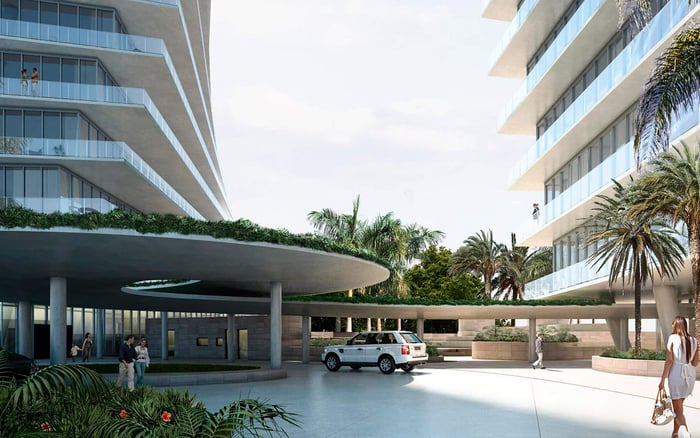
For buyers who want the Grove lifestyle but prefer condominium living, projects such as Four Seasons Residences Coconut Grove and Mr. C Tigertail Coconut Grove can be part of the broader lifestyle comparison, especially when private docking is not the sole requirement. The decision becomes less about owning a dock at any cost and more about creating a seamless residential and boating routine.
Waterfront is a visual category. Deep-water docking is an operational category. The two overlap, but they are not interchangeable.
A glamorous bay view can be perfect for a sunrise terrace and impractical for regular boarding. A protected canal may lack dramatic open-water views yet offer calm handling, privacy, and easier line management. A wide basin can feel generous, while a narrow fairway may complicate maneuvering for a larger yacht. Seawall condition, dock construction, shore power, lift configuration, water depth, and exposure all require physical inspection by the appropriate marine professionals.
Chicago buyers are often fluent in building quality, architecture, private club culture, and neighborhood hierarchy. The added South Florida layer is aquatic due diligence. A beautiful kitchen can be renovated. A fixed bridge cannot be raised for a buyer’s tower. A spectacular salon does not solve inadequate draft.
The best solution is not always a private dock behind the house. For some owners, that is the dream: step out, board, and go. For others, a professionally managed marina arrangement can be more practical, especially when the vessel requires specialized service, crew coordination, or a setting better suited to its size.
Use “boat slip” as a functional filter rather than a lifestyle slogan. Is the slip deeded, assigned, leased, or subject to association rules? Can it accommodate the actual vessel, not simply a smaller boat? What are the insurance, access, maintenance, and transfer considerations? How does the association treat lifts, dock boxes, power upgrades, and contractor access?
In Coconut Grove, many buyers also compare private residences with luxury condominiums that deliver lock-and-leave convenience. Park Grove Coconut Grove, The Well Coconut Grove, and Ziggurat Coconut Grove each belongs in a lifestyle conversation where service, privacy, architecture, and proximity may matter as much as dock ownership. For the right household, the ideal formula may be a refined Grove residence plus a separate slip strategy.
A first waterfront tour should be more technical than emotional. Walk the dock slowly. Note how the property is approached from the street and from the water. Look at neighboring vessels, dock angles, pilings, seawalls, and ease of boarding. Ask how provisioning works after a grocery run, how guests arrive, where water toys live, and how the property functions after dark.
Then drive the lifestyle loop. From the home, test the route to schools, private aviation, clubs, restaurants, medical care, and business meetings. Coconut Grove can be wonderfully convenient, but the right micro-location depends on each household’s pattern. Some owners want village walkability. Others want privacy above all. Some prioritize bay access. Others want a quieter residential street and are comfortable keeping the yacht elsewhere.
Fort Lauderdale deserves a parallel look for buyers whose boating life outweighs the desire to be in Miami. Its urban waterfront rhythm is different, and buyers comparing that market might study residences such as Riva Residenze Fort Lauderdale as part of a broader South Florida map. The key is not to assume one market is superior. The key is matching water usage to daily life.
Single-family waterfront estates offer autonomy, but they also transfer complexity to the owner. Dock upkeep, seawall questions, landscaping, security, storm preparation, staff coordination, and vendor access all become part of the property’s operating profile. For buyers accustomed to full-service buildings in Chicago, that shift can be meaningful.
Condominium living may sacrifice immediate private dockage, depending on the property, but it can deliver security, service, amenities, and simplicity. That trade can be attractive for seasonal owners, frequent travelers, or families who want South Florida to feel effortless. Estates suit owners who want control, privacy, and direct connection to the water. Condominiums suit owners who value consistency and a managed environment.
The most sophisticated buyers do not treat this as a binary choice. They map how they will actually use the boat. Daily sunset runs, offshore fishing, island cruising, entertaining, and occasional guest outings each point toward a different property solution.
Before offering, build a short boating brief. Identify the vessel now, the vessel likely in three years, preferred waterways, maximum bridge tolerance, desired dock type, maintenance expectations, storm plan, and whether a captain or crew will be involved. Then evaluate the residence through that lens.
Next, separate must-haves from prestige cues. A longer dock is not useful if the approach is poor. A dramatic view may not compensate for difficult handling. A private slip may be less valuable than a nearby professional marina if the owner travels frequently. The winning property is the one that makes boating feel natural, repeatable, and discreet.
For Chicago buyers, Coconut Grove’s appeal is emotional and architectural, but the final decision should be operational. The best South Florida home is not merely close to the water. It is aligned with the way its owner intends to live on it.
Is every Coconut Grove waterfront home suitable for deep-water boating? No. Suitability depends on vessel size, draft, bridge exposure, approach conditions, dock configuration, and other site-specific details.
Should I buy the house first or choose the boat first? Choose the boating requirements first. The vessel’s dimensions and use pattern should guide the real estate search.
Is a private dock always better than a marina slip? Not always. A marina may offer service access, staffing convenience, and a better fit for certain vessels or ownership styles.
What should Chicago buyers find most different about South Florida boating? The boating season is far more integrated into everyday life, so access, upkeep, and convenience become daily considerations.
Can a condominium still make sense for a serious boater? Yes. Some buyers prefer a managed residential setting while keeping the vessel in a separate professional docking arrangement.
Why does bridge clearance matter so much? A fixed bridge can limit access for vessels with towers, antennas, or taller profiles, regardless of the home’s appeal.
How important is low-tide evaluation? Very important. Water depth should be understood under less favorable conditions, not only during an attractive showing.
Should I involve a marine professional before making an offer? Yes. Dock, seawall, depth, and vessel fit should be reviewed by qualified specialists during diligence.
Is Coconut Grove better than Fort Lauderdale for boaters? It depends on lifestyle priorities. Coconut Grove offers a distinct Miami residential setting, while Fort Lauderdale may suit different boating routines.
What is the most common mistake in buying for dockage? Buyers often focus on the view and underweight the daily mechanics of boarding, maneuvering, servicing, and storing the vessel.
For a tailored shortlist and next-step guidance, connect with MILLION.
If branded residences are on your mind — as a home or as an allocation — we would be glad to share what we are seeing, privately.
Begin a quiet conversation