A practical due-diligence framework for luxury condominium buyers comparing design-branded, hospitality-branded, and Brickell-positioned residences in South Florida.
The most sophisticated buyers in South Florida are no longer asking whether a name sounds luxurious. They are asking what that name requires the developer, brand, manager and association to deliver over time. That distinction matters when evaluating Casa Bella by B&B Italia Downtown Miami, The Ritz-Carlton Residences® West Palm Beach and Viceroy Brickell.
This is a Buyer's Guides lens for Branded Residences across Downtown Miami, West Palm Beach and Brickell. The question is not which project carries the most polished narrative. It is which one best aligns with a buyer's intended use, tolerance for operating costs, appetite for preconstruction risk and view on future liquidity.
For a primary resident, the answer may turn on privacy, convenience and everyday management quality. For a seasonal owner, it may be lock-and-leave service, ease of arrival and consistency while the residence sits unused for long periods. For an investor-minded buyer, the calculus shifts to entry basis, rental-use rules, resale comparables and whether the brand premium is likely to be recognized by the next buyer.
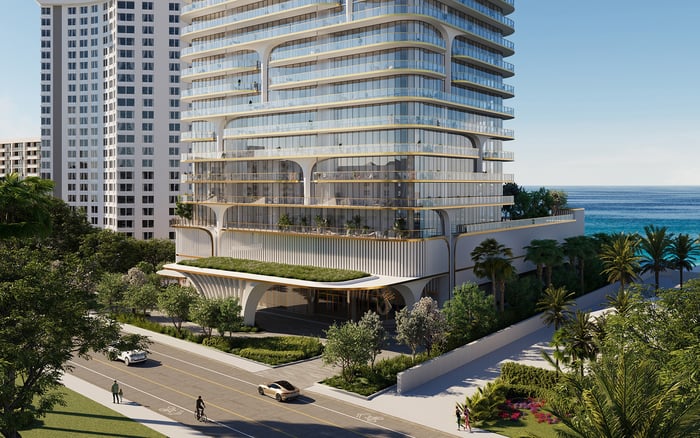
Casa Bella is best understood as a design-branded luxury condominium in the Downtown Miami and Arts & Entertainment District corridor. Its brand thesis is tied to B&B Italia's Italian furniture and design identity rather than a traditional hotel-service model. That makes the legal structure behind the brand relationship especially important.
A buyer should ask how the B&B Italia relationship is documented, including the scope of the license, its duration, the design obligations in place and what happens if the brand relationship changes or ends. In a design-branded building, the premium is often embedded in aesthetics, finishes, furniture packages and the promise of a coherent visual language. The diligence question is whether that promise is enforceable, durable and visible at both the unit and common-area level.
The Ritz-Carlton Residences® West Palm Beach presents a different form of brand value. It is framed around hospitality-branded residential living tied to a Ritz-Carlton service and management standard. Here, the buyer's focus should move to the residential management agreement, brand standards, service obligations and the way those obligations flow into association budgets.
For Viceroy Brickell, the disciplined approach is to avoid underwriting by name alone. Buyers should review the actual condominium documents, brand or management agreements, budgets, service descriptions and termination provisions before assigning value to any brand premium.
In preconstruction luxury, renderings are only the opening argument. Contract documents, schedules, specifications and inspection rights are where the buyer learns what is actually being purchased.
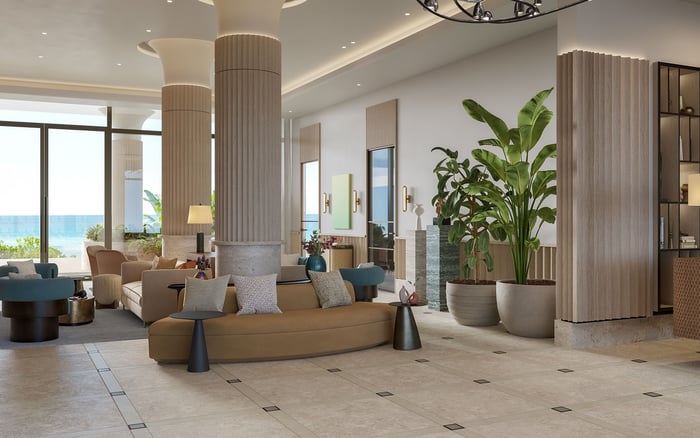
At Casa Bella, unit-level diligence should include a close reading of finishes, furniture or design packages, delivery standards and substitution language. The buyer should understand whether the residence is being delivered in a way that fully supports the branded design promise. If an Italian design identity is central to the building's positioning, the unit should be evaluated not simply as square footage, but as a finished environment.
For The Ritz-Carlton Residences® West Palm Beach, the lived experience is less about a single design gesture and more about whether service depth supports privacy, seasonal use and long-term owner satisfaction. Concierge standards, staffing assumptions, owner-access protocols and amenity operations all deserve scrutiny because they influence daily quality of life and recurring costs.
In Brickell, buyers considering Viceroy Brickell should also test how the finished product will sit within a competitive urban condominium set. Nearby alternatives such as 2200 Brickell can help frame the right questions around entry pricing, neighborhood convenience, association expectations and resale positioning, without assuming that one building's brand story automatically translates into another's value.
Casa Bella's Downtown Miami setting makes neighborhood trajectory central to the analysis. Buyers should study walkability, nearby development pipeline, traffic, transit access and proximity to cultural and entertainment venues. The Arts & Entertainment District corridor has a different rhythm from waterfront resort living or established island ownership. Its value case depends in part on how the surrounding urban fabric continues to mature.
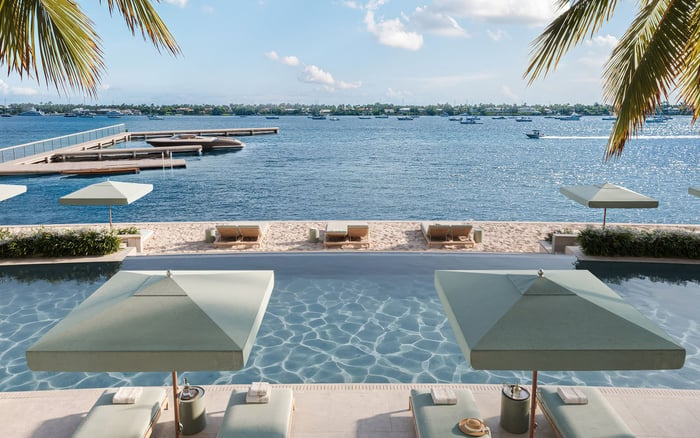
The Ritz-Carlton Residences® West Palm Beach requires a different map. Location diligence should focus on waterfront positioning, access to Palm Beach, the growth of downtown West Palm Beach, cultural amenities and relative value compared with Palm Beach Island alternatives. For some buyers, the appeal may be proximity to Palm Beach without the same ownership profile as the island. For others, the key question is whether the service model and location together create enough convenience to justify the premium.
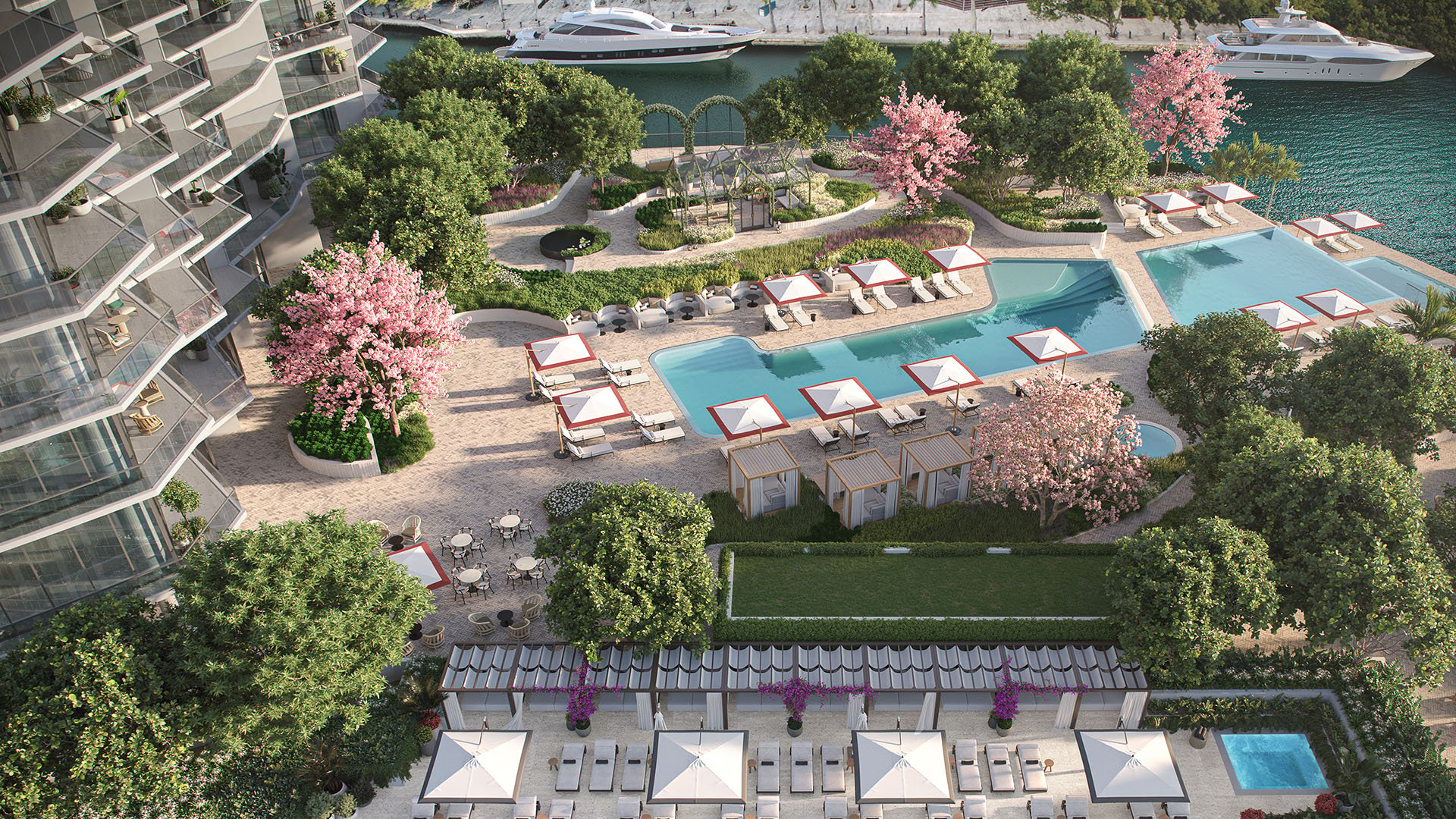
Brickell is its own due-diligence exercise. Buyers looking at Viceroy Brickell should evaluate mobility, congestion patterns, daily access, nearby condominium competition and how the building's offering compares with other luxury towers in the submarket. A Brickell purchase is rarely just about the residence. It is also about the buyer's relationship to density, restaurants, offices, waterfront access and a high-energy urban environment.
A luxury buyer may fall in love with a floor plan, a lobby or a brand, but resale is often decided by more disciplined variables. Entry pricing, comparable sales, view quality, floor height, floor plan efficiency, monthly carrying costs and rental flexibility all matter.
For Casa Bella, buyers should compare pricing and expected liquidity not only against other branded residences, but also against new-construction Downtown Miami and Brickell luxury towers. That broader set matters because the eventual resale buyer may care less about category labels than location, finish quality, building reputation and total cost of ownership.
For The Ritz-Carlton Residences® West Palm Beach, the central question is whether the hospitality brand premium is justified by operating quality, service consistency, amenity programming and resale comparables. A buyer should not treat the brand as a substitute for financial review. The more service-intensive the model, the more important it becomes to understand the association budget and long-term expense profile.
In Brickell, Viceroy Brickell buyers should bring the same discipline. The value of a branded or lifestyle-positioned condominium depends on what the next buyer can verify. If the documents, service model, physical delivery and monthly costs support the narrative, the brand may strengthen demand. If they do not, the market may reprice the story.
Before signing, preconstruction buyers should request current pricing, available inventory, deposit structure, condominium documents, draft budgets, reserve assumptions and rental-use restrictions. These items are not administrative details. They form the framework for understanding economic exposure.
The budget deserves particular attention. Buyers should ask what services are included, what may be charged separately, how staffing is assumed, whether brand or management fees are reflected and how reserves are being treated. A beautiful building with a poorly understood operating model can create surprises after closing.
Rental restrictions also matter. Even buyers who do not intend to rent should understand minimum lease periods, approval rights and use limitations because they influence liquidity. A future buyer may care deeply about flexibility, especially in a market with many seasonal owners.
Finally, the purchase should be tested against the buyer's own lifestyle. Casa Bella may appeal to those who prioritize design and Downtown Miami's cultural energy. The Ritz-Carlton Residences® West Palm Beach may fit buyers seeking hospitality-led residential ease near Palm Beach. Viceroy Brickell may suit buyers drawn to an urban Brickell address, provided the documents and economics support the thesis.
What is the first due-diligence question for a branded residence? Ask what the brand is legally required to deliver, how long the agreement lasts and what happens if the relationship changes.
How is Casa Bella's brand positioning different from a hotel-branded residence? Casa Bella's thesis centers on B&B Italia's Italian furniture and design identity rather than a traditional hotel-service model.
What should buyers review at Casa Bella before contract? They should review brand documentation, unit finishes, design packages, delivery standards, neighborhood trajectory and comparable pricing.
What matters most at The Ritz-Carlton Residences® West Palm Beach? Buyers should study the management agreement, service obligations, brand standards and how those costs appear in association budgets.
Why does West Palm Beach location diligence differ from Miami diligence? It involves waterfront positioning, Palm Beach access, downtown West Palm Beach growth, cultural amenities and relative island value.
How should buyers approach Viceroy Brickell? They should verify the documents, budgets, service model, rental rules and comparable positioning before assigning value to the brand.
Are renderings enough to evaluate a preconstruction residence? No. Buyers should rely on specifications, contract exhibits, budgets, association documents and delivery standards.
Why do rental restrictions matter if a buyer does not plan to rent? Rental rules can affect future liquidity because the next buyer may place significant value on flexibility.
Should branded residences be compared only with other branded residences? No. Buyers should also compare against nearby luxury condominiums that compete for the same resale buyer.
What is the most important financial diligence item? The association budget is critical because it reveals how service, staffing, reserves and management costs may affect ownership.
For a discreet conversation and a curated building-by-building shortlist, connect with MILLION.
If branded residences are on your mind — as a home or as an allocation — we would be glad to share what we are seeing, privately.
Begin a quiet conversation