A discreet buyer’s guide to understanding special-assessment culture in Coral Gables luxury real estate, from reserves and board transparency to capital planning and resale confidence.
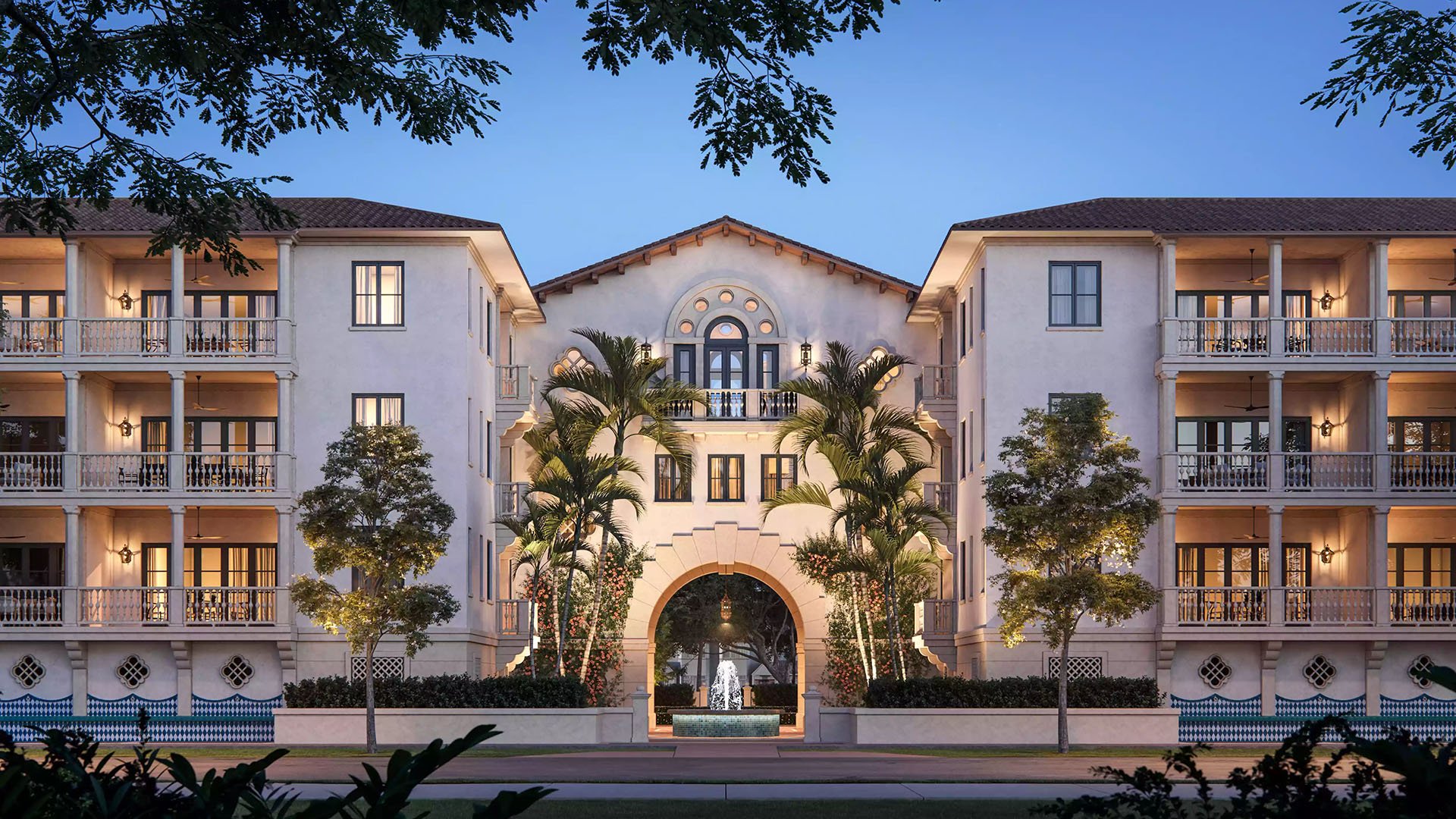
In Coral Gables, the most elegant address is not always the simplest ownership proposition. Beyond architecture, floor plan, parking, views, and proximity to private schools or dining, discerning buyers should study something less visible: the building or community’s special-assessment culture.
A special assessment is not merely a line item. It can reveal how an association thinks, how its leadership communicates, and whether owners favor proactive stewardship or deferred decisions. For a buyer considering a residence at Cora Merrick Park, Ponce Park Coral Gables, or an established condominium nearby, the question is not simply whether an assessment exists. The sharper question is whether the pattern behind it feels disciplined, transparent, and financially mature.
This is especially relevant in a market where buyers often compare Coral Gables with Coconut Grove, Brickell, Miami Beach, and other high-service enclaves. A residence may present beautifully, yet the association’s approach to capital needs can affect monthly carrying costs, resale confidence, and the emotional experience of ownership.
The first question is deceptively simple: how does the association talk about money? A sophisticated board can still levy assessments, but tone and timing matter. Buyers should ask whether owners receive clear explanations, whether alternatives are presented, and whether major projects are introduced early or only when urgency is unavoidable.
Minutes, owner communications, budget narratives, and meeting packages can reveal whether governance is calm and organized. Look for language that explains the reason for an expense, the anticipated scope, the expected owner impact, and the plan for execution. Vague references, repeated postponements, or abrupt changes in direction may suggest a culture that reacts rather than plans.
In luxury real estate, discretion should not mean opacity. A well-run association can be private while still giving buyers enough information to understand the property’s financial posture.
Reserve funding should be read as a philosophy, not just a balance. A buyer should ask which components are being reserved for, how often reserve materials are revisited, and whether the community tends to fund future needs gradually or rely on owner contributions when projects arise.
The answer shapes more than near-term cost. It speaks to owner alignment. Some communities prefer lower regular dues and accept the possibility of periodic assessments. Others favor steadier monthly contributions to reduce surprise. Neither approach is automatically wrong, but it must fit the buyer’s appetite for predictability.
For an investment-minded buyer, the reserve conversation is particularly important. Future purchasers, lenders, and advisors may all scrutinize the same materials. If the association can explain its capital plan with composure, that confidence can carry through to resale.
A single assessment is different from a rhythm of recurring assessments. Ask for a history of major capital projects and whether they were completed on schedule, expanded midstream, or followed by additional owner contributions. The goal is not to penalize a building for investing in itself. Thoughtful reinvestment can preserve the lifestyle that made the address desirable in the first place.
The question is whether the association has a coherent cadence. Are projects prioritized logically? Are aesthetic upgrades competing with infrastructure needs? Are amenities refreshed before underlying systems are addressed? In a luxury environment, visual presentation matters, but durable value depends on the less glamorous work being handled with equal seriousness.
This is where a buyer’s walk-through and document review should speak to each other. A pristine lobby is appealing. A clear capital plan is more persuasive.
Before contract deadlines pass, buyers should understand how assessments are allocated. Ask whether assessments are charged equally, by ownership interest, by unit size, or under another association formula. Ask whether payment plans are common, whether unpaid balances transfer, and how closing credits or seller obligations are typically handled in the transaction documents.
These are not casual questions. In the upper tier of the market, a buyer may be comfortable with meaningful capital contributions if the rationale is sound. What sophisticated buyers dislike is ambiguity. The right advisors should clarify what is due, what is pending, what has been approved, and what remains only under discussion.
For townhome-style or village-scale living at The Village at Coral Gables, the same mindset applies. Even when the ownership structure differs from a vertical condominium, shared elements, maintenance standards, and community governance deserve close attention.
Special-assessment culture is ultimately human. Boards, committees, managers, and owners create the tone of the property. Buyers should ask whether meetings are orderly, whether decisions are well documented, and whether professional guidance is welcomed or resisted.
A composed board does not guarantee a frictionless future, but it can indicate institutional maturity. A contentious culture may not show up in the finishes, yet it can affect everything from project execution to resale narratives. Luxury buyers often focus on privacy, service, and design. Governance quality belongs in the same category.
In Coral Gables, ownership experience is a core component of value. That means studying the culture behind the gate, the lobby, the courtyard, and the ledger.
New developments and established buildings present different kinds of due diligence. With new residences, buyers may focus on budgets, initial reserve assumptions, warranty structures, turnover expectations, and the credibility of long-term maintenance planning. With established properties, buyers can review actual behavior over time: how prior projects were handled, how reserves evolved, and how owners responded to capital needs.
Neither category is immune from future assessments. The difference is the evidence available. A new project may offer clarity through fresh systems and planned governance. An older property may offer clarity through a track record. A buyer’s task is to decide which form of confidence feels stronger.
When comparing Coral Gables with nearby luxury options such as Four Seasons Residences Coconut Grove, the assessment conversation should travel with you. The location may change, but the questions remain: who governs, how do they plan, and how do owners absorb the cost of excellence?
A polished due-diligence conversation should include direct, practical questions. Has any special assessment been approved? Is one being discussed? What capital projects are anticipated? Are reserves considered adequate by the association’s own planning standards? Have insurance costs, building systems, amenities, landscaping, or exterior elements been driving budget pressure? Are there owner delinquencies that could shift burdens onto the remaining membership?
Ask for the tone behind the answer. A confident seller representative should be able to provide documents or point to the proper association channels. If the response is evasive, rushed, or overly casual, pause. In luxury real estate, the best opportunities tolerate scrutiny.
Healthy special-assessment culture sounds measured. It acknowledges costs without drama. It distinguishes approved obligations from ideas under discussion. It explains why work is needed, how it will be funded, and how owners will be updated. It does not promise that nothing will ever happen. Instead, it shows that the community has the habits to manage what does happen.
For a Coral Gables buyer, that may be the highest form of luxury: not the absence of responsibility, but the presence of capable stewardship.
What is special-assessment culture? It is the pattern of how an association plans, communicates, approves, and collects owner contributions for major needs.
Should I avoid any property with a special assessment? Not automatically. A well-explained assessment for a necessary improvement can be healthier than years of deferred action.
What documents should I request first? Ask for budgets, recent meeting minutes, reserve materials, assessment notices, financial statements, and any capital project summaries available.
How do reserves affect luxury ownership? Reserves influence predictability. Strong planning can reduce surprises and support confidence in the property’s long-term condition.
Can a seller pay an assessment at closing? Sometimes this is negotiated in the contract, but the answer depends on the documents, timing, and the specific obligation.
Are new buildings free from assessment risk? No property is free from future capital needs. New buildings simply present a different due-diligence profile than established ones.
What is a red flag in board communications? Repeated vagueness, sudden urgency, inconsistent explanations, or limited documentation can all justify deeper review.
Should my attorney review association materials? Yes. Counsel can help interpret obligations, deadlines, disclosures, and any assessment language in the contract.
How does this affect resale? Buyers often value clarity. A property with organized governance and transparent capital planning may be easier to understand at resale.
What is the best way to shortlist comparable options for touring? Start with location fit, delivery status, and daily lifestyle priorities, then compare stacks and elevations to validate views and privacy.
For a tailored shortlist and next-step guidance, connect with MILLION.
If branded residences are on your mind — as a home or as an allocation — we would be glad to share what we are seeing, privately.
Begin a quiet conversation