A discreet buyer’s guide to approaching Florida domicile when relocating capital, lifestyle, and family rhythms from Dubai to Miami and South Florida.
For buyers arriving from Dubai, the South Florida conversation often begins with architecture, water views, private elevators, and brand-caliber service. Yet for many global families, the more consequential question sits beneath the acquisition: will Florida become a true domicile, or simply another elegant address within a wider international portfolio?
Florida domicile is not a design preference or a closing-statement line item. It is a position built around intent, conduct, and the practical center of one’s life. For a buyer who moves between Dubai, London, New York, Geneva, and Miami, that distinction matters. A residence can be owned for pleasure, investment, schooling, privacy, or long-term relocation. Domicile asks whether Florida has become the buyer’s principal home in a deeper, more durable sense.
That is why the strongest purchases are planned with legal, tax, immigration, family-office, and wealth-advisory counsel before the contract is signed. The real estate decision should support the domicile plan, not sit apart from it.
Domicile is generally understood as the place a person intends to make a permanent home. For sophisticated buyers, the concept is less about a single gesture and more about a pattern. Where is the primary residence? Where are important records held? Where does the family spend meaningful time? Where are physicians, schools, clubs, banking relationships, advisers, vehicles, and daily routines concentrated?
A buyer can own a remarkable condominium in Brickell and still fail to make Florida feel like the true center of life if every other meaningful connection remains elsewhere. Conversely, a buyer who aligns the residence, household operations, family calendar, professional infrastructure, and personal documentation may create a more coherent Florida profile.
This is where the physical home becomes evidence of lifestyle. A full-floor residence at The Residences at 1428 Brickell may suit a buyer who wants immediate access to Miami’s financial district, private aviation corridors, dining, cultural events, and professional meetings. The address is not the entire domicile story, but it can help make the story credible.
A Dubai-based buyer may purchase in South Florida for many reasons: capital diversification, family convenience, dollar-denominated exposure, privacy, seasonal use, or a future move. None of those motives automatically creates Florida domicile. Ownership is the asset. Domicile is the life pattern around it.
This distinction is especially important for buyers who continue to maintain homes, companies, staff, school placements, and advisory teams abroad. The more international the family, the more disciplined the record should be. If Florida is intended to become the core residence, the buyer should avoid treating the Miami home as a holiday base while every other signal points elsewhere.
For some, the transition is gradual. They acquire first, then spend increasing time in South Florida, shift key relationships, and reorient household management. For others, the move is decisive, with the home, children, medical care, banking, and governance of family affairs moving together. Both approaches require coordination, but the second is usually cleaner from a planning perspective.
Miami, Broward, and Palm Beach each serve a different type of globally mobile owner. The correct address is not simply the most expensive or most publicized. It is the one that best matches how the buyer intends to live.
Brickell appeals to buyers who want a vertical, urban base with proximity to finance, restaurants, private members’ environments, and the energy of Downtown Miami. It can suit principals who expect advisers, executives, and visiting family to move through the home frequently. In this context, Brickell is often less about vacation and more about operating rhythm.
Miami Beach offers a different proposition. It blends resort living, cultural access, privacy, and a softer daily cadence. A residence such as The Perigon Miami Beach may appeal to buyers who want the emotional clarity of oceanfront living while remaining close to the city’s social and business circuits. For many families, Miami Beach helps make Florida feel less like a transaction and more like a lifestyle decision.
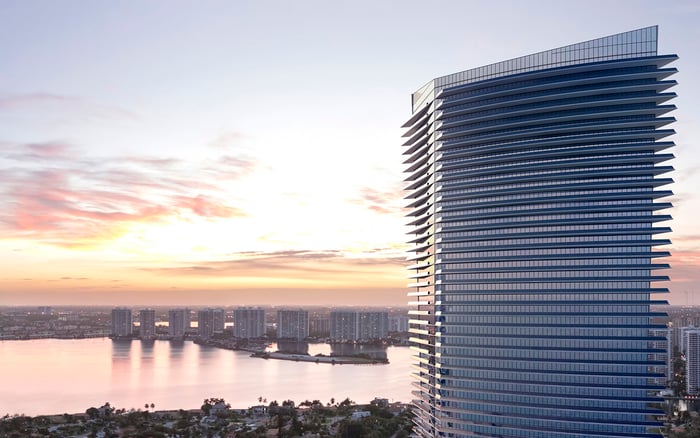
Sunny Isles Beach has long attracted international condominium buyers who value height, views, and a residential skyline shaped around the ocean. St. Regis® Residences Sunny Isles may fit buyers seeking a branded residential experience with an emphasis on service, privacy, and beachfront continuity. For a family transitioning from Dubai, that blend of tower living and hospitality sensibility can feel familiar.
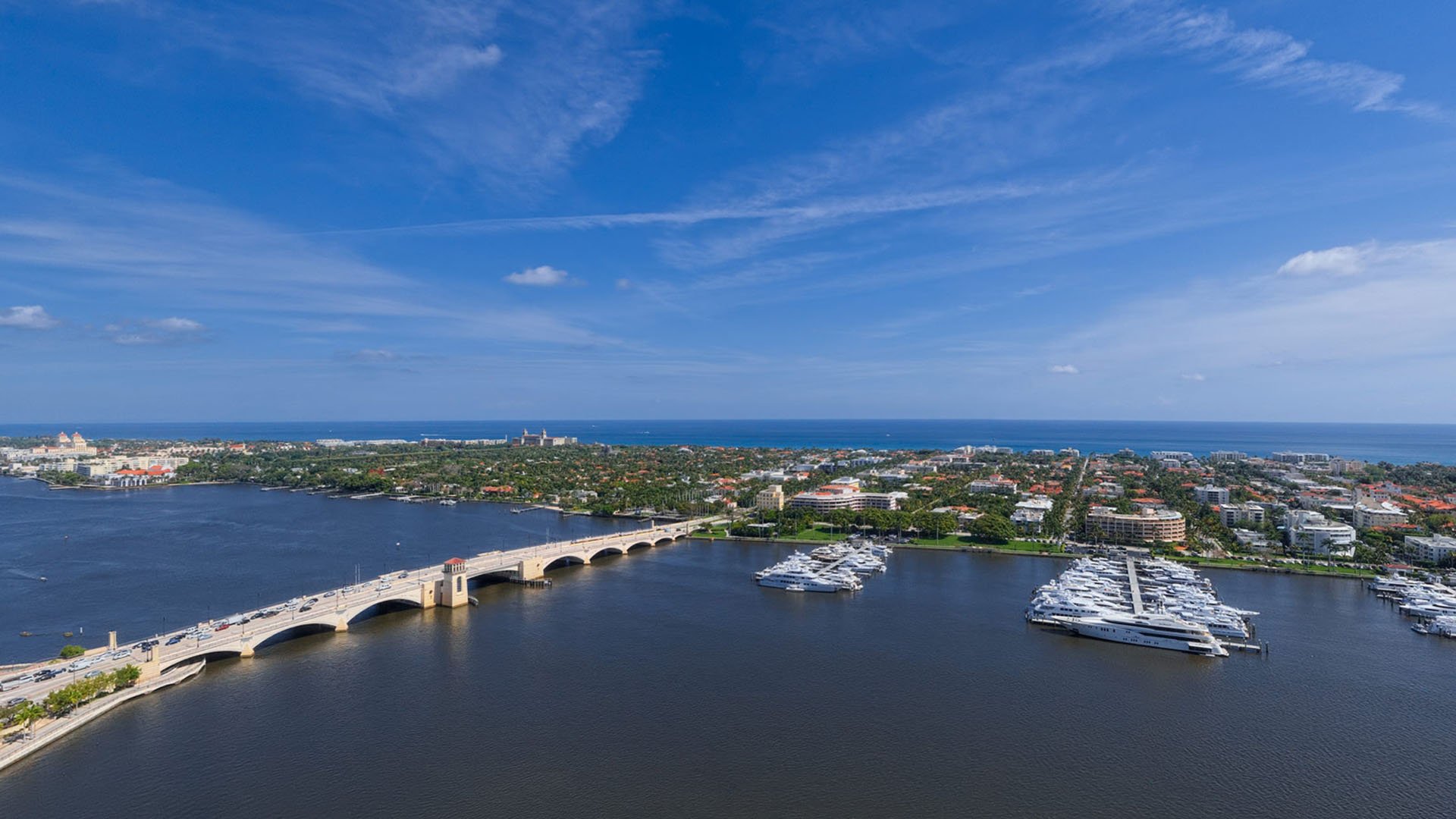
Palm Beach and West Palm Beach speak to buyers who prefer a quieter register, with established wealth, private clubs, waterfront residences, and a more composed social pace. The Ritz-Carlton Residences® West Palm Beach offers a way to consider the area through a service-led residential lens, particularly for buyers who want Palm Beach access without necessarily choosing a traditional estate.
For globally mobile buyers, domicile is often tested through consistency. The residence should be supported by the surrounding facts of life. That may include where the buyer keeps important personal records, where household bills are directed, where professional advisers communicate, and where recurring obligations are managed.
The home should also function as a home. Furnish it seriously. Use it regularly. Build local routines. Establish medical relationships. Consider memberships that reflect genuine use rather than decorative affiliation. If children are part of the planning, schooling and family-calendar decisions should be reviewed carefully with advisers.
The point is not to perform residency. It is to make the chosen life real. Buyers who treat domicile as an administrative checklist often miss the larger issue: the overall pattern must make sense.
Before signing, buyers should decide who will own the property, how it will be financed, whether the residence will be held personally or through an entity, and how the purchase coordinates with estate planning. These decisions can affect privacy, succession, liability, lending, and future transfers. They should be made before urgency enters the negotiation.
Investment motives should also be separated from domicile motives. A property chosen for investment may not be the same property chosen as the emotional and practical center of family life. A trophy residence can perform both roles, but only if the plan is honest about use, privacy, liquidity, and long-term maintenance.
Buyer guides often focus on views, amenities, and price per square foot. Those details matter, but domicile-minded buyers should add another layer: does this address support the life I am claiming to build in Florida?
The first misstep is assuming that a luxury closing creates domicile. It does not. The second is maintaining conflicting signals, such as declaring Florida as the center of life while every operational habit remains abroad. The third is waiting until after closing to involve advisers. By then, ownership structure, financing, and personal records may already be misaligned.
Another mistake is buying for prestige rather than utility. An address may be impressive, but if it does not support family routines, privacy needs, security protocols, and travel patterns, it may undermine the intended transition. The most persuasive domicile story is usually the one that looks natural.
Does buying a Miami condominium automatically create Florida domicile? No. Ownership can support a domicile position, but domicile depends on intent and the broader pattern of life.
Should Dubai buyers consult advisers before signing a contract? Yes. Legal, tax, immigration, estate, and family-office guidance should be coordinated before acquisition terms are finalized.
Is Brickell a good fit for domicile-minded buyers? Brickell can be suitable for buyers who want an urban operating base close to business, dining, and professional networks.
Is Miami Beach better for lifestyle-driven families? It may be, especially for buyers who want oceanfront living with strong access to cultural and social life.
Can Sunny Isles Beach appeal to buyers coming from Dubai? Yes. Its high-rise beachfront format and service-oriented residences can feel familiar to internationally mobile buyers.
How does Palm Beach differ from Miami? Palm Beach generally offers a quieter, more established atmosphere, while Miami tends to feel more urban and globally kinetic.
Should the property be held personally or through an entity? That decision depends on privacy, estate planning, financing, and tax considerations, and should be reviewed before closing.
Can a second home become a domicile later? Yes, but the owner’s conduct should evolve to show that Florida has become the true center of life.
What records matter for domicile planning? Advisers typically review the overall pattern of residence, household management, documentation, family life, and professional ties.
Should buyers treat domicile as a tax-only issue? No. It is also a lifestyle, family, governance, and documentation issue that should be planned holistically.
For a discreet conversation and a curated building-by-building shortlist, connect with MILLION.
If branded residences are on your mind — as a home or as an allocation — we would be glad to share what we are seeing, privately.
Begin a quiet conversation