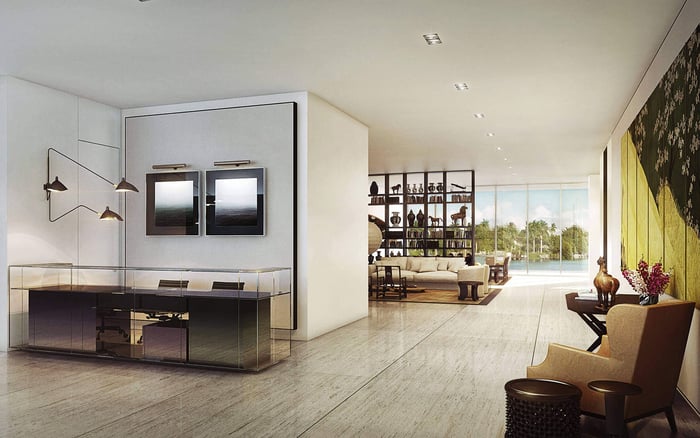
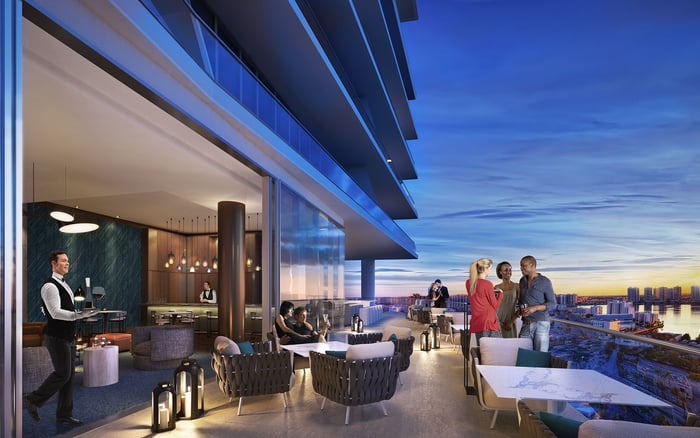
For Dubai buyers considering South Florida, terrace quality is less about nominal outdoor square footage and more about shade, wind comfort, privacy, access, and the way indoor rooms support everyday life outdoors.
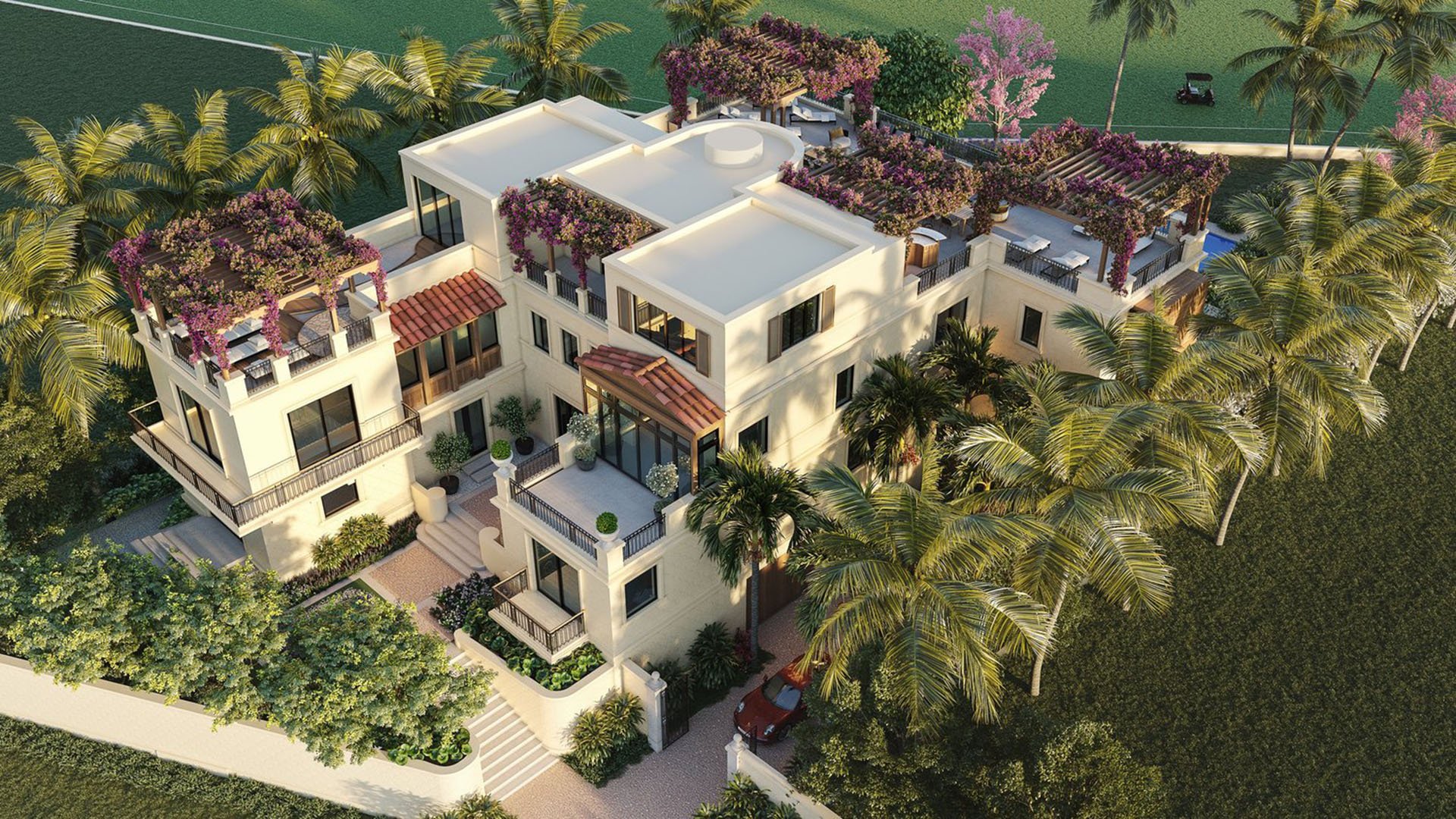
For a Dubai buyer, the terrace often carries a familiar promise: an elevated outdoor room, a private horizon, and a setting where hospitality can move outside without feeling casual. South Florida offers that same aspiration, but the buying logic is different. A generous outdoor area is not automatically a usable one. Heat, wind, sun angle, glazing, privacy, and the distance from kitchen to seating can determine whether a terrace becomes part of daily life or remains a dramatic view platform.
The first question is not, “How big is it?” It is, “When would I actually use it?” Morning coffee, a shaded lunch, children reading after school, sunset entertaining, late dinners, and quiet weekends each ask something different of an outdoor space. A Terrace with depth, protection, and a direct connection to principal rooms can behave like a true extension of the residence. A Balcony may be beautiful and valuable, but if it is shallow, exposed, or difficult to furnish, its role is usually more visual than social.
Dubai owners are often fluent in high-rise living, intense sunlight, and the need for controlled outdoor comfort. That perspective is useful in Miami, but it should be recalibrated. South Florida terraces respond to breezes, salt air, summer humidity, and sudden weather shifts. The best private outdoor spaces combine openness with restraint. They frame the view without leaving every chair and table fully exposed.
When touring a residence, pause at the terrace doors before stepping outside. Notice whether the outdoor space feels like a continuation of the room or a separate appendage. A terrace off the living room carries one kind of value. A terrace off the primary suite offers another. Multiple access points can create flexibility, especially for buyers who entertain across generations or host guests for extended stays.
In Brickell, buyers who want the energy of the skyline may compare residences such as The Residences at 1428 Brickell while asking a practical question: does the terrace serve dining, lounging, or simply the view? In a vertical urban setting, the answer depends as much on exposure and privacy as on floor height.
The most elegant terrace in South Florida is rarely the most exposed. Shade is not a secondary feature; it is the condition that turns outdoor area into living area. Deep overhangs, covered loggias, recessed zones, and partial enclosure can make a terrace feel composed rather than improvised. Buyers should study where sunlight falls during the hours they expect to use the space, not only at the moment of a scheduled showing.
Furnishability matters. A usable terrace has enough depth for proper seating without blocking circulation. It allows a dining table to be pulled back from the railing. It gives planters, side tables, and service pieces a place to exist without clutter. If every element must be custom sized to fit, the space may still be attractive, but it may not live easily.
Interior planning is equally important. A shaded terrace connected to a cramped living area may underperform. Conversely, a modest terrace connected to a generous, well-planned salon can feel gracious. The strongest residences make indoor and outdoor areas read as one composition, with clear sightlines, practical door swings, and enough wall space inside for art and furniture.
Wind is the terrace factor buyers most often underestimate. A spectacular high-floor outlook can come with exposure that changes how often one sits outside, what furniture can be used, and whether dining feels serene. The aim is not to eliminate breeze. It is to avoid turbulence, corner gusts, and layouts that turn every meal into a compromise.
Corner terraces can be memorable, but they should be assessed carefully. Walk the perimeter. Listen as well as look. If conversation feels strained on a mild day, the space may be less usable in more active conditions. Consider the height and transparency of railings, the placement of columns, and whether the building mass offers any protection. A terrace that is partially sheltered on one side may be more valuable in daily use than a larger platform with no sense of enclosure.
For ocean-oriented buyers, Miami Beach presents a nuanced choice between view, exposure, and lifestyle. A residence search that includes Five Park Miami Beach can be framed around how outdoor space supports both resort-style weekends and everyday living. The view should be cinematic, but the terrace should also permit a quiet breakfast, a shaded call, or a relaxed evening without excessive effort.
A South Florida terrace should be read like a room with invisible walls. Orientation influences light and mood. Privacy determines whether the space feels truly residential. Adjacencies matter, especially in dense waterfront and urban settings where neighboring towers, amenity decks, and public edges can shape the experience.
Buyers moving from Dubai often value entertaining, but not all entertaining is formal. The terrace may need to host a visiting family, a small business conversation, or a calm dinner after a day on the water. In Sunny Isles Beach, for example, tower living can offer dramatic verticality, but the essential question remains intimate: where does everyone sit, what do they see, and how protected do they feel? When considering an address such as Bentley Residences Sunny Isles, buyers should study the relationship between outdoor space, principal rooms, and the everyday rituals they expect to keep.
Privacy is also about sound. A terrace close to active amenities may suit some owners and distract others. A terrace facing an open waterway can feel different from one facing a dense skyline. Neither is inherently superior. The right choice is the one that matches the owner’s tolerance for visibility, movement, and ambient energy.
South Florida gives Dubai buyers a broad spectrum: dense skyline living, beachfront verticality, bayfront quiet, garden-like enclaves, and low-rise residential villages. High floors can create drama, but lower or mid-level residences may offer terraces that feel more connected to landscape, water, and neighborhood life. Usability can increase when a terrace feels protected and human in scale.
Coconut Grove is often considered by buyers who want a softer rhythm, more greenery, and a residential atmosphere. In that context, residences such as Vita at Grove Isle allow terrace evaluation to focus on calm, outlook, and the transition between private interior life and outdoor ease. For some owners, that feeling matters more than the highest possible elevation.
There is no universal hierarchy. Brickell may appeal to those who want city intensity and quick access to dining and work. Miami Beach can suit buyers who want sand, culture, and resort cadence. Sunny Isles Beach offers a vertical beachfront sensibility. Coconut Grove offers a quieter residential counterpoint. The terrace decision should follow the lifestyle decision, not the other way around.
Before committing, visit the residence with a furniture plan in mind. Identify the primary outdoor use: dining, lounging, sunning, reading, entertaining, or quiet view enjoyment. Then test the terrace against that use. Can a dining table fit without blocking doors? Is there a protected wall for a sofa? Can guests circulate without standing against the railing? Does the outdoor area work when the sun is strong, or only at twilight?
Look for depth, shade, privacy, and direct connection to the rooms used most. Study whether the terrace is shared by multiple bedrooms or reserved for the main living area. Consider maintenance, storage, and how cushions, planters, and outdoor objects will be handled. A glamorous terrace that requires constant management may not be the most luxurious choice.
Finally, ask whether the terrace changes the way the home lives. If it expands breakfast, softens evenings, supports gatherings, and gives the owner a daily relationship with air and view, it is not just an amenity. It is part of the architecture of the home.
Should Dubai buyers prioritize a larger terrace or a deeper one? Depth is often more important than headline size because it determines whether proper furniture, circulation, and dining can work comfortably.
Is a high-floor terrace always better in South Florida? Not always. Higher floors may offer more dramatic views, but wind exposure and comfort should be evaluated carefully.
What makes a terrace usable in hot weather? Shade, covered zones, appropriate orientation, and a strong indoor-outdoor connection make a terrace easier to use throughout the day.
How should I compare a Balcony with a Terrace? Treat a Balcony as a view and fresh-air feature unless it has enough depth for real seating, while a Terrace should function more like an outdoor room.
Does oceanfront living require different terrace planning? Yes. Oceanfront terraces should be evaluated for exposure, privacy, maintenance needs, and how comfortably they support everyday use.
Are corner terraces worth the premium? They can be, especially for views and light, but buyers should test wind, furniture placement, and privacy before assigning extra value.
Which South Florida area is best for terrace living? The best area depends on lifestyle: Brickell for urban energy, Miami Beach for resort rhythm, Sunny Isles Beach for beachfront verticality, and Coconut Grove for calm.
Should I tour a terrace at a specific time of day? If possible, see it when you expect to use it most, since sun, shade, and comfort can change the experience significantly.
Can a smaller terrace still feel luxurious? Yes. A well-shaded, private, and properly furnished smaller terrace can live better than a larger but exposed space.
What is the best way to shortlist comparable options for touring? Start with location fit, delivery status, and daily lifestyle priorities, then compare stacks and elevations to validate views and privacy.
For a confidential assessment and a building-by-building shortlist, connect with MILLION.
If branded residences are on your mind — as a home or as an allocation — we would be glad to share what we are seeing, privately.
Begin a quiet conversation