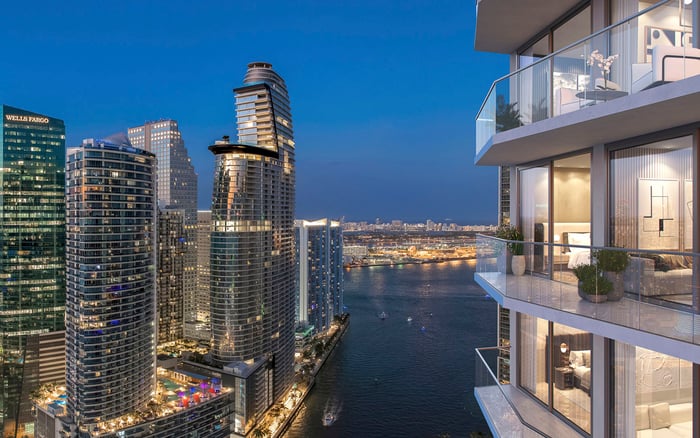
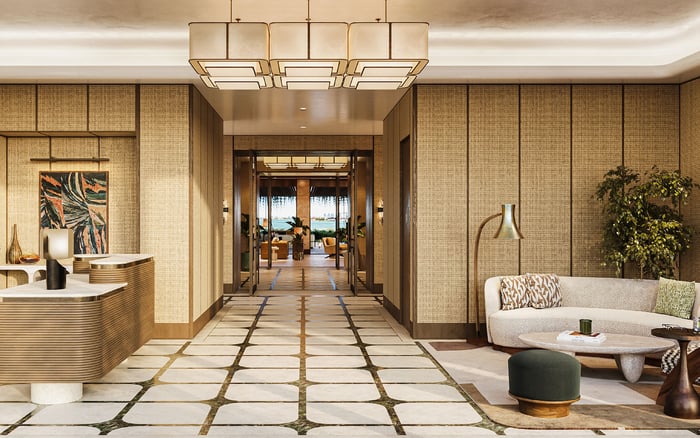
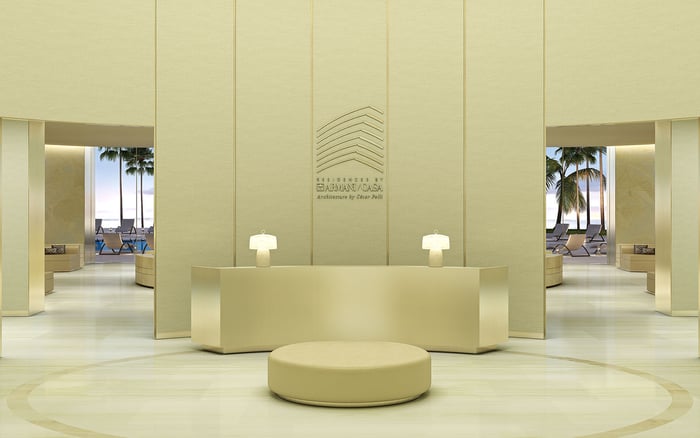
Coconut Grove offers yacht owners a quieter, more residential interpretation of South Florida luxury, where waterfront access, privacy, walkable village life, and design-led residences can align with an owner’s daily rhythm on and off the water.
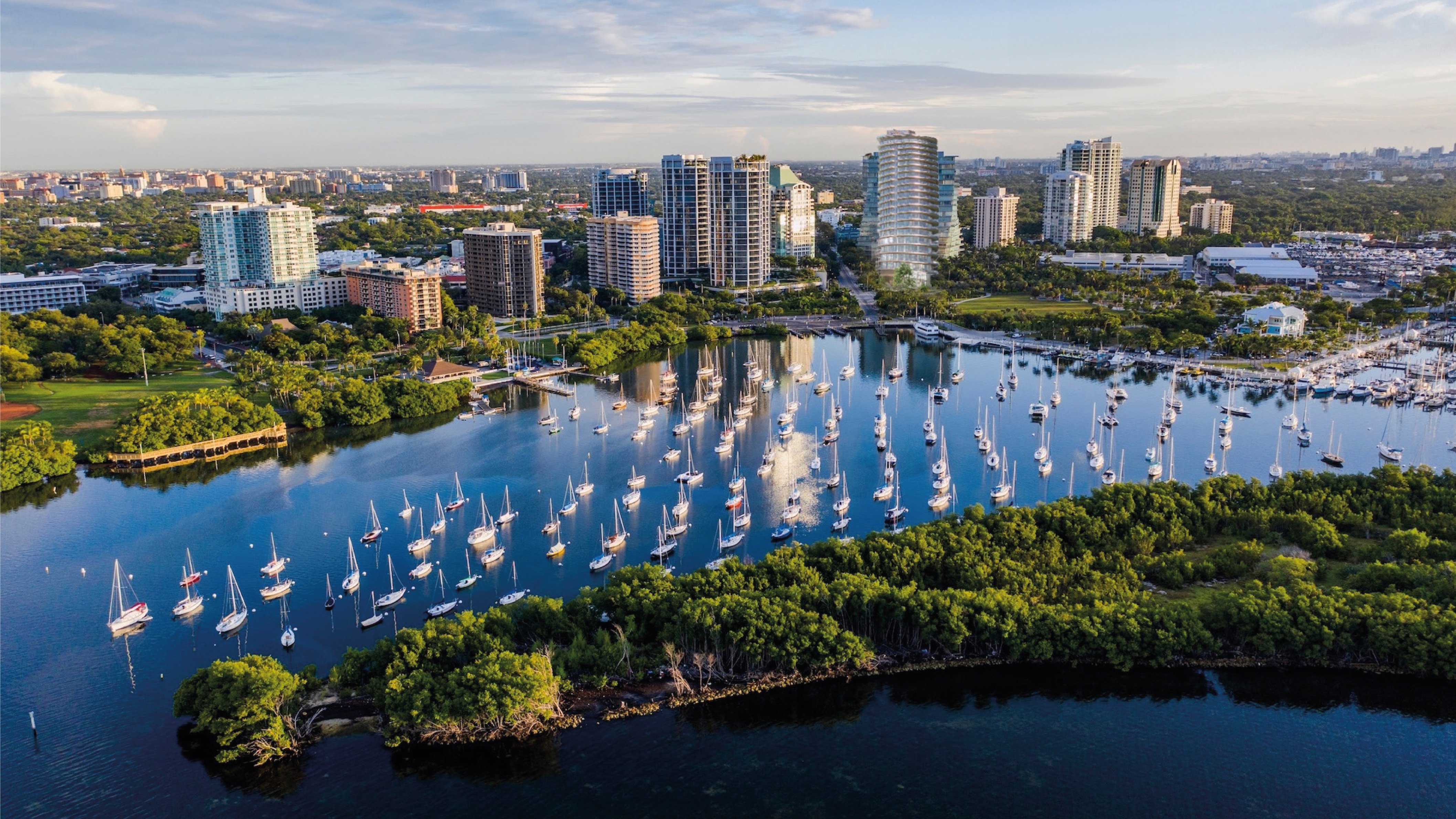
For yacht owners, the ideal South Florida residence is rarely just about the view. It is about rhythm. The right base should make a morning departure feel effortless, a late return feel private, and the time between voyages feel composed rather than logistical. Coconut Grove appeals to buyers who prefer that quieter equation: proximity to the water, a mature residential setting, and a village atmosphere that feels personal rather than theatrical.
Coconut Grove is not trying to perform like Miami Beach, Brickell, or Sunny Isles Beach. Its value is more subtle. The neighborhood speaks to owners who want a refined home environment near the boating lifestyle, but not necessarily within South Florida luxury’s most exposed corridors. For many, that discretion is precisely the point.
A yacht-oriented residence begins with access, but it does not end there. Buyers should consider how the home supports the full cycle of ownership: provisioning, guest arrivals, family weekends, crew coordination, storage, privacy, and the quiet reset after time on the water. A beautiful address that complicates those rituals may not be the right base.
In Coconut Grove, the appeal lies in its layered lifestyle. A residence can feel connected to the waterfront without sacrificing the intimacy of a more established neighborhood. Buyers evaluating Four Seasons Residences Coconut Grove, for example, are often thinking beyond square footage. They are considering whether a service-forward residential setting can support a life that moves between home, bay, dining, wellness, and travel with minimal friction.
That is the distinction between owning near the water and living intelligently around it.
Yacht ownership naturally attracts attention. A refined home base should do the opposite. Coconut Grove can appeal because it offers a softer kind of arrival, defined less by spectacle than by enclosure, landscaping, shaded streets, and residential calm. For buyers who entertain on board but prefer privacy at home, this balance matters.
This is also why the Grove often resonates with families and multi-home owners. A waterfront or near-water residence can function as a retreat, not only a display asset. The architecture, amenity program, and building culture should feel aligned with that expectation. At Park Grove Coconut Grove, the conversation around ownership often fits this broader Grove narrative: design, privacy, open-air living, and a quieter expression of Miami sophistication.
A yacht owner does not always need the most conspicuous address. Often, the better choice is the one that lets the boat be public and the home remain personal.
For any serious boating buyer, marina considerations are central. Yet the residence should not be judged only by whether the vessel is immediately visible from the terrace. The more nuanced question is whether the owner’s land-based life and water-based life work together gracefully.
Boat-slip access, tender logistics, parking, guest circulation, weather planning, and building policies all deserve careful review. Buyers should also understand how often they actually use the vessel, who manages it, and whether the home is meant to support spontaneous day trips, longer passages, or seasonal entertaining. In some cases, the best residence may not be the closest possible address to the slip. It may be the home that offers the strongest total lifestyle.
This is where Coconut Grove can be persuasive. Its scale encourages a more residential pattern of use. A day on the water can end with a calm return rather than an urban re-entry. The home can be part of the boating experience without being consumed by it.
Yacht owners tend to be sensitive to materials, proportion, light, and movement. They notice how a space receives the morning, how a terrace handles evening air, and how guests circulate without compromising private quarters. The best Grove residences respond to that sensibility with a design language that feels relaxed but exacting.
A project such as Mr. C Tigertail Coconut Grove can enter the buyer’s consideration set for those seeking a hospitality-inflected residential experience in the neighborhood. The relevant question is not whether a building is louder than its competitors. It is whether it supports a graceful handoff between home life and the water: easy hosting, generous outdoor space, and a tone that remains polished without feeling formal.
For yacht owners, the most successful interiors often avoid nautical literalism. The connection to the water is best expressed through light, restraint, texture, and spatial ease.
Time on the water is restorative, but ownership can also be demanding. Maintenance cycles, weather windows, crew communication, and travel schedules all add complexity. A strong South Florida base should therefore offer more than beauty. It should support recovery.
That is one reason wellness-oriented residences have become more relevant to buyers who split time between boating, business, and family. The Well Coconut Grove fits naturally into this discussion because the name itself signals a residential language organized around wellbeing. For a yacht owner, wellness is not an accessory. It can be the practical counterweight to an active, mobile life.
The right home should make it easy to move from salt air to stillness. Pools, fitness spaces, treatment rooms, shaded terraces, and private areas for decompression can all matter, but the essential value is emotional: a residence that makes the owner feel returned.
Waterfront living remains one of South Florida’s defining luxuries, but in Coconut Grove it can feel less performative. The view, the breeze, the proximity to the bay, and the daily sense of orientation toward the water can be valuable even when the owner is not on board.
This is where Vita at Grove Isle may be relevant for buyers comparing Grove-adjacent waterfront options with a more private, resort-like sensibility. The broader point is that yacht owners should think in terms of atmosphere as much as adjacency. Does the residence extend the serenity of time on the water, or does it interrupt it?
For many high-net-worth buyers, Coconut Grove answers with restraint. It offers access to the South Florida lifestyle while preserving a feeling of remove.
The most important question is not whether Coconut Grove is the most obvious yachting address. It is whether it is the most livable one for a particular owner. A buyer who values nightlife at the doorstep may prefer a different setting. A buyer who wants a calmer, design-led base with waterfront proximity and village texture may find the Grove highly compelling.
Advisory should focus on daily use. Where will the yacht be kept? How often will it be used? Who arrives at the home, and how? Does the residence support guests without compromising privacy? Is the building culture discreet? Are service expectations aligned with the owner’s standards? Does the architecture feel timeless enough to hold attention beyond the first season?
Coconut Grove works best when it is chosen deliberately. It is not a compromise between city and sea. For the right buyer, it is a more refined interpretation of both.
Is Coconut Grove a good base for yacht owners? It can be, especially for owners who want waterfront proximity, privacy, and a calmer residential environment rather than a high-visibility address.
Does a yacht owner need to live directly on the water? Not always. The better question is whether the residence supports the owner’s boating routine, guest flow, privacy needs, and daily lifestyle.
What should buyers review before choosing a Grove residence? Buyers should evaluate marina logistics, boat-slip needs, building policies, service levels, parking, guest access, and the overall privacy profile.
Is Coconut Grove more discreet than other Miami luxury areas? It is often chosen by buyers who prefer a quieter, more residential setting while remaining connected to South Florida’s waterfront lifestyle.
Can a condo work for a serious yacht owner? Yes, if the building offers the right privacy, service, storage, arrival experience, and access pattern for the owner’s boating habits.
Why does wellness matter for yacht owners? Boating is restorative, but ownership can be demanding. A residence with wellness-oriented amenities can help balance travel, entertaining, and recovery.
Should buyers prioritize marina proximity above all else? Proximity matters, but it should be weighed alongside privacy, service, traffic flow, guest experience, and the quality of everyday living.
Is Coconut Grove better for full-time or seasonal owners? It can serve both, provided the residence has the right management, security, and service structure for the owner’s occupancy pattern.
What type of buyer is most aligned with the Grove? A buyer who values discretion, design, greenery, waterfront orientation, and a village-like residential rhythm may find the Grove especially appealing.
How should a buyer compare Coconut Grove with other South Florida markets? Compare the complete lifestyle, not only the address. The right decision should reflect boating habits, family use, privacy preferences, and long-term comfort.
For a confidential assessment and a building-by-building shortlist, connect with MILLION.
If branded residences are on your mind — as a home or as an allocation — we would be glad to share what we are seeing, privately.
Begin a quiet conversation