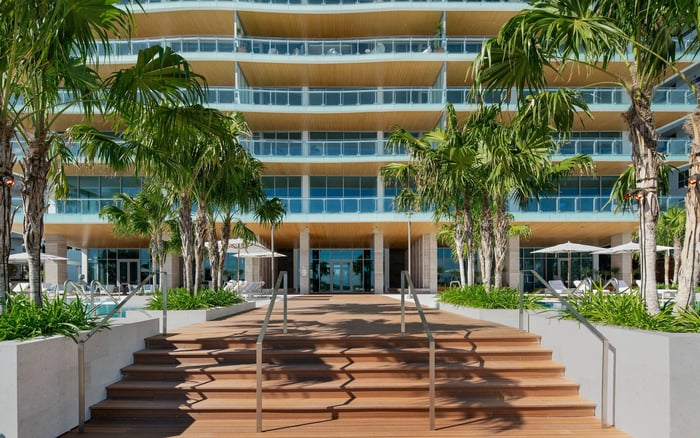
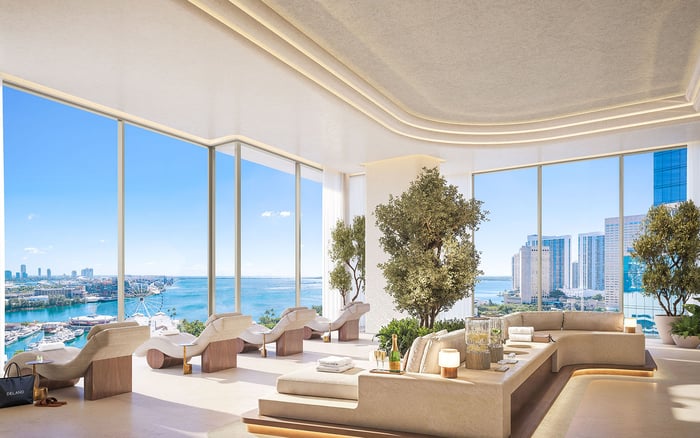
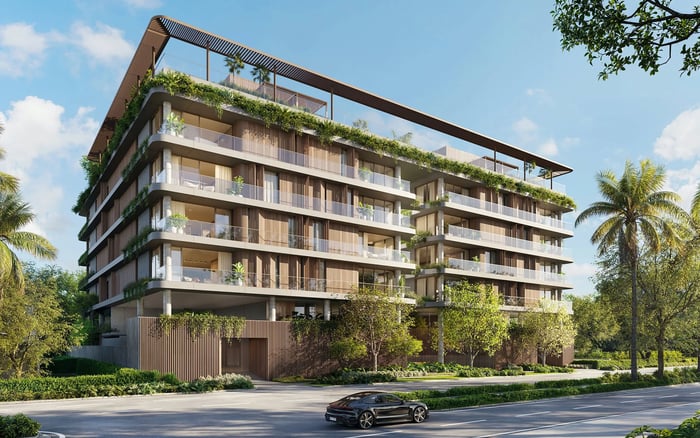
A discreet owner’s guide to evaluating daily life near restaurants, lounges, and social amenities at Delano Residences & Hotel Miami and Four Seasons Residences Coconut Grove.
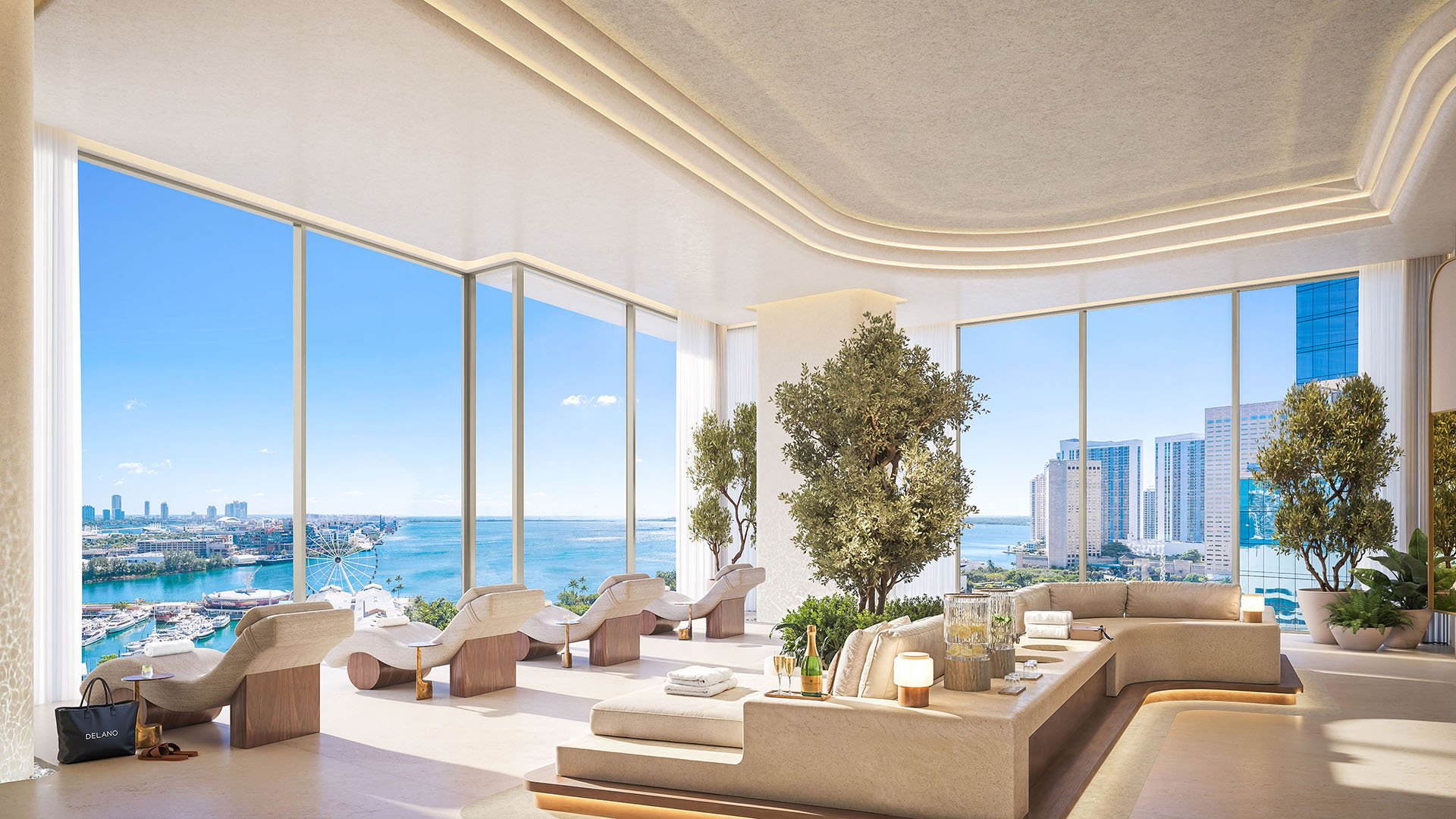
Delano Residences & Hotel Miami and Four Seasons Residences Coconut Grove invite a more nuanced question than whether a restaurant, lounge, or lobby scene is appealing. For full-time owners, the sharper question is how often that energy intersects with daily life, and whether the building’s design, operating culture, and residential circulation preserve the feeling of home.
The distinction matters. A weekend owner may prize immediacy above all else: the ability to descend into a lively dining room or host guests before a night out. A full-time resident often evaluates the same feature through a different lens: morning routines, school nights, work calls, pet walks, visiting family, and the desire to return to quiet after a demanding day.
That does not make restaurant proximity a liability. In South Florida’s luxury market, proximity to excellent dining and hotel-level service remains a powerful convenience. The point is to understand the temperament of the address. Delano Residences & Hotel Miami suggests a hospitality-forward rhythm, while Four Seasons Residences Coconut Grove carries the expectation of a refined residential setting within one of Miami’s most established village environments. Both can appeal to sophisticated owners, but the best fit depends on how one wants to live from Monday morning through Sunday evening.
Restaurant proximity is often presented as effortless luxury, but full-time owners should examine the entire system around it. Where do guests arrive? How do valet movements affect the entry sequence? Are residential elevators and service paths meaningfully separated from public-facing areas? Is the primary dining venue visible, audible, or functionally independent from the residential approach?
A restaurant can elevate daily life when it feels available without becoming unavoidable. The most successful hospitality-residential buildings make dining feel like an extension of private life, not a lobby event every resident must pass through. Owners should ask how reservations, private dining, room service, and resident access are handled, especially during peak evenings, holidays, major events, and seasonal surges.
There is also a psychological dimension. Some owners love the soft theater of a polished arrival sequence, the sound of a bar coming alive, and the ability to meet friends without leaving the property. Others want the restaurant nearby but visually and acoustically removed. Neither preference is superior. The key is recognizing whether the building’s social center will energize or exhaust you over time.
For buyers comparing this lifestyle to Brickell, Downtown, or Aventura condominium living, the restaurant question becomes sharper. Urban convenience can be abundant, but not every building converts that abundance into a calm residential experience. The premium lies in how the building edits the city for its owners.
Noise management is not only about whether a residence feels quiet during a tour. It is about how sound behaves over a full day, across seasons, and during the building’s most active moments. A serious buyer should consider the likely sources: restaurant arrivals, valet activity, terrace dining, music, service corridors, amenity decks, mechanical systems, nearby traffic, and neighboring venues.
Within a residence, orientation may matter as much as height. A home facing a quieter internal edge can feel very different from one oriented toward a social terrace or arrival court. Floor plan matters as well. Bedrooms placed away from exterior activity zones, deeper setbacks, vestibules, and thoughtful corridor design can all contribute to the sense of retreat.
Owners should pay particular attention to glazing, balcony placement, and the relationship between indoor living spaces and active outdoor areas. A terrace is most valuable when it expands private life without importing unwanted sound at the wrong hours. In hospitality-oriented settings, the practical question is not whether energy exists, but whether the residence gives you control over it.
This is especially relevant for a second-home buyer who may eventually become a full-time resident. What feels exhilarating during a three-night stay can read differently after six months of regular use. Buyers should evaluate the home at more than one time of day whenever possible, with particular attention to bedrooms, home offices, and primary terraces.
Social energy is one of the defining luxuries of branded and hospitality-influenced residences. A gracious lobby, polished service, recognizable dining, and a well-dressed flow of guests can create a sense of occasion that standalone residential buildings may not replicate. For some owners, that atmosphere is central to the appeal.
Yet full-time ownership requires boundaries. The best residential experience allows an owner to participate selectively. You may want a lively dinner on Friday, a quiet breakfast on Tuesday, a private elevator ride after travel, and an unobserved return from the gym. Buildings that support those different moods tend to age better as full-time homes.
At Four Seasons Residences Coconut Grove, buyers will naturally focus on whether the residential experience aligns with the Grove’s quieter, more gardened identity. Coconut Grove has long appealed to owners who want Miami access without the constant intensity of the most vertical urban districts. The area’s appeal is not the absence of activity, but a more residential form of it.
At Delano Residences & Hotel Miami, owners should be equally intentional about the hospitality dimension implied by the name. A hotel component can bring service fluency, dining energy, and a sense of arrival. It can also increase the importance of privacy planning, resident-only spaces, and operational discipline.
Bars can be a pleasure when they are curated, beautifully staffed, and properly separated from private residential life. They can also be the amenity most likely to test an owner’s tolerance for sound, arrivals, and late-evening movement. The distinction is often operational rather than aesthetic.
A buyer should ask how evening programming is managed, how private events are handled, and whether any outdoor spaces associated with dining or lounges have clear rules. The most elegant buildings are rarely silent; they are composed. Their energy is legible, contained, and respectful of residents who are not participating at that moment.
For full-time owners, the dining program should support everyday living. That can mean an easy solo dinner, a discreet place to meet colleagues, a table for visiting family, or the ability to entertain without opening the residence itself. The more frequently an owner expects to use these spaces, the more important the service culture becomes.
Condo-hotel ownership adds another layer of analysis if transient guests, hotel services, or shared operations are part of the lifestyle environment. Buyers should understand the distinction between resident privileges, hotel guest access, owner privacy, and any practical separation between the residential and hospitality components.
Coconut Grove and Miami’s hospitality districts represent different forms of luxury. The Grove often appeals to owners drawn to shade, village character, marinas, parks, and a more intimate pattern of dining. Miami’s hotel-oriented settings can offer a more cinematic sense of arrival, with greater emphasis on scene, service, and the social pulse of the city.
This is why the choice between Delano Residences & Hotel Miami and Four Seasons Residences Coconut Grove should not be reduced to brand preference. The more enduring question is whether you want your home to feel like a private retreat with polished access to dining, or a hospitality address where the energy is part of the daily proposition.
Neither answer is absolute. A well-designed hospitality residence can be quiet and deeply private. A Grove residence can still be socially active and highly serviced. But for full-time owners, nuance is everything. The best purchase is the one where the building’s energy matches your natural pace, not just your aspirational weekend persona.
Before committing, owners should study plans, circulation, amenity placement, operating rules, and the expected relationship between residential and public areas. The questions are simple, but consequential: Where do residents enter? Where do restaurant guests wait? Are deliveries and service movements separated? What happens during private events? How late can outdoor venues operate? How is music controlled?
Buyers should also consider household composition. A couple that travels frequently may welcome a more animated setting. A family with young children may prioritize bedroom quiet and predictable arrivals. A remote executive may care most about daytime calm and acoustic privacy. A frequent entertainer may value resident access to private dining more than almost any traditional amenity.
The most sophisticated owners understand that luxury is not the elimination of energy. It is the ability to choose when and how to engage with it.
Is restaurant proximity always positive for full-time owners? It is positive when access is convenient but not intrusive. The best buildings make dining available without forcing residents through the social scene.
What should buyers ask about noise before purchasing? Ask about residence orientation, glazing, outdoor dining, valet activity, music policies, and the separation between public and private circulation.
Does a hotel component change the ownership experience? It can enhance service and dining access, but it also makes privacy, operations, and resident-only areas more important to evaluate.
Why does Four Seasons Residences Coconut Grove appeal to full-time buyers? Its Coconut Grove context may suit owners seeking a more residential rhythm while remaining close to Miami dining and culture.
What is the main lifestyle question at Delano Residences & Hotel Miami? Buyers should decide whether the hospitality energy feels like a daily advantage or something they prefer to engage with selectively.
Are higher floors always quieter? Not always. Orientation, terrace relationships, mechanical systems, and surrounding uses can matter as much as elevation.
How should buyers think about social energy? Social energy is valuable when it is optional. Full-time owners should prioritize buildings that let them participate or retreat with ease.
Can bars within or near a residence be compatible with privacy? Yes, if programming, acoustics, operating hours, and circulation are carefully managed. The issue is control, not the mere presence of a bar.
Is a condo-hotel structure suitable for a primary residence? It can be, but owners should understand access, guest flow, rules, and how residential privacy is protected within the broader operation.
Should buyers compare these projects with Brickell, Downtown, and Aventura options? Yes, especially if daily convenience, traffic patterns, and neighborhood energy are central to the decision.
If you'd like a private walkthrough and a curated shortlist, connect with MILLION.
If branded residences are on your mind — as a home or as an allocation — we would be glad to share what we are seeing, privately.
Begin a quiet conversation