A discreet buyer’s guide to evaluating AI-enabled concierge services in South Florida condos, with emphasis on privacy, human service quality, ownership costs, and long-term value.
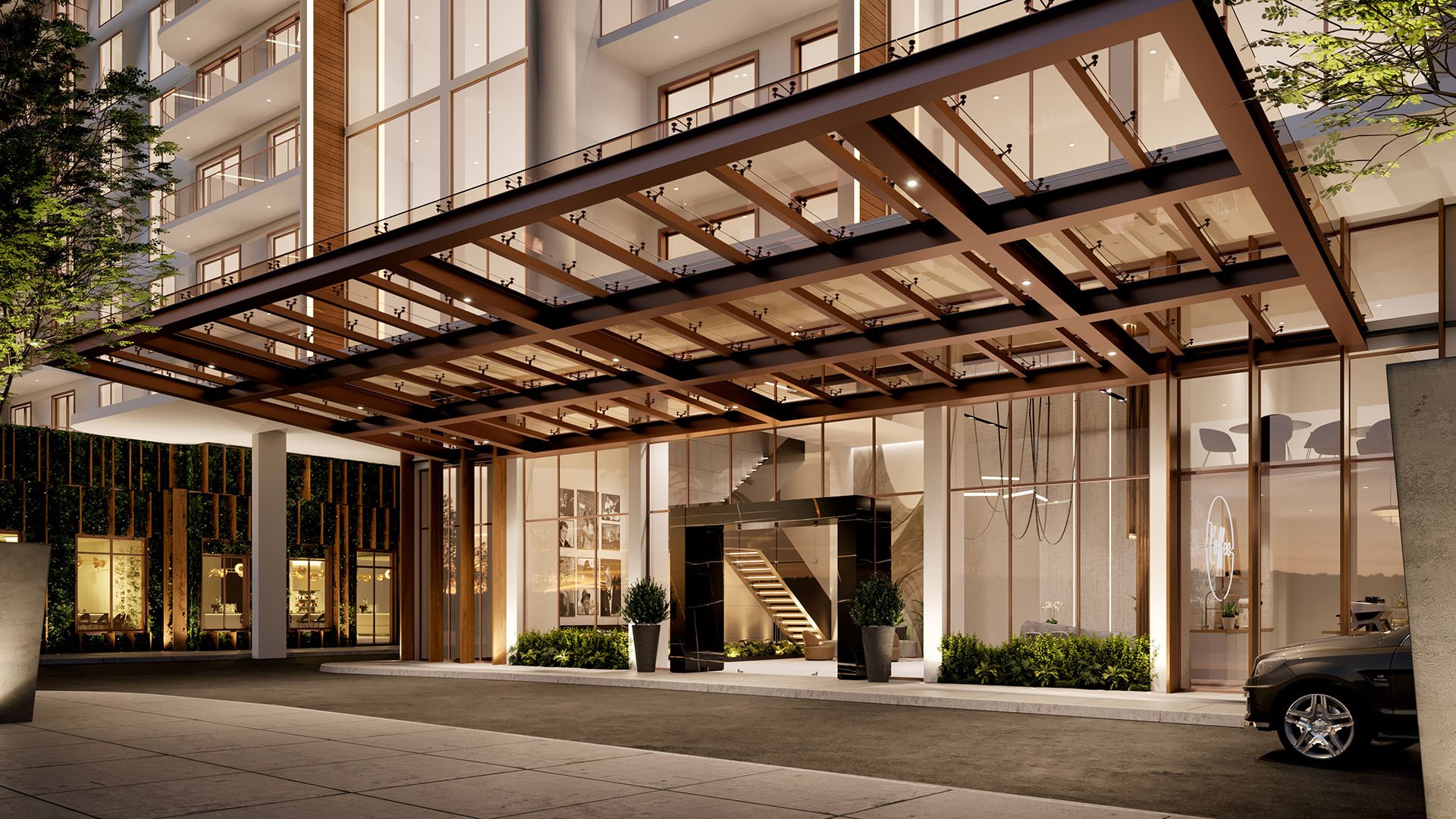
AI-enabled concierge service has become one of the more nuanced points of comparison for South Florida condominium buyers. The question is no longer simply whether a building offers an app, chatbot, smart access, package alerts, or predictive service requests. The more important measure is whether technology elevates the residential experience without making it feel automated, impersonal, or exposed.
In the luxury market, the best concierge service remains deeply human. AI should operate quietly in the background, helping staff remember preferences, manage requests, route maintenance, coordinate arrivals, and reduce friction. A buyer comparing new-construction and resale condominiums should evaluate the full service ecosystem: the people, the platform, the privacy standards, the building culture, and the way daily life actually unfolds.
For a Brickell owner moving between meetings, restaurants, airports, and home, speed matters. For a Miami Beach second-home buyer, discretion and remote coordination may matter more. For a Sunny Isles owner with family, drivers, domestic staff, and seasonal guests, access control and personalization can define the entire ownership experience.
A polished sales presentation can make every concierge platform sound sophisticated. The stronger comparison begins with your own lifestyle. Do you need the system to manage deliveries, restaurant requests, guest access, valet timing, housekeeping coordination, pet services, spa appointments, or maintenance follow-up? Do you expect the building to recognize recurring preferences, or do you prefer a lighter, privacy-first approach?
AI concierge is most valuable when it eliminates repetitive instructions. A resident should not need to explain the same arrival pattern, preferred vendor access, or service expectation every week. Yet the system should never feel intrusive. In the best buildings, technology anticipates needs while allowing the resident to remain in control.
Buyers should ask for live demonstrations rather than broad descriptions. A meaningful demonstration shows how a request is created, assigned, escalated, completed, and recorded. It should also reveal exactly where the human concierge steps in. If the handoff between software and staff is unclear, the promise may be stronger than the reality.
New-construction condominiums often have the advantage of being designed around modern residential technology from the outset. Access systems, resident apps, amenity reservations, package rooms, security layers, and service management can be planned as one environment rather than added later. This can create a more seamless experience, particularly in buildings where the developer has prioritized back-of-house operations as carefully as public spaces.
The caution is that a new building may not yet have an established service rhythm. A concierge platform can be impressive on opening day, but the true test is how it performs after residents arrive, service volume increases, and individual preferences multiply. Buyers should focus on staffing depth, response protocols, training, and the expected management structure.
It is also important to separate design theater from operational substance. A sleek lobby interface is not the same as a reliable service culture. Ask how requests are prioritized, how urgent issues are escalated, how resident data is protected, and whether the system can adapt as the building matures.
For investment-minded buyers, this matters because service consistency can influence retention, reputation, and the perceived quality of ownership over time. Technology may help a building feel current, but execution determines whether it feels truly premium.
Resale buildings offer a different advantage: you can observe how the residence already lives. The concierge team may know owners by name, understand seasonal patterns, and handle complex requests with practiced discretion. In many luxury buildings, that established human layer can be more valuable than an untested technology platform.
The challenge is that older systems may be uneven. A building might have exceptional staff but fragmented digital tools. Package tracking may work well, while guest access feels dated. Amenity reservations may be efficient, while maintenance follow-up depends heavily on individual employees. The question is not whether the building has the newest software. The question is whether the resident experience is smooth, secure, and accountable.
In a resale evaluation, spend time in the lobby. Watch how staff greet residents, manage vendors, handle visitors, and communicate with one another. Ask how the association has invested in upgrades and whether future technology improvements are planned through ordinary budgets, reserves, or special assessments. AI-enabled service should strengthen the existing culture, not replace it.
A well-run resale condominium can feel more refined than a new property still finding its operating cadence. For buyers who value discretion over novelty, that distinction is essential.
AI-enabled concierge services may collect preferences, access patterns, request history, vehicle information, guest permissions, vendor details, and communication records. In a luxury condominium, privacy is not a technical afterthought. It is part of the amenity package.
Buyers should ask what data is collected, who can see it, how long it is retained, and whether it is shared with outside vendors. The answers should be clear. Vague assurances are not enough. A refined building should be able to explain permissions, administrative access, resident controls, and deletion practices in plain language.
The most elegant systems are selective. They remember what improves service, but they do not make residents feel monitored. They offer convenience without creating a permanent record of every preference or movement. For high-profile owners, family offices, public figures, and buyers who simply value discretion, this may be the decisive factor.
AI can route a request, but it cannot fully understand tone, urgency, social nuance, or the expectations of a particular household. The best concierge teams use technology as a memory and coordination tool. They do not hide behind it.
When comparing buildings, ask who receives AI-generated requests, how quickly staff respond, and whether residents can bypass the platform when a conversation is more appropriate. A true luxury building should accommodate both: digital efficiency for routine needs and personal attention for sensitive ones.
Look closely at night coverage, weekend staffing, valet coordination, security communication, and manager availability. Many service failures happen outside the polished hours of a tour. If the technology works only when the right person is present, the system is not mature enough.
Buyers should also ask how new staff are trained. If concierge knowledge lives only in individual employees, turnover can disrupt service. If it lives only in software, the building can feel cold. The ideal balance is institutional memory supported by warm, capable people.
AI-enabled concierge service can affect operating costs. Software licensing, hardware, security integrations, training, support, upgrades, and staff time may all be reflected somewhere in the building’s budget. In a new-construction purchase, buyers should understand what is included at delivery and what may become an association expense later. In a resale purchase, buyers should review whether technology upgrades are already funded or still aspirational.
The most important question is value alignment. A costly system that residents barely use is not a luxury feature. A modest platform that helps staff deliver consistently may be far more effective. Ask whether residents can opt into certain features, whether guest and vendor tools are easy to use, and whether the system has a record of reliable adoption.
For second-home owners, remote capability may justify a premium. For full-time residents, daily service quality may matter more than app sophistication. For investment buyers, operational efficiency and owner satisfaction may be the stronger lens.
Before choosing between new construction and resale, buyers should request a service walkthrough. Test a guest arrival, a package notification, an amenity reservation, a maintenance request, and an after-hours question. Watch for response clarity, accountability, and the ease with which a human can intervene.
Ask how the platform handles multiple authorized users within a household. Confirm how domestic staff, drivers, family members, and short-term guests are credentialed. Review privacy policies, insurance implications for access systems, and the building’s rules for vendors. Most importantly, determine whether the concierge culture feels gracious or merely efficient.
Luxury service should not require residents to become system administrators. The resident experience should feel calm, intuitive, and personal. The technology should disappear into the background.
Is AI concierge more valuable in new construction than resale? Not always. New construction may offer cleaner integration, while resale may offer a proven service culture with selective technology.
What should I ask during a private tour? Ask to see a live request, a guest access flow, an amenity reservation, and the escalation process for urgent issues.
Can AI concierge replace traditional front-desk staff? In luxury buildings, it should not. The strongest systems support trained staff rather than substituting software for personal judgment.
How important is privacy when evaluating these systems? It is central. Buyers should understand what data is collected, who can access it, and how long it is retained.
Do resale condos with older technology automatically fall behind? No. A building with exceptional staff and clear procedures may outperform a newer building with untested systems.
Should second-home buyers prioritize remote features? Yes, especially if they need to manage arrivals, deliveries, maintenance, and guests while away from the residence.
Can AI concierge affect monthly fees? It can. Software, support, hardware, and training may appear in operating budgets or future association planning.
What is the biggest red flag? A vague explanation of how requests move from the app to a responsible person is a serious concern.
How should families compare concierge platforms? Families should focus on guest permissions, staff access, child and caregiver coordination, and secure communication.
What defines a truly luxury AI concierge experience? It feels discreet, human, secure, and effortless, with technology improving service without drawing attention to itself.
To compare the best-fit options with clarity, connect with MILLION.
If branded residences are on your mind — as a home or as an allocation — we would be glad to share what we are seeing, privately.
Begin a quiet conversation