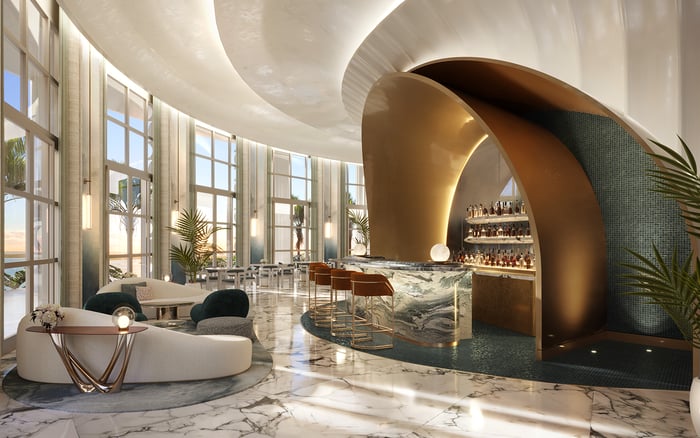
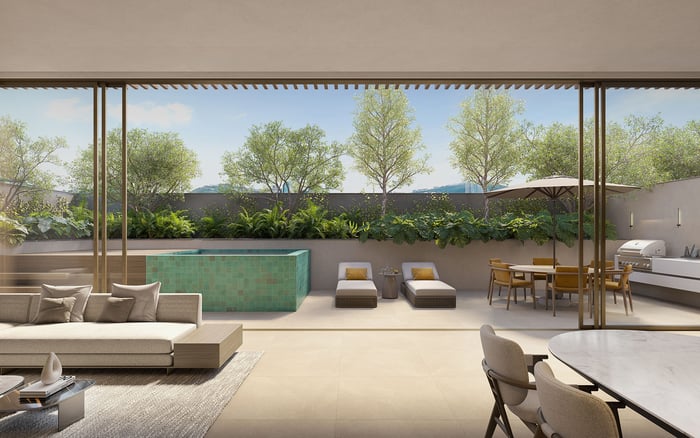
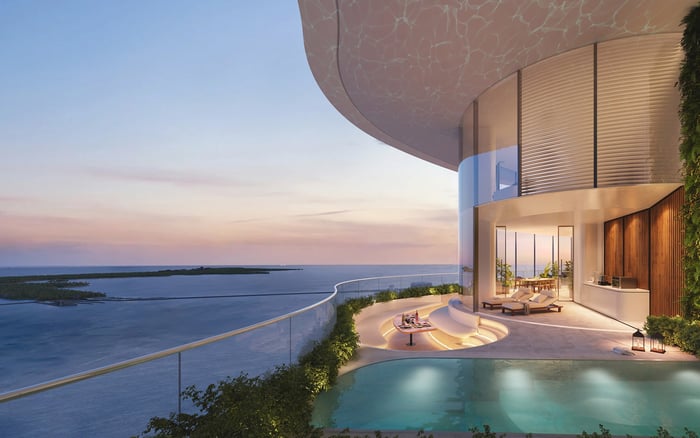
A buyer-focused look at why terrace wind deserves serious attention in South Florida luxury real estate, from daily comfort and entertaining to furniture, planting, privacy, and resale confidence.
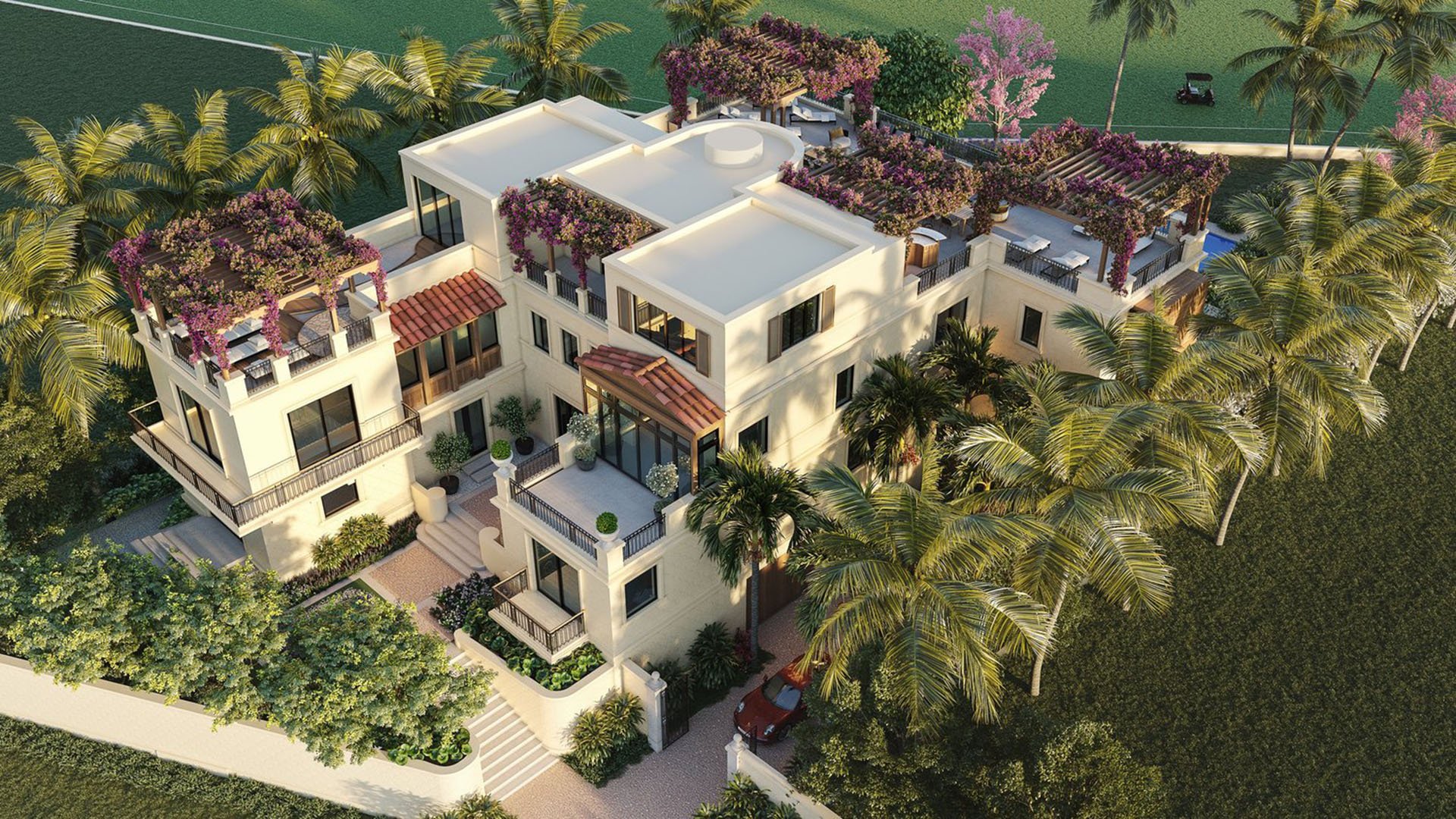
A great terrace is often described by what it sees: water, skyline, sunrise, sunset, garden, marina, or city lights. Yet the more useful question is what it feels like. In South Florida, terrace wind can determine whether an outdoor room becomes a daily ritual or a beautiful space admired from behind glass.
For the luxury buyer, this is not a minor technical detail. Wind affects dining, reading, planting, furniture selection, sound, privacy, and how often doors remain open. It can make a generous Terrace feel serene, or help a smaller Balcony perform beyond expectation. The practical luxury case for better terrace wind is simple: outdoor space has value only when it can be comfortably used.
The most sophisticated buyers evaluate wind with the same seriousness they bring to ceiling heights, floor plans, views, parking, and building services. A terrace is not just an amenity. It is part of the residence.
Square footage alone can mislead. Two terraces of similar size may live very differently depending on exposure, orientation, building massing, railing treatment, elevation, and neighboring structures. A terrace that looks dramatic in photography may feel too gusty for breakfast. Another, more protected outdoor space may become the preferred room in the home.
Practical luxury begins with repeatability. Can the terrace be used for coffee on a weekday morning? Can guests dine there without constantly adjusting napkins, glassware, and cushions? Can a child or pet move safely and calmly? Can plants survive without looking permanently wind-burned? These questions reveal more than any abstract promise of outdoor living.
Wind also changes the psychology of a residence. When terrace doors open easily and often, the home feels larger, fresher, and more connected to its setting. When the terrace is uncomfortable, the glass becomes a boundary rather than a threshold.
Height is often associated with prestige, but higher does not automatically mean better outdoor usability. Upper levels may gain view and privacy while becoming more exposed. Lower floors may sacrifice some panorama but benefit from nearby structures, landscaping, or podium elements that temper wind. The most desirable outcome is balance: enough elevation for outlook, enough protection for daily living.
Corner residences deserve particular attention. They often deliver exceptional light and cross-views, but corners can accelerate airflow. This does not make them undesirable. It simply means the buyer should step outside, stay outside, and observe how the terrace behaves rather than judging it from the interior.
In Brickell, where towers, waterways, and dense urban corridors interact, a terrace can feel different from one stack to the next. The same principle applies in Oceanfront settings, where exposure may be part of the appeal but should still be understood in practical terms. A graceful view is most valuable when the outdoor room remains habitable.
Terrace wind is shaped by design. Glass railings, parapets, side walls, deep overhangs, setbacks, columns, planters, screens, and furniture placement all influence comfort. Some elements protect without blocking views. Others create turbulence if poorly considered. A luxury terrace should be judged as a composition, not as a slab with a railing.
Furniture is part of that performance. Lightweight pieces may look elegant but behave nervously in exposed conditions. Deeper seating, lower profiles, heavier bases, and integrated cushions can make the space calmer and more dignified. Dining tables benefit from proportion and weight. Umbrellas, if used at all, require particular scrutiny in wind-prone locations.
Planting can also help, but it should not be treated as a cure-all. Tall, fragile greenery may struggle in constant exposure. Better terrace landscapes use appropriate containers, wind-tolerant species, and layered placement to define outdoor zones while maintaining circulation and view corridors.
Luxury entertaining is rarely about spectacle alone. It is about ease. A terrace dinner should not feel like a negotiation with the weather. Better wind behavior allows hosts to set a table, light candles where appropriate, serve food comfortably, and let conversation unfold without distraction.
The same principle applies to quieter forms of living. Morning stretching, an afternoon call, an evening drink, or a weekend lunch all require a baseline of calm. When wind is moderate and predictable, the terrace becomes flexible. It can shift from private retreat to social setting without elaborate preparation.
This is where practical luxury becomes visible. The home does not ask the owner to work around it. It supports the way the owner actually lives.
Buyers remember how a residence feels. During showings, a terrace that welcomes people outside creates an immediate emotional advantage. Visitors linger, imagine furniture, discuss meals, and look back toward the interior with a sense of expanded living. A windy terrace can shorten that moment.
This does not mean every calm terrace is superior to every exposed one. Some buyers prioritize dramatic height, broad horizon, and kinetic atmosphere. But at the upper end of the market, usability tends to age well. A protected outdoor room can appeal to a wider range of owners, including those who entertain frequently, live seasonally, have family visiting, or want a quieter daily routine.
For a Penthouse, wind analysis becomes even more important because expectations are higher. The buyer is not merely paying for altitude. The buyer is paying for a complete living experience, including outdoor space that can be enjoyed without compromise.
A serious showing should include time outside. Step onto the terrace and remain there for several minutes. Notice whether the wind is steady or gusting. Observe how it behaves near corners, doors, railings, and seating zones. If possible, visit at different times of day, since conditions may change with temperature, building shadows, and broader weather patterns.
Open and close terrace doors. Listen for whistling, rattling, or pressure changes. Stand where a dining table would go, then where lounge seating might sit. If there is a Pool deck, garden level, or amenity terrace in the building, compare how those spaces feel. The contrast can reveal how form, elevation, and exposure are shaping comfort.
Ask practical questions about allowable screens, planters, furniture, and modifications. Building rules matter. A buyer may have design intentions that require approval, and the most elegant solution is always the one that fits both the residence and the building’s standards.
Better terrace wind is not about eliminating nature. South Florida’s appeal is inseparable from breeze, light, salt air, and open horizons. The point is refinement. The best luxury residences frame the elements rather than surrendering to them.
A terrace with good wind behavior gives owners more days outside, more confidence when entertaining, and more freedom in design. It makes the residence feel generous in practice, not just in plan. For discerning buyers, that is the practical luxury case: beauty that performs.
Why does terrace wind matter in luxury real estate? It determines how often outdoor space can be used comfortably. A terrace with calmer conditions can feel like a true extension of the residence.
Is a higher floor always windier? Not always, but height can increase exposure. Building form, orientation, and nearby structures also shape the experience.
Can a Balcony be more usable than a larger terrace? Yes. A smaller Balcony with better protection may be more comfortable than a larger, more exposed outdoor area.
What should buyers do during a showing? Spend meaningful time outside, stand in several zones, and observe whether the wind is steady, gusting, or concentrated at corners.
Do glass railings reduce wind? They may influence airflow, but their effect depends on design, height, gaps, and the broader building geometry.
Is wind more important for Oceanfront residences? It is especially relevant because exposure is often part of the setting. The goal is to enjoy the view without sacrificing daily comfort.
Can furniture help manage wind? Yes. Heavier, lower-profile pieces and thoughtful placement can make an outdoor room feel more settled.
Should buyers ask about terrace rules? Yes. Screens, planters, furnishings, and attachments may be governed by building standards or approval processes.
Does terrace wind affect resale? It can. Buyers tend to respond strongly to outdoor spaces that feel comfortable, usable, and easy to imagine living in.
What is the ideal terrace condition? The ideal is not stillness, but balance: enough breeze for freshness and enough protection for comfort.
To compare the best-fit options with clarity, connect with MILLION.
If branded residences are on your mind — as a home or as an allocation — we would be glad to share what we are seeing, privately.
Begin a quiet conversation