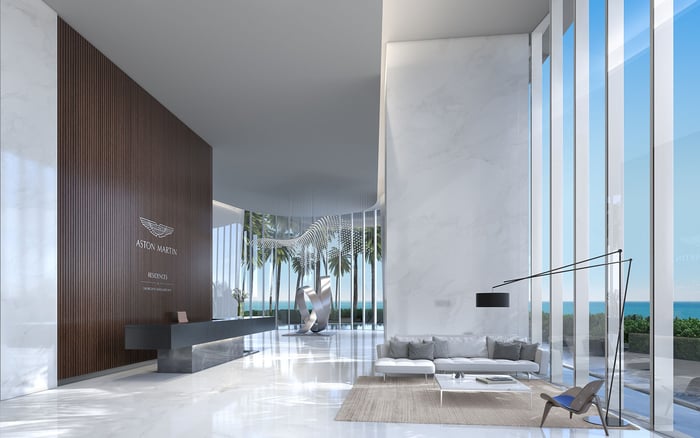
Delano Residences & Hotel Miami sits within a broader South Florida shift in which luxury buyers are weighing privacy, hospitality fluency, branded identity, and day-to-day service as carefully as views or finishes.
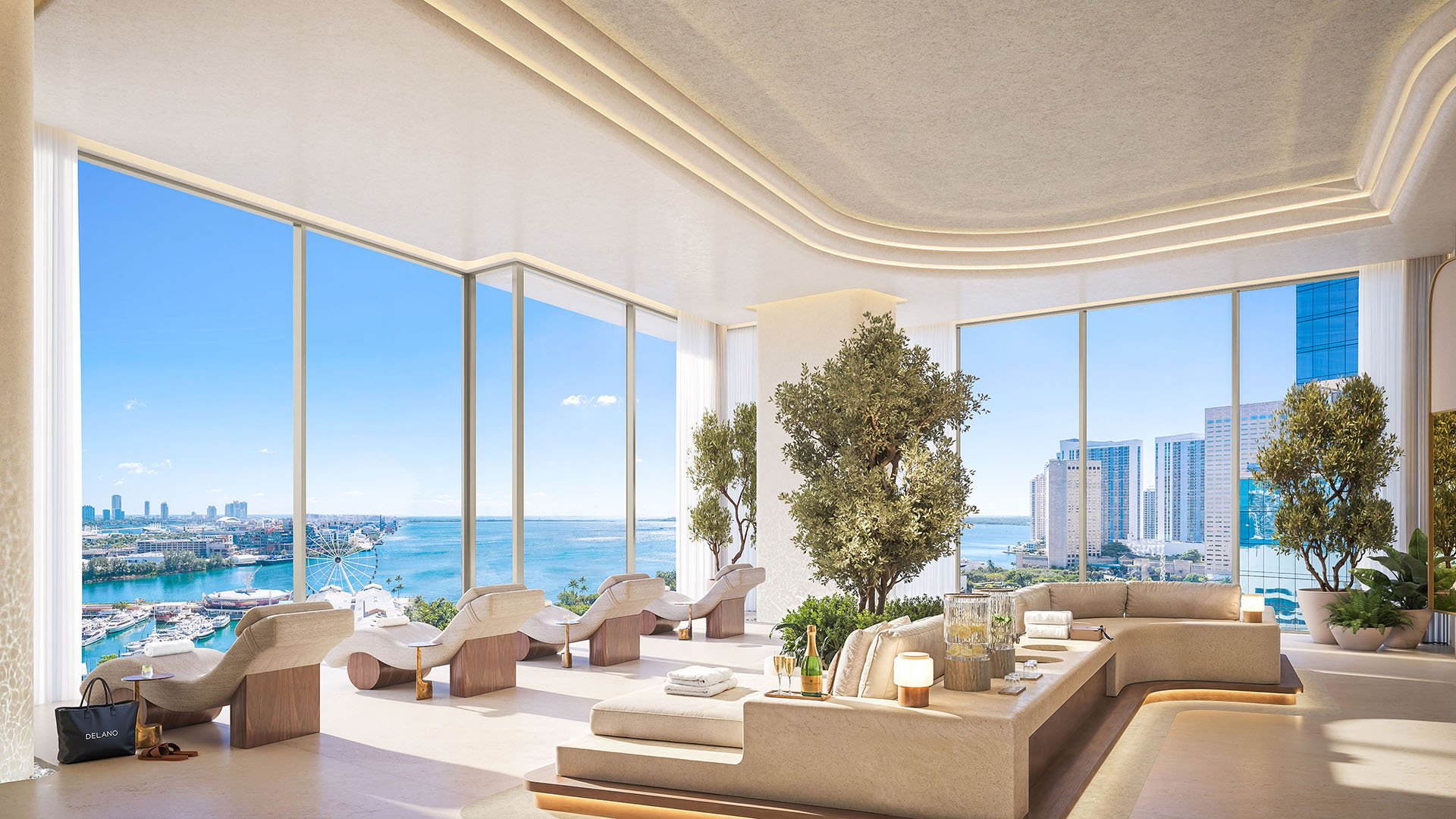
South Florida luxury has moved beyond the visible markers of arrival. A dramatic lobby, a pool with cinematic views, and a recognizable design language still matter, but the most sophisticated buyers now look for something quieter: whether a residence can anticipate daily life before it becomes logistical.
That is where private residential service has become central. The conversation is no longer simply about a branded tower or a resort-style amenity deck. It is about the choreography behind the residence, from arrival and privacy to housekeeping coordination, dining access, wellness routines, guest handling, and the everyday discretion that lets an owner move through the building without friction.
In this context, Delano Residences & Hotel Miami is best understood as part of a broader South Florida revaluation of service. Its name places hospitality in the foreground, but the more important buyer question is subtler: how does a hotel-inflected residential environment preserve the intimacy, priority, and control expected in a private home?
Delano carries a hospitality association that gives buyers an immediate reference point. In South Florida, that matters because many ultra-prime purchasers are not buying only square footage. They are buying time, predictability, and the ability to host, work, recover, and travel without resetting their lives each time they arrive.
The appeal of a hotel-residence concept is not simply that service exists. Service exists in many buildings. The question is whether it feels residential rather than performative. A polished staff interaction is useful; a staff culture that understands preference, sequence, and discretion is far more valuable. The difference is felt at the porte cochere, in elevator privacy, in the way guests are received, and in how quietly recurring needs are handled.
Delano also arrives as buyers are becoming more fluent in the distinction between amenities and service. Amenities are spaces. Service is behavior. A spa suite, lounge, terrace, or dining room can photograph beautifully, but the lasting value lies in whether those spaces operate with consistency. That is why the private-service conversation is increasingly a matter of due diligence, not marketing.
Across Downtown and Brickell, luxury development has become a study in vertical lifestyle design. Buyers compare not only architecture and views, but also whether a building can function like a private club, a hotel, a pied-a-terre, and a primary residence without confusing those roles.
In Brickell, Baccarat Residences Brickell represents the kind of branded residential environment where identity, ritual, and service language are part of the buyer’s evaluation. Nearby, 888 Brickell by Dolce & Gabbana brings fashion-house sensibility into the same discussion, reminding buyers that brand alone is not the finish line. The real question is whether the daily experience remains elegant after the first impression fades.
Miami Beach approaches private service differently. There, the priority is often less about urban convenience and more about controlled retreat. Shore Club Private Collections Miami Beach fits into a coastal service conversation where privacy, beach access, entertaining, and owner calm are central to perceived value.
Farther north, the same theme appears in resort-led enclaves. Four Seasons Hotel & Private Residences Fort Lauderdale shows how the hotel and private-residence model can speak to buyers seeking a familiar standard of care in a less compressed coastal setting.
This is the landscape in which Delano must be read. The market is not asking whether branded service is attractive. It is asking which buildings can make service feel personal, private, and durable across seasons. For some buyers, the Downtown setting will be compelling because it connects cultural access, arrival convenience, and a more metropolitan rhythm. For others, the comparison will extend to beachfront, island, or low-density alternatives.
The first issue is separation. In any residence connected to hospitality, buyers should understand how residential privacy is protected. Dedicated arrival patterns, elevator protocols, owner-only spaces, and the feel of common areas all influence whether the property reads as a private home or a public destination.
The second issue is staffing philosophy. Luxury buyers should ask how service is trained, how preferences are remembered, and how requests move between residential and hospitality teams. The best buildings make these exchanges nearly invisible. The least successful ones make owners feel as if they are managing the system themselves.
The third issue is lifestyle fit. A condo-hotel framework can appeal to one buyer and feel too active for another. New-construction buyers should be especially clear about whether they want energy, access, and hospitality momentum, or a quieter boutique environment with fewer moving parts.
Finally, buyers should consider long-term coherence. A building’s service promise should match its architecture, location, ownership culture, and brand identity. When those elements align, private residential service becomes more than convenience. It becomes a form of asset quality because it shapes how owners live in the property and how future buyers understand its place in the market.
Why is private residential service important in South Florida luxury real estate? It helps convert a high-end residence into a low-friction lifestyle, especially for owners who travel often, host frequently, or split time between homes.
How does Delano Residences & Hotel Miami fit this trend? Delano fits the conversation because its hotel-residence identity places hospitality, privacy, and daily service at the center of the buyer evaluation.
Is branded service the same as private service? Not always. Branded service provides a recognizable standard, while private service depends on how discreetly and consistently that standard is delivered to residents.
What should buyers compare between Delano and Brickell residences? Buyers should compare privacy, arrival experience, residence-only access, staff culture, and how the building balances energy with residential calm.
Does a hotel component make a residence feel less private? It depends on design and operations. Strong separation between hotel activity and resident life can preserve a highly private residential experience.
Who is most likely to value this type of service model? It often appeals to global buyers, frequent travelers, second-home owners, and residents who want hospitality support without sacrificing ownership control.
How should buyers think about Downtown versus Miami Beach? Downtown often emphasizes urban access and connectivity, while Miami Beach tends to emphasize retreat, coastal leisure, and a softer daily rhythm.
Are amenities or service more important? Amenities create the setting, but service determines how well that setting performs over time. The strongest residences usually align both.
What is the biggest due-diligence question for a hotel-residence buyer? The key question is whether the residence feels private during daily use, not only during a sales presentation or initial tour.
Can private service influence resale appeal? Yes, when service is consistent and well integrated, it can strengthen how future buyers perceive convenience, prestige, and livability.
For a confidential assessment and a building-by-building shortlist, connect with MILLION.
If branded residences are on your mind — as a home or as an allocation — we would be glad to share what we are seeing, privately.
Begin a quiet conversation