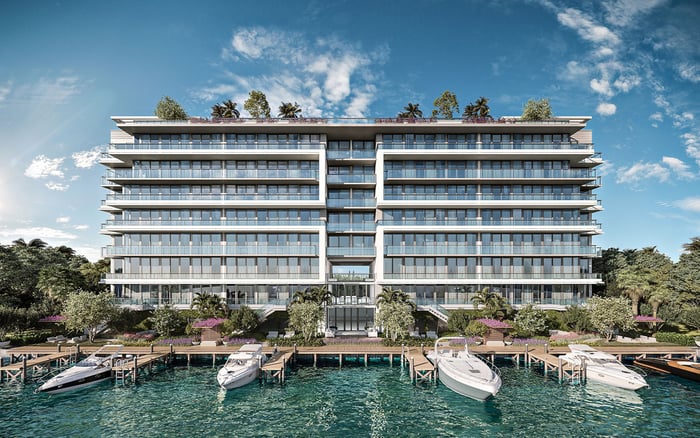
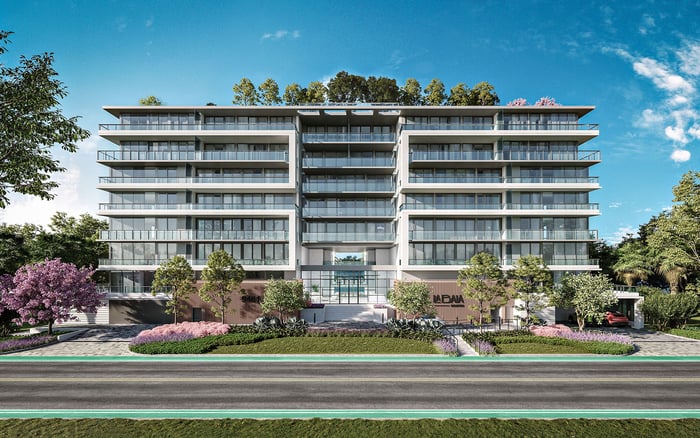
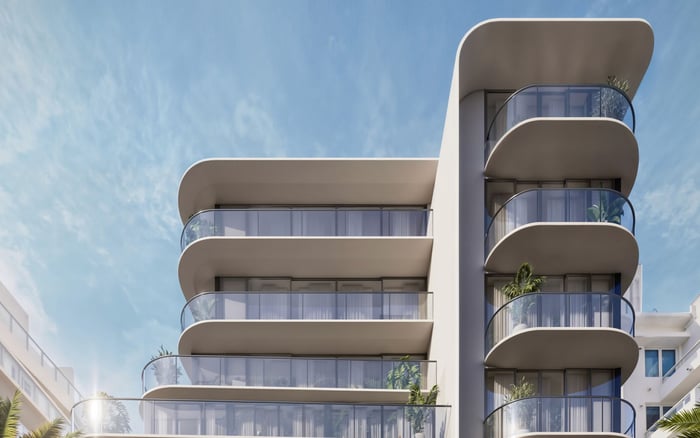
A buyer-oriented look at boating realities in Bay Harbor Islands and North Bay Harbor Islands, focusing on draft, bridge clearances, slips, and marina governance when comparing La Baia North and Onda.
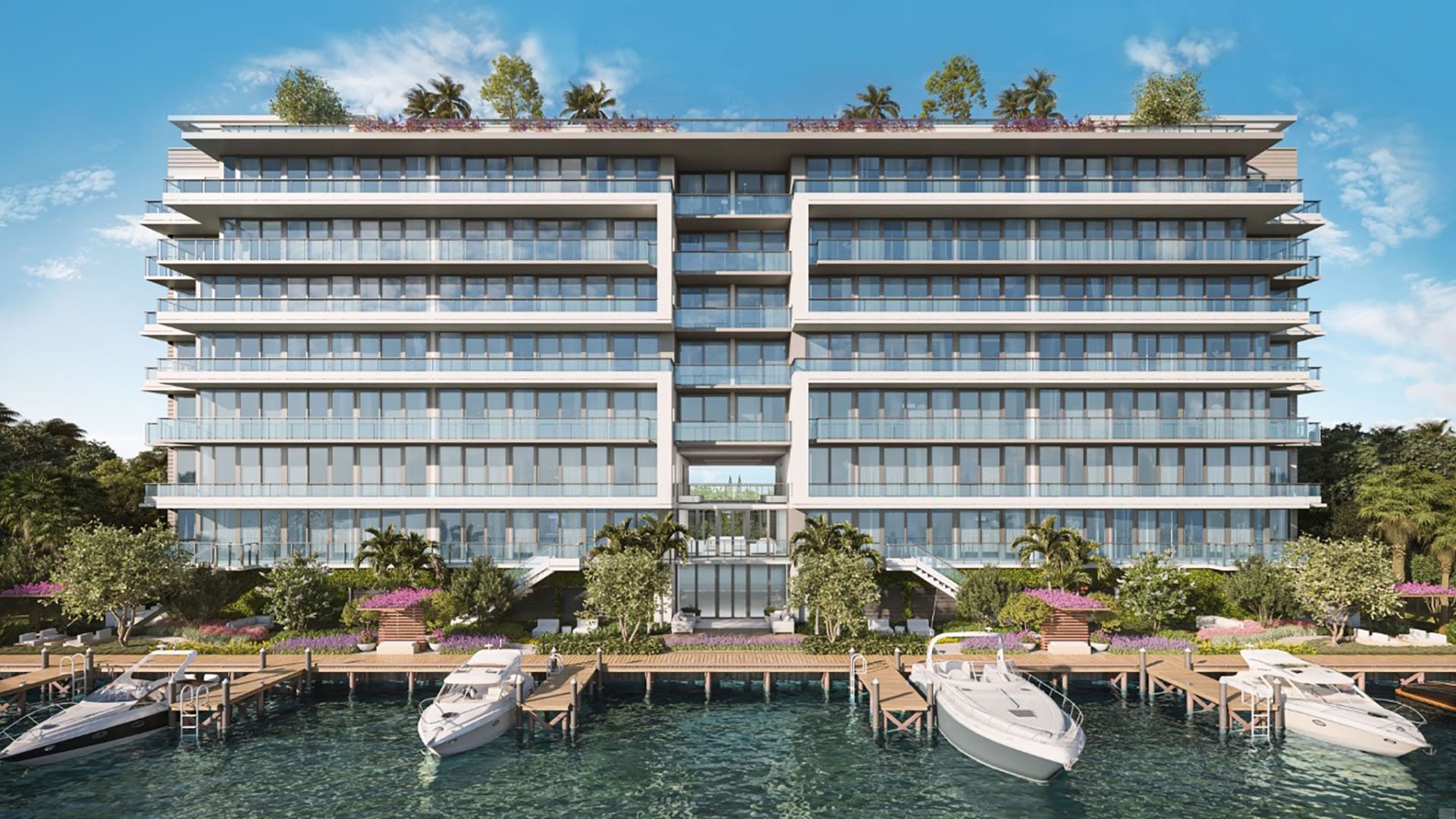
For waterfront buyers in Bay Harbor Islands and North Bay Harbor Islands, “deep water” is an appealing phrase-but it is not a complete specification. Draft capability is a moving target shaped by tide, seasonal silting, local speed restrictions, bridge clearances, and the real-world geometry of a fairway turn when you are coming back at dusk with a crosswind.
The real differentiator between two luxury residences with access to the same bay is often governance. A marina can be physically capable of handling a certain vessel, yet operationally unwilling to accommodate it due to lift limits, insurance thresholds, fueling policies, guest rules, or quiet-hours enforcement. That is why comparing La Baia North Bay Harbor Islands and Onda Bay Harbor is best treated as a rules-and-routine exercise-not a single number on a listing sheet.
This MILLION Luxury editorial is written for buyers who already know their boat, or know they want one, and want to avoid one of the costliest mistakes in South Florida boating: purchasing a residence that is “yacht-friendly” in marketing, but restrictive in practice.
Draft is the vertical distance between the waterline and the lowest point of a vessel. On paper, it reads like a definitive metric. In real ownership, you underwrite the variability.
Start with your baseline operating draft, then add margin for real life: loading, fuel, water, tender weight, and the way a vessel settles when backing into a slip. From there, the questions become location-specific.
Key access items to verify during due diligence include:
Even if a basin was dredged in the past, usable depth depends on ongoing maintenance and whether the local bottom tends to shift.
If your comfort window relies on a particular tide stage, your boating schedule tightens-especially for early departures and late returns.
Air draft can quietly become the gating issue for vessels with tall superstructures, hardtops, or certain antenna arrays. A “deep” route does not help if a bridge is the hard stop.
In a highly residential area, speed enforcement and wake sensitivity can be the difference between a quick bay run and a slow procession.
On-site maneuvering matters as much as getting there. A vessel that technically fits can still be stressful to dock if fairways run tight.
If you are comparing buildings, do not treat a generic line like “boat slips available” as a substitute for a route-level reality check. Walk the marina at different times of day. Watch how larger vessels enter and exit. The marina tells the truth when it is busy.
Luxury buyers often focus on the physical slip, yet the most material constraints are frequently administrative. Marina rules are the social contract of a waterfront property: they dictate what you can do, when you can do it, and what liability you assume.
Consider these rule categories as non-negotiable review items:
Is the slip deeded, appurtenant to the unit, leased from the association, or licensed by a separate marina operator? The answer affects resale value, financing, and whether the slip transfers with the residence.
Some marinas enforce LOA limits strictly. Others manage by imposing overhang rules that can restrict swim platforms, bow pulpits, or tenders.
Lift limits can cap a vessel you may plan to upgrade into. Davit rules can constrain tenders and personal watercraft.
You may be required to carry higher liability limits, name the association as additional insured, or provide annual certificates by strict deadlines.
Some properties prohibit fueling, oil changes, hull work, or even certain cleaning chemicals on site. If you prefer hands-on ownership, this is decisive.
Even if you never plan to live aboard, your captain may want to remain onboard overnight ahead of an early offshore run. Charter rules also matter if you expect to offset costs.
Guest day-slips, tender tie-ups, and pickup rules often determine whether entertaining feels effortless-or awkward.
These categories can differ meaningfully between luxury communities, even within the same neighborhood. For buyers weighing La Baia North Bay Harbor Islands against Onda Bay Harbor, the decisive factor is usually which governance model matches your boating lifestyle: high-control and uniformity, or flexibility with clearer personal responsibility.
La Baia North is positioned for buyers who want Bay Harbor Islands proximity with a modern condo experience. From a boating standpoint, the disciplined approach is to treat the waterfront as an amenity with operational constraints-constraints that deserve the same close read as the bylaws.
For many owners, the best-case scenario is straightforward: a slip that is genuinely usable, paired with predictable policies and a clean pathway from residence to vessel. The risk scenario is just as clear: a mismatch between your vessel plan and the association’s tolerance for size, servicing, or guest activity.
When underwriting La Baia North for boating, focus on three buyer questions:
If slips are limited and demand is high, the slip can become a premium within a premium.
Some communities enforce visual and noise standards that will feel either elegant or restrictive, depending on your habits.
Rules on paper matter less than rules in practice. Building culture-and whether management is consistent-defines day-to-day ownership.
If you are also comparing Bay Harbor alternatives nearby, it can help to sanity-check against a different product category, such as a wellness-forward residential concept like The Well Bay Harbor Islands, where quiet enjoyment standards can influence how marine activity is perceived.
Onda Bay Harbor is often evaluated by buyers drawn to contemporary design and a boutique feel. For boating, boutique can be a double-edged proposition: fewer units can mean a more curated environment, but it can also mean fewer total slips and more concentrated competition for the “best” positions.
Your diligence should prioritize how the marina experience integrates with resident life:
From water to elevator, confirm whether access is seamless or requires operational workarounds.
Boutique buildings sometimes have dock areas that feel more visible to passersby, depending on layout and shoreline.
Some properties prefer a calm dock culture with limited loading and minimal dockside staging. If you plan to outfit for offshore runs, you will want clarity on what is acceptable.
If your goal is frequent bay cruising rather than offshore fishing, the cleanest win is predictability: clear rules, consistent enforcement, and a marina layout that makes docking low-drama. Onda can suit that buyer profile when marina governance aligns with how you actually use a boat.
A sophisticated buyer compares not only two buildings, but the broader micro-market. In Bay Harbor Islands, the best boat-friendly “fit” can change depending on whether you prioritize slip access, walkability, or building culture.
For example, some buyers cross-shop newer product like Origin Bay Harbor Islands for its overall lifestyle positioning, then decide whether boating is primary, secondary, or occasional. If boating is primary, the marina becomes a core asset-and should be evaluated with the same rigor as a penthouse terrace.
Equally, buyers considering more established inventory such as Bay Harbor Towers sometimes find that older buildings offer different dock cultures or legacy arrangements, which may or may not be advantageous. The point is not that one category is better. The point is that the “rules layer” varies widely across the neighborhood.
To keep the process clean and decisive, treat boating diligence like a mini acquisition.
Obtain marina rules, association bylaws that touch marine activity, and any separate slip agreements. Look for language around assignment, transfer, fees, enforcement, and liability.
Speak with on-site management about how rules are applied in practice: guest policies, after-hours access, storm procedures, and vendor restrictions.
If possible, arrive by boat with someone who docks professionally. A marina that looks generous on a diagram can feel tight when you are turning in.
Many buyers upgrade after moving. Underwrite the slip for a realistic future LOA and operating style.
The goal is to purchase a residence that makes boating feel inevitable-not negotiated.
What does “deep-water” mean in Bay Harbor Islands listings? It typically signals navigable bay access, but it does not guarantee a specific depth at every tide stage.
Is draft the main limitation for waterfront condos? Not always. Bridge clearance, fairway width, and marina policies can be more restrictive than depth.
Can a condo association restrict the type of boat I keep? Yes. Many associations limit vessel size, noise, servicing, and even guest use at the docks.
Are slips usually deeded with the residence? It varies. Some are deeded, while others are assigned or leased, which changes value and transfer rights.
Do marina rules typically allow fueling or maintenance at the dock? Often they limit or prohibit fueling and mechanical work; confirm what is permitted before buying.
Can I keep a tender or jet ski alongside my boat? Possibly, but davit and tie-up rules differ by property and can be strictly enforced.
Do insurance requirements differ for waterfront condos with marinas? Frequently yes. You may need higher liability limits and to name the association on your policy.
How should I evaluate marina “culture” during a showing? Visit at peak times and observe docking behavior, noise levels, and how staff interacts with owners.
Is it realistic to plan offshore boating from this area? It can be, but your time-to-inlet and comfort with local transit rules should match your routine.
What is the cleanest way to compare La Baia North and Onda for boating? Review marina documents, then test access on the water; the best choice is the one with rules you can live with.
When you're ready to tour or underwrite the options, connect with MILLION Luxury.
If branded residences are on your mind — as a home or as an allocation — we would be glad to share what we are seeing, privately.
Begin a quiet conversation