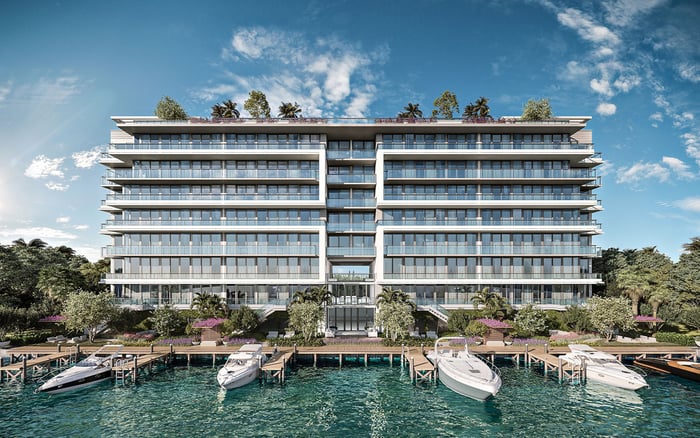
A practical buyer’s guide to evaluating Alma Bay Harbor Islands through the realities of boating-day departure, from slip fit and dock access to rules, staffing, route timing, and storm protocols.
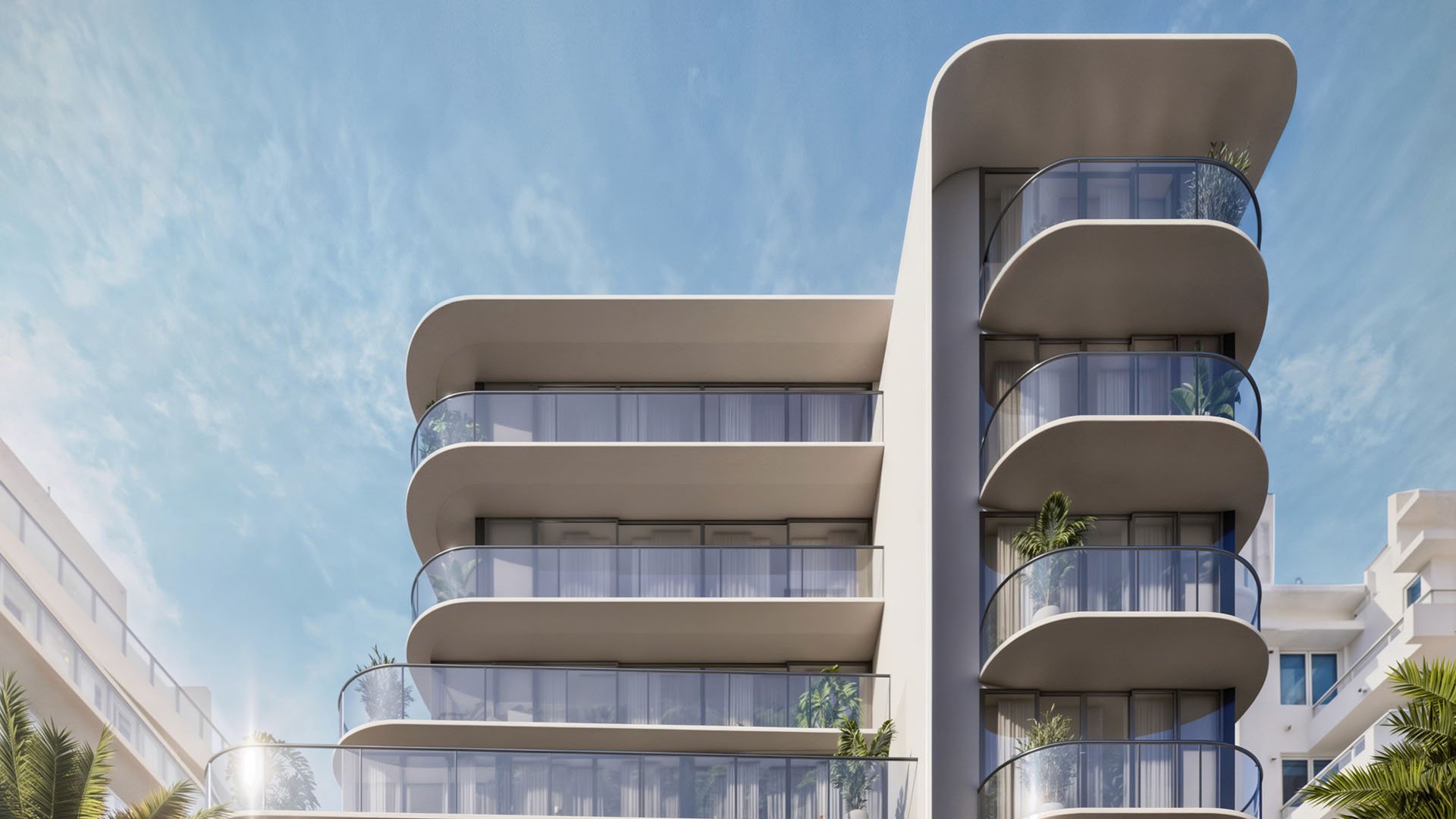
At a waterfront address, the romance is immediate: light on the bay, a vessel waiting below, and the promise of leaving home by water. For buyers considering Alma Bay Harbor Islands, the sharper question is not whether the lifestyle sounds appealing. It is whether the boating day works in practice, from the first bag carried to the dock to the moment the boat reaches open water.
That distinction matters. Boating access should be evaluated as a sequence, not a slogan. A polished residence can still be mismatched with a particular vessel, captain routine, family rhythm, or weekend departure pattern. Before a contract commitment, buyers should diligence the true path from residence to slip, slip to channel, channel to bay, and bay to the chosen destination.
In a Bay Harbor search, terms like boat slip, marina, waterview, and new construction should not be treated as decorative labels. Each carries operational questions that can shape daily convenience, ownership satisfaction, and the way a residence actually lives.
The first exercise is personal and specific: identify the vessel the property must serve. Buyers should confirm whether the waterfront setup matches their intended boat type, draft, beam, height, and frequency of use. A casual runabout, a center console used for offshore fishing, and a larger yacht each ask different things of a dock environment.
Ask whether the assigned or available slip offers sufficient dimensions, turning room, fendering, power, water, and safe boarding access. Boarding is especially important for families, guests, pets, and crew. A dock that photographs beautifully may still feel awkward if boarding happens at the wrong angle, if gear handling is tight, or if tidal conditions complicate the routine.
The better question is not simply, “Is there boating?” It is, “Does this precise waterfront program match the way I actually boat?”
Departure planning should include a clear understanding of how long it takes to move from dock to open water under normal conditions and during peak boating traffic. Buyers should ask about dock access, channel depth, bridge constraints, no-wake zones, inlet choice, and how those variables change on weekends and holidays.
This is where a qualified captain or marine surveyor becomes invaluable. Rather than reviewing the route in theory, ask that professional to test the likely departure at the times you expect to use the boat. A Thursday morning departure and a holiday-weekend launch can feel like two different experiences. The goal is not to eliminate friction entirely. It is to understand whether the friction is acceptable for your habits.
For buyers comparing Alma with nearby waterfront options such as La Baia North Bay Harbor Islands, the same practical test applies. The relevant measure is not only how close the water appears, but how naturally the boating day unfolds.
A waterfront residence is governed not only by physical conditions, but by rules. Buyers should ask whether the association or project rules restrict boat size, overnight dockage, fueling, commercial crew access, guest boarding, or charter activity. These details can determine whether the property suits private family use, frequent entertaining, captain-managed ownership, or occasional day trips.
Rules are also where assumptions often become expensive. A buyer may picture a vessel always waiting at the dock, guests stepping aboard before dinner, or a captain arriving early to prepare the boat. Those routines should be confirmed in writing. If crew access, provisioning, cleaning, maintenance coordination, or guest boarding are important, they belong in the diligence file before commitment.
At a boutique waterfront address, discretion is part of the appeal. But discretion should not be confused with ambiguity. The best ownership experience is one in which expectations, permissions, and responsibilities are clear from the beginning.
A successful boating day begins long before the engines start. Lines may need handling, coolers and provisions may need delivery, the vessel may need cleaning, and a captain may need coordinated access. Buyers should clarify whether staffing is available for lines, provisioning, cleaning, maintenance coordination, captain access, and storm preparation.
This is especially relevant for owners who split time between residences or use the boat irregularly. If the vessel is not in weekly use, readiness becomes more important. Who notices a maintenance issue? Who coordinates service? Who confirms the boat is prepared before guests arrive? These are not glamorous questions, but they often determine whether boating remains effortless or becomes another management burden.
Buyers evaluating Onda Bay Harbor and Origin Bay Harbor Islands alongside Alma should use the same standard: the value of waterfront living rises when the operational layer is thoughtfully resolved.
In South Florida, hurricane and tropical-storm planning is not a footnote. Vessel owners should ask how storm protocols are handled, including whether boats may remain docked and who is responsible for securing them. The answer can affect insurance conversations, captain planning, seasonal use, and peace of mind.
Buyers should understand whether the association has formal procedures, what notice is given, how responsibilities are assigned, and whether staff can assist with preparation. If a boat must be relocated, that expectation should be known in advance. If it may remain docked, the securing process and owner responsibility should be equally clear.
Storm planning is part of the larger definition of service. Luxury is not merely what happens on the blue-sky day. It is how predictably the property functions when conditions become complicated.
Alma’s waterfront appeal should be measured against the buyer’s real boating profile. Is the intent casual bay cruising, offshore fishing, day trips, restaurant runs, or larger-yacht logistics? Each use pattern has a different tolerance for route timing, crew involvement, gear storage, guest boarding, and weather windows.
A buyer who wants spontaneous sunset cruises may prioritize ease of boarding and quick departure. A family planning full-day outings may care more about provisioning and guest comfort. A serious angler may focus on inlet choice, traffic, and early-morning access. A yacht owner may need a more formal operating rhythm, with crew coordination and precise slip suitability.
Nearby Bay Harbor Islands properties, including The Well Bay Harbor Islands, may appeal to buyers for different reasons, from wellness positioning to design language. But for any waterfront-driven purchase, the central question remains the same: does the marketed lifestyle align with the buyer’s actual boating habits?
What should Alma Bay Harbor Islands buyers ask first about boating? Start by asking whether the waterfront setup fits the exact vessel you intend to use, including draft, beam, height, and frequency of use.
Why is departure timing so important? The ownership experience depends on how long it takes to move from dock to open water during both normal periods and peak boating traffic.
Should a buyer test the route before contract commitment? Yes. A captain or marine surveyor should evaluate the likely route at the times the buyer expects to use the boat.
What slip details matter most? Buyers should review slip dimensions, turning room, fendering, power, water, and safe boarding access for their specific vessel.
Can association rules affect boating use? Yes. Rules may address boat size, overnight dockage, fueling, crew access, guest boarding, or charter activity.
Is staffing part of the boating decision? It should be. Lines, provisioning, cleaning, maintenance coordination, captain access, and storm preparation can all affect convenience.
What should owners ask about storm protocols? Ask whether boats may remain docked, who secures them, what procedures apply, and what responsibilities remain with the owner.
Does Alma suit every type of boater? The right fit depends on whether the boating program supports casual cruising, fishing, day trips, restaurant runs, or larger-yacht logistics.
How should buyers compare Alma with other Bay Harbor Islands projects? Compare the complete departure sequence, not just the view, the dock image, or the promise of waterfront living.
What is the most important buyer question? Ask whether the property’s waterfront lifestyle matches your real habits rather than a generic image of luxury boating.
To compare the best-fit options with clarity, connect with MILLION.
If branded residences are on your mind — as a home or as an allocation — we would be glad to share what we are seeing, privately.
Begin a quiet conversation