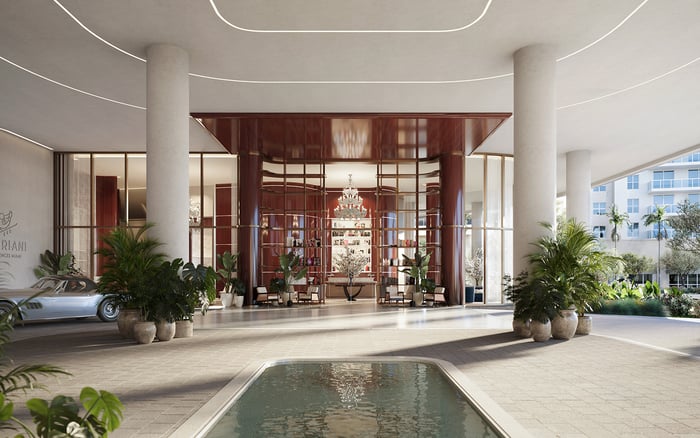
A buyer-focused look at the tradeoff between deep terraces and climate-controlled interiors for Brickell Key residences, with practical guidance on comfort, lifestyle, and long-term usability.
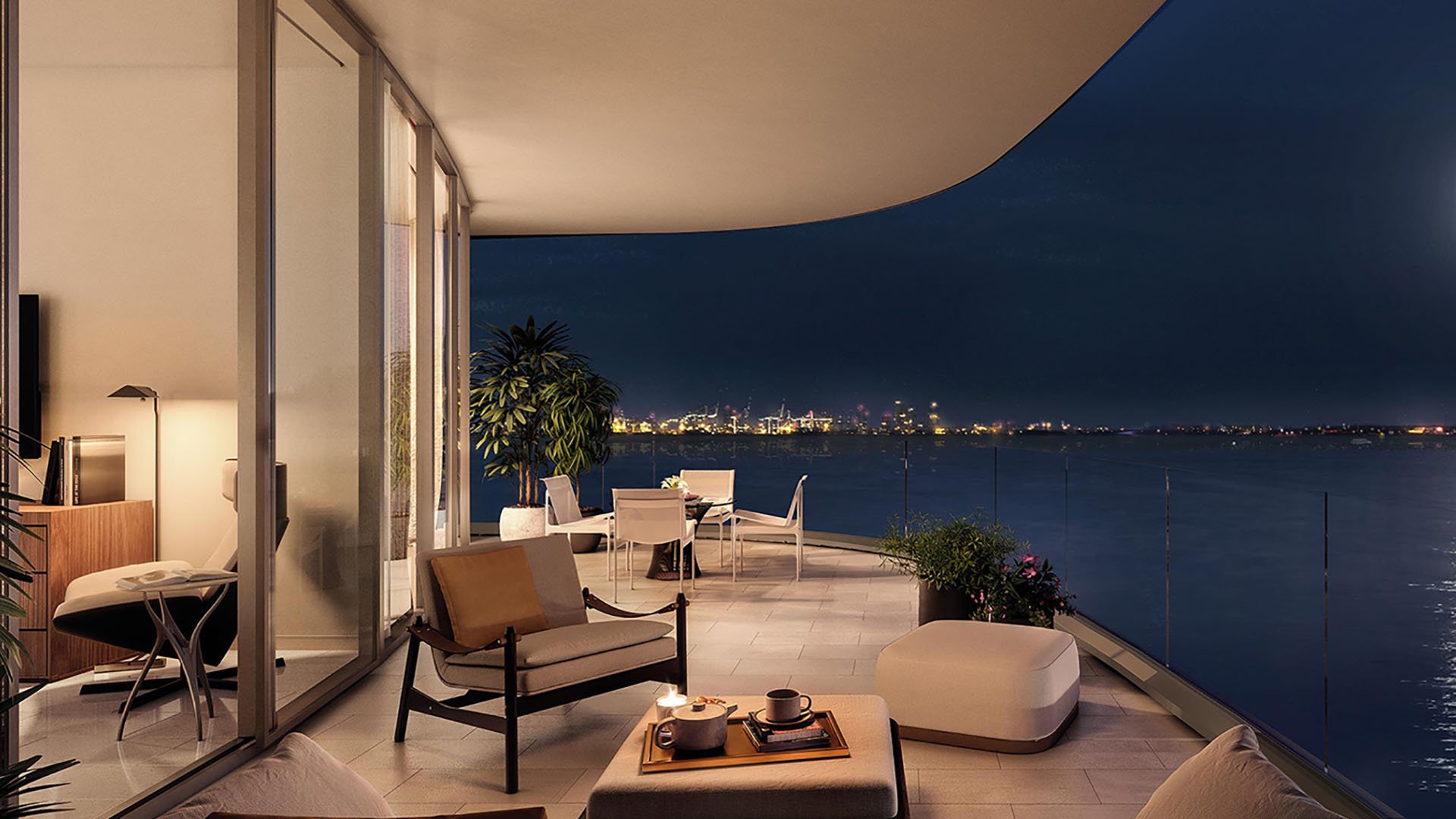
On Brickell Key, the terrace is more than an architectural flourish. It is a promise of open air, water light, and a private pause within one of Miami’s most vertical districts. Yet the climate-controlled interior offers its own form of luxury: silence, consistency, art-friendly walls, precise lighting, and the comfort of a room that performs beautifully at any hour.
For the buyer weighing deep terraces against larger, conditioned interiors, the right answer is rarely absolute. It depends on how the residence will be used. A primary home asks different questions than a seasonal pied-à-terre. A collector evaluates wall space differently than an entertainer. A buyer who begins each day outside may accept a smaller living room if the terrace is genuinely livable. Another may prefer more interior depth, especially if the home will be occupied during the warmest, brightest parts of the day.
The appeal of Brickell Key is that it sharpens the distinction. You are close to the energy of Brickell, yet the residential experience feels more contained and private. That makes the plan itself, not just the view, the true luxury instrument.
A deep terrace buys usable outdoor volume. It allows seating to feel intentional rather than decorative. It can support a breakfast table, lounge grouping, or quieter evening ritual without turning every chair into a compromise. The word “deep” matters because a narrow balcony may photograph well but live like a ledge. A genuine terrace should let residents move around furniture, open doors without conflict, and remain comfortable as the sun shifts.
The best terrace decisions begin with routine. If mornings are sacred, study how the outdoor space handles early light. If the residence will be used for dinners, consider whether the terrace can support a table without crowding circulation. If the owner travels often, think about furniture durability, covers, planting, and how the home feels when the terrace is not staged for guests.
Terrace value is also emotional. It gives a residence an extra tempo, especially in a waterfront setting. The buyer is not just purchasing square footage; the buyer is purchasing a way to decompress before reentering the city.
Interior square footage wins when the residence must perform with precision. The climate-controlled room is where art can be displayed more predictably, sound can be managed, glare can be softened, and daily life is not dependent on weather. In Brickell Key, that can be especially important for buyers who want the view without making the home an outdoor-first proposition.
A larger interior also supports hierarchy. The living room can feel gracious, dining can be defined, and a den or media area can exist without borrowing from the primary entertaining space. For many luxury buyers, that architectural clarity matters as much as the waterline beyond the glass.
This is why comparisons with nearby Brickell residences can be useful. Buyers reviewing The Residences at 1428 Brickell, St. Regis® Residences Brickell, or Baccarat Residences Brickell often focus not only on views, but on how rooms hold furniture, art, circulation, and privacy. The strongest interior plans make the glass feel expansive without making the home feel exposed.
The most revealing way to evaluate terrace versus interior is to walk through a normal day. Where will coffee happen? Where will calls happen? Where will guests gather before dinner? Where will the owner read when the weather is bright, wet, or windy? A plan that feels glamorous for ten minutes can become less compelling if the preferred spaces are usable only at certain hours.
For a Brickell Key buyer, the terrace may be a morning room, an evening lounge, or a private viewing platform. It may not need to be used all day to justify its presence. The interior, by contrast, must usually work constantly. It should manage heat, light, acoustics, storage, and privacy without requiring the owner to adapt too much.
This is where depth on both sides matters. A deep terrace without an elegant interior can feel seasonal. A large interior with only a token outdoor edge can feel disconnected from Miami. The better choice is the one that creates a rhythm between both.
Floor plans should be tested with real furniture, not generic symbols. Can the terrace hold a full seating group without blocking the doors? Can a dining chair pull back comfortably? Is there a protected wall or corner, or is every piece exposed? Does the outdoor space allow conversation, or does everyone sit in a line facing the view?
Inside, the same discipline applies. A climate-controlled interior is only luxurious if it can be furnished with proportion. Sofas should not float awkwardly because every wall is glass. Dining should not feel like a passageway. Storage should support the way the home will actually be used. For buyers who entertain quietly rather than theatrically, interior flow can be more valuable than raw outdoor footage.
Projects such as 2200 Brickell and Una Residences Brickell are useful reference points when studying how contemporary Brickell buyers think about livability, privacy, and the balance between indoor atmosphere and exterior connection. The lesson is not that one formula is superior. It is that the plan must serve a recognizable life.
A waterview can seduce quickly, but it should be evaluated through the lens of use. Does the view pull you toward the terrace, or is it best enjoyed from inside? Does the outdoor space feel private enough to become part of daily life? Does the interior allow the view to be present without overwhelming the furniture plan?
This is where Brickell Key differs from more purely resort-oriented settings. The buyer may want tranquility, but also proximity. The residence must support both retreat and city access. A terrace that is beautiful but rarely used may not be as valuable as an interior that makes every evening feel composed. Conversely, an interior that is perfect on paper may miss the point if the owner came to Miami for open air.
The best homes do not force a binary choice. They allow the terrace to operate as an extension of the living room while preserving the interior as a complete, climate-controlled environment.
Future buyers may arrive with different habits, but they usually recognize balance. A residence with credible outdoor space and a refined interior gives the market more ways to say yes. Too much emphasis on one side can narrow the audience. A dramatic terrace may attract attention, but the interior must still carry everyday life. A superb interior may feel secure, but the absence of meaningful outdoor space can feel less Miami.
For long-term confidence, buyers should prioritize plans that make the tradeoff legible. If the terrace is the feature, it should be deep enough to matter. If the interior is the feature, it should feel calm, flexible, and complete. In either case, the decision should support lifestyle rather than spectacle.
Is a deep terrace always better on Brickell Key? Not always. A deep terrace is valuable when it is genuinely usable and aligned with the owner’s daily routine.
When should a buyer prioritize climate-controlled interiors? Prioritize interiors when art, acoustics, storage, privacy, and all-day comfort are central to how the residence will be used.
Does a smaller balcony reduce the appeal of a residence? It depends on the plan. A smaller balcony can still work if the interior is exceptional and the outdoor space serves a clear purpose.
What makes a terrace feel truly livable? Depth, furniture clearance, door circulation, privacy, and shade potential all influence whether a terrace becomes part of daily life.
How should waterfront buyers compare indoor and outdoor space? They should test how often each area will be used, not just how impressive each space appears during a showing.
Is waterview more important than floor plan? Waterview matters, but a weak floor plan can limit daily enjoyment. The strongest residences make the view and layout work together.
Are terraces better for seasonal owners? They can be, especially for owners who visit during milder periods and want a strong sense of Miami outdoor living.
Do full-time residents usually need more interior space? Often, yes. Full-time use places more demand on storage, work areas, dining, media, and climate-controlled comfort.
Should buyers compare Brickell Key with mainland Brickell projects? Yes. Nearby Brickell projects can help clarify preferences around privacy, amenities, circulation, and indoor-outdoor balance.
What is the safest luxury choice for resale? A balanced residence with both credible outdoor space and a composed interior usually speaks to the widest future audience.
When you're ready to tour or underwrite the options, connect with MILLION.
If branded residences are on your mind — as a home or as an allocation — we would be glad to share what we are seeing, privately.
Begin a quiet conversation