A discreet buyer’s guide for San Francisco residents considering a South Florida second home, with a focus on rhythm, arrival, privacy, service, and area fit.
For a San Francisco buyer, a South Florida second home is rarely about escape alone. It is about a more polished rhythm, one that can hold a long weekend, a school holiday, a month of remote work, a quiet family gathering, or a winter season without feeling improvised. The right purchase should make arrival feel composed and departure feel effortless.
That is why the first question is not simply Miami Beach or Brickell, ocean or bay, condominium or house. The sharper question is this: how will the home behave when you are not there, and how quickly can it restore your life when you arrive? A strong second-home decision is built around frequency, service, privacy, storage, guest patterns and the degree of urban energy you want outside the door.
South Florida rewards specificity. A buyer who wants dining, meetings and a vertical city cadence will read the map differently from a buyer who wants shade, nearby schools, a marina mood, or a slower residential morning. The most successful San Francisco-to-Miami moves begin by naming the life pattern before touring the property.
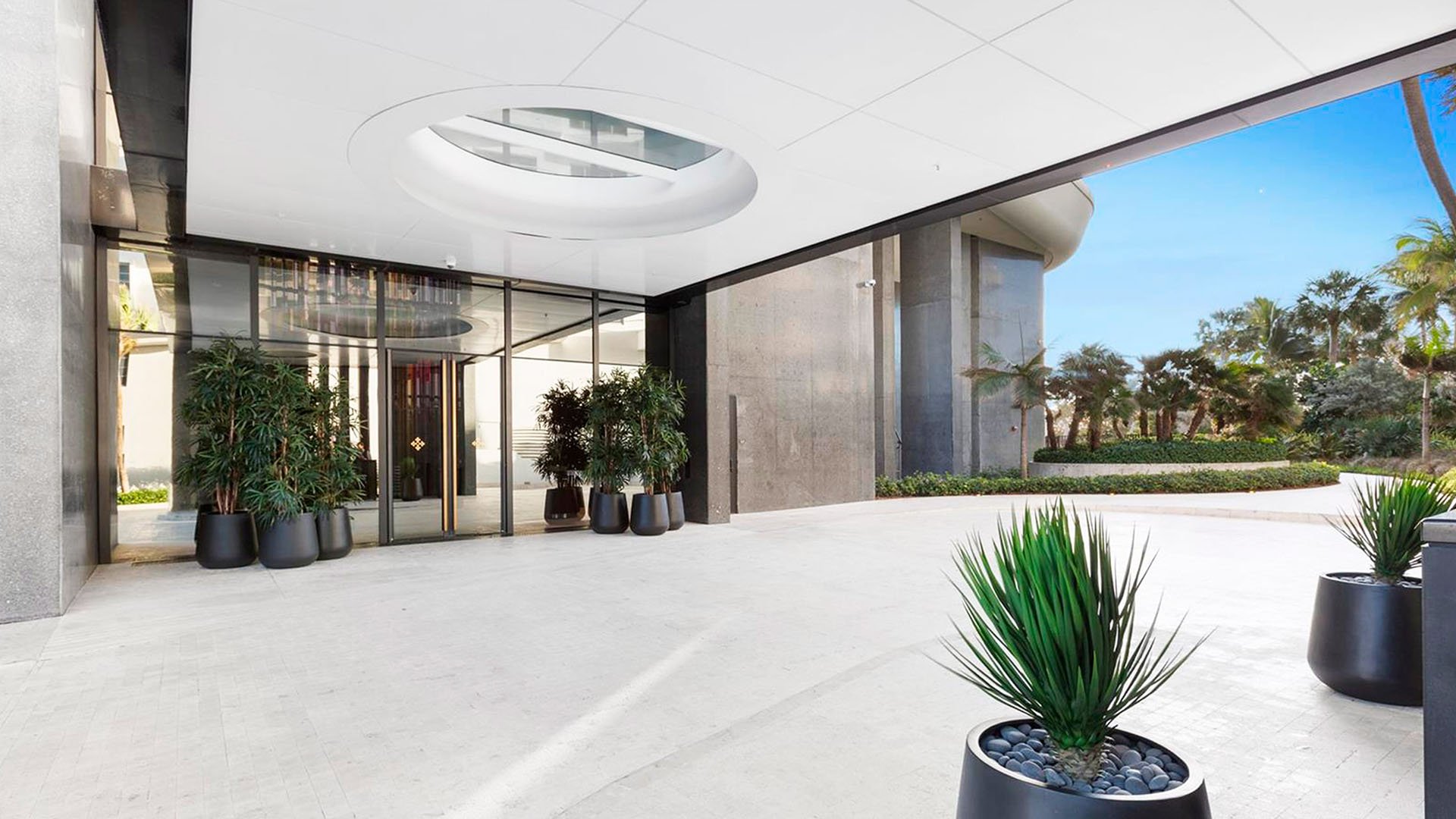
A polished second-home rhythm starts before the front door. Think through the full sequence: landing, driving, valet, elevator, luggage, groceries, pets, housekeeping, children, guests and the first hour inside the residence. The home should not ask you to manage friction at the exact moment you want to exhale.
In a high-service condominium, that may mean a staffed arrival, simple package handling, secure parking and an elevator sequence that feels private. In a more residential setting, it may mean a garage, a calm street, landscape maintenance and enough space to leave duplicate essentials in place. Neither is inherently better. The right answer depends on whether your South Florida life is more hotel-like, more domestic, or an elegant blend of both.
Buyers coming from San Francisco often appreciate efficiency, but South Florida adds another layer: climate and outdoor continuity. Terraces, shaded areas, deep balconies and outdoor dining zones can turn a short stay into a true reset. The view matters, but the daily use of that view matters more.
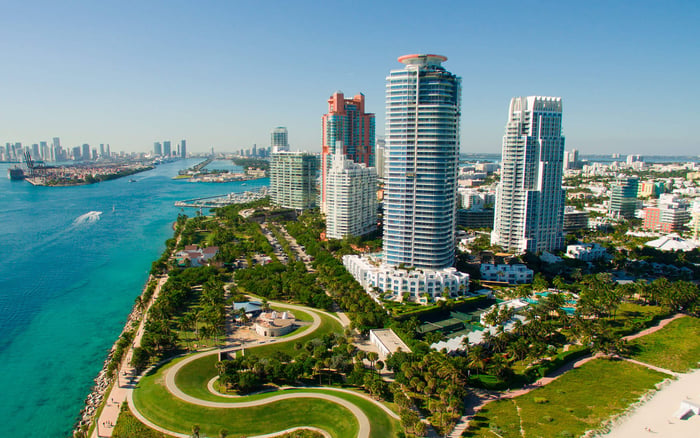
Brickell works for buyers who want South Florida to feel connected, vertical and socially fluid. It suits a rhythm built around dinners, meetings, fitness, waterfront walks, culture and a lock-and-leave residence that functions with minimal explanation. For a San Francisco household accustomed to dense neighborhoods and quick transitions, Brickell can feel intuitive, only brighter, warmer and more resort-inflected.
The key is to decide whether the second home should support business-adjacent weeks or pure leisure. A residence such as St. Regis® Residences Brickell may appeal to buyers who place a premium on service language, brand familiarity and a refined address in the urban core. The Residences at 1428 Brickell offers another way to think about Brickell as a vertical home base for those who want architecture, privacy and city proximity to work together.
Brickell is not the choice for every second-home buyer. If your goal is barefoot quiet, it may feel too kinetic. But if your ideal South Florida rhythm includes a brief arrival, a pressed shirt, a dinner reservation and the ability to leave again without worry, Brickell deserves serious attention.
Miami Beach is often the emotional answer. It offers the immediate pull of ocean air, hotel energy, design, dining and a sense that the day can move from wellness to lunch to sunset without a formal plan. For buyers who want their second home to feel unmistakably different from San Francisco, Miami Beach creates that contrast quickly.
The important distinction is between spectacle and routine. A polished second home should not depend on peak-season excitement to make sense. It should still feel gracious on a quiet Tuesday morning, after a swim, with coffee on the terrace and no schedule at all. Residences such as The Perigon Miami Beach can be considered in that frame: not simply as an address near the water, but as part of a larger question about privacy, arrival, outlook and how often you want the ocean to shape the day.
Miami Beach also asks buyers to think clearly about guests. If friends and family will visit often, hospitality can become part of the property’s purpose. The best fit is a home that accommodates visitors without sacrificing the owner’s privacy or turning every stay into an obligation.
Coconut Grove speaks to buyers who want South Florida without surrendering a sense of neighborhood texture. It feels less like a stage and more like a place to return to. For a San Francisco family used to layered neighborhoods, trees, coffee rituals and a quieter form of sophistication, the Grove can be compelling.
Here, the second-home rhythm may include longer stays, children, pets, walking routines and dinners that begin at home. The area also suits buyers who want proximity without living inside Miami’s highest-intensity pockets. Four Seasons Residences Coconut Grove can be read through that lens, as an option for those who want a recognized service culture in a softer residential setting.
Coconut Grove is particularly strong for buyers who dislike the idea of their second home sitting idle as a trophy. It encourages use. It makes the residence feel like part of a weekly life, even if that week happens only once a month.
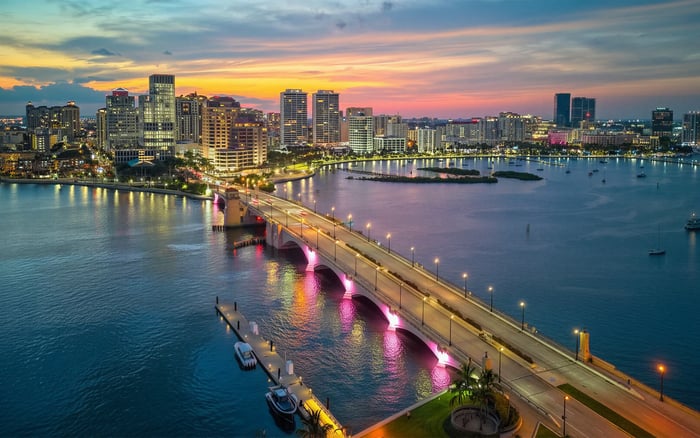
West Palm Beach tends to enter the conversation when the buyer’s rhythm becomes less about quick Miami energy and more about extended stays, culture, calm and a refined daily circuit. It can suit those who want South Florida with a slightly more measured tempo, especially if Palm Beach, clubs, galleries, boating or family proximity are part of the lifestyle map.
The second-home question here is often about duration. Will you come for three nights, or three weeks? Will you work from the residence? Will you host family across generations? A property such as The Ritz-Carlton Residences® West Palm Beach may appeal to buyers who want service and polish while leaning into a more composed Palm Beach County rhythm.
For some San Francisco buyers, West Palm Beach can feel like the more discreet choice. It is less about being seen everywhere and more about having a reliable, elegant base that improves with time.
Waterfront ownership is one of South Florida’s great pleasures, but it should be evaluated with discipline. Oceanfront, bayfront, riverfront and marina-adjacent living each create a distinct daily experience. Some buyers want the meditative repetition of the Atlantic. Others prefer bay views, boating context, city lights or a quieter inland waterway.
The practical test is simple. Where will you sit at 8 a.m.? Where will you take a call? Where will guests gather? Does the terrace have enough usable depth? Does the orientation support the hours when you actually occupy the home? A dramatic view that is uncomfortable at your preferred time of day is less useful than a calmer outlook that supports real life.
Also consider how much maintenance you want to supervise. The more the home depends on outdoor spaces, the more valuable building management, staff coordination and durable finishes become.
A polished second home must be honest about absence. Before falling for finishes, study the ownership structure, association rules, guest policies, pet policies, rental limitations, renovation controls and service expectations. These details are not administrative afterthoughts. They define how freely the home can support your life.
Privacy deserves special attention. Some buyers want a lively building where guests, dining and amenities create a social layer. Others want discretion, controlled access and minimal visibility. A San Francisco buyer accustomed to private clubs, guarded routines or quiet domestic spaces should not underestimate how different two luxury buildings can feel, even within the same neighborhood.
The lock-and-leave test is the final filter. Can you depart for several weeks without anxiety? Can the residence be prepared before arrival? Can your household operate without shipping half of San Francisco each time? If the answer is yes, the property is beginning to match the rhythm.
Should a San Francisco buyer start with Miami or Palm Beach County? Start with lifestyle rhythm. Miami often suits faster urban and coastal visits, while Palm Beach County may suit longer, quieter stays.
Is Brickell a good second-home location? Brickell can be excellent for buyers who want service, dining, business access and a lock-and-leave urban base.
Who should consider Miami Beach? Miami Beach suits buyers who want ocean air, design energy, social access and a residence that feels distinctly coastal.
Why consider Coconut Grove? Coconut Grove works for buyers who prefer shade, neighborhood texture and a softer residential cadence within Miami.
Is West Palm Beach too quiet for a second home? Not if the goal is a composed longer-stay rhythm with cultural access, service and a more measured pace.
What matters most in a luxury condominium? Service, privacy, storage, arrival sequence and building rules often matter as much as finishes and views.
Should I prioritize waterfront views? Prioritize usable waterfront living, not just the view. Orientation, terrace depth and daily comfort are critical.
How important are rental rules? They are essential if guests, family use or income flexibility may matter. Review them before committing.
Can a second home work for remote work? Yes, if the residence supports quiet calls, reliable routines, comfortable work zones and easy household management.
What is the best first step? Define your arrival pattern, length of stay, privacy needs and preferred neighborhood tempo before touring properties.
If you'd like a private walkthrough and a curated shortlist, connect with MILLION.
If branded residences are on your mind — as a home or as an allocation — we would be glad to share what we are seeing, privately.
Begin a quiet conversation