A buyer-focused guide to evaluating daily convenience, walkability, beach access, services, and lifestyle fit when considering a luxury condo in Miami Beach.
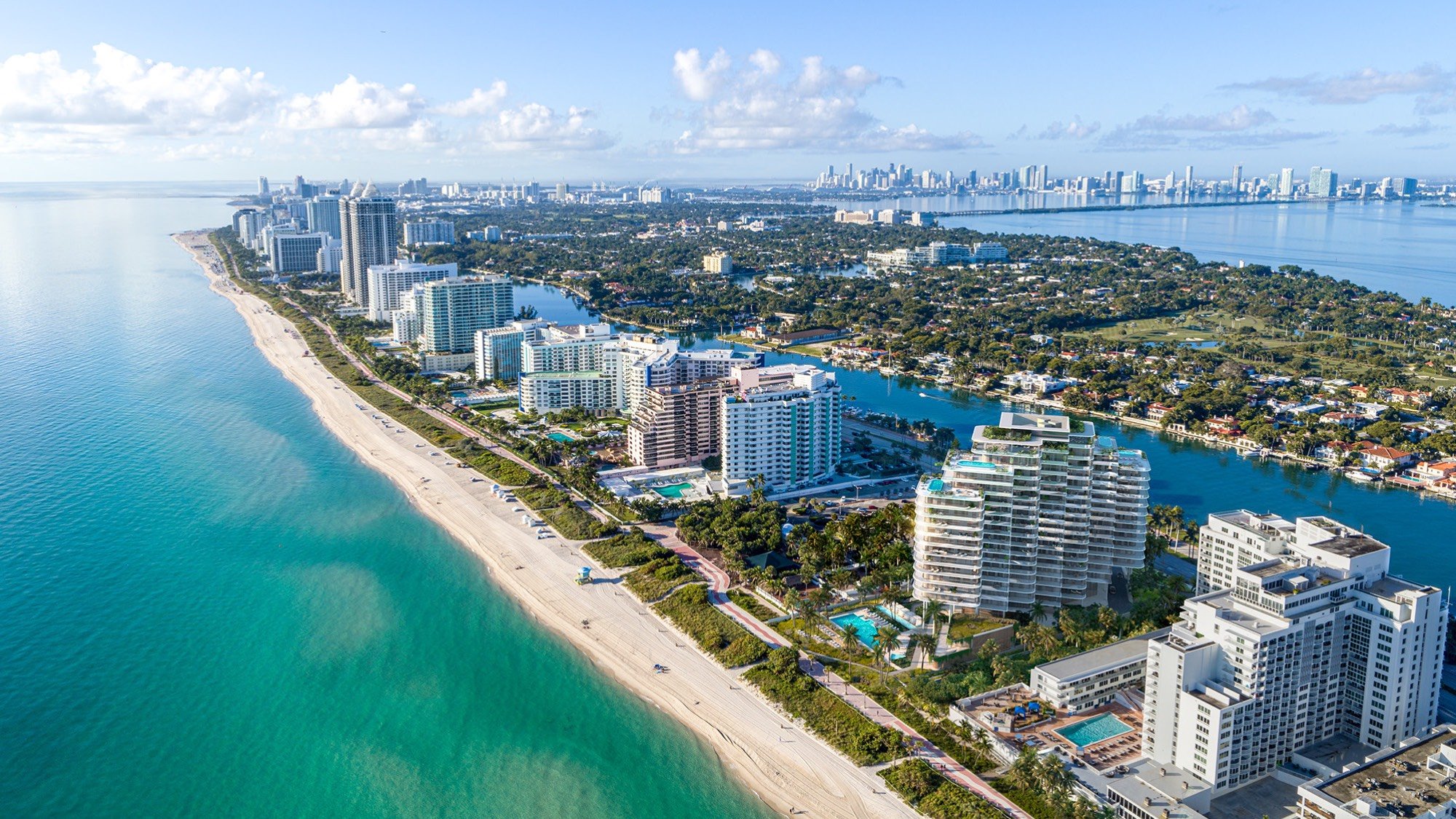
In Miami Beach, walkability is not simply a lifestyle preference. For many luxury condo buyers, it is a form of daily control: the ability to move through the day with fewer handoffs, fewer delays, and less dependence on a car. The right address can make morning coffee, a beach walk, a fitness appointment, a dinner reservation, and a quiet return home feel effortless.
That convenience is highly personal. One buyer may prioritize immediate beach access and a short path to the sand. Another may value a refined residential setting where restaurants and wellness services are nearby but not pressed against the lobby. A third may want the privacy of an oceanfront building while still keeping the cultural energy of Miami Beach within reach.
The strongest purchase decisions begin with a clear understanding of rhythm. How often will the residence be used? Will it serve as a primary home, a seasonal retreat, or a lock-and-leave pied-à-terre? Walkability should be judged less by how many places are nearby and more by whether the surrounding environment supports the way the owner actually lives.
A useful exercise is to imagine a full ordinary day, not just a glamorous weekend. Where is the first coffee? How easy is a quick grocery run? Can a guest be met without logistical friction? Is there a comfortable route for walking a dog, returning from dinner, or stepping out after sunset?
This is where Miami Beach buyers often discover meaningful differences between addresses that appear similar on a map. One building may feel perfectly positioned for dining yet less graceful for quiet morning routines. Another may offer a calmer residential character but require more planning for errands. Luxury walkability is the point where proximity, safety, shade, noise level, and arrival experience converge.
For ocean-oriented buyers, 57 Ocean Miami Beach often enters the conversation because it represents the appeal of a beachfront setting within the broader Miami Beach lifestyle. The key question is not only whether the beach is close, but whether the approach to the beach, the return to the residence, and the surrounding streets feel natural in daily use.
South of Fifth has a distinct place in the Miami Beach buyer imagination because it suggests privacy, dining, waterfront atmosphere, and an intimate residential scale. The shorthand Sofi is often used casually, but serious buyers should look beyond the name and study the block-by-block experience. A few minutes of walking can shift the mood from energetic to serene.
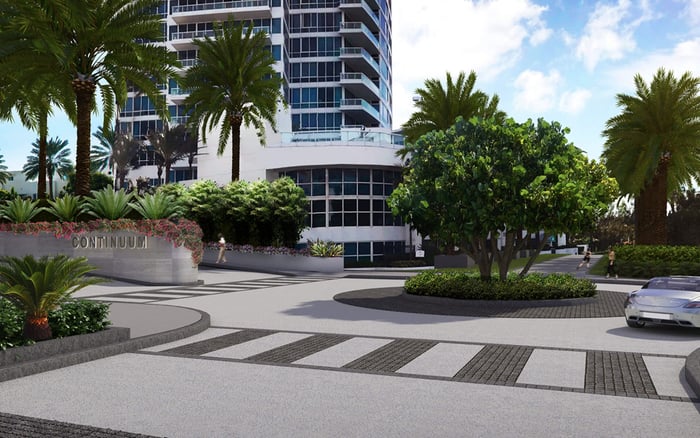
In this part of the market, walkability is frequently about elegant restraint. Buyers want access without exposure, choice without crowding, and a building arrival that feels composed even during active evenings. For some, Continuum on South Beach is part of the reference set when considering how a South Beach address can combine resort ease with residential intention.
The same buyer may also compare the experience against nearby boutique or private-collection offerings, weighing how lobby discretion, valet flow, and pedestrian routes affect everyday life. A walkable neighborhood is only as luxurious as the last few steps home.
Oceanfront living has an obvious emotional pull, yet the best walkability decisions ask a quieter question: what happens after the view? Owners still need groceries, grooming appointments, wellness routines, dining options, and smooth guest arrivals. The residence should feel connected enough for spontaneity and secluded enough for restoration.
Buildings such as The Perigon Miami Beach appeal to buyers who are considering a more composed beachfront profile. The broader lesson is that an oceanfront address should be evaluated for both its private experience and its everyday access pattern. The elevator ride, lobby sequence, porte cochère, sidewalk, and beach path all become part of the lived value.
A strong walkability profile does not require constant activity outside the door. In fact, many ultra-premium buyers prefer a short, pleasant walk to the action rather than being surrounded by it. The distinction matters, especially for households that alternate between entertaining and retreat.
Miami Beach buyers often speak in terms of favorite restaurants, private training, spa routines, galleries, beach clubs, and social appointments. Yet the most valuable convenience may be psychological. If an errand or outing feels easy, it becomes part of life. If it requires too much orchestration, it slowly disappears from the routine.
A buyer considering Shore Club Private Collections Miami Beach might focus on how a hospitality-influenced residential experience pairs with nearby lifestyle choices. Another buyer looking at Setai Residences Miami Beach may think about the balance between an established address and daily access to the beach, dining, and cultural energy.
The five-minute mindset is not a literal measurement. It is a way of asking whether essential pleasures feel close enough to be effortless. A residence that makes ordinary moments frictionless can hold its appeal long after the initial drama of architecture and views has been absorbed.
Walkability does not eliminate the importance of car service, valet operations, private parking, rideshare flow, and guest arrival. In Miami Beach, a luxury condo must function both as a pedestrian base and as a discreet arrival point. The strongest buildings manage both without making either feel compromised.
For buyers evaluating The Ritz-Carlton Residences® Miami Beach, the discussion may naturally include service expectations, residential quiet, and how the property supports an owner who moves between home, beach, dining, and the wider city. Convenience is not only about walking out. It is also about returning with ease.
Privacy deserves special attention. A highly walkable location can lose its appeal if the entrance feels overly exposed or the immediate streetscape feels too active for the owner’s taste. The ideal balance is deeply individual: some buyers want energy at the threshold, while others want it a short distance away.
A serious walkability tour should happen at different times of day. Morning reveals light, shade, exercise patterns, and service activity. Late afternoon shows traffic rhythm and beach return flow. Evening reveals dining energy, noise levels, and the feeling of walking back to the building after dark.
Buyers should also walk the routes they expect to use most often rather than relying on an abstract map view. Test the path to the beach. Test the path to dinner. Test the route a guest would take from the car to the lobby. Notice sidewalk width, landscaping, lighting, crossings, and whether the approach feels intuitive.
The final decision should feel like a match between architecture and routine. In Miami Beach, a beautiful condo becomes more valuable to its owner when the surrounding neighborhood supports the small rituals of daily life.
What does walkability mean for a luxury condo buyer in Miami Beach? It means daily convenience, comfortable pedestrian routes, refined arrival, and access to the lifestyle elements the buyer uses most.
Is beach access more important than restaurant proximity? It depends on the owner’s routine. Some buyers prioritize the sand every morning, while others place dining and services first.
Why do buyers compare Miami Beach neighborhoods so carefully? The experience can change significantly by block, especially in terms of quiet, access, privacy, and evening energy.
Is South of Fifth the same as Sofi? Sofi is a common shorthand for South of Fifth, but buyers should still evaluate each specific building and street setting.
Should oceanfront buyers still care about errands? Yes. A remarkable view is more livable when groceries, wellness, dining, and guest logistics remain easy.
How should I evaluate a building’s arrival experience? Look at valet flow, lobby privacy, guest access, pedestrian approach, and how the building feels when returning at night.
Can a quieter building still be walkable? Absolutely. Many luxury buyers prefer calm residential streets with lifestyle amenities a short, pleasant walk away.
Are project links enough to judge convenience? No. They are a starting point, but an in-person walk through expected daily routes is essential.
What is the biggest walkability mistake buyers make? They focus on distance alone and overlook noise, crossings, shade, service access, and the quality of the final approach home.
What is the best way to shortlist comparable options for touring? Start with location fit, delivery status, and daily lifestyle priorities, then compare stacks and elevations to validate views and privacy.
If you'd like a private walkthrough and a curated shortlist, connect with MILLION.
If branded residences are on your mind — as a home or as an allocation — we would be glad to share what we are seeing, privately.
Begin a quiet conversation