A buyer-focused comparison of South of Fifth and Mid-Beach, framed around privacy, daily rhythm, building style, beach access, and long-term residential fit.
In Miami Beach, “residential” is not a single mood. It can mean a lobby that feels composed at noon, a beach walk that begins without negotiation, a home where dinner can be casual and private, or a building where service is present but never theatrical. The comparison between South of Fifth and Mid-Beach is therefore less about which is better and more about which daily rhythm feels natural.
South of Fifth, often shortened by buyers to Sofi, tends to appeal to those who want a refined, highly edited version of beach living. It feels compact, walkable, and socially precise. The residential experience is shaped by proximity, convenience, and the sense that one can move through the neighborhood without overplanning.
Mid-Beach, by contrast, often feels more spacious in attitude. It is still unmistakably Miami Beach, but the cadence can read softer and less compressed. For some owners, that translates into a more residential feeling because the day feels less performative. For others, the greater sense of spread makes it feel less intimate than South of Fifth.
South of Fifth has long occupied a distinct place in the Miami Beach imagination. It is not suburban, and it is not trying to be. Its residential appeal comes from feeling small in scale, even when the buildings themselves are highly serviced and architecturally substantial.
For buyers who like a neighborhood where the morning walk, coffee, beach time, fitness routine, and dinner can all fit within a relatively tight personal map, South of Fifth can feel unusually livable. It suggests a village within a resort city, with enough activity to avoid isolation and enough residential gravity to feel settled.
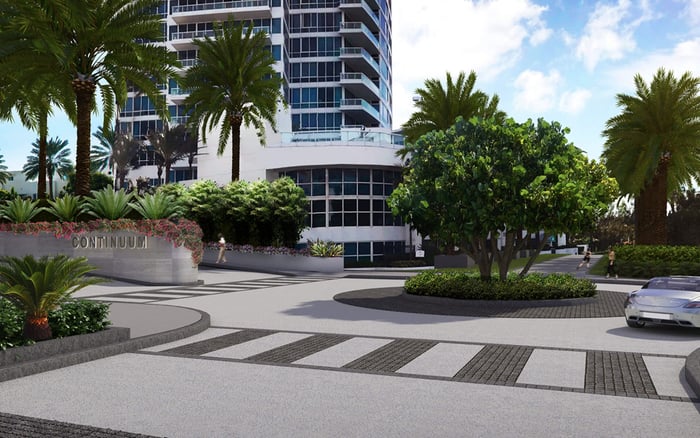
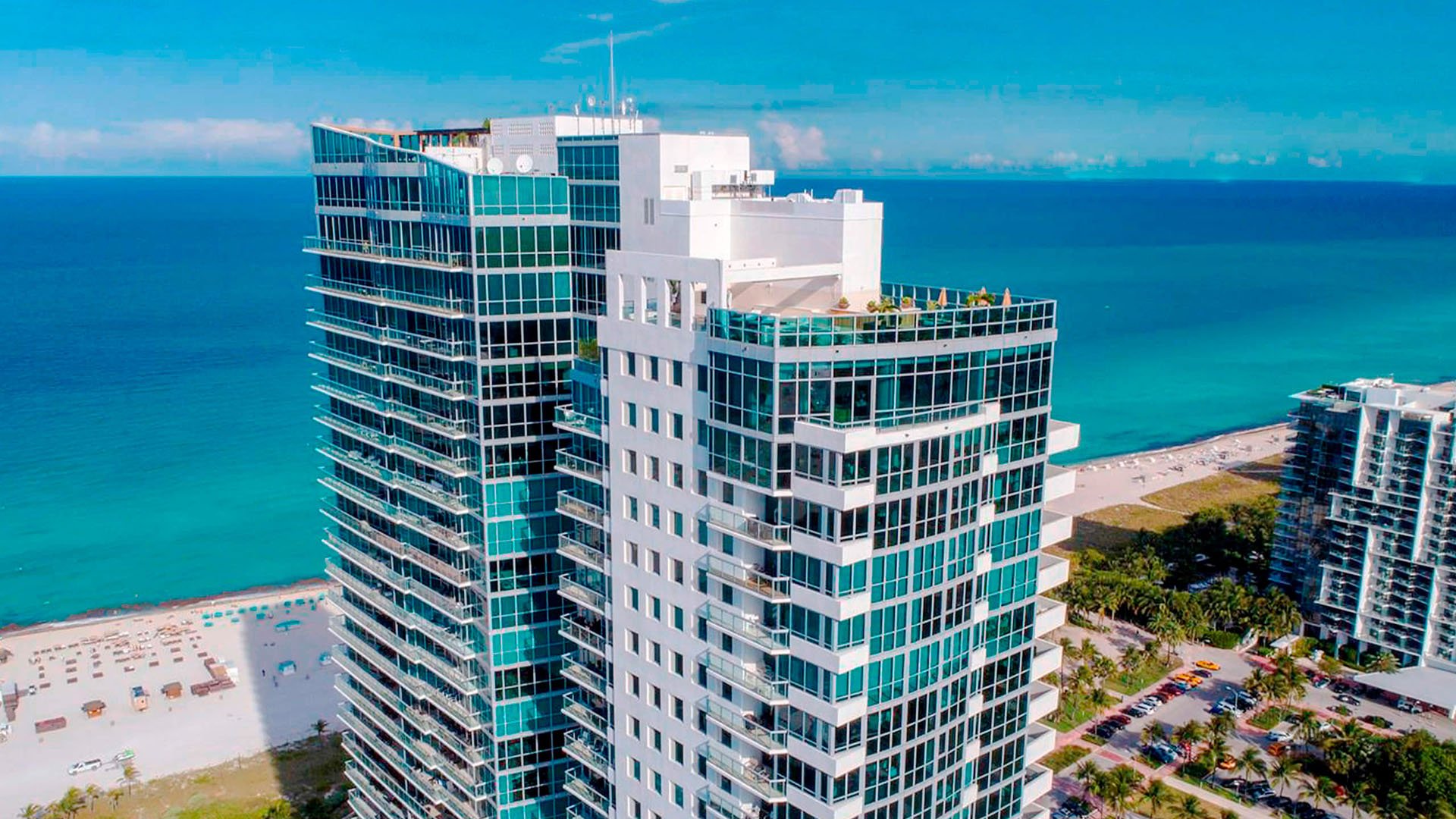
Buildings such as Apogee South Beach and Continuum on South Beach help define that atmosphere for many ultra-prime buyers. The appeal is not only the address. It is the way a building can create a private domestic layer within a neighborhood that remains connected to the broader energy of Miami Beach.
South of Fifth may feel more residential to buyers who value immediacy. The home is not a retreat from Miami Beach so much as a controlled way to live inside it. That distinction matters. The neighborhood suits owners who enjoy the city’s presence, but prefer it filtered through doormen, private terraces, secure parking, polished common areas, and a social environment that is familiar but not necessarily loud.
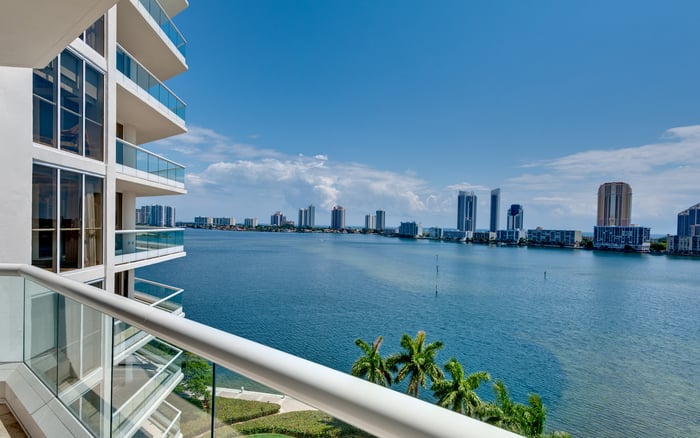
Mid-Beach offers a different form of residential comfort. It can feel less like a compact enclave and more like a sequence of oceanfront and near-ocean settings, with a sense of air, width, and discretion. Buyers who are sensitive to density, crowding, or a constant social current may find this quality more naturally residential.
The Mid-Beach experience often centers on separation. Separation from the most recognizable South Beach intensity. Separation between buildings. Separation between the private home and the public beach environment. That does not mean the area is sleepy. It means the feeling of home may come from scale and breathing room rather than tight walkability.
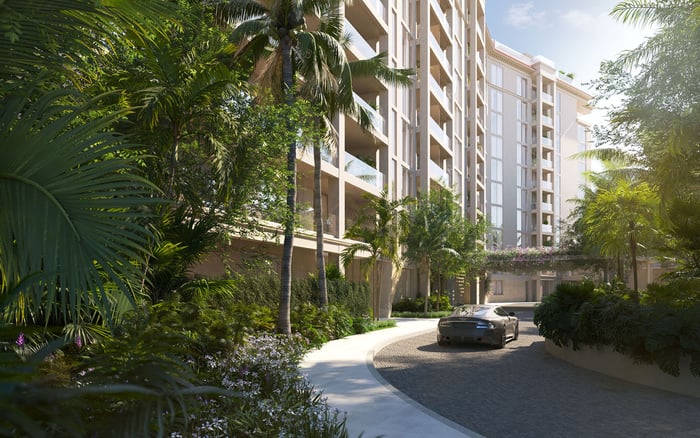
This is where projects such as 57 Ocean Miami Beach and The Perigon Miami Beach enter the conversation. They speak to a buyer who wants Miami Beach, oceanfront living, and beach access, but with a more retreat-like daily pattern. The decision is often emotional. Some buyers want to step out into a neighborhood; others want to step into space.
Mid-Beach can also appeal to owners who entertain at home. Larger terraces, quieter arrivals, and a less compressed sense of movement can make the residence itself feel like the principal destination. In this interpretation, residential luxury is not defined by how much is immediately outside the door, but by how little needs to be outside the door.
Privacy is the key distinction. In South of Fifth, privacy is often curated through building culture and controlled access. The neighborhood itself remains socially visible, which many buyers enjoy. There is pleasure in being recognized, in having familiar routes, and in living somewhere that feels both exclusive and animated.
In Mid-Beach, privacy is often experienced as atmosphere. The sense of residential calm may come from a quieter approach, a more measured street presence, or the feeling that the building is less entangled with a compact neighborhood scene. For buyers who dislike friction, that can be powerful.
Neither version is absolute. A particular line, floor, exposure, building staff, amenity plan, and arrival sequence can make one residence feel dramatically more private than another only a few blocks away. In Miami Beach, the building is not secondary to the neighborhood. It is often the lens through which the neighborhood is experienced.
For that reason, a buyer comparing South of Fifth with Mid-Beach should tour at different times of day. Morning, late afternoon, early evening, and weekend arrivals can reveal more than a floor plan. The question is not simply whether the area is beautiful. The question is whether the home’s daily choreography feels effortless.
South of Fifth tends to reward the buyer who wants the pleasures of a compact lifestyle. The residential feeling comes from leaving the car behind, moving easily between routines, and knowing that much of life can happen close to home. For a primary resident, that can be deeply valuable.
Mid-Beach tends to reward the buyer who wants home to be the center of gravity. The area may feel more residential to those who prefer a quieter return, a more spacious visual field, and a stronger distinction between public life and private life. It is a different luxury language, less village-like and more sanctuary-minded.
This is why a buyer drawn to Shore Club Private Collections Miami Beach may be evaluating more than architecture or branding. The deeper question is how the project frames daily life. Does it place the owner in the heart of a known social map, or does it offer a more self-contained coastal identity?
For second-home owners, Mid-Beach may feel easier if the goal is decompression. For full-time residents, South of Fifth may feel easier if the goal is everyday convenience. Yet the reverse can be true for a buyer whose particular building, view, and household rhythm point in the other direction.
Choose South of Fifth if you want a residential address with a refined neighborhood pulse. It suits buyers who enjoy discretion but not isolation, service but not distance, and a sense of place that can be understood quickly. It is especially compelling for owners who like to walk, dine locally, and feel part of a small but globally recognized Miami Beach setting.
Choose Mid-Beach if you want a softer edge to Miami Beach living. It suits buyers who value calm, space, and a home that functions as a retreat. The strongest Mid-Beach choices often feel less dependent on neighborhood bustle because the residence itself carries more of the lifestyle.
For many clients, the answer becomes clear only after standing in the entry sequence of the building. Is the arrival ceremonial or relaxed? Is the lobby social or serene? Is the beach connection immediate or indirect? Does the terrace feel like a room you will actually use? These details determine whether a property feels residential in practice rather than in marketing language.
The best answer is personal: South of Fifth feels more residential for the buyer who wants elegant proximity, while Mid-Beach feels more residential for the buyer who wants elegant distance.
Is South of Fifth more residential than Mid-Beach? It can feel more residential for buyers who value walkability, familiarity, and a compact neighborhood rhythm.
Is Mid-Beach quieter than South of Fifth? Many buyers experience Mid-Beach as calmer in tone, especially when the priority is retreat rather than neighborhood immediacy.
Which area is better for a primary residence? South of Fifth may suit daily convenience, while Mid-Beach may suit buyers who want more separation and a softer pace.
Which area is better for a second home? Mid-Beach often appeals to second-home buyers seeking decompression, though South of Fifth works well for those who want activity nearby.
Does the building matter more than the neighborhood? In many cases, yes. Arrival, staff culture, floor height, views, and amenity design can define the residential experience.
What does Sofi mean? Sofi is common shorthand for South of Fifth, a term many buyers use when discussing the area.
Is oceanfront living available in both areas? Yes, buyers consider oceanfront options in both, though the feeling of each setting can be quite different.
How important is beach access? Beach access is central for many Miami Beach buyers, but privacy, arrival, and building quality can be just as important.
Which area feels more discreet? Mid-Beach may feel more discreet atmospherically, while South of Fifth often delivers discretion through highly serviced buildings.
How should I decide between them? Tour both at multiple times of day and judge how naturally each setting supports your real daily routine.
For a discreet conversation and a curated building-by-building shortlist, connect with MILLION.
If branded residences are on your mind — as a home or as an allocation — we would be glad to share what we are seeing, privately.
Begin a quiet conversation