In South Florida’s ultra-luxury new-construction market, the most valuable upgrade is often timing. The earlier you commit to a residence and assemble a design team, the more control you have over the elements that are expensive, disruptive, or simply impossible to change later: layouts, lighting, smart-home infrastructure, and humidity-forward comfort systems. This editorial frames pre-construction customization the way sophisticated buyers actually experience it, as a sequence of decision deadlines, technical constraints, and financial choreography that rewards clarity.
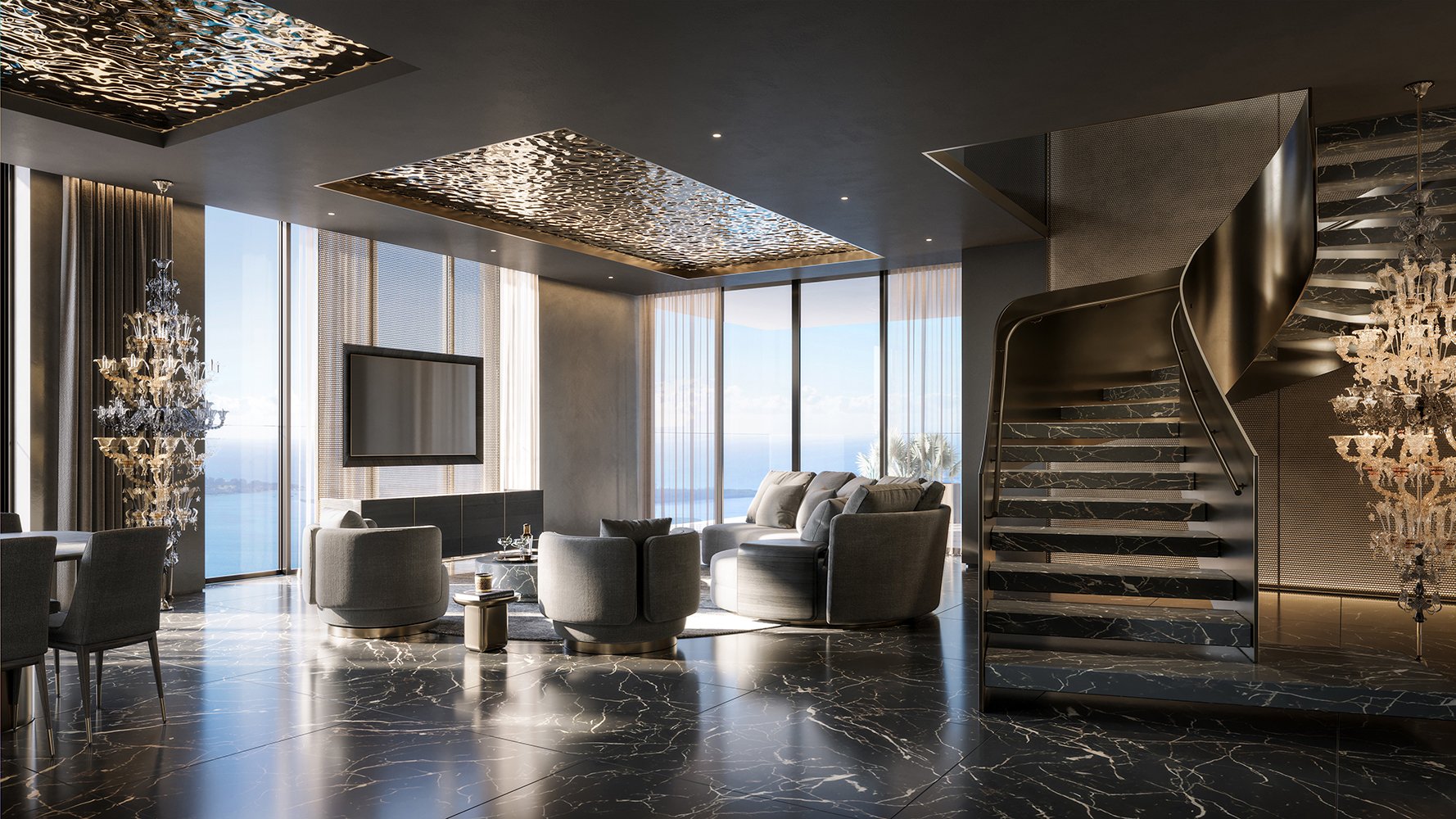
In South Florida, customizing a pre-construction residence is rarely about choosing a stone and more about entering the process at the right point in the building’s timeline. The earliest phase offers the most leverage for meaningful modifications, including select layout adjustments and the behind-the-walls decisions that shape how a home functions for decades. As construction advances, plans become locked and the experience often shifts from true personalization to a curated menu of finishes.
For buyers who approach real estate the way they approach art, vehicles, or collections, the principle is familiar: commission early, and you retain more authorship. In new construction, that authorship comes with deadlines, documentation, and technical constraints. The objective is not to fight the building. It is to align your priorities with the moment they are still feasible.
Most customization journeys follow a predictable arc. Understanding that arc reduces costly late-stage compromises.
Phase 1: Concept and early design. This is the window where changes can extend beyond cosmetics. If a developer permits it, kitchen reconfigurations, early electrical planning, and some partition-wall adjustments are easiest to evaluate here, when engineering coordination and sequencing are still being finalized.
Phase 2: Rough-ins and coordination. As systems planning accelerates, attention shifts to what lives inside walls and ceilings: circuiting, low-voltage infrastructure, and plumbing alignment. Lighting and electrical planning is especially high impact in this phase because fixture locations, dimming strategy, and circuit layout are far easier to adjust during rough-in than after drywall.
Phase 3: Finishes and fixtures. Later, customization typically narrows to surfaces, fixtures, and decor-level selections. A beautiful result is still possible, but the ability to edit the architecture becomes limited.
A disciplined approach is to request the developer’s spec book, upgrade sheet, and change-order process early, then treat the schedule as part of the design brief. In a luxury context, the buyer who respects deadlines usually earns the most bespoke outcome.
In a condominium, not all walls carry the same flexibility. Structural walls are significantly harder, and often impractical, to alter. Non-structural partition walls can be more feasible depending on project rules, engineering review, and timing. That distinction matters because moving a wall is never a single decision. It can cascade into HVAC distribution, lighting plans, fire safety coordination, and the alignment of kitchens and baths.
If you want a more gallery-like main space, a reshaped primary suite, or a recalibrated kitchen-to-living proportion, raise the topic immediately after selecting a unit. Even when a developer limits formal changes, early evaluation can surface alternatives that preserve the intent, such as adjusting door swings, refining built-in locations, or planning millwork to correct a layout you cannot officially modify.
Luxury buyers often underestimate how much daily satisfaction comes from invisible planning. Lighting is where taste becomes architectural performance.
During rough-in, circuiting, dimming zones, and fixture locations are typically the easiest to modify. This is where you can align light with how you actually live: a calmer primary suite at night, art-forward wall washing, layered entertaining scenes, and task lighting that feels intentional rather than harsh. Later in the build, changes can become limited or expensive, and compromises can read as retrofit instead of design.
A buyer-oriented strategy is to treat lighting as a system, not a shopping list. Start with use cases, then build layers: ambient, task, accent, and decorative. When the plan is coherent, the residence feels expensive long before the furniture arrives.
The best smart-home systems disappear. Early planning enables clean in-wall wiring paths, centralized low-voltage coordination, and fewer compromises after drywall. In practice, this is the difference between a residence that feels purpose-built and one that simply feels upgraded.
If your lifestyle includes serious audio, privacy-first networking, motorized shades, or whole-home scene control, pre-construction is the moment to secure the backbone. Even buyers who prefer minimal visible technology benefit from thoughtful infrastructure because it keeps ceilings clean, reduces visible hardware, and future-proofs the home.
The discreet approach is to plan for flexibility without over-specifying. Conduit paths, rational centralized layout, and sound infrastructure often outlast any single device brand.
South Florida’s climate makes HVAC and moisture management more than a comfort issue. Humidity control influences the longevity of finishes, the stability of woodwork, and the preservation of wardrobes and collections. In luxury residences, it also shapes how quiet and serene a home feels. A well-tuned system reads as quality, even when a guest cannot name why.
Pre-construction is where coordination can pay off. If your priorities include consistent temperatures, quieter airflow, or stronger moisture control, these topics are easiest to address while systems are still being planned. Once interiors are complete, improvements can become disruptive.
A defining choice in new construction is whether you want a developer-finished, turnkey residence or a decorator-ready approach that invites deeper customization. Turnkey reduces buyer coordination and execution risk. It can also compress the time from closing to move-in, which matters for second-home buyers and anyone managing multiple residences.
Decorator-ready can offer more material and finish control, but it shifts responsibility to the buyer. Design, procurement, and approvals can extend timelines beyond the building’s delivery date. For some buyers, that trade is worthwhile because the result is unmistakably personal. For others, the better move is a premium turnkey package plus targeted upgrades that make the residence feel bespoke without turning the process into a full build-out.
The practical litmus test is bandwidth. If you do not want weekly decisions, logistics, and vendor coordination, turnkey can be the more luxurious choice.
Pre-construction purchases commonly involve staged deposits tied to milestones, with total pre-closing deposits often representing a substantial share of the purchase price. Sophisticated buyers plan those cash flows alongside design ambitions because customization can introduce its own cadence through upgrades and change orders.
Deposit schedules can sometimes be negotiated on timing, though less often on total amount, because developers must satisfy lender and presale requirements. The practical takeaway is to discuss timing early and align it with your broader liquidity plan, especially if you are furnishing a residence or coordinating multiple homes.
On the customization side, ask for clarity on how change orders are priced, approved, and scheduled. The most valuable sentence you can get in writing is rarely about a finish. It is about deadlines, decision authority, and what happens when a request touches engineering, lead times, or coordination across trades.
Many buyers bring an interior designer in immediately after selecting a unit so drawings and upgrade requests can be coordinated before builder deadlines. This is not about decoration. It is about translating lifestyle into technical decisions at the point the project can still accommodate them.
If your residence will involve post-delivery work, remember that renovations and custom build-outs in condominiums typically require formal building approvals and compliance with work rules, including insurance requirements, permissible hours, and logistics such as elevator reservations. Those constraints can influence move-in timing as much as the design.
A polished process usually runs on three parallel tracks:
When these tracks align, the experience feels calm. When they do not, even a seven-figure interior can feel improvised.
Across South Florida, “custom” often means different things depending on the lifestyle a neighborhood attracts.
In Brickell, many buyers prioritize clean entertaining spaces, integrated technology, and lighting that makes high-rise glass feel warm rather than corporate. A branded environment like Baccarat Residences Brickell is widely marketed around elevated interiors and service-minded living, which can influence whether a buyer stays turnkey or pursues more personalized finish and systems choices.
In Miami Beach, the conversation often pivots to privacy, wellness, and the sensory experience of ocean-adjacent living. Oceanfront concepts such as The Perigon Miami Beach and hospitality-leaning offerings like Shore Club Private Collections Miami Beach tend to bring lifestyle programming and design direction into sharper focus. In these contexts, customization often concentrates on lighting, comfort systems, and low-visibility upgrades that protect calm, art, and materials in a humid climate.
In Sunny Isles, a portion of the ultra-luxury audience treats the residence as both a home and a statement object. Projects such as Bentley Residences Sunny Isles are marketed around brand-forward design and distinctive lifestyle concepts, which can shift the conversation toward tailoring routines while respecting a strong architectural identity.
Across all three, the throughline is the same: the most sophisticated customization is not more. It is more deliberate. The best homes feel as if they were always meant to be that way.
When is the best time to customize a pre-construction condo? As early as possible, before plans are locked and rough-ins are finalized.
What changes are typically possible early vs late? Early phases may allow layout and systems changes. Later phases often limit you to finishes and fixtures.
Can I move walls in a condo? Sometimes. Structural walls are difficult and often impractical to alter, so evaluate any wall changes early with the project team.
Why is lighting planning such a priority? Because circuiting, dimming, and fixture locations are easiest to adjust during electrical rough-in.
What smart-home decisions should happen before drywall? Low-voltage planning, wiring paths, and centralized infrastructure, so technology feels integrated rather than retrofitted.
How does Miami’s climate affect customization priorities? Humidity makes HVAC and moisture management especially important for comfort and for protecting finishes and collections.
Should I hire an interior designer before builder deadlines? Yes. Bringing a designer in immediately after selecting a unit helps coordinate drawings and upgrade requests on time.
What is the difference between turnkey and decorator-ready? Turnkey reduces coordination and risk. Decorator-ready trades effort and approvals for deeper control over materials and finishes.
What should I know about deposits in pre-construction? Purchases commonly use staged deposits tied to milestones, and timing can sometimes be negotiated even when totals cannot.
Who can help me navigate deadlines, upgrades, and strategy? Work with a team that understands developer processes, change orders, and South Florida building realities, and connect with MILLION Luxury for discreet, buyer-oriented guidance.
If branded residences are on your mind — as a home or as an allocation — we would be glad to share what we are seeing, privately.
Begin a quiet conversation