A discreet 2026 buyer’s guide to Arte Surfside, focused on privacy, governance questions, and disciplined ownership thinking after the Surfside safety-law reset.
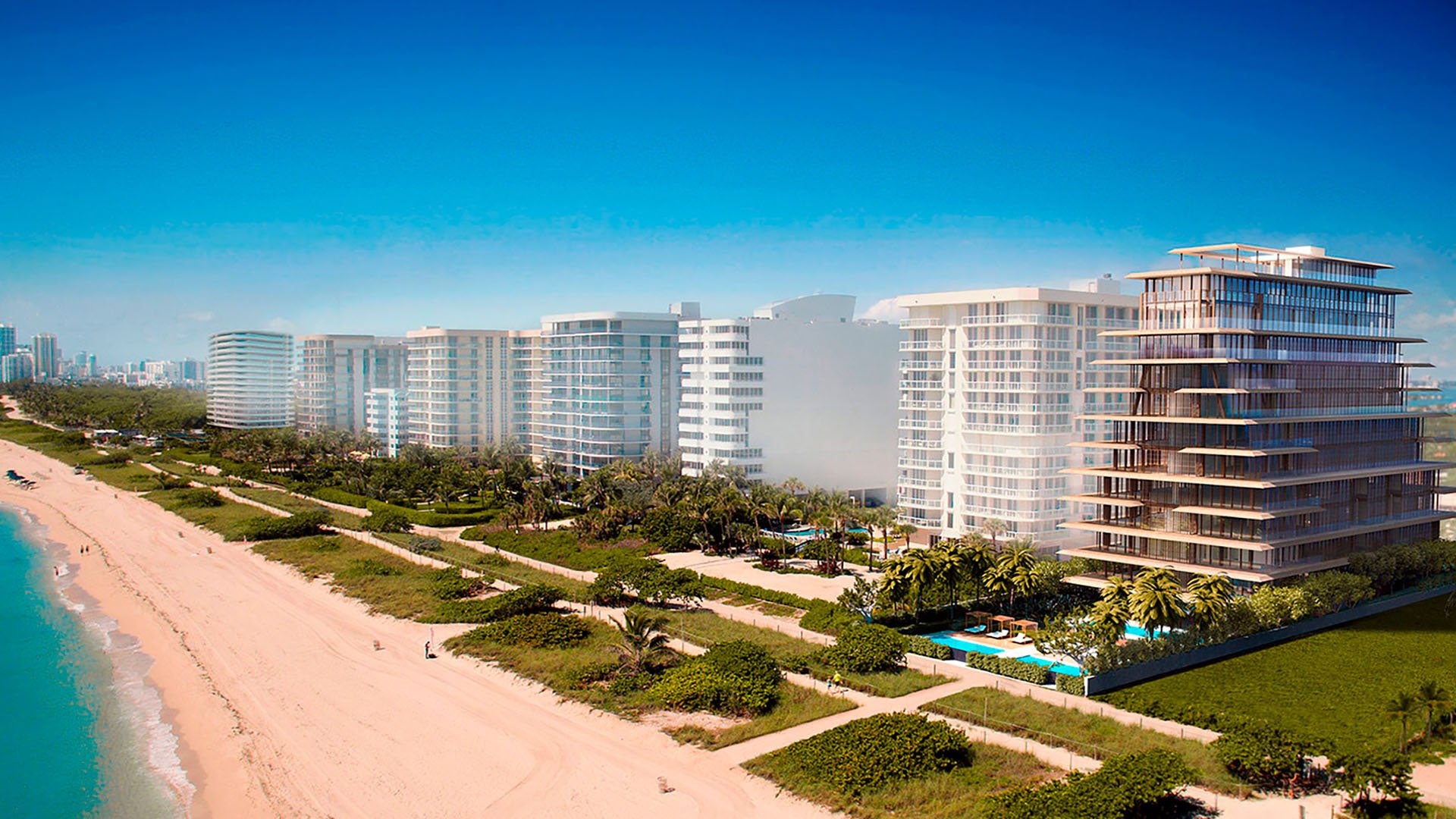
Arte Surfside sits at the center of a very specific 2026 conversation: how to pursue privacy in a coveted coastal setting without relaxing the ownership discipline that now defines serious condominium buying in South Florida. The strongest buyers are no longer satisfied by atmosphere alone. They want discretion, scale, quiet arrival, and a sense of residential control, but they also want to understand the building, the association culture, the future cost profile, and the decision-making framework around the asset.
That is the sharper lens for 2026. Privacy remains emotional; ownership is analytical. A residence can feel serene during a showing and still require careful review of governance, insurance, reserves, maintenance philosophy, and resale context. The buyer who separates these two tracks, lifestyle and obligation, is better positioned than the buyer who treats them as one.
Arte Surfside should be evaluated as part of a broader Surfside question, not as a simple aesthetic preference. In a market where privacy is increasingly scarce, the disciplined buyer asks what kind of privacy is being offered, how durable it feels, and what responsibilities come with owning into that environment.
At the ultra-premium end of Surfside, privacy is not merely the absence of crowds. It is the quality of access, the rhythm of common spaces, the confidence of coming and going without spectacle, and the ability to live in a residence that does not feel overexposed. Buyers considering Arte Surfside are often drawn to precisely that quiet residential thesis.
The mistake is treating privacy as a soft benefit. In practice, privacy should be examined like any other defining feature. How does the building manage visitors? How intuitive is the arrival sequence? Are shared areas calm during peak hours? Does the ownership culture support discretion? These questions are not glamorous, but they often determine whether the long-term value of a private address is reinforced or diluted.
Oceanfront and near-ocean buyers should also consider privacy across time. A building can feel secluded in the morning and different during a high-traffic weekend. It can feel intimate in season and quieter out of season. A thoughtful buyer returns more than once, observes rhythm rather than staging, and studies how the property functions when it is not performing for a tour.
The Surfside safety-law reset has shifted buyer psychology. The best purchasers are still motivated by beauty, location, and lifestyle, but they are far less willing to leave technical and association-level issues for later. In 2026, the private showing is only the beginning. The real evaluation starts when the buyer requests documents, budgets, engineering materials where available, insurance information, meeting history, and a clear explanation of future capital planning.
This does not mean every buyer must become an engineer or association lawyer. It means the buyer should assemble the right professional review before falling in love with the view, the finishes, or the social cachet of the address. In the new luxury language, discipline is not pessimism. It is the price of confidence.
The strongest Arte Surfside buyer will likely approach the property with two simultaneous questions. First, does the residence deliver the privacy and lifestyle that justify attention? Second, does the ownership structure support a calm, informed, long-duration hold? If either answer is unclear, the buyer should slow the process rather than negotiate in the dark.
A disciplined buyer does not evaluate Arte Surfside in isolation. The relevant comparison set is not every luxury condominium in Miami. It is a narrower group of addresses where privacy, architecture, coastal identity, and ownership culture shape the premium. Nearby and adjacent conversations may include The Delmore Surfside, Fendi Château Residences Surfside, and The Surf Club Four Seasons Surfside, each of which helps a buyer refine what type of discretion, service environment, and residential tone feels right.
The point of comparison is not to declare a universal winner. It is to sharpen the questions. Does the buyer prefer a quieter boutique sensibility or a more recognized hospitality-oriented environment? Is the priority anonymity, design, service, walkability, or long-term liquidity? How much importance should be placed on resale depth if the intended hold period changes?
Another useful reference for the privacy-minded buyer is Eighty Seven Park Surfside, not as a substitute for due diligence, but as a reminder that the Miami Beach and Surfside edge contains several distinct expressions of coastal luxury. The best purchase is the one whose daily life aligns with the buyer’s actual habits, not the one that simply photographs best.
Before a buyer focuses on price strategy, the better move is to define the ownership thesis. Is this a primary residence, a second-home base, a long-term family asset, or a flexible South Florida foothold? Each answer changes the diligence standard. A primary resident may care more about day-to-day operating culture. A second-home buyer may scrutinize management responsiveness. A long-hold owner may place greater emphasis on capital planning and association stability.
The buyer should also study liquidity without reducing the residence to a spreadsheet. Ultra-premium property can be deeply personal, but exit optionality still matters. A residence with limited direct comparables may require more nuanced pricing analysis. A private building may appeal to a smaller buyer pool, which can support exclusivity but still requires discipline around basis, timing, and carrying costs.
This is where an experienced advisor matters. The buyer should be able to distinguish between negotiable friction and structural concern, between cosmetic preference and governance risk, between privacy that enhances value and privacy that narrows the audience too sharply. The goal is not to remove emotion. It is to give emotion a well-built frame.
The right posture toward Arte Surfside is neither romantic nor defensive. It is composed. The buyer can appreciate the rarity of privacy in Surfside while still insisting on a full understanding of ownership. That balance is the defining trait of the 2026 luxury buyer.
In this market, the most sophisticated decision is often the least theatrical one: walk the property, revisit the building, review the documents, pressure-test the costs, compare the alternatives, and only then decide whether the privacy premium is justified. For the right buyer, Arte Surfside may belong in a focused conversation about calm, discretion, and long-term coastal living. For every buyer, the standard should be the same: beauty captures attention, but discipline protects the purchase.
What is the main 2026 buyer lens on Arte Surfside? The main lens is privacy paired with ownership discipline. Buyers should evaluate both the lifestyle and the association-level obligations before moving forward.
Why does privacy matter so much in Surfside? Privacy is scarce in South Florida’s most desirable coastal settings. It can influence daily comfort, perceived exclusivity, and long-term buyer appeal.
Should buyers focus only on the residence itself? No. The residence matters, but the building’s governance, operating culture, and future cost profile should also be reviewed carefully.
How should a buyer approach the safety-law reset? A buyer should ask more detailed questions and rely on qualified professional review. The goal is confidence, not alarm.
Is Arte Surfside best evaluated alone? No. It is best evaluated within the Surfside luxury set so the buyer can compare privacy, tone, service expectations, and ownership feel.
What documents should a serious buyer want to review? Buyers commonly request association materials, budgets, insurance information, meeting records, and available building-related documentation through proper channels.
Does privacy always improve resale strength? Not automatically. Privacy can enhance appeal, but buyers should still consider the depth and preferences of the future buyer pool.
What is the biggest mistake a 2026 buyer can make? The biggest mistake is letting a beautiful showing replace disciplined due diligence. Luxury should be enjoyed, but it should also be understood.
How should second-home buyers think differently? Second-home buyers should pay close attention to management responsiveness, ease of ownership, and how the building functions when they are away.
What makes a strong offer strategy in this segment? A strong strategy starts with clarity on value, carrying costs, and diligence findings. Price should follow the ownership thesis, not emotion alone.
For a tailored shortlist and next-step guidance, connect with MILLION.
If branded residences are on your mind — as a home or as an allocation — we would be glad to share what we are seeing, privately.
Begin a quiet conversation