A buyer-focused guide to framing Florida homestead strategy before purchasing at Continuum on South Beach, with emphasis on intent, ownership structure, domicile planning, family considerations, and advisory coordination.
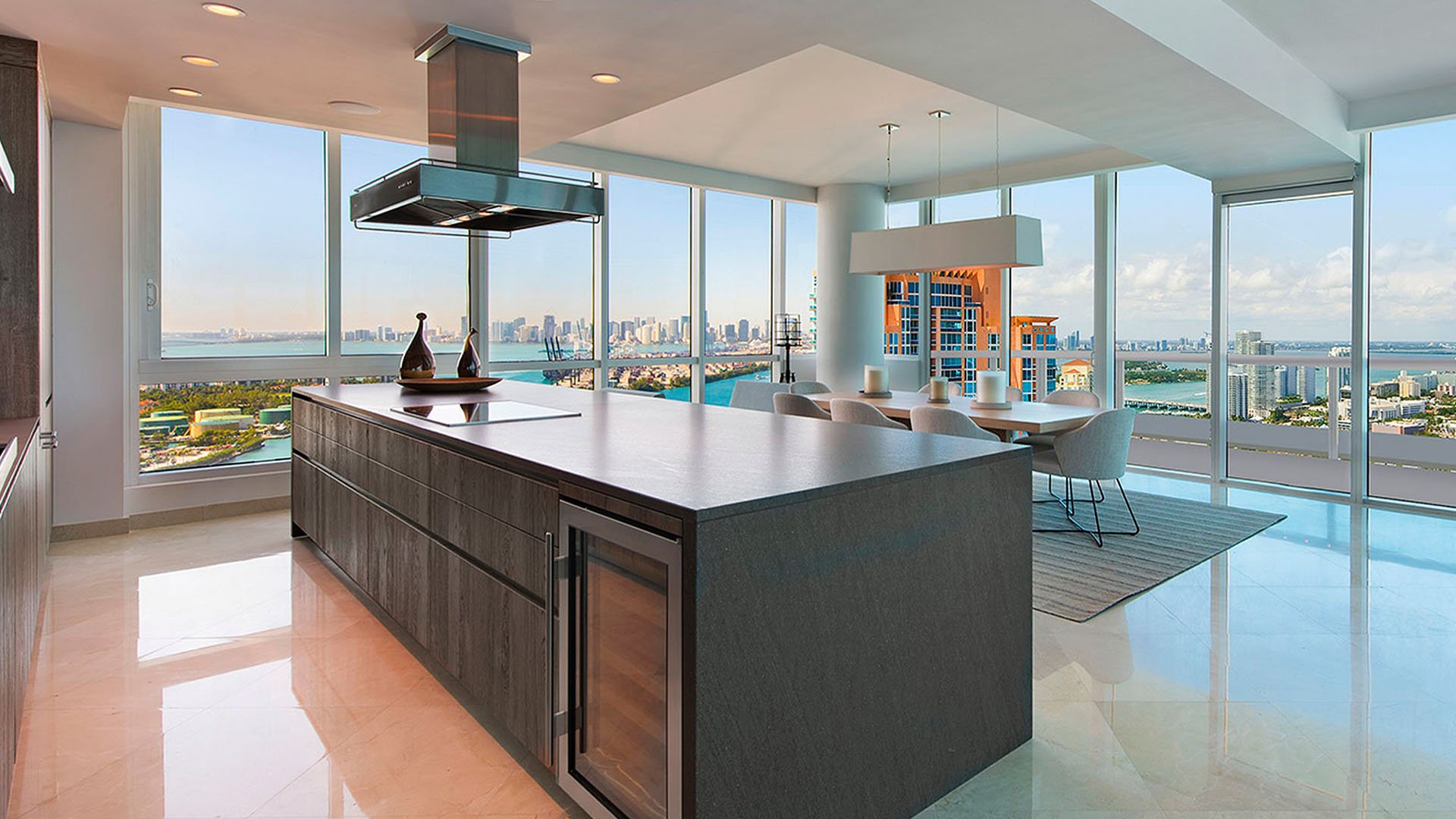
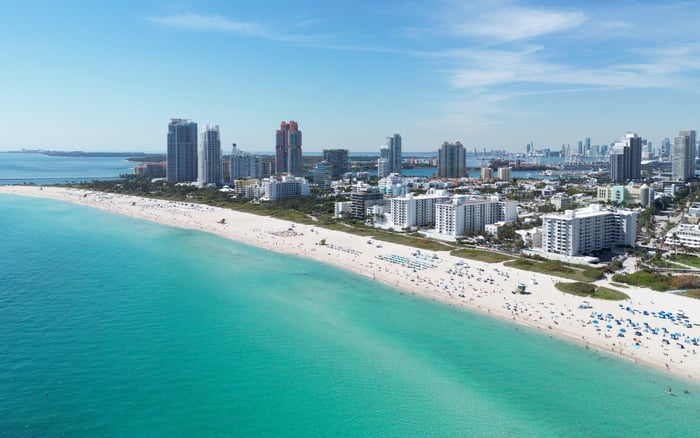
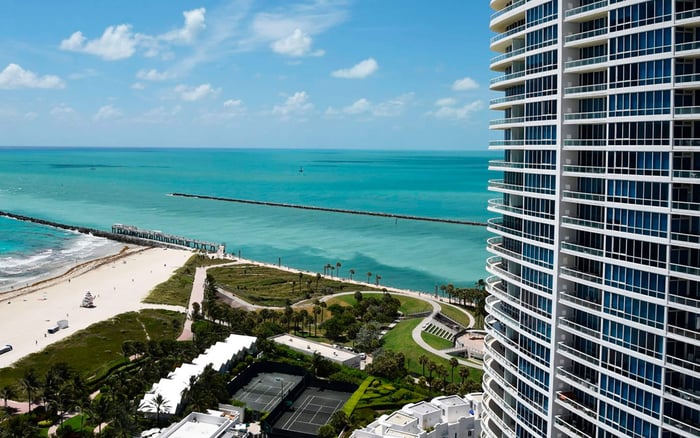
At the southern tip of Miami Beach, Continuum on South Beach occupies one of South of Fifth’s most closely watched residential settings: oceanfront, discreet, resort-oriented, and calibrated for buyers who may divide their time among several homes. That lifestyle flexibility is exactly why homestead strategy should begin before contract execution, not after closing.
The first question is deceptively simple: will the unit be a true primary residence, a second home, or an investment property? For buyers considering Continuum on South Beach, the answer should be supported by a practical lifestyle plan. Where will the buyer spend the most meaningful time? Where will family, banking, doctors, household administration, and long-term personal affairs be centered? A beautiful oceanfront apartment can support a primary-residence narrative, but only if the broader facts of life support it, too.
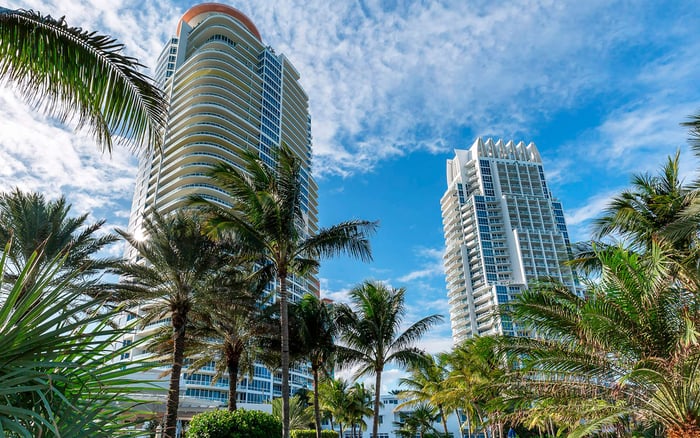
Continuum’s appeal is broad. The two-tower luxury condominium complex, with resort-style amenities and direct beach frontage, attracts both full-time and part-time residents. That mixed residency profile makes planning more nuanced. Homestead is not merely a closing checklist item. It belongs within a broader conversation about domicile, ownership, estate planning, and the buyer’s long-term relationship to Florida.
Before selecting a title structure, buyers should ask their Florida real estate attorney how ownership may affect eligibility for homestead-related benefits or protections. This is especially important for ultra-high-net-worth families accustomed to acquiring property through trusts, holding companies, or other planning vehicles. The right structure for privacy, succession, or asset coordination may not automatically align with a desired homestead position.
The question is not, “Can I close efficiently?” It is, “Does the way I own the residence support the way I intend to use it?” That distinction matters in South Florida, where buyers often compare oceanfront Miami Beach residences with other trophy addresses such as Apogee South Beach or The Ritz-Carlton Residences® South Beach. The legal elegance of a structure should be tested against the daily reality of residence.
A buyer might ask: Who will be the named owner? Is the intended structure consistent with the family’s estate plan? Does the buyer need asset-protection counsel at the table before the deposit becomes nonrefundable? If the unit is meant to function as a primary home, does the structure make that position easier to document or harder to explain? These are pre-closing questions.
For out-of-state buyers, a Continuum purchase often sits inside a larger relocation conversation. A buyer coming from another state should ask whether claiming Florida homestead at Continuum aligns with the broader domicile and tax-residency plan. The residence may be compelling, but the planning should be coherent across legal, tax, and personal records.
This is where lifestyle details can become evidence of intention. Continuum’s security, concierge-style service, lock-and-leave convenience, and beachfront setting may support a full-time or primary-residence narrative for certain buyers. Advisors should still examine the complete picture. A buyer who keeps significant ties elsewhere should be careful not to treat homestead as a standalone benefit disconnected from the rest of their life.
For planning shorthand, this is a Miami Beach, South of Fifth, oceanfront decision that may also touch second-home and investment categories. Those labels are not interchangeable. A buyer using the residence seasonally should not approach the conversation in the same way as a buyer relocating household life to Florida.
International buyers should ask how using a Continuum unit as a U.S. residence fits with estate planning, succession, and cross-border tax considerations. The residence may be a family base, a lifestyle asset, or part of a global portfolio. Each version has different planning implications, and those implications should be discussed before title, financing, and closing logistics are locked.
South Florida luxury buyers often compare Miami Beach with a wider coastal map, from Five Park Miami Beach to island and mainland alternatives. The decision to make one residence a U.S. home should be coordinated with family governance, inheritance expectations, and the buyer’s creditor profile. The most sophisticated plan is rarely the most improvised one.
International families should also clarify who will use the residence, how often, and for what purpose. A home used primarily by one family member may create a different planning posture than a residence intended as the household’s principal U.S. anchor. Advisors should be asked to identify conflicts before the buyer falls in love with the view.
Florida residents moving from another Florida homestead should ask advisors about timing and portability issues before closing on a Continuum residence. This is not a detail to revisit months later. A move within Florida may require coordination among sale, purchase, occupancy, and filings, and the sequence can matter.
The practical question is whether the buyer’s current residence, planned closing date, and intended occupancy at Continuum all point in the same direction. A buyer downsizing, upsizing, or shifting from a single-family residence to a condominium should ask what must happen before closing and what must happen immediately after. The answer may affect the purchase timeline, the title discussion, and the advisory team’s priorities.
Homestead planning for a Continuum purchase should be coordinated among a Florida real estate attorney, tax advisor, and estate-planning or asset-protection counsel. That team should be assembled early enough to influence decisions, not merely react to them.
A strong pre-closing agenda might include intended use, title structure, family occupancy, domicile goals, creditor considerations, estate planning, and long-term lifestyle plans. The central takeaway is that homestead strategy depends on the buyer’s balance sheet, family situation, creditor profile, domicile goals, and the way the residence will actually be lived in.
This is especially relevant in South of Fifth, where privacy and service can make a residence feel effortless. Effortless living, however, should not be confused with casual planning. A Continuum buyer should be able to explain not only why the residence is desirable, but also what role it plays in the family’s financial and personal architecture.
Before closing, ask whether the intended use is primary, seasonal, or investment-oriented. Ask whether the ownership structure supports that intended use. Ask whether Florida domicile is part of the plan or merely an assumption. Ask whether the family’s estate plan, creditor profile, and cross-border considerations have been reviewed. Ask whether the building’s security, service, and lock-and-leave character strengthens the residence narrative or simply makes part-time ownership easier.
The best buyers do not wait for tax season to define their position. They make the residence strategy visible in the acquisition strategy. At Continuum on South Beach, that level of discipline is not just prudent. It is part of buying well.
Should I think about homestead before making an offer at Continuum on South Beach? Yes. Homestead strategy should be treated as pre-closing due diligence, not a post-closing filing detail.
Is Continuum better suited to full-time or part-time residents? The building attracts both, which is why buyers should clearly define intended use before planning around homestead.
Can a second home support a homestead strategy? That depends on the buyer’s facts and should be reviewed with counsel before relying on any position.
Why does title structure matter? Ownership structure may affect homestead-related eligibility or protections, so it should be reviewed before closing.
What should out-of-state buyers ask first? They should ask whether claiming Florida homestead aligns with their broader domicile and tax-residency plan.
Do international buyers need separate advice? Yes. They should coordinate U.S. residence use with estate, succession, and cross-border tax planning.
What if I already have a Florida homestead? Ask advisors about timing and portability issues before closing on the Continuum residence.
Do building amenities matter to the analysis? They can. Security, concierge-style service, and lock-and-leave convenience may support the intended residence narrative.
Who should be involved in the planning? A Florida real estate attorney, tax advisor, and estate-planning or asset-protection counsel should coordinate early.
What is the main risk of waiting until after closing? Key decisions about title, timing, and intended use may already be fixed, limiting planning flexibility.
For a confidential assessment and a building-by-building shortlist, connect with MILLION.
If branded residences are on your mind — as a home or as an allocation — we would be glad to share what we are seeing, privately.
Begin a quiet conversation