A discreet buyer’s guide to reading reserve study assumptions at Continuum on South Beach, with emphasis on tower-level analysis, coastal exposure, amenity intensity, useful life, replacement costs, and funding risk.
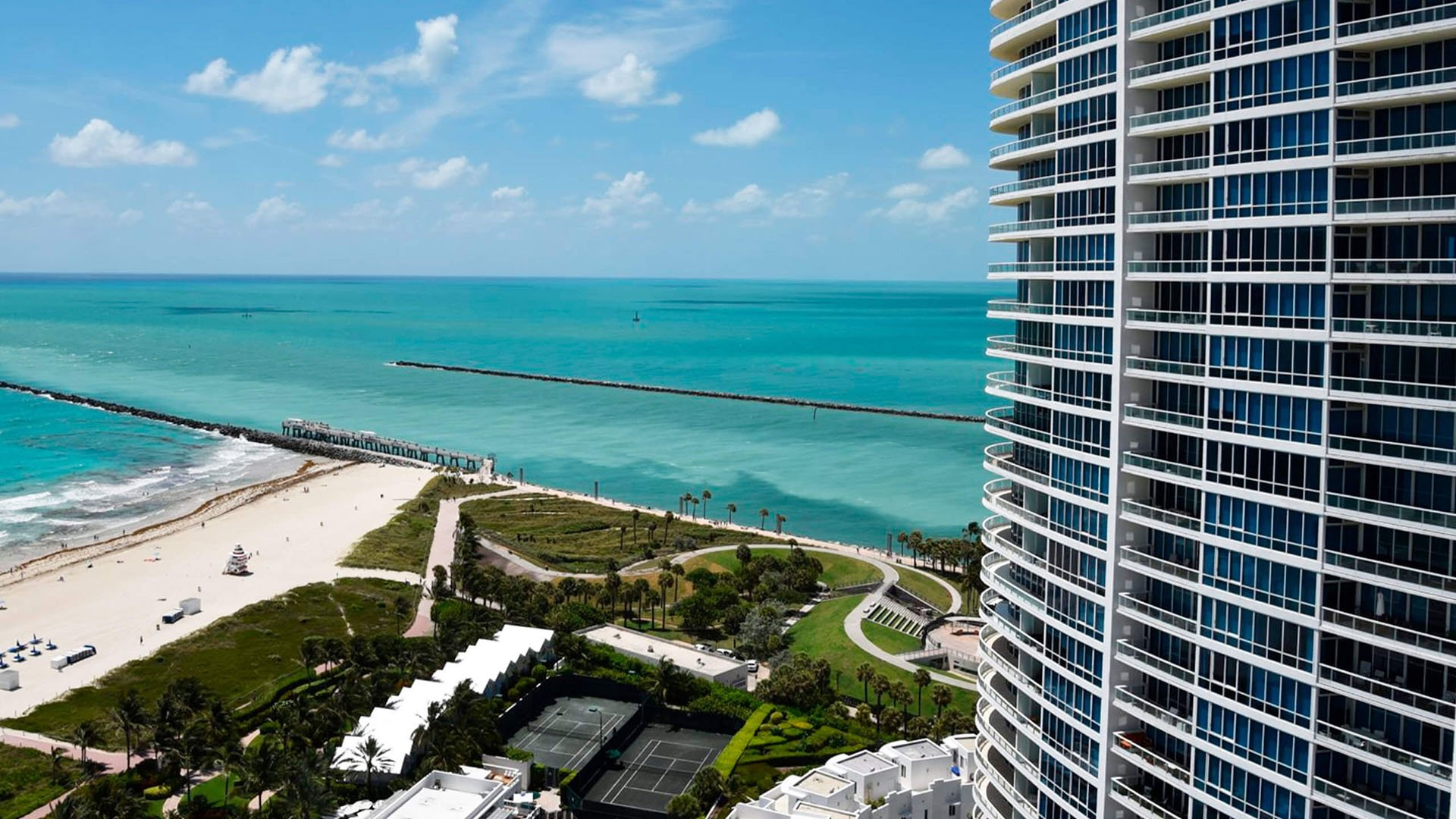
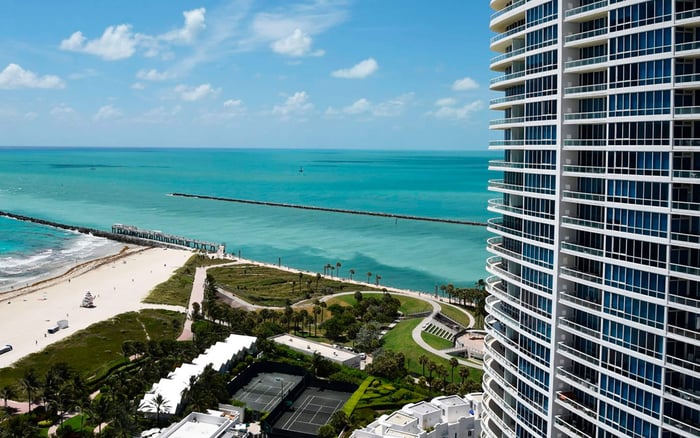
Buying at Continuum on South Beach is not merely a lifestyle decision. It is a balance-sheet decision. The property is a two-tower oceanfront condominium complex at the southern tip of Miami Beach, in the South of Fifth area, with the South Tower associated with 100 South Pointe Drive and the North Tower associated with 50 South Pointe Drive. That physical structure matters because a reserve study is only as strong as the assumptions beneath it.
For a high-value buyer, the objective is not to label a building “good” or “bad” based on a headline reserve balance. The objective is to understand how the association expects to fund the future. At a property with direct marine exposure, substantial shared site infrastructure, and an extensive amenity program, the sharper question is whether the reserve study is precise enough for the asset.
Key buyer context: Continuum on South Beach, South of Fifth, Sofi, Miami Beach, oceanfront, and resale are all part of the same due-diligence conversation.
The first question is deceptively simple: does the study analyze the South Tower, the North Tower, shared site infrastructure, and shared amenities separately, or does it treat the entire property as one generic asset pool? At Continuum, that distinction is important because the towers and shared areas may have different capital needs, wear patterns, and cost timing.
Ask for the current reserve study date, the preparer’s credentials, and whether the work reflects a full site inspection or only a financial update. A full visual review can differ meaningfully from a spreadsheet refresh. Buyers comparing South Beach luxury condominiums, including Apogee South Beach, should apply the same standard across buildings: what did the preparer actually inspect, and which assumptions were carried forward?
Continuum is directly oceanfront, so reserve assumptions should reflect accelerated wear from salt air, humidity, wind, and coastal exposure. This is not a theoretical point. In marine conditions, useful-life assumptions for exterior components can separate a calm funding plan from a future capital call.
Ask specifically what useful life and remaining useful life are being used for major components exposed to the ocean. Then ask whether those timelines were adjusted for the building’s actual location, height, wind exposure, and amenity intensity. A generic useful-life table may be too blunt for a trophy oceanfront address.
The same discipline applies when buyers examine newer or recently delivered coastal residences such as 57 Ocean Miami Beach. Oceanfront ownership rewards precision. The closer the building is to salt, surf, and wind, the more important it becomes to understand how long the association expects each component to last.
A polished arrival sequence can distract from the items that matter most in a reserve study. Buyers should ask whether the schedule includes major exterior-envelope components such as façade restoration, waterproofing, windows, railings, balconies, and concrete repairs. These are not cosmetic questions. They are core questions about building integrity, water management, and long-term ownership cost.
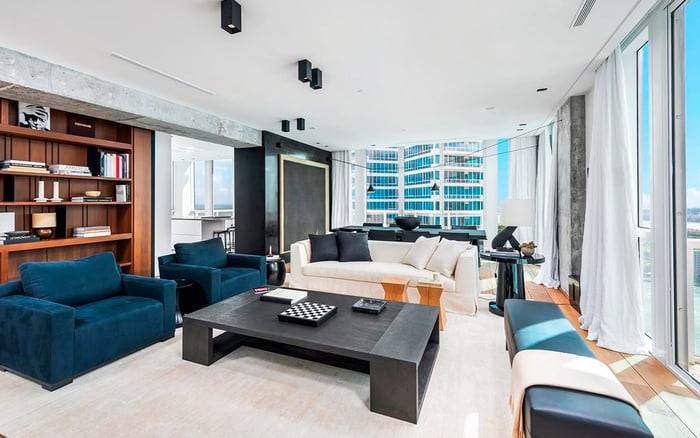
The study should also distinguish between cosmetic luxury upgrades and structural, life-safety, waterproofing, or building-integrity work. At an ultra-premium property, common-area finishes may be important to resale positioning, but they should not obscure capital work that protects the asset itself.
Ask whether any recent engineering reports, inspections, waterproofing evaluations, or façade assessments changed the reserve assumptions. If new technical information exists, the reserve plan should reflect it. If the assumptions have not changed, a buyer should understand why.
Continuum’s amenity program is central to its appeal, and it should also be central to the reserve analysis. Buyers should ask whether pools, fitness facilities, spa areas, restaurant-related areas, tennis courts, landscaping, and common-area finishes are included as reserve components. Luxury amenities are not static décor. They are operating environments with surfaces, systems, equipment, staffing implications, and replacement cycles.
This is where the South of Fifth lens becomes useful. Buyers often compare Continuum with other branded or service-forward residences nearby, including The Ritz-Carlton Residences® South Beach. The comparison should not stop at views, floor plans, or service culture. It should include how each association, or future association, expects to maintain the amenities that define the experience.
Ask whether high-use amenity areas have their own replacement timelines, whether common-area finishes are funded as recurring components, and whether large amenity refurbishments are treated as predictable reserve events or discretionary future upgrades.
A large reserve balance can still be vulnerable if the cost assumptions are stale. Buyers should ask whether replacement-cost estimates are based on recent South Florida bid data for luxury oceanfront buildings rather than generic construction-cost tables. Labor, materials, access, staging, insurance-sensitive repairs, and coastal restoration work can behave differently in premium oceanfront environments.
Inflation is another key variable. Ask what inflation rate the study assumes for construction, labor, materials, and coastal work. Then ask what interest-rate or investment-return assumptions are being used for reserve balances and whether those assumptions are conservative. A reserve plan that relies on optimistic returns or muted construction inflation may appear cleaner than it is.
The question is not whether the numbers are high or low in isolation. The question is whether they are credible for this asset, in this location, with this level of service and exposure.
After reviewing components and costs, ask how the plan gets funded. Do projected reserve contributions fully fund future work, or does the association expect special assessments, loans, or fee increases? If the answer is uncertain, that uncertainty belongs in the buyer’s underwriting.
Ask how much of the current monthly maintenance fee is allocated to reserves versus operations and amenities. Then ask whether the reserve balance is held in cash or liquid investments and whether funds are restricted for specific components. Liquidity matters because the timing of capital projects is not always convenient.
Buyers should also ask whether any reserve items have been deferred, removed, or extended beyond original useful-life assumptions to reduce near-term fees. Deferral is not automatically a red flag, but it should be understood. A refined acquisition at this level requires looking beneath the elegance of the offering.
For buyers considering a broader Miami Beach search, including Shore Club Private Collections Miami Beach, the same principle applies: future capital planning is part of the luxury experience, not an afterthought.
Before relying on any summary, ask for board minutes, budgets, reserve schedules, and recent owner notices. These materials can reveal whether major projects, assessment discussions, funding changes, or reserve adjustments are already under consideration. They can also show whether the board’s posture is proactive, reactive, or still evolving.
The best reading of a reserve study compares assumptions against the actual age, coastal exposure, and amenity intensity of Continuum. It does not rely only on the headline balance. In South Florida’s ultra-premium condominium market, the most sophisticated buyers treat reserve review as a design, engineering, and financial exercise at once.
What is the first reserve-study question to ask at Continuum? Ask whether the study separates the South Tower, North Tower, shared infrastructure, and amenities rather than treating the property as one pool.
Why does oceanfront exposure matter? Salt air, humidity, wind, and coastal conditions can accelerate wear, so useful-life assumptions should reflect the marine environment.
Which exterior items should be reviewed? Buyers should look for façade restoration, waterproofing, windows, railings, balconies, and concrete repairs in the reserve schedule.
Should amenities be included in reserves? Yes. Pools, fitness areas, spa spaces, restaurant-related areas, tennis courts, landscaping, and common finishes should be addressed.
What should buyers ask about the reserve preparer? Ask for the study date, the preparer’s credentials, and whether the study involved a full site inspection or only a financial update.
How should replacement costs be tested? Ask whether estimates are based on recent South Florida bid data for luxury oceanfront buildings rather than generic cost tables.
Why do inflation assumptions matter? Construction, labor, materials, and coastal restoration costs can change quickly, so low inflation assumptions may understate future needs.
What funding questions are most important? Ask whether contributions fully fund projected work or whether special assessments, loans, or fee increases may be expected.
Can cosmetic upgrades distort the analysis? They can. Buyers should separate luxury finish upgrades from structural, life-safety, waterproofing, and building-integrity work.
What documents should a buyer request? Request board minutes, budgets, reserve schedules, and recent owner notices to see whether major projects are already being discussed.
For a discreet conversation and a curated building-by-building shortlist, connect with MILLION.
If branded residences are on your mind — as a home or as an allocation — we would be glad to share what we are seeing, privately.
Begin a quiet conversation