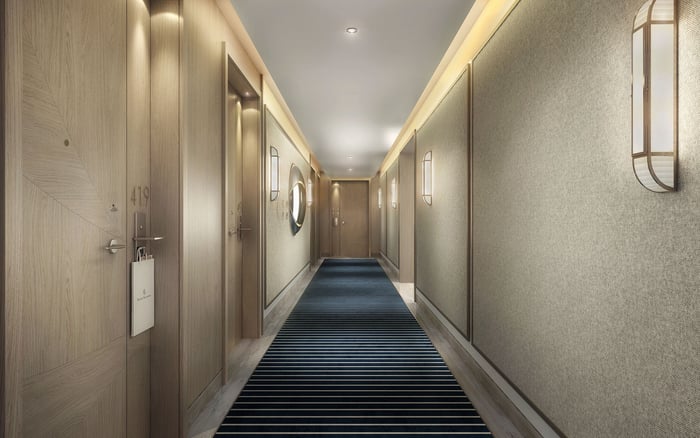
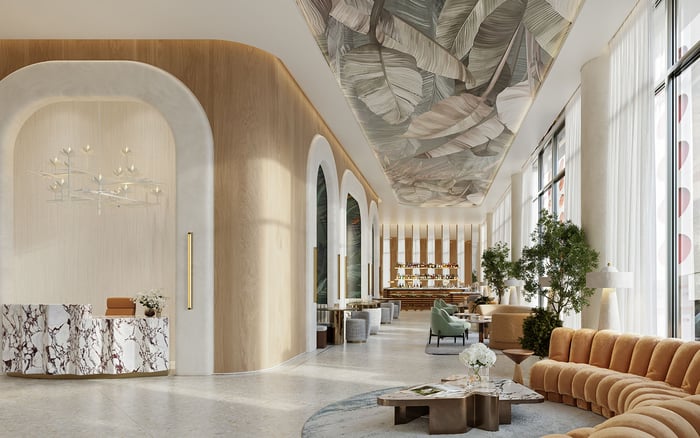
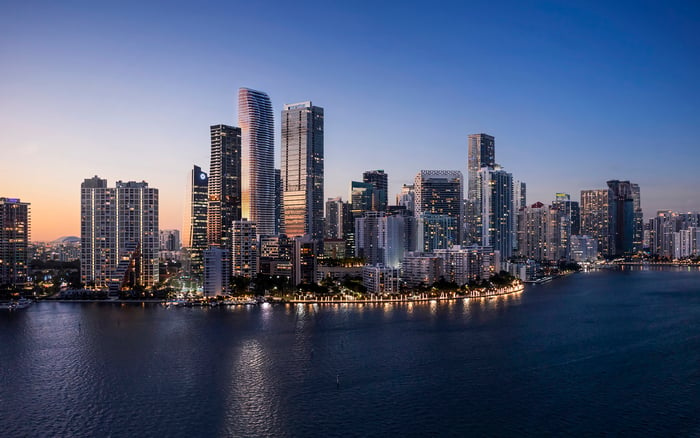
A buyer-oriented design comparison between two of Miami’s most design-forward new luxury addresses, focusing on customization pathways, finish philosophy, and lifestyle integration.
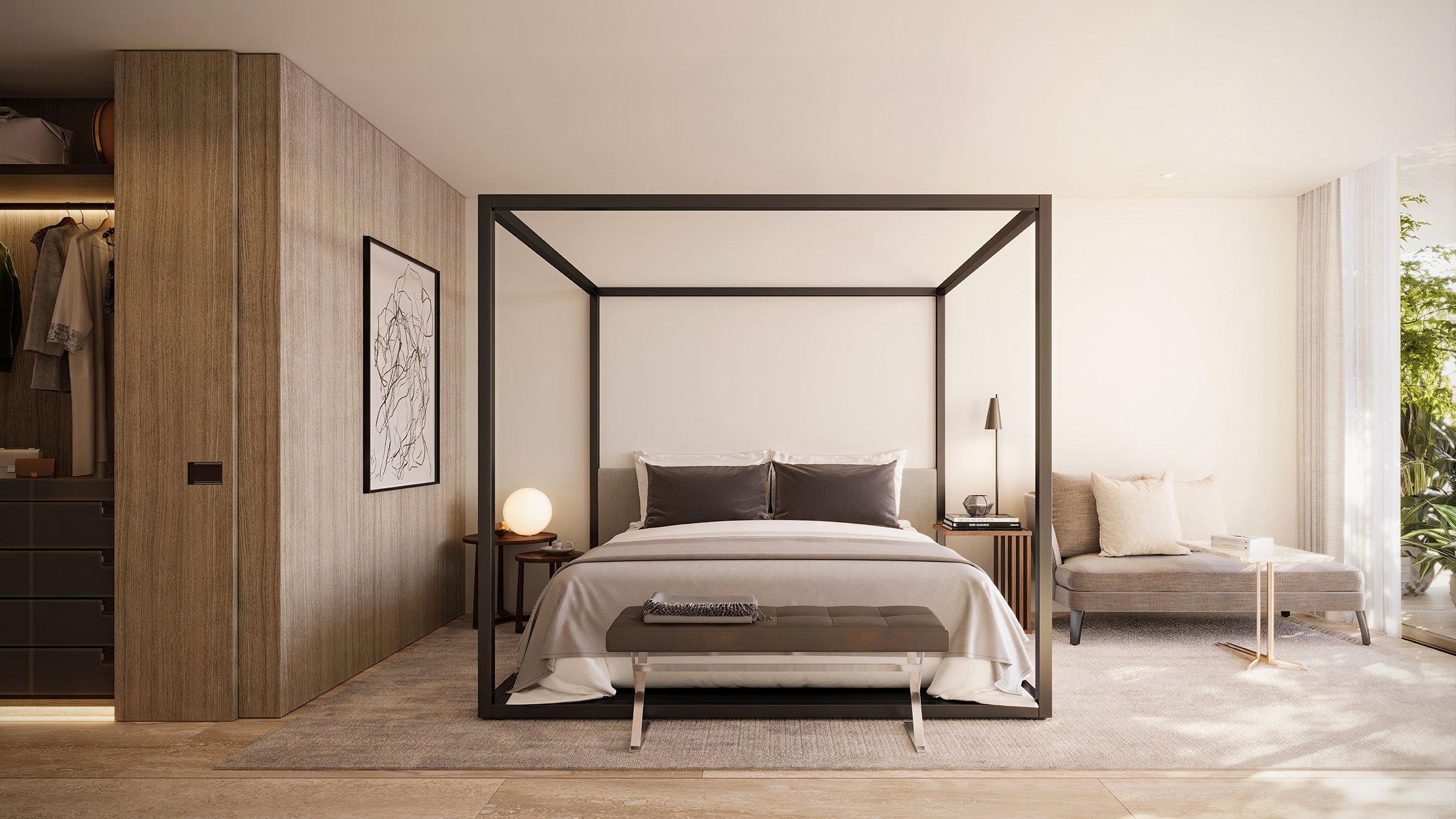
In Miami’s upper tier, “bespoke” is rarely just about choosing a lighter oak or a darker stone. The more consequential question is whether a residence arrives with a fully resolved point of view-or whether it is deliberately engineered as a canvas for an owner’s private designer.
That distinction sits at the center of comparing The Residences at Mandarin Oriental, Miami with The Residences at 1428 Brickell. Both reflect a rarefied level of intent, yet they tend to attract different buyer temperaments: one prioritizes a quiet, hotel-calibrated sense of ease; the other leans into a sharper, contemporary expression aligned with Brickell’s vertical energy.
For discerning purchasers in Brickell, the “right” bespoke offering is the one that protects the integrity of the building while still giving you meaningful authorship. In practice, it comes down to how customization is structured, what is treated as standard versus upgrade, and how much design latitude is realistic within construction schedules.
Luxury residences attached to a hospitality brand are often designed to feel effortless. That does not mean generic. It typically means the baseline palette is composed to read calm and continuous-consistent detailing, coherent material transitions, and spaces that support a service-forward lifestyle. In that context, bespoke tends to show up as highly controlled personalization: tailored millwork, curated finish enhancements, and layout decisions that preserve overall harmony.
A pure residential tower in a high-profile urban node often reads differently. The design typically emphasizes skyline presence, crisp geometries, and statement surfaces that hold up at scale. Here, bespoke is frequently oriented toward expression and performance: dramatic stone selections, bolder lighting plans, and kitchen systems that can be specified to match an owner’s entertaining style.
Neither approach is “more luxurious.” They simply optimize for different definitions of luxury. If you want your home to feel like it was always meant to exist exactly as delivered, the hospitality-calibrated route may resonate. If you want a home that telegraphs your taste more overtly, the modern tower ethos can be a stronger starting point.
Even when customization menus are extensive, most meaningful personalization concentrates in a handful of areas. When comparing The Residences at Mandarin Oriental, Miami and The Residences at 1428 Brickell, evaluate bespoke offerings through these zones.
The entry sequence is where a residence either feels composed or improvised. Look for opportunities to customize:
Flooring transitions that read intentional rather than piecemeal
Wall treatments that can be integrated with concealed storage
Lighting layers that flatter art and reduce glare at night
Hospitality-rooted residences tend to favor a softer, gallery-like arrival. Urban towers often allow a more architectural threshold, sometimes supporting stronger contrast and sculptural fixtures.
At this level, kitchens are less “appliance zones” and more architectural furniture. Bespoke options that matter include:
Cabinetry composition and door profiles (flat, framed, fluted)
Stone selection and edge detailing
Hardware tactility and finish longevity
Pantry and back-kitchen potential for staff-supported living
If you are planning frequent entertaining in Brickell, focus on how the kitchen reads from the main living area-and whether upgrades maintain visual calm while improving performance.
This is often the most emotionally persuasive room in a luxury sales process, and also the room where mistakes are costly to correct later. Prioritize bespoke pathways that elevate daily use:
Better stone matching and book-matching where possible
Upgraded fixtures with serviceable parts availability
Thoughtful mirror and lighting integration
Storage and vanity ergonomics
Hospitality influence tends to deliver “quietly perfect” bathing environments. Modern tower design can introduce sharper lines and higher contrast that feel more editorial and tailored.
Bespoke millwork is where a residence becomes unmistakably yours. The best programs allow you to integrate:
Full-height paneling that aligns with door heads and reveals
Media walls that hide wiring and ventilation correctly
Closet systems that support seasonal rotation and security
This is also where approvals matter. Ask whether bespoke millwork must be installed by an approved vendor and whether there is a standardized detail book to protect the building’s long-term finish quality.
In Miami, the edge between inside and outside defines the lifestyle. Customization is often limited here due to performance and code, but there may be meaningful choices:
Flooring materials suited to salt air and heat
Shading, drapery, and motorization packages
Lighting temperatures that preserve evening views
In Miami, buyers should treat glazing-adjacent changes cautiously. A beautiful but incorrect shade system can create glare, heat-load issues, and an uneven facade appearance from the exterior.
Because the Research Pack and Fact Table do not specify each building’s exact option set, the safest way to compare these two residences is to focus on process. The most valuable bespoke offering is the one that is clear, enforceable, and timed correctly.
Confirm these points early:
Which items are owner-selectable versus fixed? (Flooring, stone, cabinetry, plumbing trim, lighting.)
When do selections lock? What happens if you miss a deadline?
Who signs off on changes, and what is the design review cadence?
Which upgrades remain under building warranty, and which shift responsibility to the owner?
Are you allowed to bring a private team pre-closing, or must changes occur post-closing?
A common misconception is that “bespoke” means unlimited choice. In practice, the best luxury programs limit choices strategically so upgraded homes still feel coherent, serviceable, and durable.
In trophy markets, personalization can either increase desirability or narrow the buyer pool. The difference is rarely price. It is coherence.
Bespoke that tends to age well:
Natural materials with timeless undertones
Integrated storage and millwork that reads architectural
Lighting plans designed for both art and daily living
Bespoke that can become a resale headwind:
Ultra-specific color stories that fight daylight shifts
Trend-driven surfaces that show wear quickly
Aggressive layouts that reduce flexibility (for example, over-programmed specialty rooms)
This is where a hospitality-influenced design language can be protective: it often discourages extremes. A contemporary tower framework can be equally protective if its baseline design is disciplined, but it may tempt buyers into bolder decisions. The key is to insist on a design narrative that remains elegant at 10 p.m., not only at noon.
Brickell is not a beachfront market, and it does not try to be. It is urban, vertical, and schedule-driven. That reality influences bespoke in two ways.
First, many owners want a residence that works immediately, with minimal post-closing construction. If you anticipate living in the home quickly, prioritize a selection path that delivers a complete, resolved interior with minimal change orders.
Second, sound, privacy, and light control often become more important than “wow” surfaces. In a dense skyline, bespoke decisions like acoustic upgrades, door hardware quality, and layered window treatments can matter more than an exotic stone.
Use this checklist to compare The Residences at Mandarin Oriental, Miami against The Residences at 1428 Brickell without getting lost in renderings.
Material continuity: Do transitions feel inevitable, or patched together?
Door and reveal discipline: Are alignments consistent across the home?
Lighting strategy: Is it layered and dimmable, or mostly decorative?
Kitchen ergonomics: Can two people cook and entertain without collision?
Bath detailing: Do drains, niches, and stone joints look intentional?
Storage truth: Is there real linen, utility, and seasonal storage?
Upgrade realism: Are the most important improvements available pre-closing?
Serviceability: Are finishes and fixtures easy to maintain in Miami’s climate?
Choose The Residences at Mandarin Oriental, Miami if you value:
A calm, hospitality-calibrated interior that feels complete at delivery
Discreet luxury, where material quality speaks louder than contrast
A lifestyle that rewards seamlessness, privacy, and ease of use
Choose The Residences at 1428 Brickell if you value:
A sharper contemporary frame that supports statement choices
A residence that feels distinctly urban and skyline-oriented
The ability to express taste through bolder material and lighting moves
The most successful bespoke outcomes are not the most expensive ones. They are the most edited, the most consistent, and the most aligned with how you actually live in Miami.
Which project offers more bespoke design flexibility? It depends on each building’s published customization program and deadlines; ask for the selections schedule and approval process early.
Is a hospitality-branded residence always more “finished” at delivery? Often the baseline is more tightly curated, but the practical difference is how controlled the upgrade pathways are.
What are the highest-impact upgrades for daily living? Lighting layers, closet and storage millwork, and kitchen ergonomics typically outperform purely decorative changes.
Can bespoke choices hurt resale value in Brickell? Yes, if the palette is too personalized; coherent, timeless materials usually protect liquidity.
Should I plan custom millwork before closing or after? If allowed, pre-closing integration is cleaner; otherwise plan post-closing work with strict building approvals.
What should I ask about warranties when upgrading finishes? Confirm what remains under building warranty versus owner-installed work, especially for plumbing and electrical upgrades.
How do I evaluate a kitchen design beyond the brand names? Focus on layout, storage, ventilation, and sightlines from the living area, not only appliance specifications.
Do outdoor upgrades matter if I rarely use the terrace? Yes, because shading and lighting choices affect interior comfort, glare control, and nighttime ambiance.
What is the most common bespoke mistake in luxury condos? Over-customizing with trend-driven finishes that date quickly or complicate maintenance in Miami’s climate.
How can I compare two design programs efficiently? Request the options book, the timeline for selections, and a clear list of what is fixed versus owner-selectable.
For a confidential assessment and a building-by-building shortlist, connect with MILLION Luxury.
If branded residences are on your mind — as a home or as an allocation — we would be glad to share what we are seeing, privately.
Begin a quiet conversation