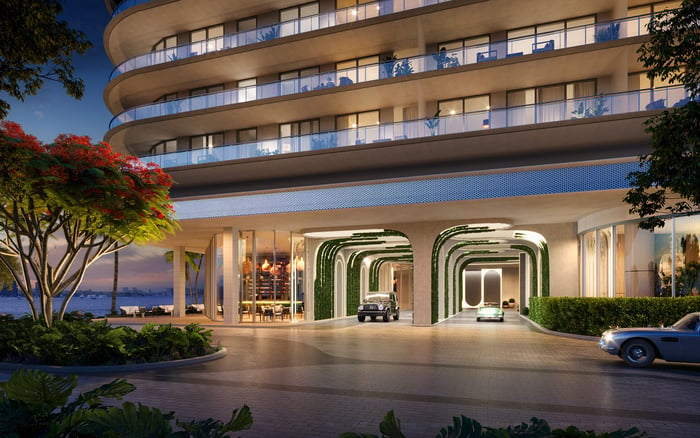
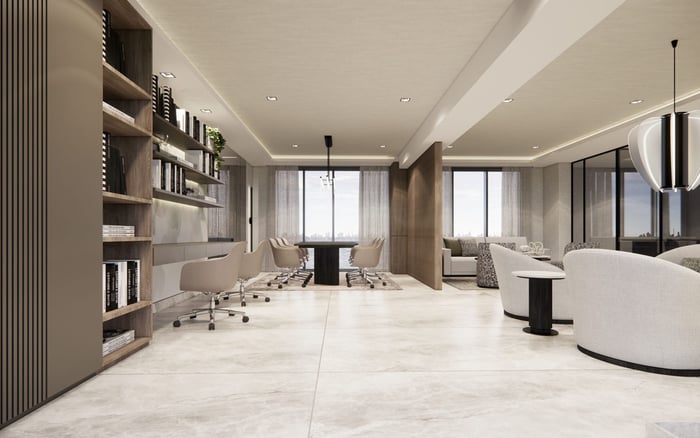
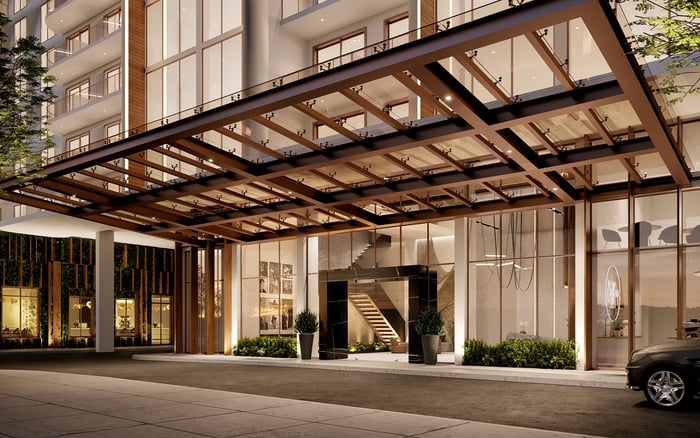
North Bay Village is entering a more intentional era, and two marquee names are helping define what that could mean for residents, streetscapes, and daily life. This MILLION Luxury editorial compares Continuum Club & Residences North Bay Village and Shoma Bay through the lens that matters to sophisticated buyers: neighborhood feel, arrival and privacy, lifestyle programming, long-term value narratives, and how each project may influence the island’s evolving identity.
North Bay Village has always been a connector-an island grid with the bay on both sides, positioned between the energy of Miami and the cultural pull of Miami Beach. What’s changing isn’t the geography; it’s the ambition: a shift from pass-through convenience to a place that competes for true end-user residency.
For luxury buyers, that shift shows up most clearly in two places: the caliber of new residential product and the coherence of the street-level experience. When signature developments arrive, they do more than add inventory-they set a new baseline for architecture, service, waterfront access, and the kind of daily life residents begin to expect from the island itself.
In that context, Continuum Club & Residences North Bay Village and Shoma Bay North Bay Village read as two distinct declarations of intent. This isn’t simply a “which has better amenities” debate. It’s a question of what kind of island North Bay Village becomes-and where, within that future, you want to live.
Luxury real estate is part product, part story-and the story matters because it shapes buyer mix, resale confidence, and the social tone of a building.
Continuum Club & Residences North Bay Village
carries an association with the established South-of-Fifth lifestyle in Miami Beach, where brand equity has long been anchored in privacy, service, and a club-minded approach to waterfront living. For some buyers, that continuity is the point: a familiar standard, translated into a new setting.
Shoma Bay North Bay Village
suggests a different emphasis: a contemporary, city-forward sensibility that often appeals to buyers who prioritize newness, efficiency, and a clean design language. If Continuum’s narrative leans toward legacy and club culture, Shoma Bay’s reads as modern momentum.
Neither narrative is “better.” But the one you choose tends to shape your experience-your neighbors, the programming, and how your home feels five years after delivery.
Discerning buyers eventually stop asking, “Is there valet?” and start asking, “How does the building move?” Circulation is the quiet luxury: the moments between the car and the front door, the clarity of wayfinding, and the separation between resident life and visitor activity.
In an island environment, arrival is also about preserving calm. The best buildings anticipate the reality of causeway traffic and address it with thoughtful drop-offs, clear resident-only pathways, and a lobby that feels like a threshold-not a corridor.
If you value a more insulated, members-club cadence, you’ll likely prioritize arrival experiences that minimize friction and maximize discretion. If you prefer an urban-resort rhythm, you may be more comfortable with an arrival sequence that feels lively, with an emphasis on visible design, hospitality cues, and a more social ground floor.
The decision is personal, but it’s also practical: privacy is a lifestyle feature that tends to appreciate as a neighborhood gains attention.
Biscayne Bay is a dramatic stage, but the performance changes depending on how a residence frames it. Sophisticated buyers evaluate waterfront living in layers: sightlines, sun exposure, wind, nighttime light reflection, and whether balconies or terraces truly work in day-to-day use.
A bayfront residence that elevates daily life isn’t only about a wide view. It’s about a view that feels composed-water in the foreground, skyline in the distance, and enough separation to keep the scene serene.
In North Bay Village, the most compelling value proposition is the combination of proximity to Miami’s core with the psychological relief of open water. If you’re weighing these two developments, focus on the micro-experience: where you’ll take your morning coffee, where guests will naturally gather, and whether your outdoor space is protected enough to be used regularly.
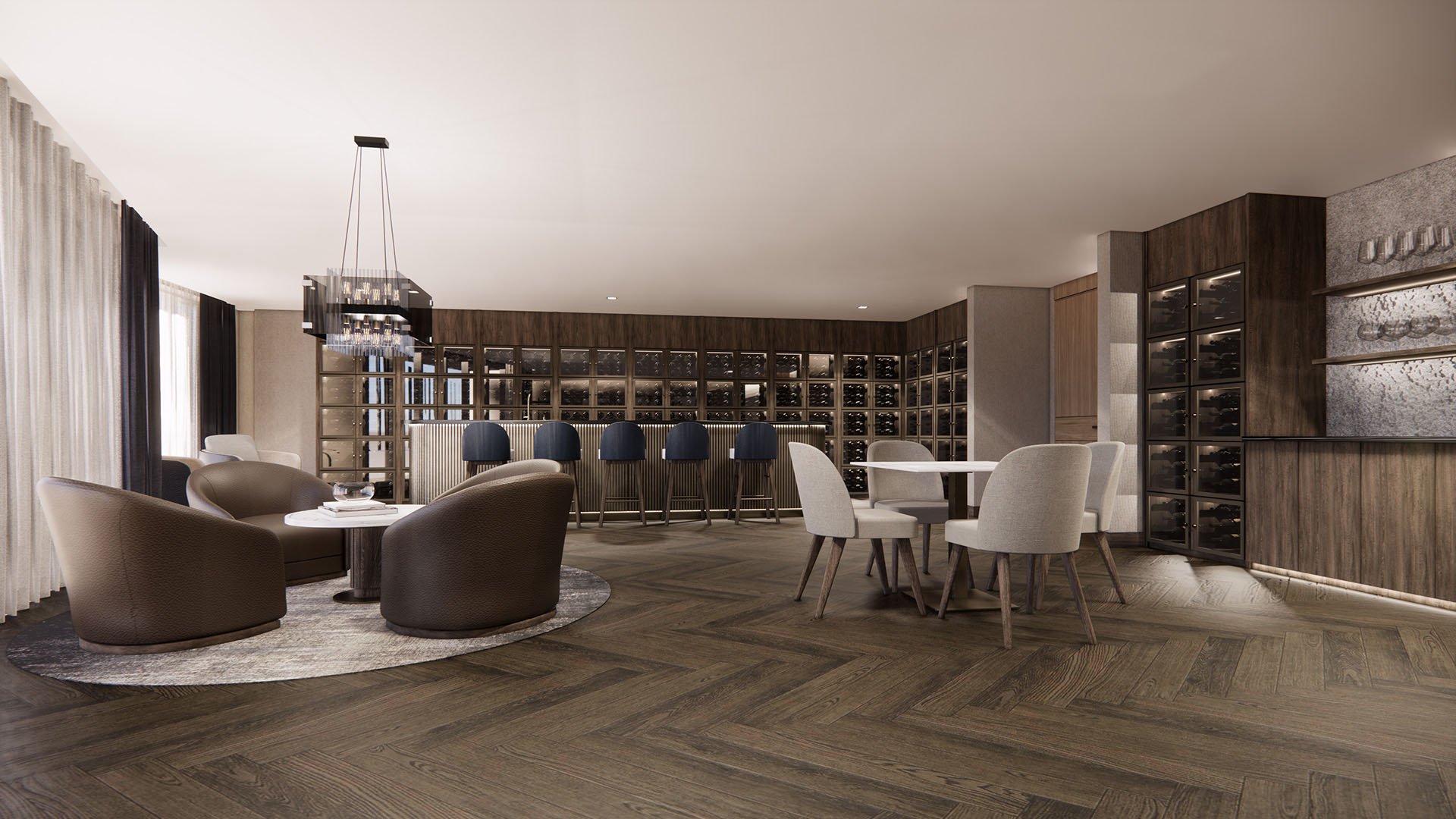
Amenities matter, but lifestyle programming is what makes a building feel alive. Two projects can offer pools, fitness, and social rooms-and still deliver entirely different lived experiences based on how those spaces are activated.
Club culture tends to be quieter and more ritualized: a consistent level of service, a familiar cadence of usage, and a sense that residents share an unspoken agreement around discretion. Resort energy tends to be more extroverted: livelier weekends, a greater emphasis on hosting, and more visible social mixing.
Buyers should ask themselves:
Do you want your building to be a sanctuary or a scene-or something in between?
Are you purchasing as a primary home, a second-home, or an investment?
Do you prefer a social calendar curated by the property, or autonomy with optional participation?
These questions are often more predictive of satisfaction than the amenity list itself.
North Bay Village’s charm is its scale. The risk, as luxury arrives, is that scale can feel strained if streets, retail, and waterfront access don’t evolve with it. The opportunity is that well-executed development can “complete” an island by adding the components that make daily life feel elevated: walkable edges, an improved public realm, and a more coherent relationship between buildings and the bay.
When two major luxury projects enter the conversation, the island grid can shift in three ways:
Demand patterns: Higher-end buyers draw higher-end services, from dining to wellness.
Design expectations: New architecture resets what buyers consider acceptable finishes and layouts.
Identity: North Bay Village becomes a destination neighborhood rather than a convenient address.
For residents, the upside is a more polished neighborhood experience. The tradeoff can be a transitional period of construction and shifting traffic flows. Prepared buyers price that “inconvenience window” into their timeline and stay focused on the longer arc.
Part of evaluating North Bay Village is understanding what it is not. It isn’t the South-of-Fifth enclave with its entrenched luxury ecosystem. It isn’t Brickell’s vertical intensity. It isn’t Bal-harbour’s retail-centric prestige. Its value proposition is different: water, access, and the chance to buy into an emerging luxury narrative before it fully matures.
To calibrate your expectations, it can help to look at the broader South Florida luxury landscape. In Brickell, for instance, 2200 Brickell represents a refined, boutique-minded approach to urban living. In Miami Beach, Five Park Miami Beach signals a newer wave of design-forward, lifestyle-driven product. And in Bay Harbor Islands, Origin Bay Harbor Islands captures a more intimate, village-adjacent sensibility.
These comparisons aren’t about picking a “winner.” They’re about identifying your baseline: do you want an urban cadence, a resort-like beach cadence, or a bayfront island cadence with proximity to both?
Because project specifics can evolve over time, the most durable way to decide is to align a building’s implied personality with your priorities.
Continuum Club & Residences North Bay Village
may fit buyers who:
Value a club-minded atmosphere where privacy feels structural, not performative.
Prefer service culture and a residence that reads as long-term, not trend-driven.
Want North Bay Village as a quieter counterpoint to Miami Beach while staying close.
Shoma Bay North Bay Village
may fit buyers who:
Prefer contemporary, new-build energy and a modern lifestyle posture.
Enjoy a more social ground-floor ecosystem and hospitality-forward cues.
Want a fresh expression of bay living with an eye toward neighborhood momentum.
The key is honesty about how you live. The best luxury purchase is the one that disappears into your routine-and makes that routine better.
In emerging luxury submarkets, the strongest returns are often tied to patience and selectivity rather than speculation. The North Bay Village story is ultimately an “identity upgrade” story. When that kind of neighborhood shift works, it tends to be sticky-reinforced by multiple inputs such as resident demographics, new retail, and a higher standard of public realm.
For resale confidence, buyers should prioritize:
Timeless floor plans that live well without requiring constant redesign.
Outdoor space you will actually use.
A building culture that aligns with your household and guest patterns.
If your intent is Investment, be realistic about the renter profile the island attracts over time. Some buyers will gravitate to the ease of North Bay Village as an access point. Others will continue to pay a premium for Miami-beach and South-of-fifth cachet. The winning strategy is to buy a residence that remains compelling even without a marketing narrative.
Is North Bay Village becoming a true luxury neighborhood? It is trending toward a more premium identity as new development raises the baseline of design and lifestyle.
What is the core difference between Continuum Club & Residences North Bay Village and Shoma Bay? The distinction is primarily lifestyle posture: club-like discretion versus contemporary, momentum-driven living.
Which project is better for a primary residence? The better choice is the one whose daily rhythm matches your household, especially around privacy and social energy.
Which project feels more like Miami Beach living? Buyers seeking a closer analogue to Miami-beach often prioritize a club-forward, service-led atmosphere.
Will North Bay Village feel walkable over time? As new projects deliver and street-level activity increases, walkability can improve, especially near curated retail.
How should I evaluate waterfront value here? Focus on usable outdoor space, view composition, and how the residence handles sun, wind, and privacy.
Is this market more second-home or end-user? Both profiles exist, but the most resilient demand typically comes from end-users who value the island’s access.
How important is building culture in resale? Very important; buyer perception of privacy, management, and resident mix often drives long-term desirability.
Does North Bay Village compete with Brickell for luxury buyers? It can, but it is a different proposition: bayfront calm and access rather than a dense urban core.
What should I do before reserving in either project? Clarify how you will use the home, then align layout, privacy, and lifestyle programming with that intent.
If you'd like a private walkthrough and a curated shortlist, connect with MILLION Luxury.
If branded residences are on your mind — as a home or as an allocation — we would be glad to share what we are seeing, privately.
Begin a quiet conversation