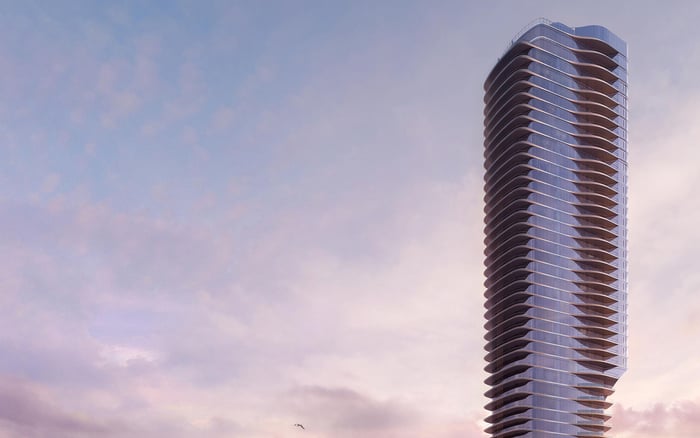
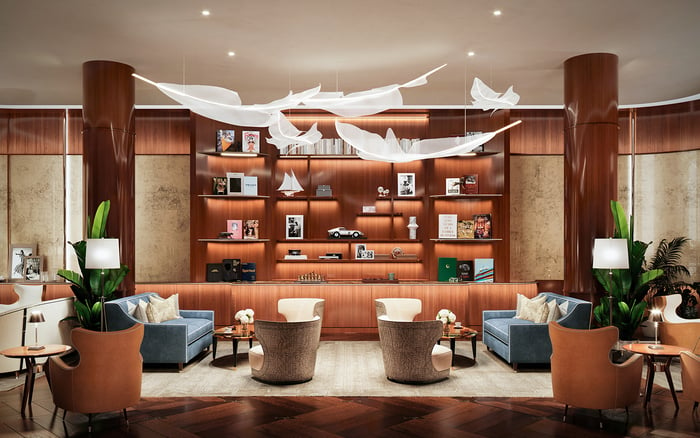
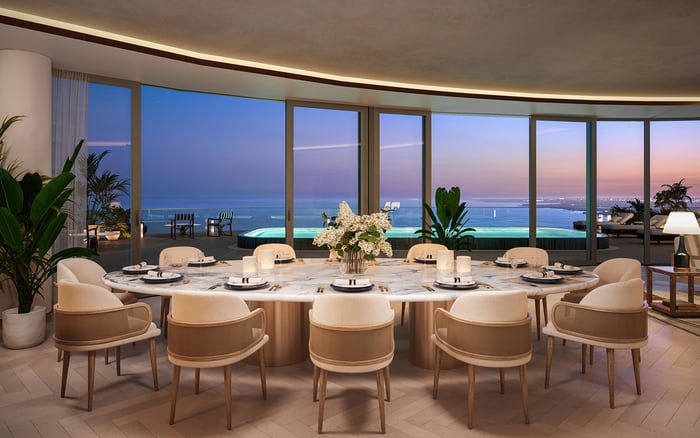
In Brickell’s next generation of branded towers, the private elevator foyer has become a quiet proxy for how a building thinks about discretion. This editorial compares the lived privacy of arrival at St. Regis® Residences Brickell and Cipriani Residences Brickell, focusing on what buyers can control, what guests perceive, and how the “threshold” between public and private is choreographed.
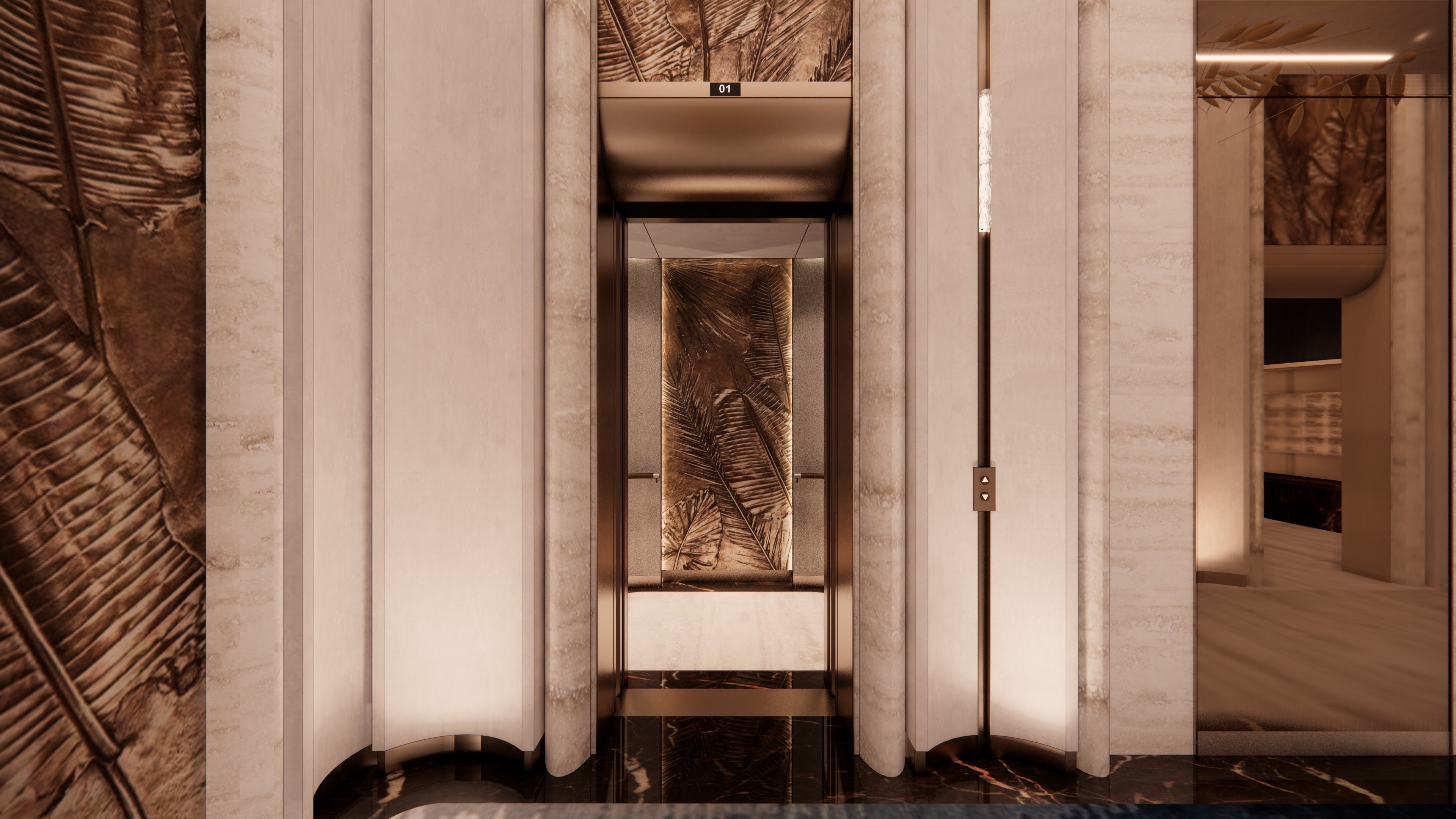
In the ultra-premium segment, a “private elevator” is table stakes. What separates a merely exclusive tower from a truly discreet one is what happens after the doors open: the foyer, the sightlines, the acoustics, and whether your front door feels like the end of a private journey-or the beginning of a shared one.
A private elevator foyer is more than a square-footage perk. It’s a design decision about how a building handles human friction: neighbors waiting for a car, a guest who arrives early, a driver coordinating a handoff, a delivery that shouldn’t become lobby theater. For buyers who prioritize day-to-day privacy, the foyer is the psychological buffer that keeps “home” intact.
This is the frame for evaluating discretion at St. Regis® Residences Brickell versus Cipriani Residences Brickell. With limited standardized detail across projects, the most reliable comparison isn’t marketing language-it’s the lived realities you can evaluate in any private-foyer building: what’s shared, what’s seen, and what’s controllable.
Discretion is often confused with security. They overlap, but they aren’t the same.
Discretion is the ability to move through the building without being observed, interpreted, or interrupted. It’s about reducing exposure and eliminating forced social moments. A discreet building lets you arrive late, leave early, host quietly, and keep staff routines from becoming part of the public narrative.
In private elevator foyers, discretion hinges on four variables:
Exclusivity of the landing: whether the landing is effectively yours, or merely adjacent to others.
Sightline control: whether the elevator opening frames your door, your interior, or a shared hallway.
Time-to-door: how many steps and turns exist between elevator and entry.
Operational separation: how guests, staff, and deliveries are routed relative to your private threshold.
You can apply this same lens when comparing other Brickell towers that skew luxury-first, such as Una Residences Brickell, where the broader building culture around privacy often matters as much as the plan itself.
A private elevator foyer should read as a controlled antechamber-not a pause in a corridor. The most discreet setups tend to share a few traits:
The elevator doors open to a contained vestibule, ideally with walls that block lateral views.
The unit door is offset, so the elevator doesn’t “aim” at the entry.
There is a second layer of separation, such as a small gallery, a short turn, or a recessed entry.
When comparing St. Regis® Residences Brickell to Cipriani Residences Brickell, treat the elevator landing like a stage set. Ask: if someone steps out behind you, what do they see-your door, your art wall, a long line of doors? If your front door opens while the elevator is still present, can a guest see into your residence?
The more a building relies on a straight shot from elevator to door, the more it trades discretion for efficiency. Efficiency isn’t inherently bad; it simply creates a different social temperature. If you host frequently, you may prefer a landing that reads as a true arrival moment. If you prefer invisibility, you may want an arrangement that minimizes the time anyone can be near your entry.
Buyers often assume “private elevator foyer” means “no one else ever arrives here.” In practice, privacy sits on a spectrum.
A truly private foyer is functionally yours, with no practical reason for other residents to linger nearby. A semi-private landing can still feel luxurious, but it may introduce incidental encounters: a neighbor waiting for their elevator, a contractor orienting themselves, a guest who chose the wrong floor.
In discreet living, the difference is emotional. The more shared the landing feels, the more you’ll unconsciously manage your timing, your attire, and your routines. That’s the opposite of what buyers seek when they pay for branded, high-touch living.
For both St. Regis® Residences Brickell and Cipriani Residences Brickell, the best way to evaluate this is to focus less on labels and more on behavioral outcomes: can you step out and enter without stopping? Can your driver hand off a bag without a conversation happening around you? Can staff access be handled without crossing your guest arrival path?
Discretion is tested on weekends, not weekdays.
A private elevator foyer should be able to handle:
Early guests who arrive before you’re ready to receive them.
Multiple arrivals during a dinner, when the elevator becomes active.
Family logistics, where someone is coming and going with bags, strollers, or pets.
The discreet building gives you options. It lets you stage: a guest can step into a vestibule without feeling like they’re standing in a hallway. You can answer the door without broadcasting your interior. You can accept an item without creating a “scene.”
When you compare St. Regis® Residences Brickell and Cipriani Residences Brickell, consider the lifestyle cues each brand implies. St. Regis tends to read as ceremonious-the expectation is a composed arrival and a sense of occasion. Cipriani reads as clubbable and social-hospitality that feels elegant but lively. Neither is “more private” by default. The question is which aligns with the way you host.
If your entertaining style is intimate and controlled, you may favor an arrival sequence that feels buffered and formal. If your entertaining style is fluid and frequent, you may accept a touch more activity in exchange for an energetic building culture.
A private foyer can be undermined by operations.
Even in premium towers, the least discreet moments often involve third parties: deliveries, vendors, housekeeping, dog walkers, and maintenance. The strongest privacy isn’t about refusing access; it’s about routing and timing so access doesn’t collide with your life.
Key questions to ask in any private-foyer building:
Is there a clear distinction between resident arrival and service activity?
Can deliveries be handled without repeated knocks, phone calls, or lobby negotiations?
When staff arrives, do they cross the same threshold as your guests?
In Brickell, where density and pace are part of the neighborhood’s value, operational discipline becomes a luxury feature. If you want a helpful comparison point outside this exact matchup, consider how other luxury projects present their ownership experience and daily logistics, such as Baccarat Residences Brickell, where “arrival” is typically treated as part of the brand promise.
Discretion isn’t only about who sees you. It’s also about what you hear.
A private elevator foyer should reduce the building’s presence inside your home. The most desirable arrivals tend to be:
Acoustically dampened, so elevator mechanics and corridor sound don’t carry.
Visually calming, with lighting that flatters rather than exposes.
Materially consistent, so the landing feels like an extension of the residence-not a back-of-house moment.
If you tour either St. Regis® Residences Brickell or Cipriani Residences Brickell, pause in the foyer with the door closed and listen. If you can hear the elevator cycling, neighboring doors, or conversation, the privacy story becomes less complete. If the lighting is harsh, you’ll feel “on display” even when you’re alone.
These details matter because discretion is cumulative. A building can have a private landing, but if it feels bright, echoing, or transient, you’ll experience it as public.
Because hard, unit-by-unit privacy outcomes depend on plan and placement, the most useful approach is to align each building with the kind of discretion you actually want.
St. Regis® Residences Brickell
Tends to appeal to buyers who want privacy that feels composed and intentional. The discreet buyer here values controlled arrival, predictable service, and the sense that the building understands formality as comfort.
Cipriani Residences Brickell
Tends to attract buyers who want privacy without stiffness. The discreet buyer here may accept more energy in the building ecosystem, as long as the personal threshold still feels protected and the hospitality culture is polished.
If you’re deciding between them, ask yourself three simple questions:
Do you want your arrival to feel invisible, or ceremonial?
Do you host in a way that benefits from a “buffer” space outside the door?
Are you more sensitive to visual exposure, or to operational interruptions?
The most satisfied owners choose the building that matches their social rhythm. The most disappointed owners buy a feature, then discover they purchased a culture.
Is a private elevator foyer always more discreet than a shared corridor? Usually, but discretion depends on sightlines, sound control, and how the landing is shared.
What is the biggest privacy risk with private elevator landings? Straight-shot layouts that point the elevator directly at your front door increase exposure.
How can I evaluate discretion on a tour if the building is not complete yet? Review floor plans for door offsets and vestibules, and ask how guests and service are routed.
Do branded residences automatically offer better privacy? Not automatically; branding can elevate operations, but plan design and routing still matter.
Is discretion more about security systems or building design? Design drives daily discretion; security supports it, but cannot fix poor sightlines.
How does entertaining style change what “best” means? Frequent hosting benefits from a foyer that can hold arrivals without feeling like a hallway.
What should I listen for in a private foyer? Elevator cycling, corridor conversation, and door noise are common tells of weak acoustic privacy.
Are deliveries compatible with truly discreet living in Brickell? Yes, if the building has clear processes that prevent service activity from becoming public theater.
What should I ask about staff or vendor access? Ask whether there is a separate service path and how access is scheduled and managed.
Can two units on the same floor have very different discretion levels? Yes, placement and layout can change exposure dramatically even within the same building.
When you're ready to tour or underwrite the options, connect with MILLION Luxury.
If branded residences are on your mind — as a home or as an allocation — we would be glad to share what we are seeing, privately.
Begin a quiet conversation