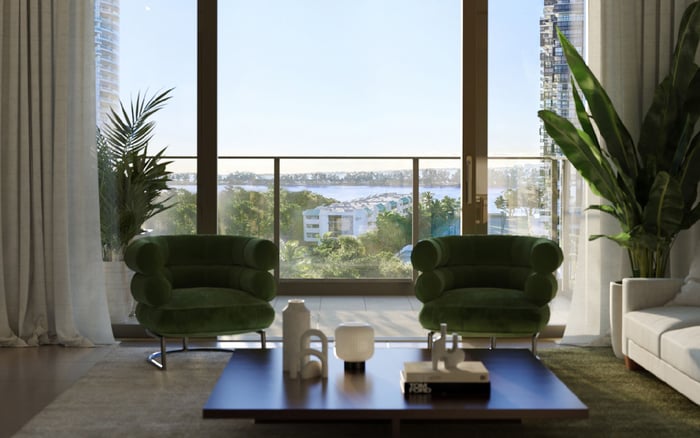
In Brickell, luxury buyers increasingly underwrite lifestyle and liquidity together. This comparison looks at how publicly disclosed rental rules shape real-world flexibility, contrasting a boutique South Brickell offering with a landmark high-rise where the rental framework is explicitly defined.
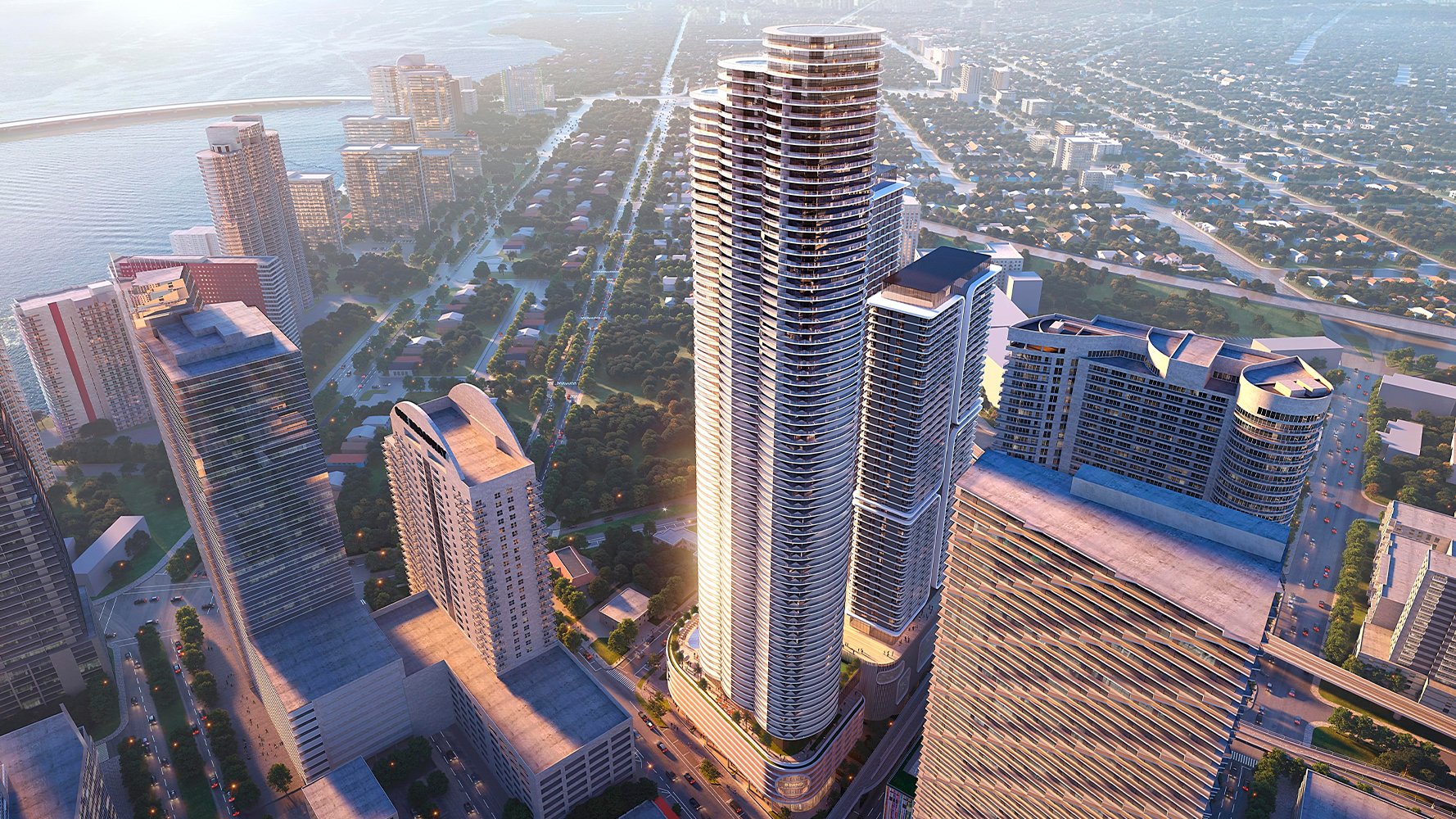
In today’s Brickell market, rental policy is no longer a line item buried in a disclosure package. It is a primary feature that shapes how you live in the residence, how optionality is underwritten, and how future buyers evaluate the asset.
Two projects show the range of approaches. Cipriani Residences Miami is closely tied to branded service and a vertical, high-rise lifestyle. Colette Residences presents itself as a discreet boutique alternative in South Brickell. For many buyers, the real dividing line is not only design or amenities - it is how clearly each building defines the rules for renting.
Because income assumptions can collide quickly with building-level restrictions, buyers who value flexibility should treat rental terms the way they treat view corridors, ceiling height, and elevator privacy: as diligence items you confirm early and treat as decisive.
Cipriani Residences Miami is located at 1420 S Miami Ave in Brickell and is planned as an 80-story tower with 397 residences. The building’s design is attributed to Arquitectonica, with interior design by 1508 London. Residences are marketed with 10-foot ceilings, and the amenity program is promoted at roughly 50,000 square feet with features that include pools, wellness and fitness, a screening room, and residents-only dining concepts.
Cipriani’s most consequential differentiator is the clarity of its publicly stated rental policy: owners may rent a maximum of two times per year, with a 30-day minimum per rental. For a buyer considering Investment use, that is a defining constraint. It removes nightly or weekly leasing strategies and aligns the property more naturally with a primary-residence profile, a longer-stay second-home cadence, or a deliberately planned executive lease.
For some luxury households, that level of restriction is not a drawback - it is part of the appeal. Fewer turnovers can mean quieter common areas, less wear in corridors and elevators, and a more consistent neighbor set. In brand-adjacent environments, the tradeoff is often straightforward: tighter control in exchange for greater predictability.
Colette Residences is marketed as a 5-story boutique building with 38 residences at 1880 Brickell Avenue in South Brickell. The project has been associated with OSPA as the architect and is promoted with 10’6” ceilings, floor-to-ceiling impact-resistant glass, private wraparound terraces, and private elevator entry to residences.
The floor plan mix is positioned for full-time living: 2- to 4-bedroom residences with stated sizes ranging from about 2,145 to 6,128 square feet. Pricing has been marketed as starting around $3.3 million. Published materials also emphasize high-end finishes, including Italian kitchen and millwork brands (including CESAR and LEMA) and Miele appliances. Amenities are marketed at 15,000+ square feet, with wellness and fitness, spa components, a screening room, and pool deck elements.
From a rental-policy standpoint, the central point is not that Colette is inherently more or less flexible. It is that publicly available marketing is less specific about rental caps and minimum-stay terms. In other words, a buyer cannot responsibly assume permissive leasing simply because the building is boutique or newly delivered. The enforceable answer lives in the condominium documents, any adopted rules, and the way the association applies them over time.
In practical terms, Colette’s boutique scale can appeal to buyers prioritizing privacy and low density, including households that view renting as occasional rather than foundational. But if rental optionality is part of your underwriting, plan to confirm the rules early - ideally before you develop strong attachment to a particular residence.
Luxury buyers often fall into two rental archetypes, and the distinction is consequential.
First is the “controlled flexibility” owner: a household that may lease once or twice per year around travel or corporate commitments, while prioritizing a stable resident community. For that buyer, Cipriani’s clearly stated framework can be compelling precisely because it is limiting. The math is cleaner, expectations are aligned, and the building’s culture tends to support longer-term occupancy.
Second is the “optionality” owner: a buyer who wants the ability to bring the residence to market when schedules shift. That does not automatically mean short-term rentals. It can mean leasing more frequently, or adjusting lease length, within the association’s comfort zone. For that profile, Colette may still be an excellent fit - but only once the documents confirm the intended leasing pattern is permitted.
Both approaches can be luxury. The error is treating rental rules as a secondary detail instead of a first-order constraint.
A rental-policy review should be intentional, and it should run in parallel with the normal luxury checklist.
Start by defining your target use case in plain language: “I want two 30-day leases per year,” or “I want the option to lease seasonally,” or “I will never rent, but I want a building that limits turnover.” Then request the governing documents, including the declaration, bylaws, and any rules and regulations that address leasing. Confirm whether there are limits on frequency, minimum term, approval process, application fees, and whether there are restrictions on corporate tenants.
Also consider what can shift after closing. Associations can adopt rules, and enforcement can tighten. A building that is quiet today can evolve in character if leasing becomes widespread. Conversely, a building that is strict today may remain the more stable choice for owners who value predictability.
This is where a broader portfolio lens can matter. Buyers who want strong “lock and leave” simplicity sometimes prefer a Miami Beach lifestyle with a different rhythm entirely, pairing city access with resort adjacency. In that context, a branded enclave like Casa Cipriani Miami Beach can be part of the conversation for those who want a parallel home base that feels self-contained.
Brickell’s rental market can be robust, and occupancy patterns can be compelling during peak months. But demand alone does not create income. Building-level rules determine whether you can participate, how often, and on what cadence.
Even when nightly demand looks attractive on paper, a 30-day minimum term changes the strategy. It moves the focus to longer-stay tenants, corporate housing, and seasonally planned leases. A two-rentals-per-year limit pushes owners toward fewer, larger blocks of tenancy and reduces the usefulness of frequent turnover as a revenue lever.
This is not inherently negative. For many luxury owners, minimizing turnover aligns with the day-to-day experience they want in the elevator lobby, at the pool, and in the fitness spaces. The key is to treat your rental plan as a design constraint - and select a building accordingly.
The cleanest way to frame this comparison is straightforward: Cipriani is explicit, and Colette requires confirmation.
Cipriani’s published rental policy - maximum two rentals per year with a 30-day minimum - is a clear anchor for decision-making. It supports a more residential, longer-stay community and helps owners forecast usage with fewer surprises. Its vertical scale, 80 stories and 397 residences, also signals a broader amenity and service ecosystem.
Colette’s proposition is different: a 38-residence, 5-story boutique address in South Brickell, with generous layouts, 10’6” ceilings, private elevator entry, and wraparound terraces designed around residential living. If rental flexibility matters, the next step is document-based verification - not assumption.
For buyers who are also mapping lifestyle across neighborhoods, Miami Beach’s newest residential offerings provide a useful contrast in density, privacy, and amenity culture, from the park-adjacent energy of Five Park Miami Beach to the hospitality-forward feel of Shore Club Private Collections Miami Beach.
What is the stated rental policy at Cipriani Residences in Brickell? Owners are allowed to rent a maximum of two times per year, with a 30-day minimum per rental.
Does Cipriani’s policy allow Airbnb-style nightly rentals? A 30-day minimum term effectively rules out nightly rentals, even if local rules might otherwise allow them.
Where is Cipriani Residences Miami located? It is located at 1420 S Miami Ave in Brickell.
How tall is Cipriani Residences Miami and how many residences are planned? It is planned as an 80-story tower with 397 residences.
Who is associated with Cipriani’s design and interiors? The tower is designed by Arquitectonica, with interiors by 1508 London.
Where is Colette Residences located and what is its scale? Colette is at 1880 Brickell Avenue and is marketed as a 5-story building with 38 residences.
What residence sizes and layouts are promoted at Colette? It offers 2- to 4-bedroom plans and markets residences at about 2,145 to 6,128 square feet.
Are Colette’s rental limits publicly stated as clearly as Cipriani’s? Colette’s marketing is less explicit on rental caps and minimum terms, so documents should be reviewed.
Why do rental rules matter beyond income? They influence turnover, privacy, noise, and the day-to-day character of amenities and common areas.
What is the safest first step if rental flexibility is important? Obtain and review the condominium declaration, bylaws, and current rules to confirm lease frequency and minimum terms.
For a confidential assessment and a building-by-building shortlist, connect with MILLION Luxury.
If branded residences are on your mind — as a home or as an allocation — we would be glad to share what we are seeing, privately.
Begin a quiet conversation