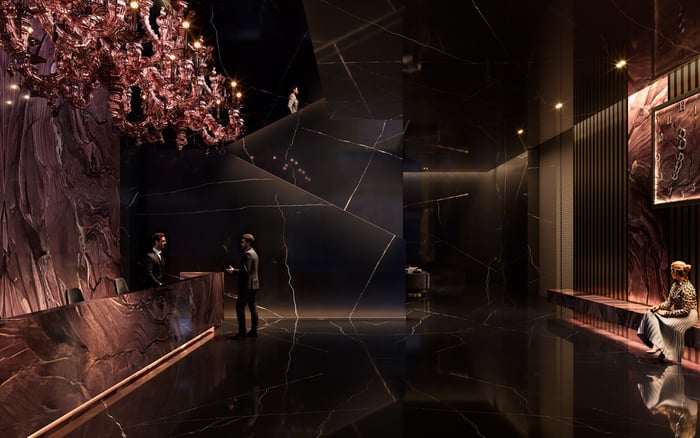
A practical comparison for collection-minded buyers weighing Colette Residences Brickell against The Ritz-Carlton Residences® West Palm Beach, with focus on freight access, installation logistics, service protocols, and climate-controlled storage diligence.
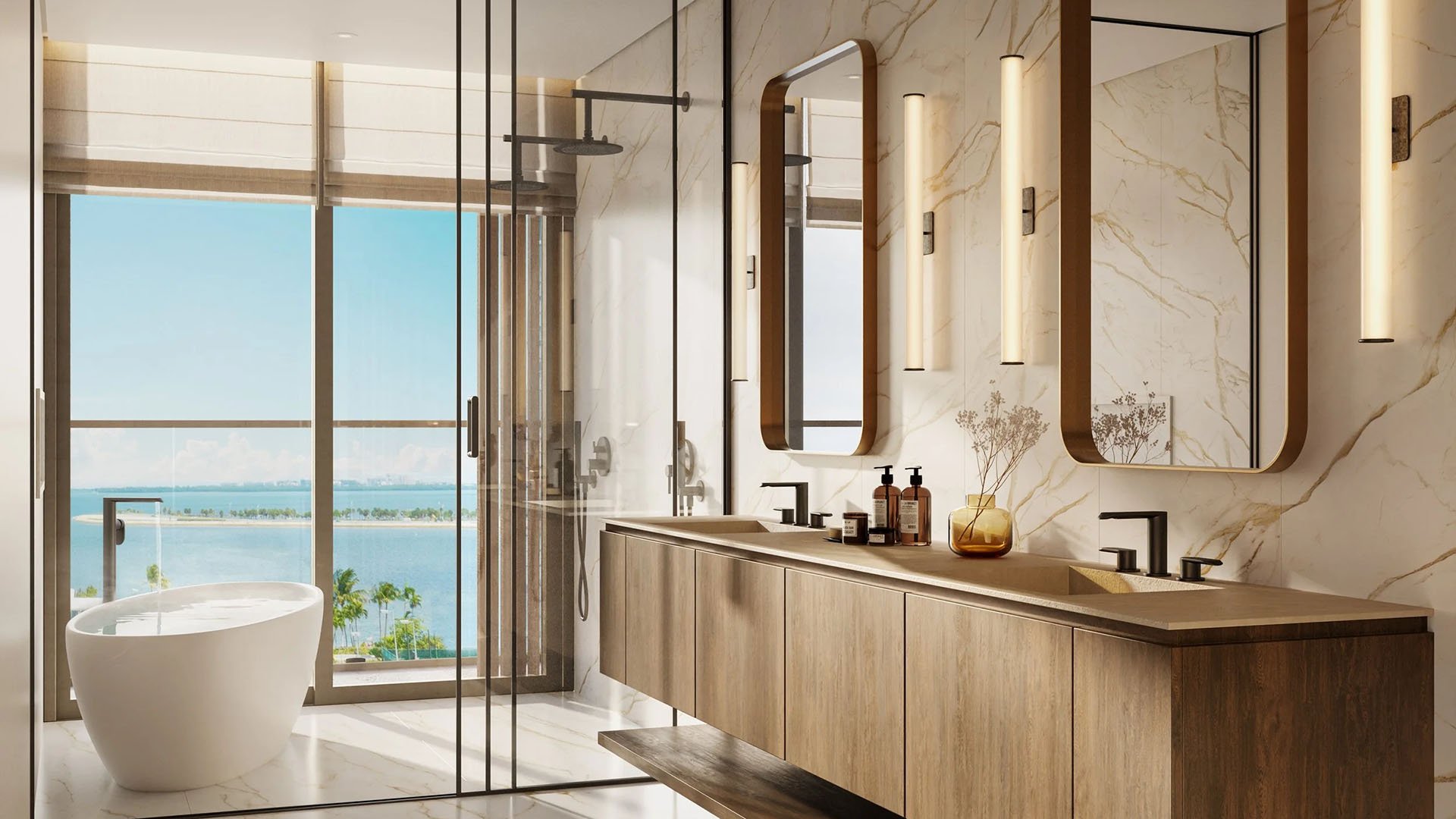
For many South Florida buyers, the comparison between Colette Residences Brickell and The Ritz-Carlton Residences® West Palm Beach begins visually: urban Miami energy on one side, branded West Palm Beach service culture on the other. For a collector, designer-led owner, or family with significant furnishings, however, the more consequential question is less photogenic. Can the building receive, protect, install, and store what the buyer already owns?
That question applies to art, sculpture, vintage furniture, important rugs, wine, archives, documents, couture, and designer furnishings that may be more sensitive than the residence itself. Views and finishes matter, but they do not answer whether a large canvas can turn a corridor corner, whether a chandelier can be staged without blocking a service area, or whether off-unit storage is genuinely appropriate for humidity-sensitive property.
In a New Project setting, especially for buyers considering Pre-construction commitments, this is not a minor operational detail. It is a contract-deadline issue. Before deposits become difficult to revisit, buyers should request written answers on move-in logistics, storage specifications, humidity control, insurance requirements, and elevator or load limits.
Colette Residences Brickell is the Miami-side option in this comparison, and its practical appeal should be evaluated through the realities of a dense urban tower. Brickell is not only a lifestyle address. It is also a logistical environment where delivery windows, elevator reservations, staging space, curb access, and street-level coordination can determine how easily valuable property reaches a residence.
For collection-heavy buyers, the first question is not simply whether the residence has elegant walls. It is whether oversized works can reach those walls without special handling, craning, or avoidable risk. Buyers should confirm freight-elevator dimensions, loading access, move-in rules, elevator reservation procedures, and the path from truck to residence. The route matters as much as the room.
The same principle applies inside the unit. Ceiling heights, corridor turns, door widths, elevator clearances, and wall structure should be reviewed before assuming that heavy works, large-format canvases, or substantial designer pieces can be installed cleanly. A residence can feel expansive in presentation and still contain a practical pinch point that changes the art plan.
Colette Residences Brickell is therefore best assessed as an infrastructure question as much as a design question. A buyer should not rely only on views, finishes, or branding. The sharper test is whether the unit and building can physically support the buyer’s collection over time.
The Ritz-Carlton Residences® West Palm Beach brings a different buyer expectation. The branded-residence context suggests a higher-touch service environment, but sophisticated purchasers should distinguish lifestyle service value from hard infrastructure value. A gracious service culture can make ownership feel easier, yet it does not automatically answer every freight, contractor, or storage question.
Here, diligence should focus on the protocols that govern movers, art handlers, designers, and third-party installers. Buyers should ask how service elevators are scheduled, whether protective coverings are required, what certificates of insurance must be supplied, and whether installations can occur after hours. For a complex art hang or furniture delivery, procedure can be either a convenience or a constraint.
This is especially relevant for Second-home owners who may coordinate installations remotely. A branded environment may offer more formal communication channels, but the buyer still needs clarity on who approves access, who supervises vendors, and how exceptions are handled. Higher-touch service should translate into smoother execution, not simply more paperwork.
The Ritz-Carlton Residences® West Palm Beach should also be evaluated for whether its service layer meaningfully supports the assets themselves. If the buyer’s priority is a curated interior with valuable works, the operational question is precise: does the building make installation safer, easier, and better controlled, or does it merely present a more polished front door?
Storage is one of the most commonly misunderstood luxury condo questions. A buyer may hear that storage exists, but that does not establish whether it is private, assigned, climate-controlled, valet-managed, suitable for sensitive property, or subject to condominium-association restrictions. For art, wine, documents, and designer furnishings, those distinctions matter.
At Colette Residences Brickell, buyers should ask whether any owner storage is climate-controlled and whether it is appropriate for sensitive assets. If the answer is qualified, follow-up questions should address temperature range, humidity management, access rules, insurance expectations, and what kinds of property may not be stored.
At The Ritz-Carlton Residences® West Palm Beach, the inquiry should be equally specific. Branded service does not necessarily mean conservation-grade storage. Buyers should verify whether storage is private or assigned, whether any management or valet process applies, and whether association rules limit use. If wine, art, documents, or collectible furnishings are part of the ownership plan, the storage answer should be written, not assumed.
This is where Art-basel season often clarifies the point. Collectors may be comfortable evaluating artists, dealers, and acquisitions, yet overlook the mechanical realities of receiving and preserving those acquisitions at home. In South Florida’s climate, humidity control is not decorative language. It is a practical protection standard.
The comparison between these two residences is not about declaring one more luxurious. It is about matching the building to the buyer’s real assets. A family with important furniture, a collector with large works, or an owner with sensitive stored property should ask different questions than a buyer focused primarily on views and amenities.
For Colette Residences Brickell, the checklist should begin with freight access, loading conditions, elevator dimensions, service scheduling, staging areas, and the physical route to the residence. The buyer should also review installation conditions inside the unit, including wall structure, ceiling heights, corridor geometry, door widths, and any limitations that affect heavy or oversized pieces.
For The Ritz-Carlton Residences® West Palm Beach, the checklist should include the branded-residence service protocols for movers, designers, installers, and art handlers. Buyers should confirm vendor insurance requirements, contractor approvals, service elevator scheduling, protective covering policies, after-hours options, and who has authority to approve unusual installations.
For both properties, storage should be treated as a separate diligence file. The buyer should request details on climate control, humidity, access, assignment, permitted contents, insurance requirements, and association restrictions. If a piece is important enough to insure, ship professionally, or conserve, it is important enough to verify before closing.
Colette Residences Brickell may appeal to the buyer who wants an urban Miami base and is willing to scrutinize back-of-house logistics with precision. The opportunity is to align a Brickell lifestyle with the real-world requirements of collection ownership. The risk is assuming that a luxury tower automatically solves freight, staging, and oversized delivery challenges.
The Ritz-Carlton Residences® West Palm Beach may appeal to the buyer who values branded service and formalized residential operations. The opportunity is a more service-oriented environment for coordinating movers, designers, and installers. The risk is confusing attentive service with confirmed physical capacity or true climate-controlled storage.
The best answer depends on the buyer’s assets. A large-scale art collection, substantial furniture plan, or climate-sensitive archive may make freight access and storage more important than the amenity narrative. A buyer with frequent vendor coordination may place more value on clear protocols and responsive building management. In either case, elegance is only complete when the residence works behind the scenes.
Is Colette Residences Brickell the more practical choice for collectors? It may be practical for buyers who want an urban Brickell setting, but the key is verifying freight access, elevator clearances, loading rules, and installation conditions in writing.
Does The Ritz-Carlton Residences® West Palm Beach automatically make art installation easier? Not automatically. Buyers should confirm whether branded service protocols simplify art handling or add formal approval steps that must be planned in advance.
Should buyers assume either project has climate-controlled art storage? No. Climate-controlled storage, humidity management, assignment, access, and permitted contents should all be separately verified before contract deadlines.
What should an art collector ask first at Colette Residences Brickell? The first questions should address freight-elevator dimensions, loading access, move-in rules, corridor turns, door widths, and whether oversized works can reach the residence safely.
What should a buyer ask first at The Ritz-Carlton Residences® West Palm Beach? The buyer should ask how movers, art handlers, designers, installers, certificates of insurance, service elevator scheduling, and after-hours work are managed.
Why does wall structure matter in a luxury condominium? Heavy works and complex installations may require specific backing, anchoring, or engineering review, so beautiful walls are not the same as installation-ready walls.
Is storage the same as climate-controlled storage? No. Storage can vary widely, and buyers should verify whether it is private, assigned, humidity-managed, valet-managed, or restricted by association rules.
When should these questions be asked? They should be asked before contract deadlines, when written confirmations can still influence negotiation, planning, insurance, and the final purchase decision.
Is this comparison mainly about amenities? No. The more important comparison is whether each building supports the buyer’s real assets, including art, furniture, wine, documents, and collectibles.
Can a designer or art handler help with the diligence? Yes. A designer, art handler, or installation specialist can identify clearance, staging, humidity, and wall-structure issues that may not appear in a standard sales conversation.
For a tailored shortlist and next-step guidance, connect with MILLION.
If branded residences are on your mind — as a home or as an allocation — we would be glad to share what we are seeing, privately.
Begin a quiet conversation