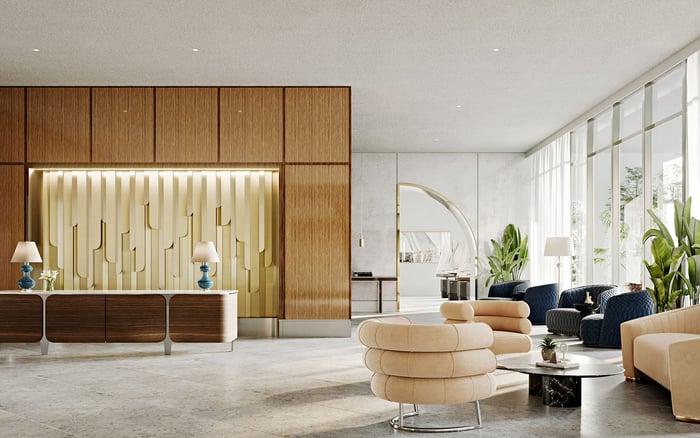
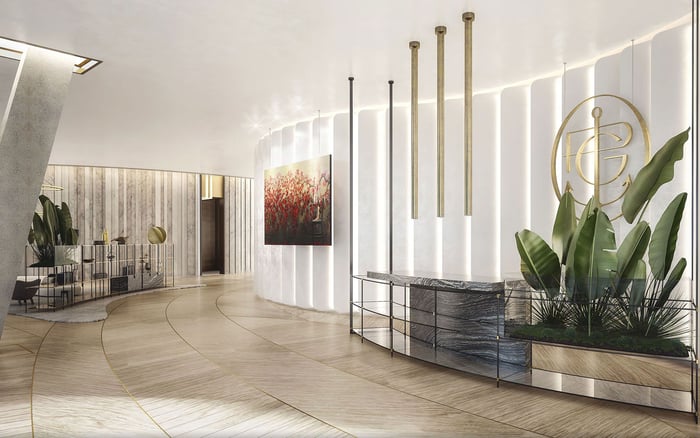
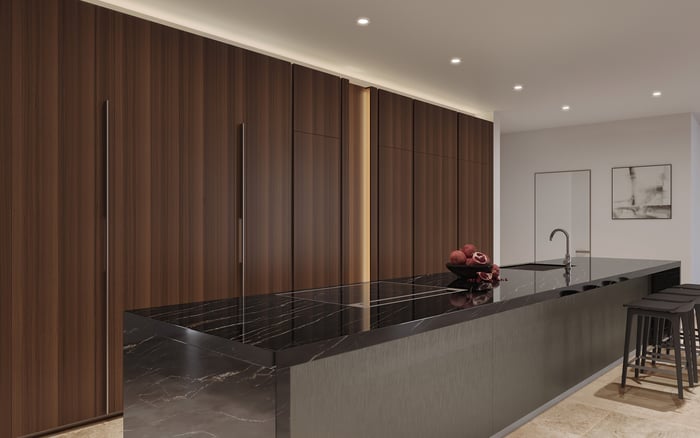
For luxury buyers choosing between Coconut Grove’s village core and Grove Isle, the real distinction is not prestige but daily rhythm. One setting offers walkable restaurants, compact streets, and a public social scene that stays animated after sunset. The other delivers controlled entry, bayfront privacy, and resident-first amenities designed to quiet the atmosphere the moment entertaining ends. For owners deciding what life feels like after the last car pulls away, this is a question of energy versus retreat.
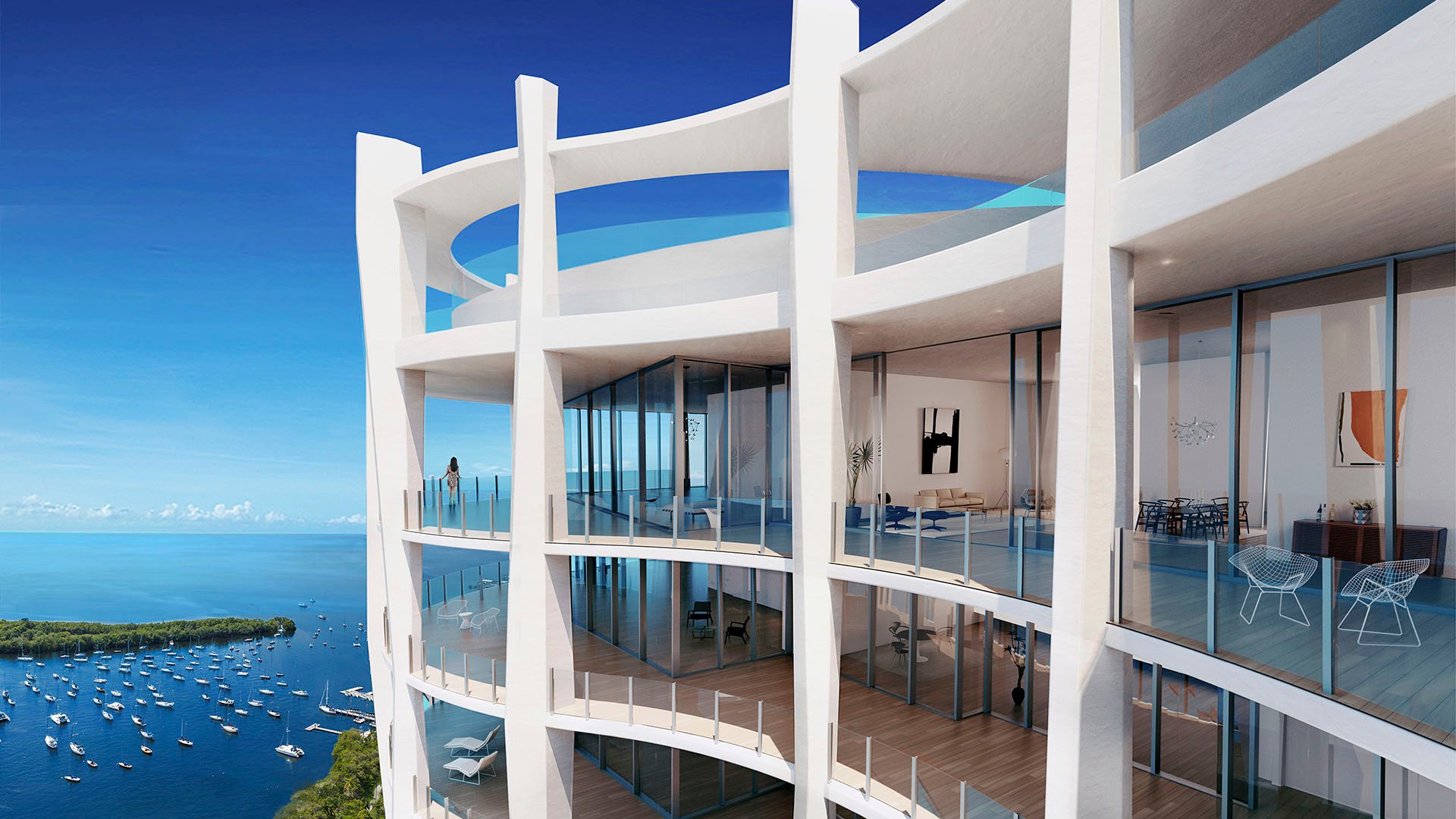
In Coconut Grove, the more useful question is rarely which address is objectively better. It is which atmosphere still feels right after a successful dinner, a house full of friends, or a weekend of family visits has ended. Once the last guest leaves, some owners want one more walk for a nightcap, a quiet pass by storefronts, or the ease of living where the neighborhood itself carries the evening forward. Others want the opposite: controlled entry, fewer passersby, and the feeling that life has folded back into a private island setting.
That distinction defines the split between the village core and Grove Isle. The core is shaped by compact streets, historic character, tree cover, and walkable access to restaurants, parks, shops, and everyday conveniences. Grove Isle, by contrast, is a private island community at Coconut Grove’s edge, with daily life organized around security, bay views, recreation, and resident-only spaces rather than public street life.
For a buyer at this tier, both choices can be elegant. The difference is what happens when the social performance is over.
The village core appeals to buyers who want Coconut Grove to function less like a compound and more like a living neighborhood. That matters because it shapes the lived experience. Your surroundings are not only beautiful; they are active by character.
In practice, that means the luxury of leaving the car behind. A resident can step out for coffee, meet friends for dinner, drift toward the park, or move through a day that remains socially porous without formal planning.
This is the environment that tends to suit buyers who enjoy a guest-friendly lifestyle. Entertaining does not end at the front door because the neighborhood itself becomes part of the hosting sequence. For owners considering residences such as The Well Coconut Grove, Arbor Coconut Grove, Vita at Grove Isle, Opus Coconut Grove, and Mr. C Tigertail Coconut Grove, the appeal is not only the building. It is the ability to move fluidly between private residence and public village.
The trade-off is equally clear. A neighborhood built around walkability and commerce also brings more traffic, more parking pressure, and more background activity near its busiest stretches. If your ideal evening after entertaining is silence, the core can feel slightly too open to the outside world.
Grove Isle offers a different answer to luxury. Here, privacy is not a byproduct. It is the organizing principle. The community is set apart from the village and entered through controlled access, with security central to its identity. That shift changes the mood.
Instead of relying on the surrounding neighborhood to supply energy, Grove Isle supplies its own internal leisure: pools, fitness facilities, racquet sports, marina access, and on-site social spaces oriented to residents. Surrounded by Biscayne Bay, the setting feels more directly tied to water, light, and quiet recreation than to storefronts or pedestrian circulation.
For buyers drawn to Vita at Grove Isle, the appeal is obvious. Once guests leave, the island returns to itself. There are fewer outsiders, fewer incidental encounters, and less need to decide where to go next because much of the leisure infrastructure is already inside the gates.
This is why Grove Isle often suits owners who are social on their own terms. They may entertain generously, but they do not necessarily want an activated neighborhood after the evening ends. They want control. They want calm. They want the final act of the night to be a bay view rather than another reservation.
The compromise is reliance on the car for most off-island dining, shopping, and cultural activity. If your idea of luxury includes spontaneity beyond the property line, that can begin to feel limiting.
The title question becomes easier once framed correctly. This is not village core versus Grove Isle as a matter of status. It is external energy versus internal retreat.
The village core works better for the owner who still wants the evening to have a second chapter. Perhaps friends leave and you walk to dinner with your partner. Perhaps a visiting adult child wants one more stop. Perhaps the pleasure lies in hearing life continue outside while you return to a refined residence. In that model, neighborhood animation is part of the value proposition.
Grove Isle works better for the owner who wants the opposite sensation. The event ends, the gates remain, and the atmosphere contracts into something more private. The social battery is protected rather than extended. For many buyers at this level, that difference becomes even more important than finishes, layouts, or amenity packages.
A useful comparison can be found within the broader Grove market. Buildings such as Park Grove Coconut Grove and Opus Coconut Grove speak to the continuing demand for refined residential options connected to the Grove’s larger neighborhood identity. They are part of an ecosystem where greenery, charm, and proximity to village conveniences carry genuine value. Grove Isle occupies another lane entirely: more insulated, more maritime, and more resident-first.
The village core is typically the better fit if you value walking rather than driving, a social life that can remain open-ended, immediate access to restaurants and parks, and a home that feels embedded in Coconut Grove’s public identity rather than detached from it.
Grove Isle is usually the better fit if you value controlled entry, privacy, water views, boating adjacency, recreation that happens on-site, and a quieter environment once hosting duties are done.
There is also a personality distinction that affluent buyers often recognize immediately. Some people restore themselves through atmosphere. Others restore themselves through separation. Coconut Grove can accommodate both, but not in the same way.
Luxury pricing in Coconut Grove spans a wide range, but waterfront, gated, amenity-rich inventory on Grove Isle generally occupies the higher end of the local spectrum. That premium reflects more than the bayfront setting. It reflects scarcity, controlled access, and the value many buyers place on privacy.
At the same time, the village core continues to benefit from an enduring premium of its own: charm, greenery, and closeness to the neighborhood’s dining and retail fabric.
In other words, these are not two versions of the same product. They are two different philosophies of luxury living within the same celebrated enclave.
If your happiest moments in Coconut Grove happen because the neighborhood itself is part of the evening, the village core is likely the better long-term fit. It rewards buyers who want life to feel social, textured, and effortlessly in motion.
If your ideal ending is privacy after performance, Grove Isle is stronger. It offers a more edited lifestyle, one where the outside world recedes quickly and the residence reclaims the mood.
For many MILLION readers, that is the clearest answer: choose the village core if you want Coconut Grove to keep entertaining you after your guests leave, or choose Grove Isle if you want it to exhale.
Is the village core better for full-time residents who like walking? Yes. The core suits owners who want daily access to dining, shopping, parks, and social activity without relying on a car.
Is Grove Isle quieter than the village center? Generally, yes. Its controlled entry and resident-first layout create a more insulated atmosphere once the day winds down.
Does Grove Isle feel less connected to Coconut Grove’s restaurant scene? Yes. Residents typically drive off-island for most dining, shopping, and cultural outings.
Is the village core more guest-friendly for spontaneous plans? Yes. The surrounding neighborhood makes it easier to extend hosting into dinner, drinks, or a walk nearby.
Does Grove Isle offer more on-site recreation? Yes. Its lifestyle centers on private amenities such as pools, fitness spaces, racquet sports, marina access, and resident social areas.
Which setting feels more private after entertaining? Grove Isle. Privacy and controlled access are central to the island experience.
Which setting is likely to have more traffic and parking pressure? The village core. Its commercial activity naturally brings more movement and congestion.
Is the village core still a luxury choice even without a gated feel? Absolutely. Its appeal is tied to charm, greenery, and proximity to Coconut Grove’s most walkable lifestyle assets.
Does Grove Isle usually command a higher premium? Often, yes. Waterfront positioning, gated access, and amenity depth tend to place it at the upper end of the local market.
What is the simplest way to choose between them? Decide how you want the night to feel after everyone leaves: animated and connected, or quiet and contained.
If you'd like a private walkthrough and a curated shortlist, connect with MILLION.
If branded residences are on your mind — as a home or as an allocation — we would be glad to share what we are seeing, privately.
Begin a quiet conversation