A refined comparison of Coconut Grove and Coral Gables for buyers seeking a primary South Florida residence, with emphasis on daily rhythm, privacy, architecture, mobility, family planning, and long-term livability.
Coconut Grove and Coral Gables are often compared as if one must be the more prestigious choice. For a serious full-time buyer, that framing is too narrow. Both can support a polished South Florida life, but they do so with different daily rhythms, different expectations around privacy, and different emotional registers.
Coconut Grove tends to appeal to buyers who want atmosphere first. The draw is a softer residential mood, a sense of greenery, and a lifestyle that feels less formally staged. Coral Gables, by contrast, often speaks to those who want structure, architectural composure, and a more classical idea of neighborhood permanence. One is not a substitute for the other. They solve different versions of the same question: how should an elegant primary life in South Florida feel from Monday morning through Sunday evening?
For MILLION readers, the decision is rarely about a single amenity. It is about whether the home supports school routines, dining habits, work patterns, guests, wellness, privacy, and the quiet pleasure of returning home.
Coconut Grove is best understood as a lifestyle choice for buyers who value atmosphere over symmetry. Its appeal is not only residential, but sensorial. The neighborhood feels layered, lived-in, and intimate, with a character suited to those who prefer understated luxury to grand arrival.
For a full-time resident, that informality can be powerful. Daily life can feel less transactional and more local. The buyer who thrives here is often someone who likes the idea of a neighborhood with personality, where the week may include family walks, casual dinners, wellness routines, and a home environment that feels protected without becoming hermetic.
The trade-off is that Coconut Grove can be highly specific. Buyers who want perfectly predictable streetscapes, uniform architecture, or a more ceremonial sense of arrival may find its charm less aligned with their expectations. It rewards those who appreciate texture, mature landscaping, and a setting that does not always announce its value in obvious ways.
In portfolio shorthand, Coconut Grove often suits the buyer who wants the primary residence to feel restorative rather than formal. That may mean a residence with generous outdoor space, a discreet condominium, a townhouse, or single-family homes that prioritize shade, privacy, and indoor-outdoor living.
Coral Gables supports a different kind of full-time life. It often appeals to buyers who want residential order, a strong civic identity, and a more traditional sense of place. The emotional experience is one of composure. Streets, landscaping, architecture, and neighborhood expectations tend to matter deeply to the buyer considering Coral Gables as a primary base.
For families and long-horizon owners, that structure can be reassuring. Coral Gables can feel especially aligned with buyers who want their home to sit within a broader pattern of routines: school drop-off, private clubs, errands, cultural obligations, dinner reservations, and a social calendar that benefits from proximity without requiring constant exposure.
Coral Gables is also compelling for buyers who prefer a residence to communicate permanence. A home here can feel less like a seasonal indulgence and more like an estate decision, even when the property itself is modest in scale relative to the ultra-prime market. The appeal is not necessarily flash. It is continuity.
The trade-off is that this polish may feel too formal for some. Buyers who want a looser, more bohemian atmosphere may find Coral Gables slightly too composed. Yet for those who equate full-time luxury with quiet control, the neighborhood can be exceptionally persuasive.
For many primary-residence buyers, the Coconut Grove versus Coral Gables decision becomes clear once family logistics enter the conversation. Private-school access, daily drive patterns, sports schedules, and household staffing can matter more than the architectural romance of a listing.
The right choice depends on where the week actually happens. If a household’s center of gravity is closer to the Grove’s social and recreational pattern, Coconut Grove can make daily life feel fluid. If the family calendar is more aligned with Coral Gables routines, professional services, and formal community infrastructure, the Gables may reduce friction.
Luxury, in this context, is not simply a pool, a view, or a finely detailed kitchen. It is the absence of daily irritation. It is the ability to move from school to home to dinner to airport to office without feeling that the residence is working against the household.
Buyers considering new construction should also be clear about why they want it. A new residence may offer efficiency, contemporary planning, and lock-and-leave ease, but full-time living still depends on neighborhood fit. A perfectly finished home in the wrong daily rhythm will not feel luxurious for long.
Coconut Grove often attracts buyers comfortable with architectural variety. The experience can be eclectic, which is part of the point. A buyer may find modern lines, tropical references, compact luxury, and larger private residences within a relatively intimate lifestyle frame. This can be exciting, but it also requires discernment.
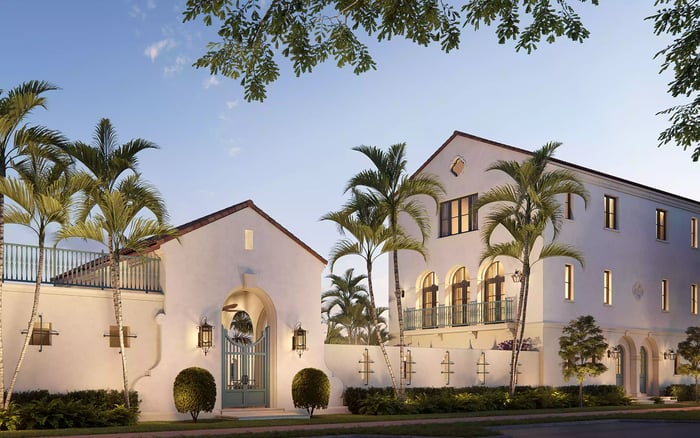
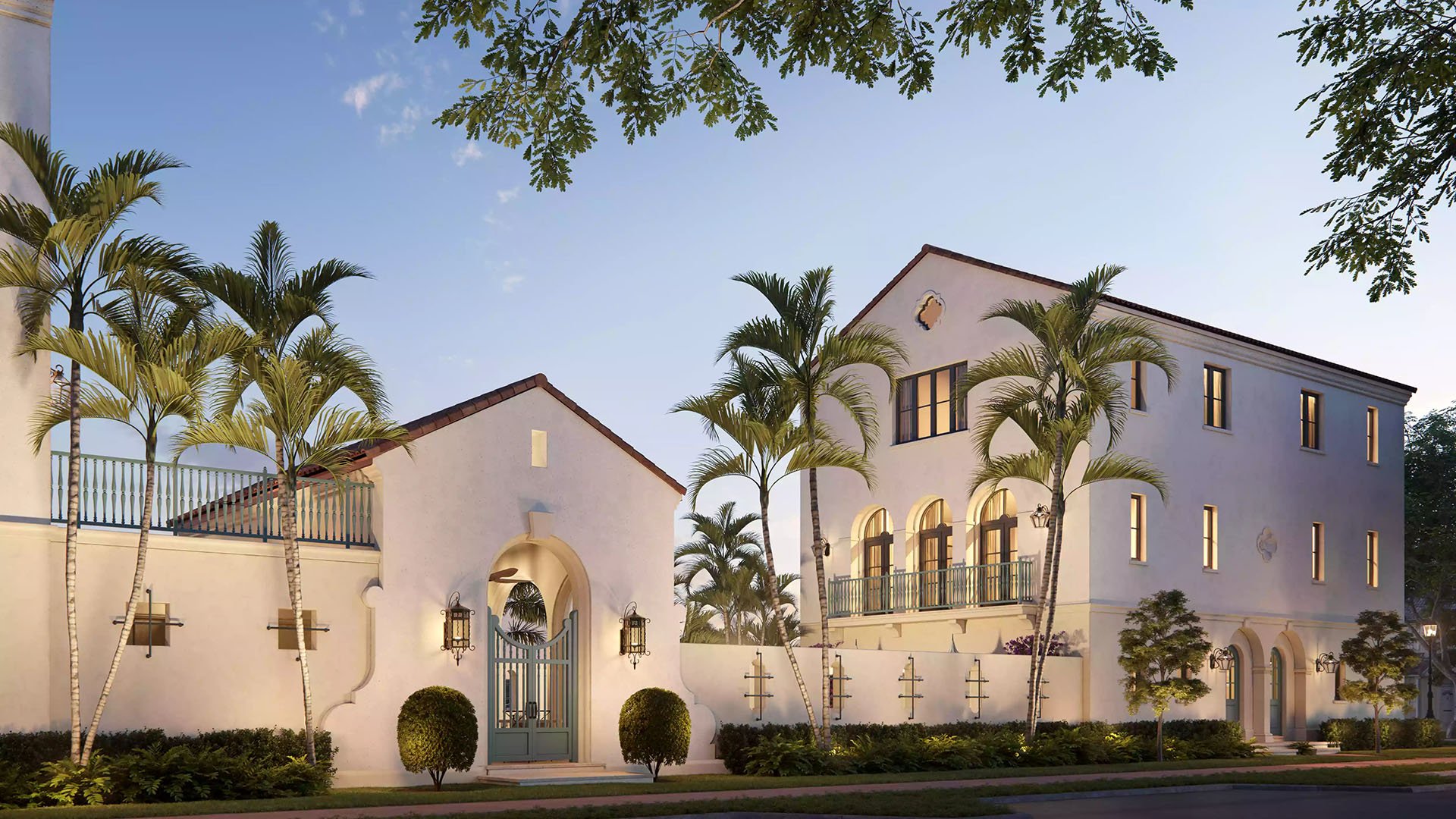
Coral Gables tends to attract buyers who value a more coherent visual language. Even when homes differ substantially, the expectation of architectural dignity is important. The buyer who responds to Coral Gables may be seeking proportion, frontage, landscaping, and a property that feels settled within its surroundings.
Neither approach is inherently superior. Coconut Grove can feel more personal and expressive. Coral Gables can feel more enduring and controlled. The stronger purchase is the one where the architecture supports the owner’s daily rituals, not merely the one that photographs best.
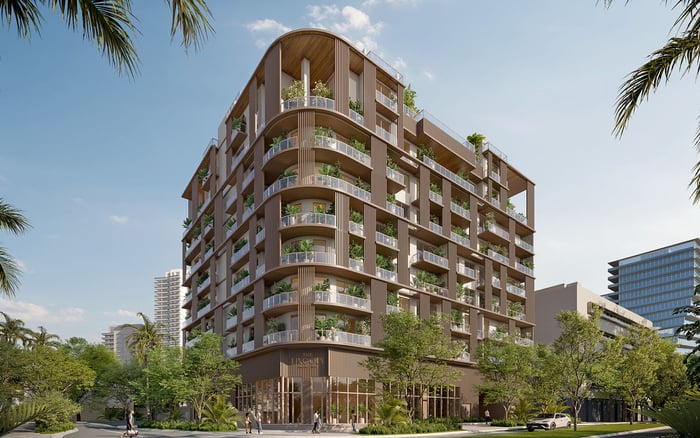
For condominium buyers, the same logic applies. A boutique, privacy-focused building may support a full-time life better than a larger amenity-heavy address if the owner values quiet. Conversely, some buyers prefer more service, more staffing, and a greater sense of arrival. The building should match the way the owner actually lives.
Coconut Grove is often the better match for buyers who want neighborhood life to feel natural and somewhat spontaneous. It can suit those who like being near activity without living inside a highly urban tempo. The social fabric may feel relaxed, creative, and residential at once.
Coral Gables is often more appropriate for buyers who want separation between public life and private life. Its appeal lies in being connected without feeling constantly on display. For certain households, that distinction is invaluable. A full-time residence should create a sense of return, not simply provide a location.
Privacy also operates differently in each place. In Coconut Grove, privacy may be achieved through landscape, orientation, and architectural subtlety. In Coral Gables, it may be reinforced through lot presence, neighborhood formality, and a more established residential tone. The best choice depends on whether the owner wants retreat to feel lush and informal, or composed and protective.
Coconut Grove may be the better fit if your ideal South Florida life is relaxed, lush, and emotionally warm. It is particularly compelling for buyers who want personality, proximity to a village-like rhythm, and a home that feels integrated with outdoor living.
Coral Gables may be the better fit if your priority is order, privacy, and long-term residential confidence. It supports buyers who want structure, a strong sense of address, and a composed setting for family, work, and entertaining.
The most sophisticated answer is that Coconut Grove is often the lifestyle choice, while Coral Gables is often the continuity choice. The distinction is subtle, but meaningful. One invites a more fluid way of living. The other offers a more formal architecture for daily life.
For a primary residence, choose the neighborhood that reduces friction, protects your privacy, and reflects your actual habits. Prestige matters, but only if it aligns with the life you intend to live.
Is Coconut Grove better than Coral Gables for full-time living? It can be, if you value a relaxed, textured, greenery-forward daily rhythm. Buyers seeking more formality may prefer Coral Gables.
Is Coral Gables better for families? Coral Gables can be highly compelling for families that prioritize structure, privacy, and routine. The right answer depends on school, commute, and household patterns.
Which neighborhood feels more private? Coral Gables often feels more composed and protected, while Coconut Grove can offer privacy through landscape and architectural discretion.
Which area has a more casual lifestyle? Coconut Grove generally feels more informal and village-like. It suits buyers who want luxury without excessive ceremony.
Which is better for single-family homes? Both can work well for single-family homes, but the desired setting matters. Coconut Grove feels more atmospheric, while Coral Gables feels more orderly.
Should full-time buyers consider a townhouse? A townhouse can be attractive for buyers who want less maintenance than a large house. Neighborhood fit and privacy remain essential.
Does new construction make more sense for a primary residence? New construction can simplify maintenance and modernize daily living. It should still be judged against location, layout, and long-term comfort.
Which neighborhood is better for private-school routines? Private-school routines depend on the specific campus and the family’s daily route. Buyers should map the real weekday schedule before choosing.
Which neighborhood is more elegant? Coral Gables often reads as more formal, while Coconut Grove reads as more relaxed. Both can be elegant in very different ways.
How should buyers make the final decision? Spend time in each neighborhood during ordinary weekday hours. The better choice is the one that makes daily life feel easier, calmer, and more natural.
For a confidential assessment and a building-by-building shortlist, connect with MILLION.
If branded residences are on your mind — as a home or as an allocation — we would be glad to share what we are seeing, privately.
Begin a quiet conversation