A discreet buyer’s guide for affluent Greenwich-to-South Florida movers evaluating wellness-led residences, from Bal Harbour calm to Brickell energy, Miami Beach culture, and Coconut Grove ease.
The Greenwich-to-Bal Harbour move is rarely just a change of address. For a certain buyer, it is a recalibration of pace, climate, privacy, and daily ritual. Wellness-led living has become a serious real-estate filter because it asks a more intimate question than square footage: how does this residence help you feel from morning to night?
The answer begins with restraint. The best wellness residence is not defined by the longest amenity menu or the most elaborate branding language. It is defined by spatial calm, intuitive service, meaningful outdoor access, good light, acoustic comfort, and the ease with which the owner can move between solitude, fitness, dining, family life, and entertaining.
A Greenwich household may be accustomed to acreage, separation, and a deeply private domestic rhythm. South Florida can replicate parts of that feeling, but it often does so vertically, through controlled arrivals, private elevators, generous terraces, and buildings that understand discretion. Before touring, buyers should define the rhythm they refuse to compromise: quiet mornings, open-air training, low-friction beach access, restorative sleep, family meals, or a lock-and-leave second-home routine.
That exercise separates true wellness from decorative wellness. A cold plunge is irrelevant if the elevator sequence feels exposed. A spa room has less value if the primary suite is poorly positioned. A dramatic lobby may impress guests, but an owner will feel the residence most in the quieter transitions: parking to elevator, elevator to foyer, bedroom to terrace, kitchen to dining, gym to shower.
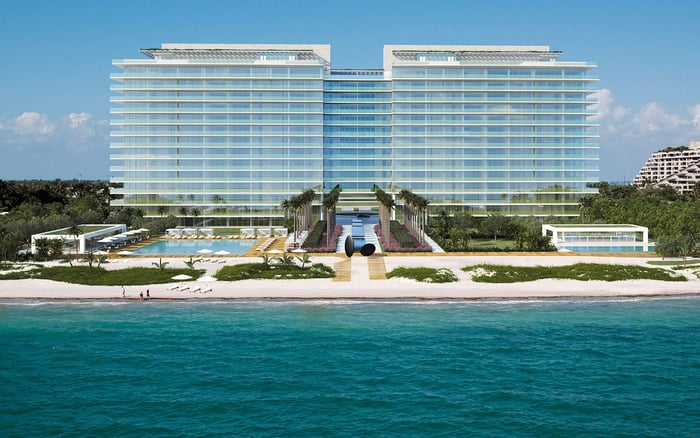
Bal Harbour remains compelling for buyers who want South Florida without surrendering to constant urban intensity. Its appeal is not merely coastal. It is psychological. The neighborhood’s best residential experiences tend to speak to order, privacy, and a polished resort sensibility that can feel familiar to northeastern buyers used to controlled environments and refined service.
A buyer studying the area might include Rivage Bal Harbour as part of the conversation, not simply to compare finishes, but to test how Bal Harbour’s residential vocabulary aligns with a wellness-first brief. Does the building support a quiet arrival? Does the residence offer enough outdoor space to make fresh air part of daily life? Can a weekend guest be hosted without disrupting the owner’s private routine?
Wellness-led buying in Bal Harbour should also include a careful read of exposure. Morning light, afternoon heat, terrace usability, and the relationship between indoor living areas and views all matter. A wellness residence should make it easy to pause, not just perform.
Not every wellness buyer wants the formality of a beachfront address. Some prefer a more village-like cadence, where daily life feels quieter, more local, and less theatrical. Bay Harbor Islands often enters that conversation because it allows buyers to consider proximity, privacy, and a residential mood that differs from denser coastal corridors.
For a wellness-minded purchaser, The Well Bay Harbor Islands provides a natural reference point for evaluating how explicitly a project frames wellbeing. The important step is to move beyond the name and examine the lived experience: the floor plan, light, storage, service culture, guest flow, and whether the home will still feel serene on an ordinary Tuesday.
Coconut Grove offers another lens. Buyers who value canopy, neighborhood texture, and a gentler daily pace may compare The Well Coconut Grove with more urban or beachfront alternatives. The question is not which address is more impressive. It is which address better protects the buyer’s desired lifestyle.
Some buyers do not want retreat to mean removal. For them, wellness includes access to dining, culture, offices, and a more animated social life. Brickell can suit that profile when the residence itself provides enough calm to counterbalance the neighborhood’s energy. The right unit should feel like an exhale above the city, not an extension of the city’s pressure.
In that context, The Residences at 1428 Brickell may be considered alongside other high-design urban options as buyers weigh privacy, vertical living, and the daily convenience of a central address. The key is to tour at different times of day. A home that feels composed at noon should also feel composed during evening transitions.
Miami Beach speaks to a different kind of wellness buyer, one who sees culture, architecture, ocean air, and hospitality as part of personal restoration. A project such as Shore Club Private Collections Miami Beach can be evaluated through that lens, especially by buyers who want a more storied sense of place. Still, the same discipline applies: privacy, light, floor plan, service, and sound control matter more than atmosphere alone.
A proper wellness tour should be slower than a standard luxury showing. Arrive quietly and notice the sequence before the door opens. Is the approach intuitive? Is there a sense of protection? Do you feel observed, rushed, or relaxed? These sensations are not superficial. They are part of the asset.
Inside the residence, stand in the primary bedroom without speaking. Listen. Then do the same in the main living area. Open the terrace doors if permitted and consider whether the outdoor space is usable for more than a photograph. Walk from the kitchen to the dining area, from the bedroom to the bath, from the entry to the private areas. Wellness often reveals itself in friction, or the absence of it.
Finally, ask how the home will live during peak use: visiting family, private staff, early workouts, late dinners, work calls, deliveries, and extended absences. A wellness-led residence should make these scenarios feel elegant rather than complicated.
The strongest wellness residences usually satisfy four conditions. First, they reduce decision fatigue. The home should make daily routines feel obvious and graceful. Second, they offer meaningful separation between public and private zones. Third, they provide access to air, light, and quiet without requiring constant management. Fourth, they hold their identity beyond trend language.
This is where a buyer should be especially selective. A wellness claim can be marketed quickly, but a restorative residence is built through architecture, operations, and restraint. The most successful choice is often the one that feels less like an acquisition and more like a long-term operating system for the owner’s life.
What makes a residence wellness-led? A wellness-led residence supports daily wellbeing through light, quiet, privacy, flow, outdoor connection, and services that reduce friction.
Is Bal Harbour a good fit for a Greenwich buyer? It can be, particularly for buyers who value discretion, coastal calm, and a refined residential pace.
Should I prioritize amenities or floor plan? Prioritize the floor plan first. Amenities matter, but the residence itself shapes daily life more consistently.
How important is terrace space? Terrace space matters when it is genuinely usable. Consider shade, exposure, privacy, furniture depth, and access from main rooms.
Can Brickell work for a wellness-focused buyer? Yes, if the residence provides calm, privacy, and efficient transitions that balance the energy of an urban setting.
Is Miami Beach better for lifestyle-driven wellness? It may suit buyers who see culture, ocean air, dining, and hospitality as part of a restorative routine.
What should I listen for during a showing? Listen for mechanical noise, corridor activity, exterior sound, and how quiet the primary suite feels when the home is still.
Are branded wellness residences always better? Not automatically. The best choice depends on execution, service culture, architecture, and whether the concept matches your life.
How many times should I tour before deciding? Serious buyers should try to experience the residence at more than one time of day to understand light, sound, and arrival patterns.
What is the simplest test of a wellness residence? Ask whether the home makes your day feel easier, calmer, and more intentional before considering the marketing language.
For a tailored shortlist and next-step guidance, connect with MILLION.
If branded residences are on your mind — as a home or as an allocation — we would be glad to share what we are seeing, privately.
Begin a quiet conversation