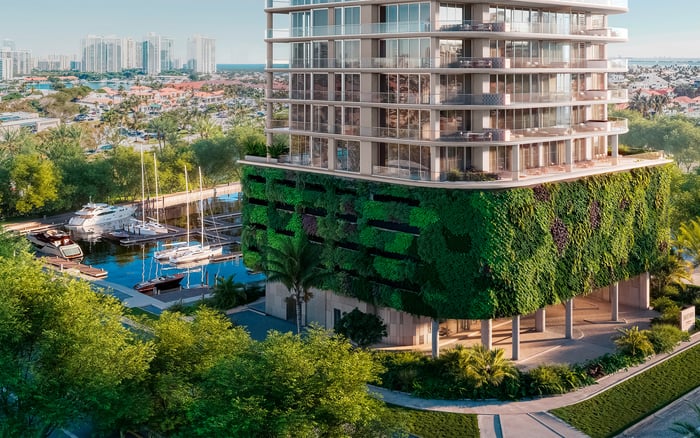
A discreet buyer’s comparison of Avenia Aventura and Alma Bay Harbor Islands through the practical lens of boating access, bridge clearance, hurricane planning, and daily waterfront rhythm.
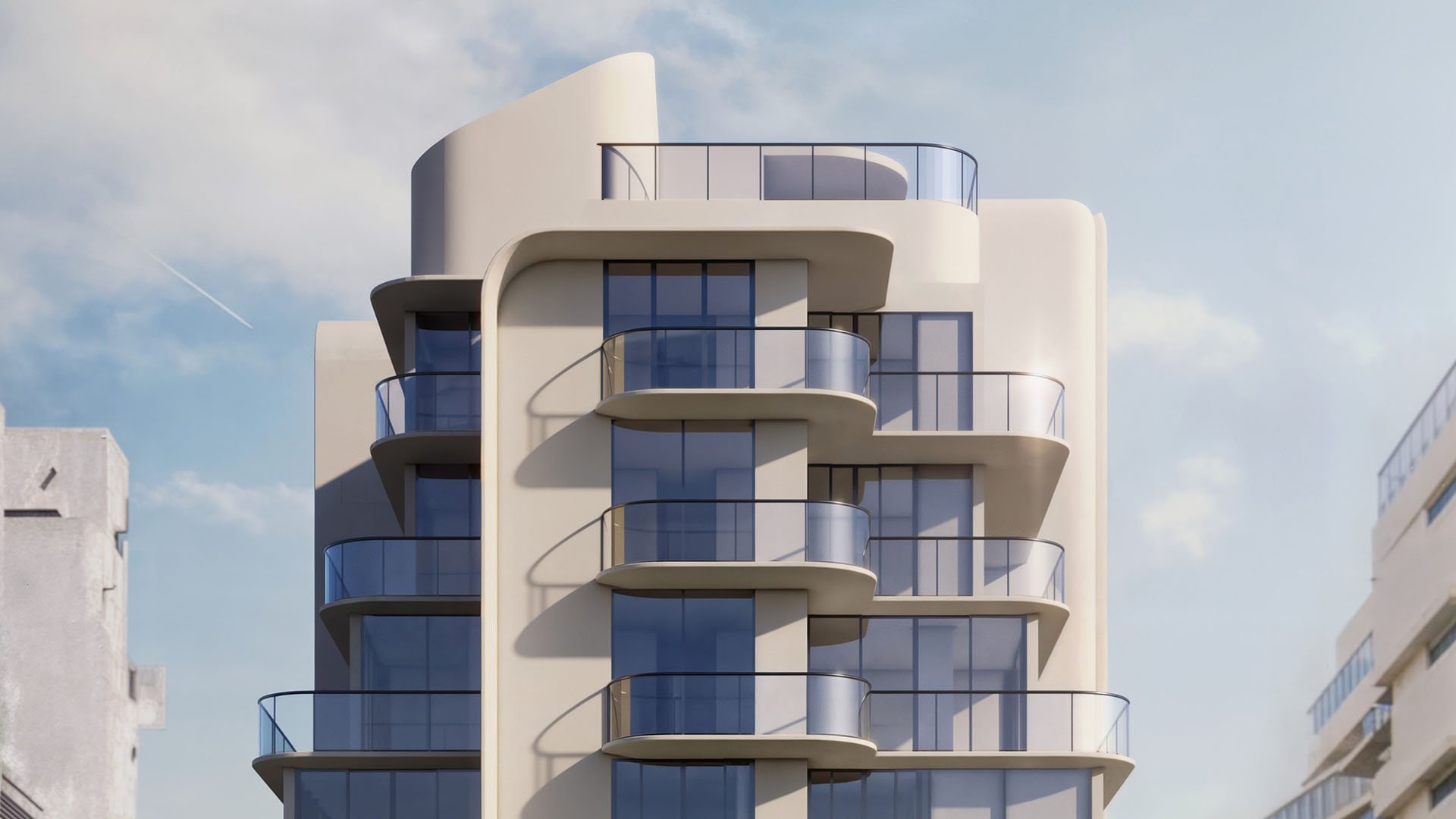
At the ultra-premium end of South Florida real estate, a waterfront residence is rarely judged by finishes alone. The more revealing questions are practical, often nautical, and increasingly tied to planning discipline. A buyer comparing Avenia Aventura with Alma Bay Harbor Islands is not simply weighing two residential addresses. The decision sits at the intersection of boating convenience, bridge clearance, hurricane preparation, and the daily character of two distinctly different coastal settings.
Avenia Aventura belongs to an Aventura lifestyle shaped by a denser, more developed waterfront profile. Its appeal is strongest for buyers who want the infrastructure, energy, and scale of a mainland-adjacent coastal environment. Alma Bay Harbor Islands, by contrast, speaks to a quieter island rhythm. It is framed by a lower-scale, more village-like residential atmosphere, where proximity and privacy tend to define the day more than vertical intensity.
That contrast matters because waterfront ownership in South Florida is not theoretical. It is lived through arrival patterns, vessel access, storm-season routines, and the way a property supports both leisure and risk management.
Aventura has long appealed to buyers who want coastal living with a more established sense of infrastructure around them. In the Avenia Aventura context, the lifestyle is connected to a high-rise, mainland-adjacent setting that feels more urban, more developed, and more integrated into the broader North Miami coastal corridor.
For some owners, that density is a virtue. It can mean a fuller everyday ecosystem, a stronger sense of surrounding services, and a waterfront lifestyle that does not feel secluded. Aventura buyers often think in terms of convenience across multiple dimensions: access to dining, retail, medical services, private clubs, and the broader coastal network of Miami-Dade and Broward. The residence is one part of a larger operating environment.
This is also where a waterview becomes more than a visual amenity. In a setting like Aventura, water is part of a daily urban composition, seen alongside nearby towers, canals, coastal traffic, and the movement of boats. The result is a more kinetic waterfront experience than the slower cadence associated with smaller island enclaves.
For the buyer who wants momentum, Avenia Aventura offers a compelling premise: live on the water while remaining connected to the established infrastructure of a mature coastal city.
Alma Bay Harbor Islands enters the comparison from a different emotional register. Bay Harbor Islands has a quieter, lower-scale profile, and Alma’s appeal is tied to that more intimate residential atmosphere. The setting is island-oriented, village-like, and proximity-driven, with a lifestyle that tends to feel more contained than Aventura’s broader coastal network.
That character can be especially attractive to buyers seeking calm without giving up access to the wider Miami Beach and Bal Harbour orbit. The island setting suggests a daily rhythm in which errands, meals, schools, and social habits may feel closer and more personal. In this sense, Alma is not simply a waterfront alternative to Avenia. It is a different philosophy of ownership.
For Bay Harbor buyers, the attraction is often less about urban intensity and more about composed residential living. The built environment feels lower in scale. The atmosphere suggests discretion. The waterfront can feel more sheltered in mood, even as the practical requirements of marine access and storm planning remain central.
This distinction is important: quiet does not mean simple. A more residential island setting can carry its own operational questions, especially for owners with boats or seasonal patterns of use.
For serious boating households, the residence must be evaluated from the water inward. The view may sell the emotion, but the vessel determines the logistics. In this comparison, boating convenience is a central factor, not a secondary amenity.
The relevant questions begin with how an owner actually uses the boat. Is it a frequent day-boat routine, occasional entertaining, fishing, cruising, or a larger vessel with more demanding access requirements? Does the owner expect quick departures, predictable return routes, or the ability to stage storm-season moves with minimal friction? The answers can shift the balance between Avenia and Alma.
Avenia’s Aventura-side position aligns with a more developed waterfront environment, which may appeal to buyers who value established coastal infrastructure. Alma’s Bay Harbor Islands setting leans toward a quieter island lifestyle, but buyers still need to study how vessel movement, local waterways, and fixed conditions affect daily use.
This is where the phrase boat slip should be treated as the beginning of diligence rather than the end of it. A slip, berth, or nearby marina option has value only if it matches the vessel’s dimensions, operating habits, access route, and seasonal planning needs. For this reason, marina considerations should be reviewed alongside building amenities, not after them.
Bridge clearance is one of the least glamorous details in luxury waterfront real estate, yet it can be among the most consequential. A buyer may love a residence, prefer an island atmosphere, or admire a more urban waterfront view, but a vessel’s height, draft, and route constraints can quickly narrow the field.
The Avenia versus Alma decision should therefore include a practical clearance review before emotional preference hardens into a contract strategy. Exact conditions require direct verification, but the principle is clear: bridge constraints can determine whether a boat is genuinely convenient or merely nearby.
This is especially relevant for buyers with larger vessels, towers, hardtops, antennas, or seasonal cruising plans. The difference between an easy day on the water and a compromised ownership experience may come down to repeatable access. A waterfront residence that does not serve the boat well can quietly become a lifestyle mismatch.
For buyers who are not boat owners today but expect to become one, the same discipline applies. Future boating ambitions should be considered before selecting between a denser Aventura setting and a more village-like Bay Harbor Islands environment.
In South Florida, hurricane planning is not a footnote to waterfront ownership. It belongs in the first conversation, especially when the decision involves residences where boating, water access, and coastal logistics are part of the lifestyle.
The Avenia and Alma comparison is best understood as a combined real-estate, boating, and risk-management decision. Buyers should think about how they would secure a vessel, where they would relocate it if necessary, how quickly they could act, and whether the surrounding setting supports a clear plan. These are not aesthetic questions, but they are essential ownership questions.
The same applies to residence use patterns. A full-time owner, a seasonal resident, and a second-home buyer may each require a different preparation strategy. Who monitors the property? Who coordinates the boat? How are access, communication, and service providers handled when the owner is away? The more expensive the asset, the less improvisation belongs in the plan.
A beautifully designed waterfront home is only as reassuring as the systems behind it. Storm preparation, marine logistics, and ownership support should be reviewed with the same seriousness as floor plans and view corridors.
Avenia Aventura is best aligned with the buyer who values Aventura’s established coastal infrastructure, denser waterfront character, and more urban sense of connection. It may suit owners who want the energy of a developed environment and who see the residence as part of a broader daily operating network.
Alma Bay Harbor Islands is better suited to the buyer who prioritizes quieter scale, a more residential island mood, and proximity-oriented living. It may resonate with those who prefer calm over density and a village-like setting over the feel of a larger coastal city.
Neither choice is inherently superior. The stronger fit depends on the owner’s vessel, lifestyle habits, storm-season expectations, and appetite for either urban waterfront energy or island-like discretion. For new-construction buyers, the lesson is especially clear: architecture may attract attention, but nautical logistics and planning discipline often determine long-term satisfaction.
Is Avenia Aventura the more urban option in this comparison? Yes. Avenia is tied to Aventura’s denser, more developed waterfront profile and mainland-adjacent coastal setting.
Is Alma Bay Harbor Islands the quieter lifestyle choice? Yes. Alma is associated with Bay Harbor Islands’ lower-scale, more village-like residential environment.
Why does bridge clearance matter for luxury waterfront buyers? Bridge clearance can determine whether a vessel is truly practical for regular use, especially for boats with greater height or specialized equipment.
Should boating access be reviewed before choosing a residence? Yes. Serious boating use should be evaluated early because vessel logistics can affect the entire ownership experience.
Does a waterfront view guarantee boating convenience? No. A view and a workable boating plan are different considerations, and buyers should evaluate both separately.
How should hurricane planning affect this decision? Hurricane planning should be treated as a core ownership issue, including vessel security, service coordination, and seasonal readiness.
Which project better fits a buyer who wants established coastal infrastructure? Avenia Aventura is the stronger fit for buyers prioritizing Aventura’s more developed waterfront environment.
Which project better fits a buyer who wants a calmer island feel? Alma Bay Harbor Islands is the stronger fit for buyers prioritizing a quieter, more residential island atmosphere.
Can a non-boater still use this comparison framework? Yes. Even non-boaters benefit from understanding marine logistics, because they influence lifestyle, resale considerations, and storm planning.
What is the simplest way to frame the decision? Choose Avenia for urban waterfront infrastructure and Alma for quieter island living, then verify boating and hurricane logistics before committing.
For a discreet conversation and a curated building-by-building shortlist, connect with MILLION.
If branded residences are on your mind — as a home or as an allocation — we would be glad to share what we are seeing, privately.
Begin a quiet conversation