For buyers moving between Aspen and Coconut Grove, the most important decision is not only which residence to acquire, but how that residence fits within a durable family wealth plan.
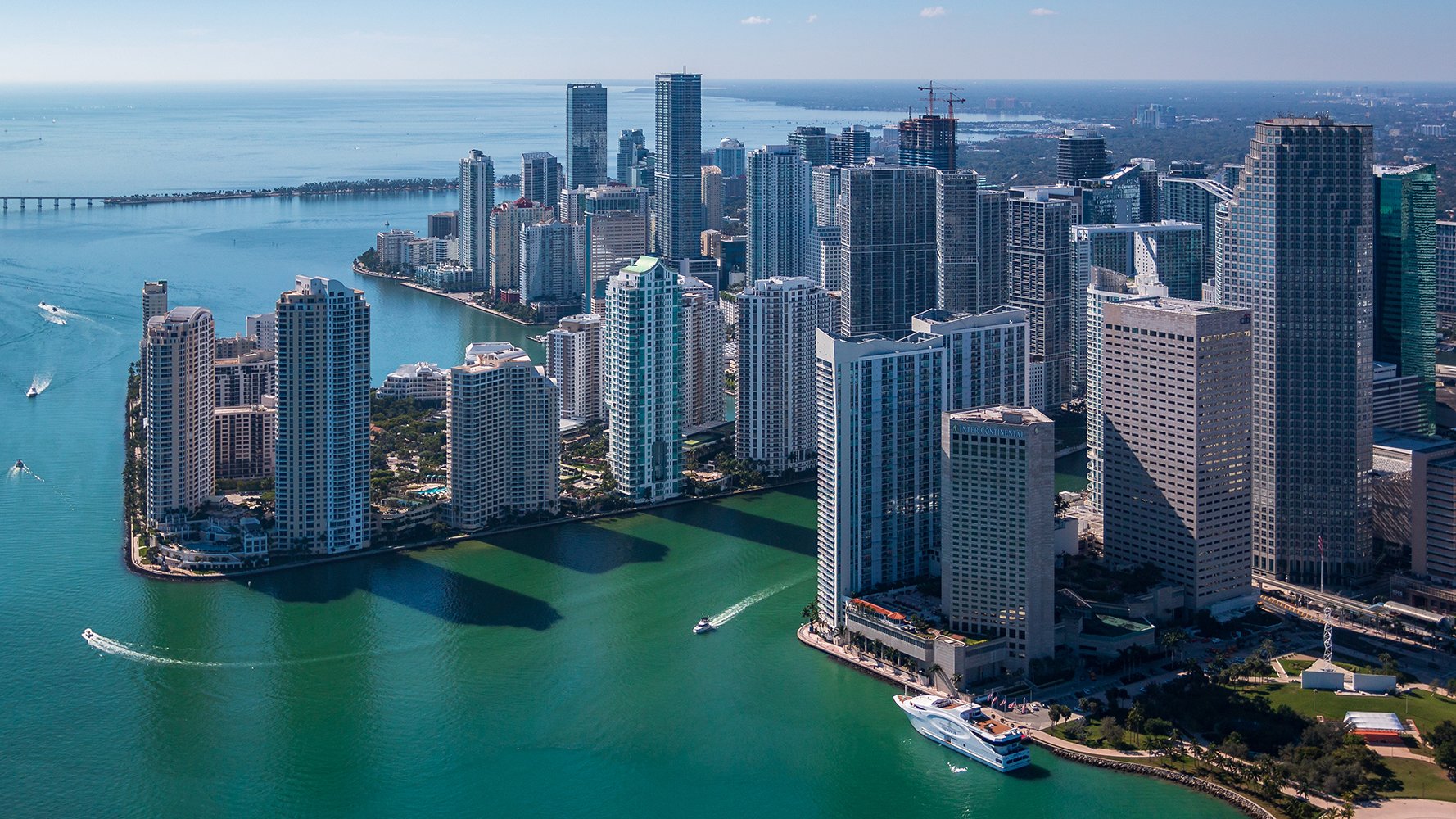
For many affluent families, the move from Aspen to Coconut Grove is not simply a relocation story. It is a shift in how real estate functions within the family balance sheet. A mountain residence may have served as a seasonal refuge, a gathering place, or a symbol of achievement. A Coconut Grove residence can serve those same purposes, but often with a different rhythm: greater year-round usability, closer access to Miami’s cultural and financial ecosystem, and a lifestyle suited to several generations at once.
The strategic question is not, “Which home is most desirable?” It is, “Which ownership structure will still feel intelligent when children become adults, spouses enter the picture, grandchildren arrive, and liquidity needs change?” Intergenerational wealth planning begins before the contract is signed. It touches title, estate documents, family governance, insurance review, charitable intentions, tax coordination, and the emotional realities of shared use.
In Coconut Grove, the appeal is intimate and residential. Buyers comparing estates, boutique condominiums, and private compounds often view settings such as Four Seasons Residences Coconut Grove not merely as lifestyle acquisitions, but as potential family anchors. The more meaningful the asset, the more important it becomes to decide who controls it, who pays for it, who may use it, and how it may be transferred.
Luxury buyers are accustomed to due diligence on architecture, views, amenities, and finish levels. Families with significant wealth should apply the same discipline to ownership design. A residence acquired personally may offer simplicity, while a trust, company, or other structure may support privacy, succession, creditor planning, or shared governance. The right answer depends on the family, not the neighborhood.
Before a Coconut Grove purchase, families should coordinate estate counsel, tax advisors, insurance specialists, and family office leadership. The purpose is not to overcomplicate a residential acquisition. It is to avoid a familiar problem: a beloved property becoming a point of confusion after the principal owner is no longer making every decision.
Investment decisions also need a private definition of success. Some families prioritize capital preservation. Others want a flexible base for children in Miami, a future retirement residence, or a gathering place that keeps the family emotionally connected. Those goals can lead to different answers on price point, carrying costs, leverage, renovation tolerance, and eventual transfer.
Second-home ownership is where lifestyle and governance often collide. Families may assume a property will be enjoyed equally by all heirs. In practice, schedules, preferences, financial capacity, and geography differ. One child may use the residence often, another rarely. One branch may want to keep it forever, while another may prefer liquidity.
The cleanest plans acknowledge these differences in advance. Usage calendars, expense formulas, guest policies, pet rules, renovation approval thresholds, and buyout mechanisms can sound unromantic, but they preserve harmony. A family constitution or property-use agreement can be as valuable as a design brief.
Coconut Grove lends itself to this conversation because its residential scale can support both privacy and daily life. A buyer drawn to wellness-oriented living might consider The Well Coconut Grove as part of a broader plan for parents, adult children, and visiting relatives. Another family may prefer the island sensibility of Vita at Grove Isle, where the emotional value lies in separation, calm, and ritual. In either case, the planning question remains the same: how will the family use the asset when the original buyer is no longer the coordinator?
The name on the deed is only the visible layer of ownership. Control can be separated from beneficial enjoyment, and that distinction matters. A trust may allow one person or institution to administer the property while family members benefit from use. A company structure may centralize management and expense sharing. Direct ownership may be appropriate when simplicity is paramount.
Control should also address incapacity, not only death. If the decision-maker becomes unable to act, who approves major repairs, negotiates insurance matters, hires property staff, or authorizes a sale? Ultra-prime real estate does not pause because family documents are unclear.
For families with children in different cities, Brickell can also enter the conversation. A next-generation buyer may want proximity to finance, restaurants, and urban energy, while parents prefer the canopy and village texture of Coconut Grove. In that context, a residence such as 2200 Brickell can become part of a multi-property strategy rather than a competing choice. The family plan should define whether each asset is personal, shared, income-oriented, or intended for eventual transfer.
The most elegant residence can become burdensome if the plan ignores liquidity. Carrying costs, assessments, staffing, maintenance, insurance, taxes, and future capital improvements should be modeled conservatively. The question is not whether the family can afford the home today. It is whether the structure provides enough liquidity for heirs to keep it without resentment.
Some families earmark liquid assets for property expenses. Others design buyout rights so one branch can retain the residence while another receives equivalent value elsewhere. A thoughtful plan avoids forcing a sale at an emotional moment. It also reduces the chance that one heir becomes the unofficial sponsor of everyone else’s enjoyment.
Waterfront ownership adds another layer of planning. Privacy, views, and water access may be central to the appeal, but long-term stewardship should include maintenance tolerance and risk review. Families should discuss these items plainly, especially when the buyer’s vision is to hold the property for decades.
Coconut Grove rarely exists in isolation for ultra-premium buyers. Families may compare it with Coral Gables for schools and tradition, Miami Beach for resort energy, Fisher Island for seclusion, or Palm Beach for a different social register. The right choice depends on how the family actually lives.
A household that values architectural character and access to established residential neighborhoods might evaluate Ponce Park Coral Gables alongside Grove options. That comparison should not be reduced to price or prestige. It should ask which location will remain useful to the family over time, which property type best supports aging owners, and which setting adult children will realistically return to.
Estates and single-family buyers should be especially deliberate. Single-family homes can offer land, privacy, and control, but they can also require more active management. Condominium residences may simplify staffing and security, yet introduce association rules and collective decision-making. Neither is inherently better for legacy planning. Each has a different governance profile.
The most important questions are often practical. Who will own the residence on day one? Who has authority to sell? Are heirs expected to share use or inherit value? Will the property be held for lifestyle, investment, or both? How will expenses be funded if the principal owner is gone? What happens if one child wants out?
These conversations are best held when everyone is calm, not after a transition. For Aspen families entering Coconut Grove, the opportunity is to align a beautiful acquisition with a disciplined structure. The reward is not only a residence in South Florida. It is a cleaner transfer of responsibility, memory, and choice.
Should a Coconut Grove purchase be owned personally or through a structure? That depends on privacy, tax, estate, liability, and family governance goals. Buyers should decide with counsel before signing a contract.
Is intergenerational planning only relevant for very large estates? No. Any valuable residence that multiple heirs may use, inherit, or sell can benefit from clear planning.
What is the biggest mistake families make with legacy homes? They assume shared affection will solve practical issues. Expense sharing, control, scheduling, and exit rights should be addressed in writing.
Can a second home become a source of family conflict? Yes. Unequal use, unequal financial contribution, and unclear decision-making can create tension even in close families.
How should buyers think about liquidity? A plan should identify funds for carrying costs, repairs, insurance, and potential buyouts. Liquidity helps heirs keep options open.
Are condominiums easier for succession planning than houses? They can be simpler to manage, but association rules and shared governance still matter. The best choice depends on the family’s needs.
Why compare Brickell with Coconut Grove in a family plan? Different generations may want different lifestyles. A multi-property strategy can separate urban convenience from family retreat.
Should adult children be involved before the purchase? Often, yes. Their expectations, financial capacity, and likely use can shape a more durable ownership plan.
What role does insurance review play? Insurance affects carrying cost and long-term resilience. It should be reviewed as part of the acquisition, not after closing.
When should estate documents be updated? They should be reviewed before or during the purchase process. The residence should fit into the broader estate plan from the start.
If you'd like a private walkthrough and a curated shortlist, connect with MILLION.
If branded residences are on your mind — as a home or as an allocation — we would be glad to share what we are seeing, privately.
Begin a quiet conversation