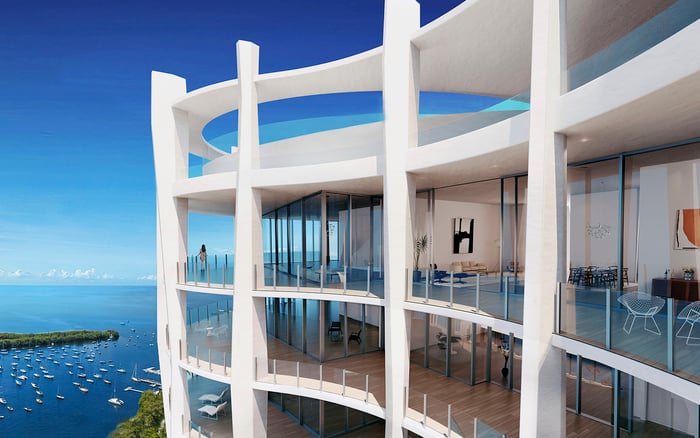
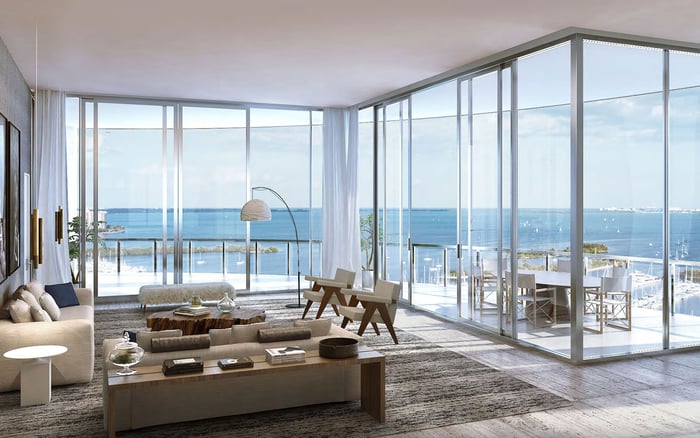
A buyer-focused look at how daily convenience, shade, village access, parking, wellness routines, and discreet service shape luxury condo decisions in Coconut Grove.
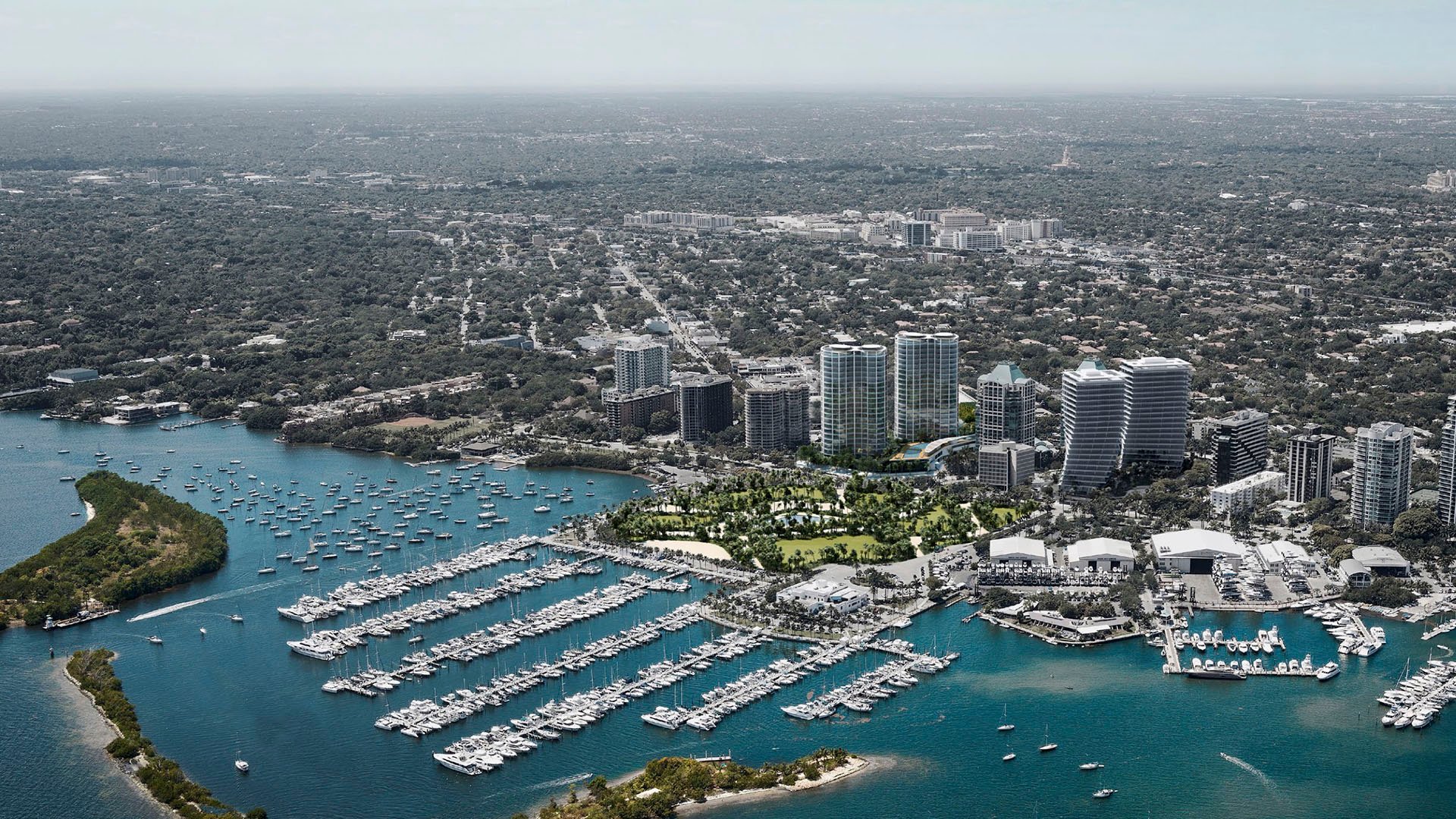
For luxury condo buyers, walkability in Coconut Grove is less about a map score than the texture of daily life. The question is not simply whether coffee, dinner, fitness, schools, parks, or the water are within reach. It is whether those walks feel natural, shaded, secure, and compatible with a high-service residence.
That distinction matters. Coconut Grove has always had a residential softness that separates it from denser urban districts. Buyers are not typically seeking the relentlessness of a downtown grid. They are looking for a village cadence: a morning errand completed without a car, an easy evening reservation, a waterfront stroll, or the ability for guests to arrive without turning every social plan into logistics.
This is why projects such as Park Grove Coconut Grove continue to frame the conversation around convenience in a different way. The most compelling addresses do not merely sit near neighborhood amenities. They create a residential base from which the Grove feels usable, private, and emotionally calm.
A serious buyer should begin with the daily route test. Imagine a weekday from sunrise to dinner. Where does the first coffee happen? Is there a comfortable walking path for a pet? Can a quick grocery need be handled without valet retrieval? Is the route to lunch pleasant in warm weather? Does the evening return feel graceful, or does it cross too much traffic, noise, or exposed pavement?
The best Coconut Grove condo location is rarely defined by the shortest distance alone. A slightly longer walk through a quieter, greener path may feel more valuable than a shorter route that lacks comfort. In a tropical market, shade, sidewalk quality, crossing rhythm, lighting, and the character of adjoining streets can materially change how often an owner actually walks.
This is where boutique and wellness-oriented residences such as The Well Coconut Grove enter the conversation. For buyers who prioritize daily rituals, the ideal home supports movement before the day becomes scheduled: a walk, a workout, an errand, a quiet reset, and then a seamless return to privacy.
Walkability should never come at the expense of discretion. In the upper tier of the market, buyers want access without exposure. They may enjoy being close to restaurants and retail, but they do not necessarily want that energy at their front door.
The most successful fit often lies in a nuanced middle ground. A buyer may want to be minutes from the village core, yet still prefer a residential arrival, controlled building access, a calm lobby sequence, and a sense of separation from casual foot traffic. This is particularly important for principals who host, travel frequently, or maintain staff-supported homes.
Residences such as Four Seasons Residences Coconut Grove speak to that preference for a refined arrival experience paired with neighborhood convenience. The point is not simply proximity. It is the ability to move between public and private life without friction.
In Coconut Grove, walkability does not eliminate the need for excellent car choreography. Luxury buyers still rely on vehicles for schools, offices, clubs, airports, family obligations, and cross-county appointments. A walkable address becomes truly convenient only when parking, valet, guest arrival, ride-share access, and delivery handling feel equally well resolved.
This hidden layer often separates a pleasant residence from a truly livable one. Buyers should pay attention to how the building handles peak-hour arrivals, restaurant nights, visiting family, service providers, and package volume. A beautiful home can feel inefficient if every small movement requires waiting, explaining, or improvising.
The same applies to bicycle storage, stroller flow, pet access, and the path from garage to residence. Convenience is cumulative. When each daily transition is graceful, the home feels effortless. When each transition is slightly compromised, even a celebrated address can feel less polished over time.
Coconut Grove buyers often weigh two emotional pulls: the ease of village living and the calm of waterfront orientation. The village offers immediacy. The waterfront offers pause. The strongest choice depends on how the owner actually lives.
A buyer who dines out several nights a week, values walkable errands, and wants children or guests to move independently may lean toward a more village-connected address. A buyer who treats the residence as a retreat may prioritize views, privacy, and a quieter edge, accepting that some daily conveniences may require more planning.
Buildings such as Mr. C Tigertail Coconut Grove are often part of the lifestyle discussion because they sit within the Grove’s broader village-oriented sensibility. The question for buyers is not whether one model is superior. It is whether the building’s rhythm mirrors the household’s rhythm.
In the luxury market, wellness is no longer confined to spa rooms and fitness centers. It includes the ability to step outside comfortably, move through a human-scaled neighborhood, and return home feeling restored rather than depleted. Coconut Grove’s appeal is tied to this softer version of urbanism.
A buyer should study the first 500 feet from the building as carefully as the amenity deck. Is the immediate environment pleasant enough to encourage a spontaneous walk? Does the neighborhood support a morning routine without the need for a formal plan? Can one move between home, greenery, water, dining, and daily services with ease?
Projects such as Arbor Coconut Grove and The Lincoln Coconut Grove reflect the continuing appetite for residential options that place neighborhood usability near the center of the purchase decision. For many buyers, the amenity most used is not always the most dramatic one. It may be the door that opens onto a walkable day.
Before touring, buyers should rank their non-negotiables. The first category is routine: coffee, fitness, school runs, work commute, pet care, groceries, dining, marina access, or cultural life. The second is tolerance: how much street energy, traffic, and pedestrian activity feels acceptable near home. The third is service: what level of valet, security, delivery management, and building staff presence is expected.
Couples and families should compare calendars rather than abstract preferences. One person may value proximity to restaurants, while another may prioritize quiet mornings. One may want a highly serviced building, while another may care most about access to parks and village errands. The right condo reconciles those patterns without forcing one lifestyle to dominate.
This is the essence of Coconut Grove convenience. It is not a slogan. It is the daily absence of friction, expressed through shade, routes, privacy, service, and the confidence that the neighborhood remains useful long after the first impression fades.
What should luxury buyers look for in a walkable Coconut Grove condo? Prioritize comfortable daily routes, privacy at arrival, strong building service, and proximity to the places you use most often.
Is the closest building to the village always the best choice? Not necessarily. A quieter approach, better shade, and a more discreet entrance may matter more than the shortest distance.
How important is valet service in a walkable neighborhood? Very important. Even highly walkable buyers still rely on cars, guests, deliveries, and ride-share access.
Should waterfront buyers compromise on walkability? It depends on lifestyle. Some buyers prefer waterfront calm, while others need village convenience several times a day.
Do pet owners need to evaluate walkability differently? Yes. Pet routines make sidewalk comfort, nearby green space, elevator flow, and service access especially important.
What is the most overlooked convenience factor? The immediate arrival sequence. Garage access, lobby flow, guest handling, and deliveries shape daily satisfaction.
Can wellness amenities replace neighborhood walkability? They complement it, but they do not replace the value of a pleasant, usable neighborhood outside the front door.
Is Coconut Grove better for buyers seeking quiet or activity? It can serve both, depending on the building position, street setting, and how close the residence sits to village energy.
How should seasonal residents think about convenience? They should focus on effortless arrivals, lock-and-leave service, dining access, and simple routines during short stays.
When is the right time to compare Coconut Grove condo options? Begin before touring so you can evaluate each residence against your real daily habits, not just its presentation.
To compare the best-fit options with clarity, connect with MILLION.
If branded residences are on your mind — as a home or as an allocation — we would be glad to share what we are seeing, privately.
Begin a quiet conversation