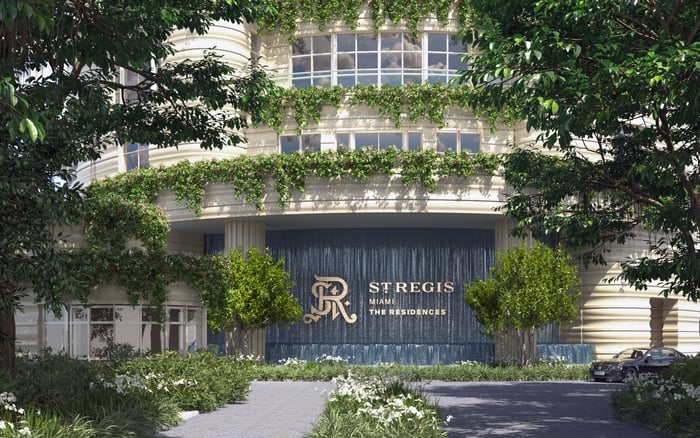
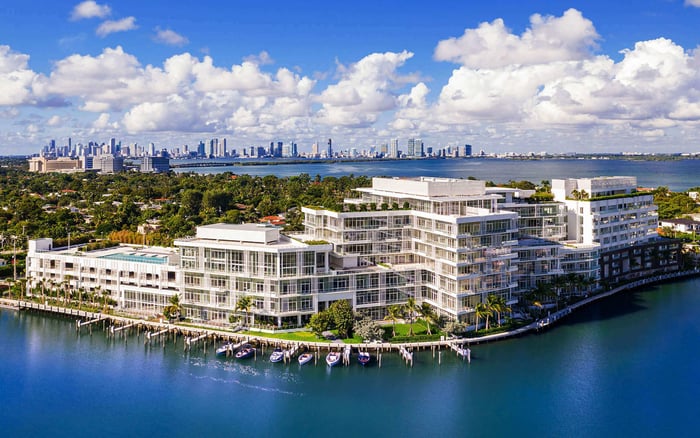
Hospitality-branded condos in Miami are most compelling when the name improves daily life through service discipline, operational clarity, privacy, and a sense of continuity beyond design alone.
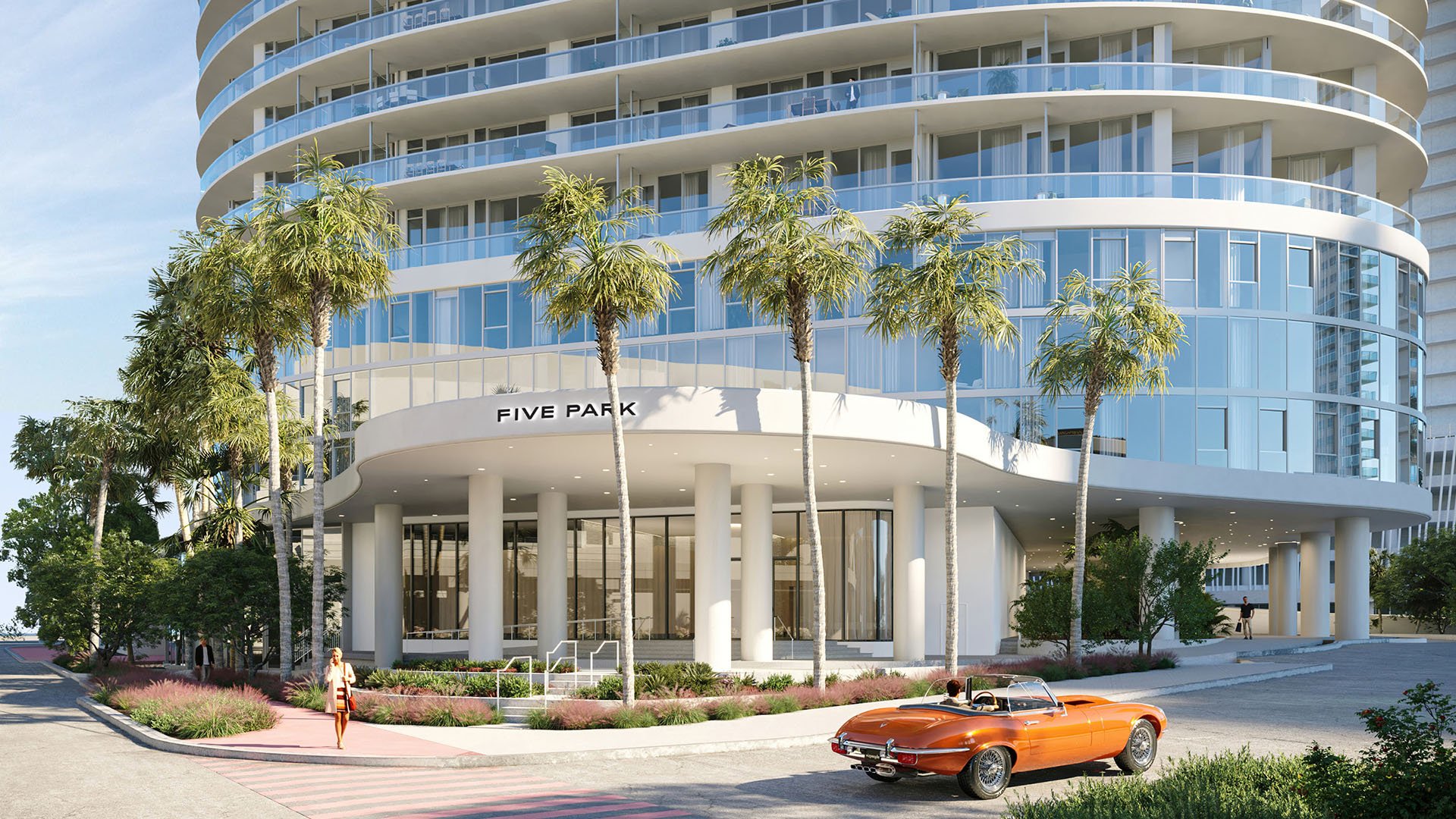
Hospitality-branded condos in Miami hold a distinct place in the luxury conversation. They are not simply residences with famous names attached, nor hotels recast as private homes. At their best, they translate a hospitality ethos into ownership: a considered arrival, a more intuitive service culture, smoother coordination of daily needs, and a building that understands discretion as clearly as attention.
For South Florida buyers, the appeal is easy to understand. Many owners divide time across cities, travel often, host selectively, and expect a residence to operate with the ease of a trusted private club. A brand can help establish that language. It can also create a design and service baseline that makes the building easier to understand before a buyer ever steps into a model residence.
But the name alone is not the value. The value is whether the brand enhances ownership every day, after the ribbon-cutting, after the first season, and after the novelty of the logo has faded.
A hospitality brand earns its premium when it improves the invisible parts of ownership. That includes how residents are greeted, how requests are handled, how common areas are maintained, and how staff members understand the difference between attentiveness and intrusion. In a true residential setting, service should feel available rather than performative.
The most refined buildings do not turn daily life into a hotel stay. They make home feel more effortless. The lobby should not become a spectacle for outsiders. The amenity level should not overwhelm privacy. Staff should remember preferences without making residents feel observed. These are subtle distinctions, but they are exactly where a hospitality brand can separate itself from a conventional luxury condominium.
In Brickell, for instance, the conversation often centers on whether a branded residence can create calm within a highly active urban district. A buyer considering St. Regis® Residences Brickell is not merely evaluating a name. The more important question is how the building’s service identity fits the rhythm of financial-district living, entertaining, workdays, and frequent travel.
Finishes date. Views remain valuable, but even views become part of daily routine. Service, when managed well, compounds. It determines how a building feels in its fifth year, tenth year, and beyond.
This is why hospitality-branded ownership should be assessed through operational questions. Who controls service standards? How is staff trained? What is included in regular assessments, and what is à la carte? How do residents book amenities, receive guests, arrange maintenance, or coordinate deliveries? Does the building have a residential culture, or does it feel like a public-facing venue?
The best answers are not always the loudest. A well-run residence makes complexity disappear. It allows owners to arrive late, leave early, host gracefully, and return months later without feeling that their home has been unattended. In that sense, service is less an amenity than an infrastructure.
Miami is not one branded-residence market. It is a collection of micro-markets with very different expectations. A waterfront tower in Downtown Miami may appeal to a buyer who wants vertical drama, skyline energy, and concierge-driven convenience. A coastal address may require a softer language of resort living, privacy, and seasonal ease. A grove or garden setting may call for a quieter, more residential interpretation of hospitality.
That is why the brand should match the neighborhood rather than dominate it. Waldorf Astoria Residences Downtown Miami belongs to a different buyer conversation than a low-key coastal or garden-oriented residence. The name may communicate a standard, but the location determines how that standard should be lived.
In Coconut Grove, the appeal is often more intimate. Four Seasons Residences Coconut Grove suggests a version of hospitality that should feel residential first, with service supporting a quieter daily cadence. The buyer is not necessarily asking for spectacle. The buyer may be seeking continuity, trust, and the sense of being known without being managed.
The most sophisticated buyers look past branding and study governance. A name can attract attention, but the condominium documents, service structure, rental rules, staffing model, and association culture shape the lived reality.
Privacy is central. Hospitality language can sometimes imply openness, while private residential ownership demands control. Buyers should understand who uses the amenities, whether any hotel component exists, how guest access is managed, and how resident-only areas are protected. The more valuable the address, the more important these boundaries become.
Governance also matters because brands evolve. Buildings remain. Owners should understand how long a brand agreement is intended to last, how standards are enforced, and what happens if the relationship changes. A residence should be strong enough architecturally, operationally, and socially to hold value beyond a single marketing cycle.
In Miami Beach, for example, the branded conversation often intersects with legacy, lifestyle, and privacy. A residence such as The Ritz-Carlton Residences® Miami Beach may appeal to buyers who want hospitality discipline without surrendering the feeling of a private home.
A hospitality-branded condo can justify its premium when the brand reduces friction. That might mean a more polished arrival experience, a stronger service culture, better-managed amenities, or greater confidence for owners who are not in residence year-round. It can also mean a clearer resale narrative, since buyers often understand the promise of a globally recognized hospitality name.
Yet the premium is not automatically rational. If the brand is mostly decorative, if fees are opaque, if amenities are overscaled for the resident population, or if the building’s public energy compromises privacy, the name may add more noise than value. True luxury is not the largest amenity deck or the most theatrical lobby. It is the feeling that the building knows what to do before the owner has to ask.
For buyers evaluating The Residences at Mandarin Oriental, Miami, the question is not whether the brand is admired. It is whether the service philosophy, location, residence design, and ownership structure align with the way the buyer actually intends to live.
Begin with your own pattern of use. A primary resident may care most about daily privacy, staff consistency, and the tone of shared spaces. A seasonal owner may prioritize lock-and-leave confidence, maintenance coordination, and guest protocols. An international buyer may place more weight on familiarity, brand trust, and service predictability.
Then move from emotion to mechanics. Review fees carefully. Understand what services are included and what will be billed separately. Study the amenity program with discipline. Ask whether each space will be used often enough to justify its cost. Consider how easily the building can maintain its standards in a slower market, during a busy season, or after the first generation of owners settles in.
Finally, spend time with the building’s tone. The right hospitality-branded condo should make life feel smoother, not more staged. It should support entertaining without turning home into a venue. It should offer recognition without excess familiarity. When the brand works, it disappears into the quality of daily ownership.
Are hospitality-branded condos different from traditional luxury condos? Yes. The distinction is usually the service culture, operating standards, and resident experience associated with the brand.
Does a famous brand automatically make a condo a better investment? No. A brand can strengthen buyer recognition, but value still depends on location, design, governance, fees, and execution.
What should buyers review before purchasing? Buyers should review association documents, service inclusions, fee structure, rental rules, and any brand-related agreements.
Are these residences intended to feel like hotels? Not ideally. The strongest examples borrow hospitality precision while preserving the privacy and permanence of a private home.
Why is Brickell important for branded residences? Brickell attracts buyers who often value convenience, service, and urban access, making hospitality branding especially relevant.
Can hospitality branding work in quieter neighborhoods? Yes. In areas such as Coconut Grove, the brand should support a more discreet and residential lifestyle.
What is the biggest risk with branded condos? The main risk is paying for a name without receiving meaningful operational value in daily ownership.
Should buyers focus more on amenities or service? Service usually ages better. Amenities matter, but consistent staffing and thoughtful operations shape the long-term experience.
How should owners think about privacy? They should understand guest access, amenity use, public-facing components, and how resident-only spaces are protected.
When does the brand truly enhance ownership? It enhances ownership when the residence feels easier, calmer, and better managed because of the brand’s standards.
If you'd like a private walkthrough and a curated shortlist, connect with MILLION.
If branded residences are on your mind — as a home or as an allocation — we would be glad to share what we are seeing, privately.
Begin a quiet conversation