A discreet guide for affluent buyers considering homestead strategy before purchasing luxury real estate in Palm Beach Gardens, with practical questions for title, domicile, tax, asset protection, and estate planning conversations.
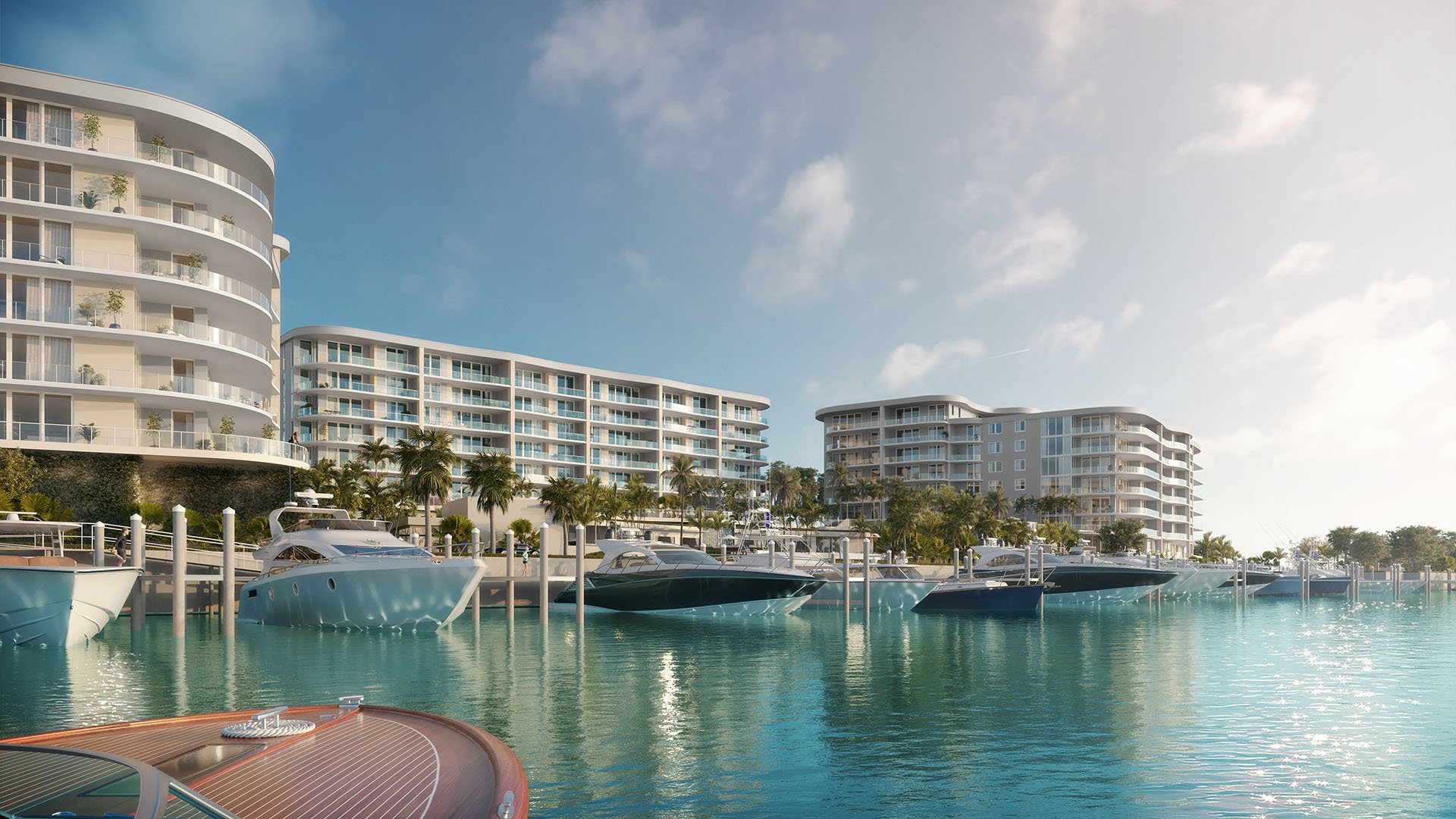
For high-net-worth buyers, homestead strategy is rarely a single form filed after closing. It is a planning conversation that should begin before the purchase agreement is signed, particularly when the property is meant to anchor a broader Florida lifestyle. In Palm Beach Gardens, where buyers may be weighing a primary residence, seasonal retreat, family compound, or prestige condominium, the first question is deceptively simple: what role will this home play?
That answer can shape conversations about domicile, title, asset protection, property-tax planning, and estate-planning coordination. It may also affect how Palm Beach Gardens compares with nearby choices in Palm Beach, West Palm Beach, and Boca Raton. The right property can feel emotionally obvious. The ownership strategy should be equally deliberate.
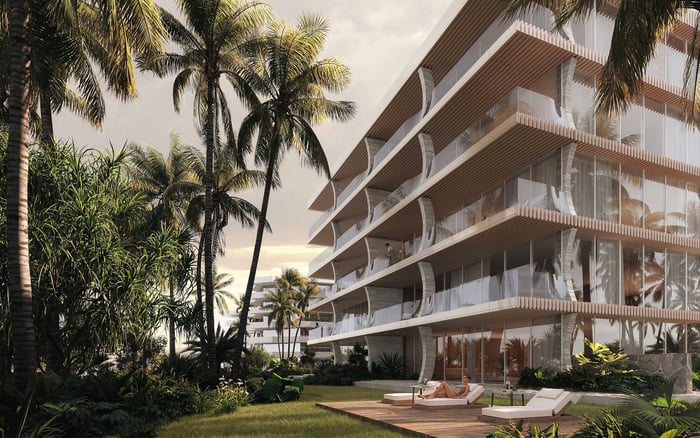
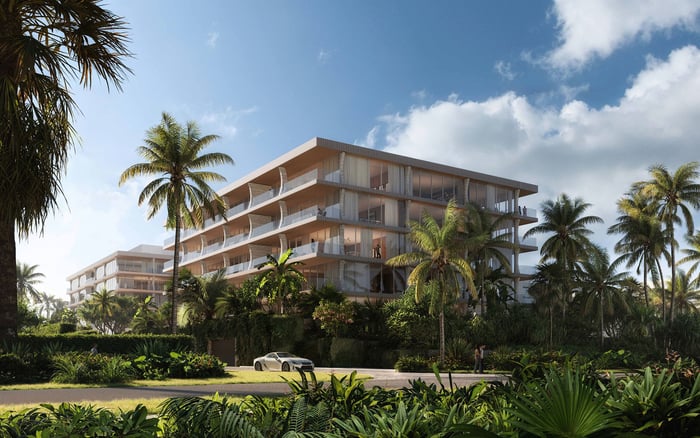
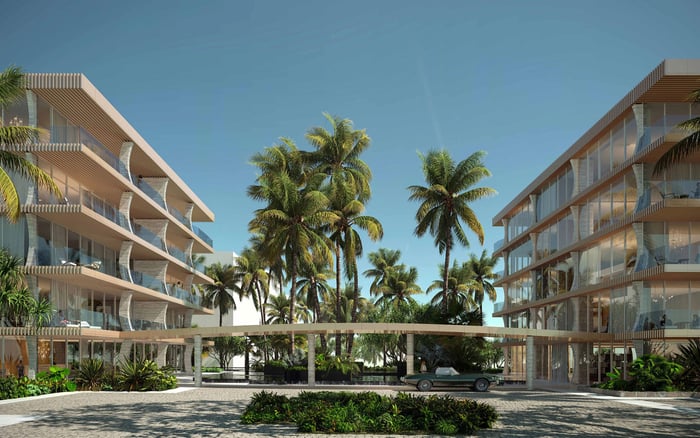
A buyer evaluating The Ritz-Carlton Residences® Palm Beach Gardens, for example, should be asking different questions than a buyer purchasing a secondary condominium for occasional use, or one acquiring a residence through an entity or trust structure. The architecture may seduce first. The ownership plan should follow closely.
For many luxury buyers, the homestead conversation is inseparable from the larger question of Florida domicile. If the Palm Beach Gardens residence is intended to become the buyer’s true home base, ask what daily life will look like after closing. Will the buyer vote locally, receive important correspondence there, move personal effects, register vehicles, and establish a consistent pattern of presence?
These are not merely administrative details. They help create a coherent picture of where life is centered. Buyers with homes in multiple states should be especially careful. A waterfront condominium in West Palm Beach, a legacy home in the Northeast, and a new Palm Beach Gardens residence can all be beautiful, but advisers will want to understand which address is meant to carry the most personal, legal, and financial weight.
This is where discretion matters. The most sophisticated buyers do not wait for a dispute or audit environment to gather evidence of intent. They establish habits early, document them cleanly, and avoid casual inconsistencies that can weaken an otherwise thoughtful plan.
Title is often treated as a closing detail, but in luxury real estate it can be a strategic decision. Before buying, ask whether the property should be held individually, jointly, through a trust, or in another structure. Then ask whether that structure aligns with the intended homestead treatment, estate plan, privacy goals, financing, and asset-protection priorities.
There is no universal answer. The correct structure depends on the buyer’s family, balance sheet, creditor profile, marital situation, and succession objectives. A property acquired as a personal residence may call for a different approach than one held for family use across generations. A residence intended for immediate occupancy may also differ from one acquired before a planned relocation.
The key is sequencing. Once the contract is signed, the deposit is wired, the lender is engaged, and closing documents are circulating, the planning window narrows. Ask the title, tax, and estate-planning questions before the transaction has too much momentum.
Affluent buyers often arrive in Florida with assumptions about favorable tax treatment, but homestead strategy should not be reduced to a slogan. Ask your advisers what must happen after closing, which deadlines matter, what documents are required, and how the property’s use will be evaluated.
Also ask whether the purchase price, renovation plans, timing of occupancy, or family ownership structure could affect the planning. Luxury acquisitions often involve designers, architects, art installers, household staff, and phased move-ins. A buyer may close in one season and truly occupy in another. That gap should be discussed in advance, not explained after the fact.
When comparing Palm Beach Gardens with nearby condominium markets, the same discipline applies. A buyer looking at The Ritz-Carlton Residences® West Palm Beach may be weighing proximity to cultural, dining, or business routines, while a Palm Beach Gardens buyer may be prioritizing a different rhythm. The question is not which address is more glamorous. The question is which address best supports the residence story the buyer intends to live.
Homestead strategy can sit at the intersection of personal security and family legacy. Buyers should ask how the residence fits into asset-protection planning, whether the ownership structure supports the broader estate plan, and whether heirs, spouses, prior marriages, or family governance concerns create added complexity.
This is particularly important for buyers who have already built sophisticated wealth structures. A family office, trust arrangement, prenuptial agreement, closely held business, or multijurisdictional asset base may require coordination before a Florida residence is acquired. The home may feel personal, but the planning around it can be highly technical.
Ask your advisers to model what happens not only at purchase, but also upon death, divorce, incapacity, a liquidity event, or a future sale. Luxury buyers tend to focus on entry. Homestead strategy should also account for exit and succession.
Palm Beach Gardens has its own cadence, and that cadence may be precisely why a buyer chooses it. Still, sophisticated purchasers often compare it with Palm Beach, West Palm Beach, Boca Raton, and select Miami addresses before committing. The comparison should include lifestyle, access, privacy, property type, and the intended role of the residence.
If the buyer’s professional, philanthropic, or family life is centered farther south, a Boca Raton condominium such as Alina Residences Boca Raton might enter the conversation. If the buyer is drawn to a downtown waterfront rhythm, Banyan Tree Residences West Palm Beach may become part of the broader comparison set. These references are not interchangeable. They help reveal where the buyer will actually live, entertain, host family, receive services, and build routine.
The strongest homestead strategy is often the one that matches behavior. A residence chosen for prestige but rarely used may raise different planning questions than a home that genuinely becomes the center of daily life.
Before making an offer, assemble the right questions for your real estate adviser, attorney, tax professional, estate-planning counsel, and, where appropriate, family office. Ask who is responsible for each step, who will review title, who will coordinate filing obligations, and who will confirm that the purchase structure matches the buyer’s long-term intentions.
Also ask what not to do. Should you avoid putting certain documents at an old address? Should you update personal records before or after closing? Should household employment, insurance, club memberships, charitable activity, and professional records be coordinated with the new residence plan? These practical details can matter.
For luxury buyers, the objective is not to turn a beautiful acquisition into a bureaucratic exercise. It is to protect the beauty of ownership from avoidable friction. A Palm Beach Gardens purchase should feel seamless, but seamlessness is usually the product of careful preparation.
Should I discuss homestead strategy before making an offer? Yes. The earlier the conversation begins, the easier it is to align title, financing, tax planning, estate documents, and occupancy expectations.
Is homestead strategy only about property taxes? No. It can also touch domicile, asset protection, estate planning, family governance, and how the residence is actually used.
Does every Palm Beach Gardens buyer need the same structure? No. The right approach depends on family circumstances, ownership goals, adviser input, and whether the home is intended as a primary residence.
Can a trust own a luxury residence? It may be possible, but buyers should confirm how any trust structure interacts with their intended homestead, estate, privacy, and tax objectives.
What should out-of-state buyers ask first? Ask whether the Palm Beach Gardens property will become the center of life, and what steps support that position consistently.
Do renovation timelines matter? They can. If occupancy will be delayed, buyers should discuss how timing, documentation, and use of the property fit the broader plan.
Should spouses be part of the planning conversation? Yes. Marital status, heirs, prior planning documents, and future succession goals can all influence the recommended ownership structure.
How does Palm Beach compare with Palm Beach Gardens for planning? The planning questions may overlap, but the best answer depends on where the buyer will genuinely live, maintain routines, and document intent.
Can I resolve homestead questions after closing? Some steps may occur after closing, but waiting can limit options. Pre-closing coordination is usually cleaner for complex luxury purchases.
Who should be on my advisory team? A real estate adviser, attorney, tax professional, estate-planning counsel, and family office team, when applicable, should coordinate before closing.
For a discreet conversation and a curated building-by-building shortlist, connect with MILLION.
If branded residences are on your mind — as a home or as an allocation — we would be glad to share what we are seeing, privately.
Begin a quiet conversation