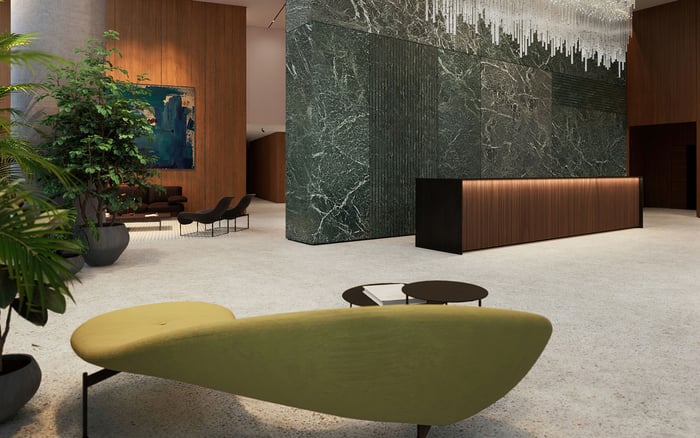
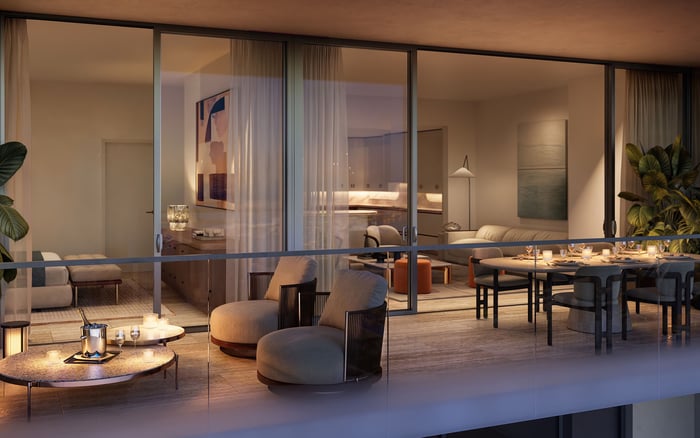
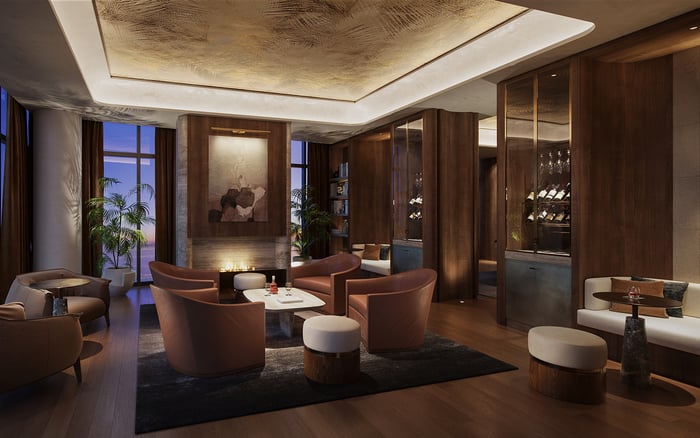
Two headline towers on Biscayne Boulevard express two different definitions of luxury: a design-forward, non-hotel residence model at Casa Bella by B&B Italia, and a hospitality-embedded ecosystem at Waldorf Astoria Residences Miami. For buyers weighing privacy, operating costs, and daily service expectations, the distinction is less about height and more about how the building is staffed, programmed, and managed. Here is a buyer-oriented framework for choosing between these approaches, with a focus on lifestyle, fees, and flexibility.
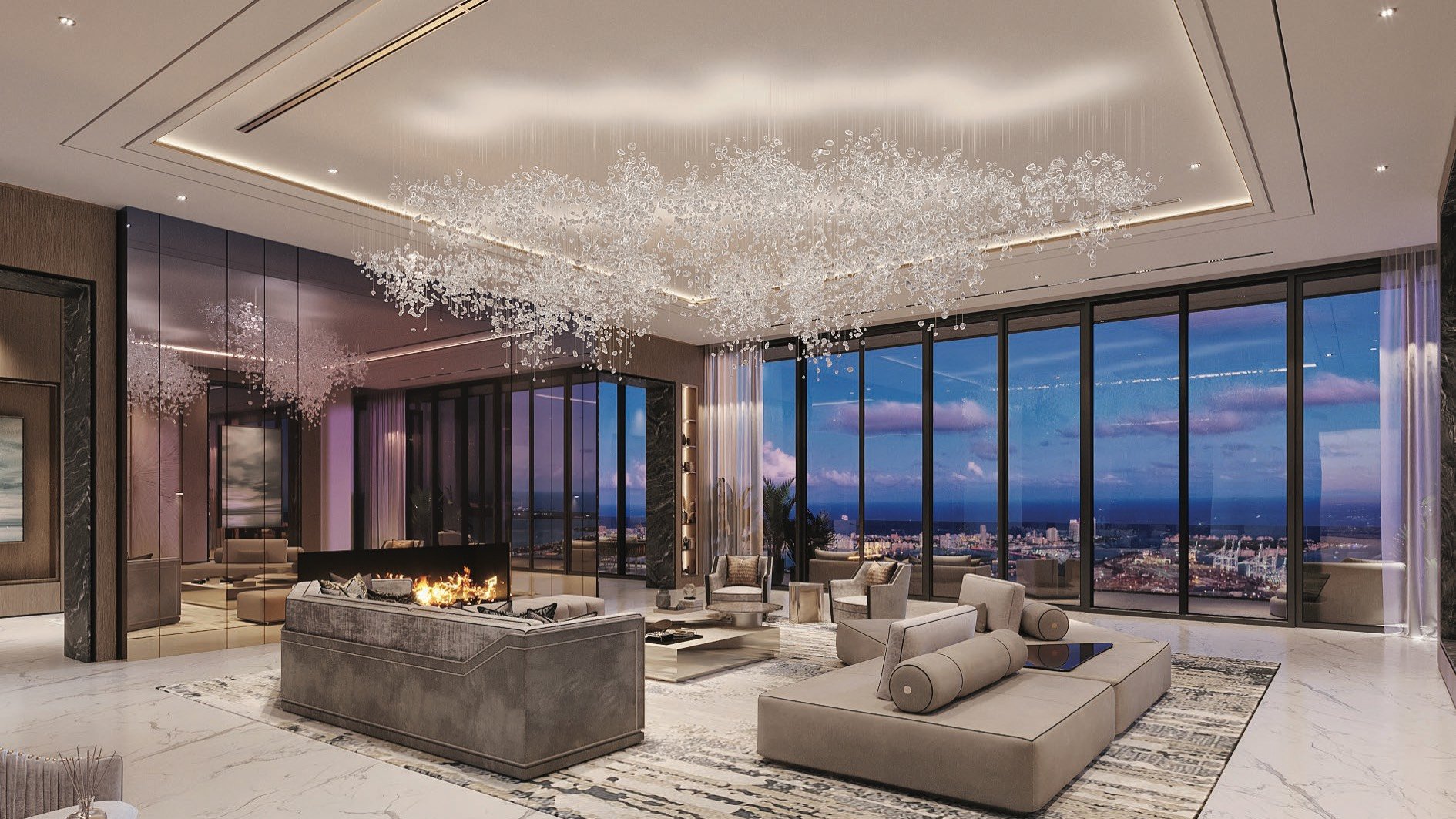
In the ultra-competitive Downtown Miami corridor, it is easy to compare pre-development towers by skyline presence, floor count, or renderings. The more consequential decision is operational: do you prefer a pure residential building with a concierge-led lifestyle layer, or a tower where hotel operations are structurally integrated into daily life?
That lens clarifies the choice between Casa Bella by B&B Italia Downtown Miami and Waldorf Astoria Residences Downtown Miami. Both sit on Biscayne Boulevard, both are positioned for the Arts & Entertainment District and the broader Downtown core, and both aim to register as destination addresses. Yet the texture of ownership, from staffing intensity to amenity programming to monthly carrying costs, is designed to feel fundamentally different.
Because these are pre-construction decisions, buyers are also choosing a future service blueprint. Menus, staffing, and policies can evolve. The most durable differentiator is the building’s DNA: non-hotel boutique residence versus hotel-integrated branded living.
Casa Bella Residences by B&B Italia is planned for 1400 Biscayne Blvd in Miami’s Arts & Entertainment District, rising 57 stories with 306 residences. Architecture is credited to Arquitectonica, with interiors curated and designed by Piero Lissoni. The positioning is design-led and residential-first, with amenities organized across two full floors plus signature spaces, including a 56th-floor sky pool terrace and a private observatory with a telescope.
Waldorf Astoria Residences Miami is planned at 300 Biscayne Boulevard as a 100-story tower with a stated height of 1,049 feet. The program includes 360 residences and a 205-key hotel, placing hospitality operations at the center of the ecosystem. Interiors are credited to BAMO, and the residences specify Savant as the smart-home platform, reinforcing a technology-enabled service layer aligned with luxury hotel expectations.
If you value boutique scale and residential quiet, Casa Bella’s 306-home count and non-hotel operations can feel more controlled. If you want the cadence of a five-star property with layered venues and a larger staff footprint, Waldorf’s hotel component is not a side note, it is the point.
Casa Bella’s authorship is unusually explicit. Arquitectonica paired with Piero Lissoni’s interior curation signals an environment meant to feel composed, modern, and visually consistent from shared spaces to residences. The amenity concept leans experiential but residential, with elements like the sky pool terrace and observatory that deliver moments of spectacle without a constant public-facing hotel rhythm.
Waldorf Astoria’s design story is inseparable from the brand. With BAMO credited for interiors, the tone is expected to follow a luxury hospitality language that prioritizes arrival sequence, lounge culture, and the choreography of service. For many buyers, that is the luxury: the confidence that common areas, staffing, and programming are conceived as a cohesive, guest-level experience, even if you never behave like a guest.
If you split time between South Florida and other markets, ask what you want to feel when you return. A residential building can read like a private home in the sky. A hotel-integrated property can feel like returning to a precisely run club, where the building’s energy is part of the value.
Casa Bella organizes amenities across two full floors, plus additional signature spaces. The headline moments, the 56th-floor sky pool terrace and the private observatory with a telescope, are designed to give owners a sense of elevation and occasion. Wellness is also a stated focus, with a fitness center plus dedicated studios or spaces such as yoga and spin, alongside spa-style components.
Waldorf Astoria positions amenities as a full hospitality ecosystem. Instead of treating amenities as a residential add-on, the concept emphasizes gathering and entertaining venues, signature lounge and bar programming, and the infrastructure that comes with an on-site hotel. The implication is breadth and staffing: more touchpoints, more venues, and a more visible service apparatus.
Buyers who entertain often, or who want a socially activated building, tend to gravitate to hotel-integrated ecosystems because they reduce friction. Buyers who want amenities to feel like an extension of home, not a destination for outsiders, often prefer a residential-first approach.
For context, this same question plays out in Miami Beach, where new luxury stock ranges from highly serviced beachfront concepts to more private ownership profiles. The spectrum is clear in how residences are positioned relative to hospitality DNA, from The Ritz-Carlton Residences® Miami Beach to Setai Residences Miami Beach.
Casa Bella’s published service model is anchored by 24/7 concierge with à la carte lifestyle support, including housekeeping and other in-home coordination. This is the modern private-building approach: a capable front-of-house that can be robust, without being built on top of a full hotel back-of-house.
Waldorf Astoria’s proposition is explicitly hotel-integrated. Residents are positioned to access hospitality infrastructure, including hotel-driven services and the broader ecosystem implied by an operating hotel. Hilton’s luxury-branded residential platform frames these residences within hotel-grade expectations, which is another way of saying the service is not incidental, it is the brand promise.
The practical takeaway is not simply service quality, it is service philosophy. In a residential-first tower, service is often discreetly responsive. In a hotel-integrated tower, service can be responsive and proactive, with more staffing layers, more programming, and more systems supporting resident requests.
Waldorf Astoria’s residential features specify Savant as the smart-home platform, reinforcing integrated control over lighting, climate, and related automation. For buyers who see technology as part of luxury, not an upgrade, that specification can matter, particularly when paired with a staff culture trained around resident expectations.
Casa Bella’s public positioning emphasizes concierge and lifestyle coordination more than a specific branded smart-home platform. That does not mean the residences are not technologically sophisticated; it simply means the marketing spotlight is on design authorship, amenity experience, and human-led service.
For second-home owners, the right question is whether you want your residence to “wake up” for you via automation, staff, or both. Some buyers want a single app plus a staffed desk. Others prefer a simpler ownership profile where technology supports the home but does not define it.
For owners who want optionality, Casa Bella’s rental rules are marketed as allowing up to six leases per year with a 30-day minimum term. That structure can support flexibility while avoiding the dynamics of nightly turnover.
On the economics side, published estimates often become shorthand for operating intensity. Casa Bella’s maintenance estimate has been cited at about $0.96 per square foot, while Waldorf Astoria’s has been cited at about $1.25 per square foot. These figures are not just numbers; they can signal how staffing, venues, and operational complexity differ between a non-hotel tower and a hospitality-embedded one.
Sophisticated buyers should treat early HOA estimates as directional, not absolute. Still, the logic typically holds. A non-hotel tower can sometimes preserve a more streamlined operating model. A hotel-integrated tower can deliver a higher-touch lifestyle, and owners generally pay for that touch through staffing, systems, and programming.
The Arts & Entertainment District and the larger Downtown spine are increasingly defined by cultural proximity, water views, and the ability to move between dining, museums, arenas, and the financial core without feeling suburban. Casa Bella’s placement at 1400 Biscayne aligns with that energy while keeping the building’s identity rooted in design authorship.
Waldorf Astoria’s address at 300 Biscayne pairs the Downtown story with global brand signaling. For international buyers, that can simplify decision-making, with the brand serving as shorthand for a service baseline.
If your lifestyle is more shoreline than skyline, it can be useful to compare these Downtown propositions against Miami Beach’s newer residential narratives. The current market includes highly curated concepts like Shore Club Private Collections Miami Beach and oceanfront-focused ownership like 57 Ocean Miami Beach, each offering a different blend of privacy, staffing, and daily rhythm.
Casa Bella tends to fit buyers who prioritize design continuity, a residential atmosphere, and service that is present without being performative. If you are sensitive to carrying costs, or you want flexibility that can accommodate personal use plus a controlled rental strategy, the published rental posture and lower cited maintenance estimate may be part of the appeal.
Waldorf Astoria tends to fit buyers who want the building itself to function like a luxury ecosystem: more venues, more staff, and a hospitality standard defined by the brand. If your ideal home is supported by an operating hotel, and you value technology-enabled service and an environment built for entertaining and gathering, the proposition is straightforward.
Neither is universally “better.” Each optimizes for a different definition of luxury: the quiet certainty of a well-designed residence, or the constant ease of a professionally operated hospitality platform.
Where is Casa Bella located?
Casa Bella Residences by B&B Italia is planned for 1400 Biscayne Blvd in Miami’s Arts & Entertainment District.
How tall is Casa Bella and who is behind the design?
The tower is planned as 57 stories, with architecture by Arquitectonica and interiors curated and designed by Piero Lissoni.
How many homes are planned at Casa Bella?
Casa Bella is planned to include 306 residences.
What is Casa Bella’s signature amenity?
The building has a 56th-floor sky pool terrace and a private observatory with a telescope.
What services are publicly described at Casa Bella?
It is marketed with 24/7 concierge plus à la carte lifestyle support, including housekeeping and in-home coordination.
Where is Waldorf Astoria Residences Miami planned and how tall is it?
It is planned at 300 Biscayne Boulevard as a 100-story tower with a stated height of 1,049 feet.
Does Waldorf Astoria Miami include a hotel component?
Yes. The program includes 360 residences and a 205-key hotel.
What smart-home system is specified for Waldorf Astoria residences?
Waldorf Astoria specifies Savant as the smart-home platform.
How do HOA estimates compare between the two?
Published estimates have cited about $0.96 per square foot for Casa Bella and about $1.25 per square foot for Waldorf Astoria, often reflecting different operating intensity.
Can Casa Bella be leased out?
Marketing materials indicate up to six leases per year with a 30-day minimum, supporting flexible ownership use.
For confidential guidance on South Florida’s most exacting residences, connect with MILLION Luxury.
If branded residences are on your mind — as a home or as an allocation — we would be glad to share what we are seeing, privately.
Begin a quiet conversation