A discreet buyer’s guide to internet redundancy at Casa Bella by B&B Italia Downtown Miami, with practical questions for seasonal owners focused on remote work, smart-home monitoring, and continuity.

Casa Bella by B&B Italia Downtown Miami is positioned for buyers who regard design, location, and daily function as one integrated lifestyle proposition. In a residence connected to Downtown Miami living, the quality of the digital backbone deserves the same scrutiny as finishes, views, and service. For a seasonal owner, internet redundancy is not a technical indulgence. It is part of how a second residence stays useful, secure, and effortless whether the owner is in Miami or away.
The central question is not simply whether the connection is fast. Speed matters, but continuity is the greater luxury. A seasonal buyer may arrive for an intensive period of remote work, use video calls across time zones, monitor investments, consult with physicians, access cloud files, or supervise the property from another city. A single outage can affect more than entertainment. It can interrupt access, security, climate control, leak detection, and confidence that a vacant home is being monitored properly.
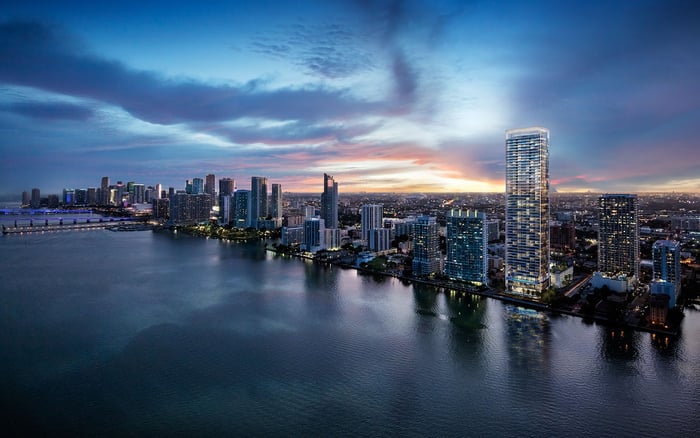
Within the broader Downtown Miami conversation, Casa Bella by B&B Italia Downtown Miami sits in a market where second-home use and new-construction expectations raise the standard for digital continuity. Buyers should treat connectivity as part of due diligence, not as an afterthought handled after closing.
Seasonal buyers should begin by asking whether fiber service is available to residences and whether the building is served by one provider or multiple providers. Fiber availability can be an important baseline, but one provider does not equal redundancy. If the primary service fails because of a provider outage, equipment issue, or disruption in the pathway into the building, a second plan on the same underlying route may not create meaningful resilience.
The more precise question is whether the building can support a secondary internet connection for failover. That secondary connection may be another wired provider, if available, or a cellular backup solution that keeps essential devices online. The goal is not to duplicate every entertainment service. It is to preserve the functions that matter most: work, access, cameras, smart-home control, thermostats, leak sensors, and communication.
Buyers should also ask whether telecom risers, equipment rooms, and in-unit low-voltage panels are designed to accommodate more than one connectivity path. In a luxury residence, the cleanest redundancy plan is usually the one considered before build-out, before custom millwork, and before network equipment is concealed.
Seasonal ownership compresses demand. A buyer may spend only part of the year in Miami, but while in residence, the home may need to perform as a private office, family hub, and secure command center. Video calls, encrypted work platforms, cloud-based collaboration, trading platforms, and telemedicine all depend on stable connectivity.
For that reason, the buyer’s technology review should be specific. Ask what primary internet services can be ordered. Ask whether a second wired ISP is allowed or supported. Ask whether cellular backup equipment can be placed where it receives adequate signal, and whether any association or building rules limit antennas, visible devices, or equipment placement.
This is especially important for buyers who expect the residence to be ready on arrival after months away. A slow reconnection, failed modem, or unsupported backup device can turn the first day in Miami into troubleshooting. In the luxury segment, the better outcome is quiet preparedness: a network that fails over automatically, keeps essential systems alive, and alerts the owner or property manager when something changes.
Internet redundancy is incomplete without power planning. A secondary connection is useful only if the modem, router, Wi-Fi equipment, smart-home hubs, and relevant building systems continue operating during an outage. Buyers should confirm whether common-area network equipment, access-control systems, and building communications are supported by backup power.
At the unit level, a practical resilience plan can include a primary fiber connection, a secondary broadband or cellular connection, a dual-WAN router, and battery backup for the modem, router, Wi-Fi, and smart-home hubs. The dual-WAN router acts as the traffic director. If the primary connection drops, it can shift key traffic to the backup connection. The battery backup gives that equipment time to keep operating through brief outages or controlled transitions.
The point is not to turn a residence into a data center. It is to preserve the services that protect convenience and peace of mind. A buyer who leaves the unit vacant for long periods may care less about streaming performance during an outage and more about cameras, access systems, thermostats, and leak sensors continuing to report.
Before closing or interior build-out, buyers should request documentation on approved internet providers, wiring pathways, in-unit network locations, and any limits on installing backup cellular equipment. These details can influence cabinet design, low-voltage planning, Wi-Fi access point placement, and where a battery backup should live.
It is also wise to ask about building-level experience with construction-related fiber cuts, provider outages, and peak-demand performance. Downtown Miami’s dense high-rise environment can offer strong telecom options, but density does not eliminate risk. In active urban corridors, construction activity and concentrated demand can still affect service.
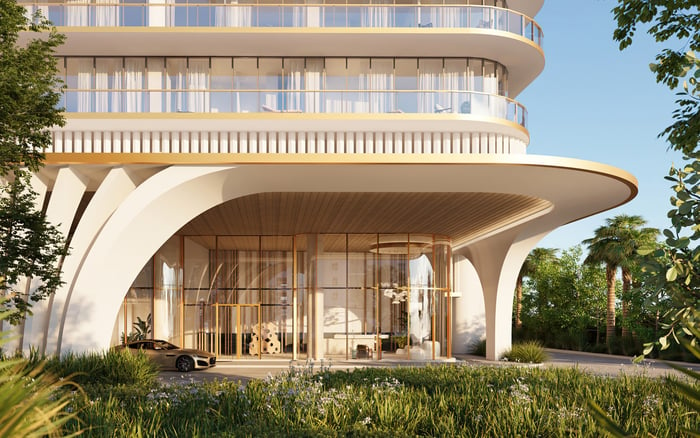
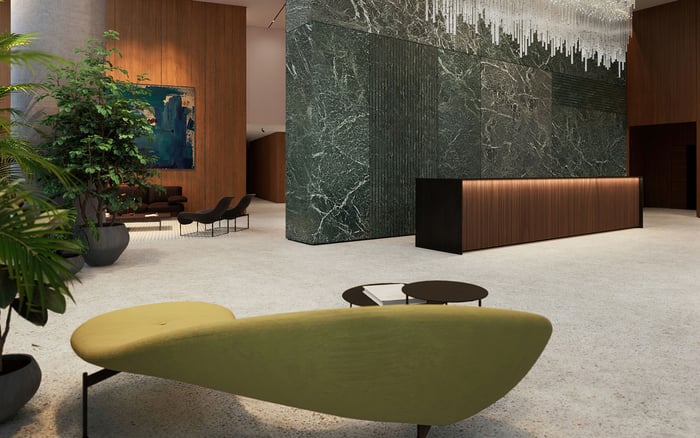
For the design-oriented buyer, this review should feel consistent with the Casa Bella proposition. Technology should follow the same discipline as the home’s design language. The best network infrastructure is largely invisible, but it shapes the daily experience every time a door unlocks, a call connects, or a sensor sends an alert from an empty residence.
A seasonal buyer should leave the sales gallery or management conversation with clear answers to practical questions. Is fiber service available to residences? Is there more than one approved provider? Can a second connection be installed for failover? Are the risers, equipment rooms, and in-unit panels designed for more than one connectivity path? Are common-area network and access systems connected to backup power? Can the owner install cellular backup equipment, and are there rules about visibility or location?
The answers do not need to be dramatic. They need to be documented. In a seasonal residence, uncertainty becomes expensive when the owner is away, the property manager is troubleshooting, and the system that should send alerts is offline. A clear plan before closing can reduce surprises and help align the residence with the way the owner actually lives.
Why should seasonal buyers at Casa Bella ask about internet redundancy? Seasonal owners often rely on the residence for remote work, security, smart-home systems, and vacant-home monitoring, all of which need reliable connectivity.
Is high-speed internet the same as redundancy? No. High speed describes performance when the connection works, while redundancy addresses what happens when the primary connection fails.
What should buyers ask about fiber service? They should ask whether fiber is available to residences and whether service comes from one provider or multiple providers.
What is a practical unit-level backup setup? A practical setup can include primary fiber, a secondary broadband or cellular connection, a dual-WAN router, and battery backup for network equipment.
Why does power backup matter for internet reliability? Internet service may fail if building or in-unit network equipment loses power, even when the provider connection itself is intact.
Should buyers ask about telecom risers and equipment rooms? Yes. Those areas can determine whether the building can accommodate more than one connectivity path.
Can cellular backup be useful in a high-rise residence? It can be useful, but buyers should confirm signal quality, equipment placement, and any building rules before relying on it.
What systems need connectivity when the residence is vacant? Cameras, leak sensors, access systems, thermostats, and smart-home hubs are among the most important systems to keep online.
When should the internet plan be reviewed? Buyers should review providers, wiring, network locations, and backup options before closing or build-out.
Does Casa Bella’s design focus make technology less important? No. In a design-forward residence, discreet and resilient technology is part of the overall luxury-living standard.
For a tailored shortlist and next-step guidance, connect with MILLION.
If branded residences are on your mind — as a home or as an allocation — we would be glad to share what we are seeing, privately.
Begin a quiet conversation