For privacy-minded South Florida buyers, boat-lift rules are more than a marine detail. They can influence quiet enjoyment, views, service access, association approvals, insurance questions, and resale confidence.
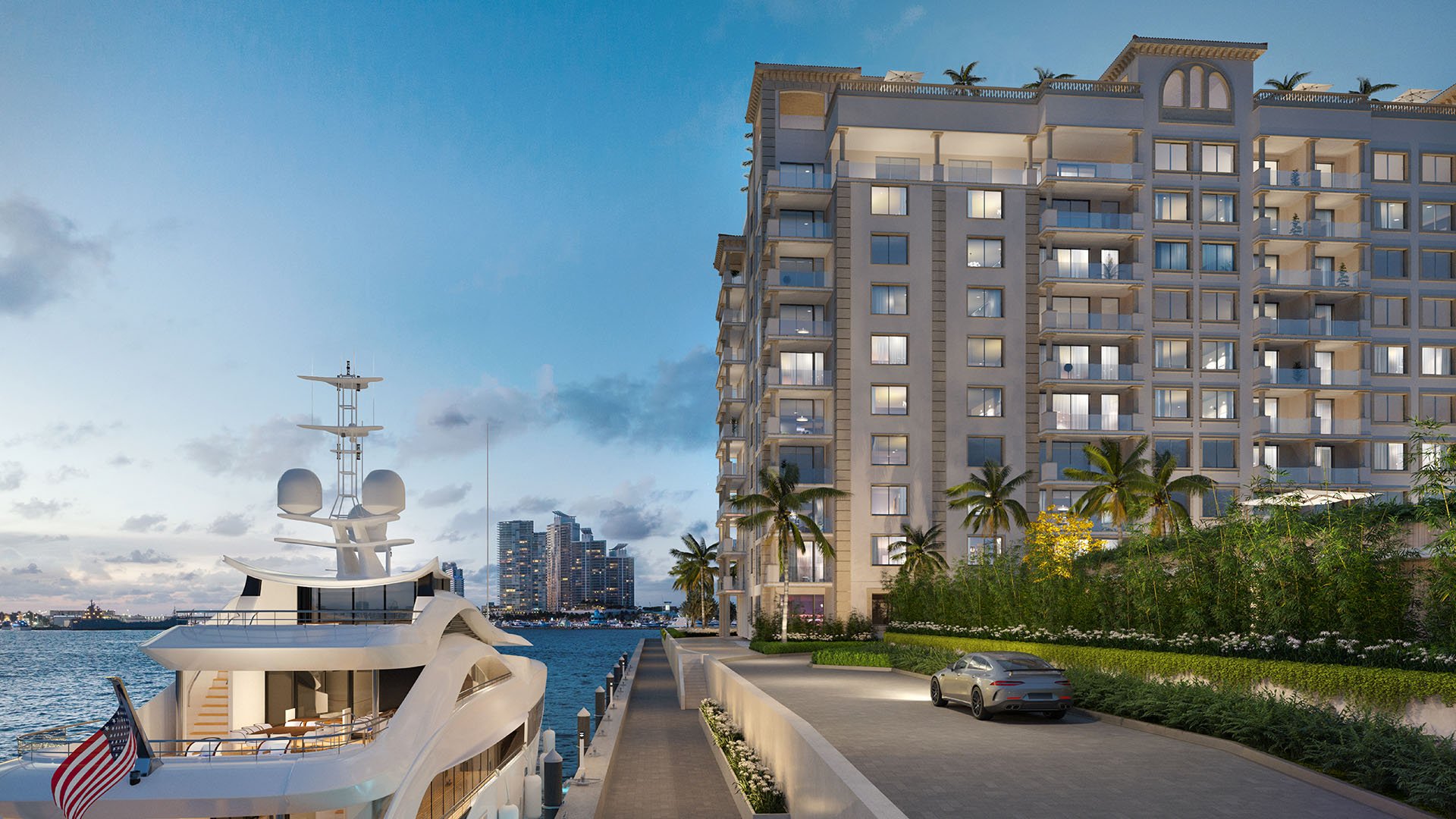
In South Florida, privacy is often framed by gates, setbacks, hedges, private elevator landings, and water views. Yet for a buyer who plans to keep a boat at home, one of the most consequential privacy questions may sit just beyond the seawall: the boat lift.
A lift can be the quiet hinge between a waterfront residence that lives beautifully and one that creates friction. It shapes how a vessel sits in relation to neighbors, how often service teams enter the property, how easily guests arrive by water, and how visible daily routines become from adjacent docks. For high-net-worth buyers, the issue is rarely whether a lift exists. The more important question is whether the lift, its use, and any future modification are permitted, practical, and aligned with the way the owner expects to live.
This is one of MILLION's practical Buyer's Guides for the privacy-minded client who sees waterfront ownership not as a backdrop, but as a daily operating environment.
A waterfront purchase can feel visually self-explanatory during a showing. The dock looks finished. The lift appears functional. The canal or Intracoastal setting seems calm. But the governing documents and approval path may tell a more nuanced story.
Boat-lift rules may involve association documents, architectural standards, local approvals, marine contractors, waterfront setbacks, neighbor impacts, and insurance considerations. For a buyer seeking discretion, each layer matters. A lift that cannot accommodate a preferred vessel without review, cannot be adjusted without notice, or requires frequent third-party access can change the character of ownership.
The privacy issue is also physical. A raised vessel may affect sightlines from a terrace, pool, guest suite, or neighboring property. Equipment placement may influence noise, lighting, and maintenance visibility. Even the location of controls and power can determine whether crew can work discreetly or must move through more personal parts of the estate.
Before contract deadlines pass, buyers should request current dock and lift documentation, any association approvals, known maintenance history, and written guidance on future replacement or modification. If a property is part of a managed community, the review should include the exact language governing docks, lifts, vessels, work hours, contractors, and exterior alterations.
A boat-slip or lift right should be treated like a high-value amenity, not a decorative feature. Confirm whether the right is appurtenant to the residence, assigned by an association, subject to transfer, or limited by use rules. Ask whether there are restrictions on vessel type, height, storage position, coverings, lighting, or unattended equipment.
The buyer's marine team should evaluate vessel fit, turning radius, water depth, tide conditions, service access, and power needs. Legal counsel should review whether the purchase contract gives enough time to investigate these issues. The goal is not to create complexity. It is to prevent a privacy purchase from becoming an operational compromise.
Privacy buyers sometimes focus on single-family estates, but South Florida's luxury market also includes condominium and branded-residence environments where waterfront access is part of a broader lifestyle. In these settings, rules are not incidental. They define how private the experience can actually feel.
A buyer considering Fort Lauderdale waterfront living, for example, may compare estate ownership with amenity-rich residences such as St. Regis® Residences Bahia Mar Fort Lauderdale and Riva Residenze Fort Lauderdale. The point is not to assume identical marine privileges. It is to understand that every waterfront or marina-adjacent choice has its own governance structure, access rhythm, and privacy profile.
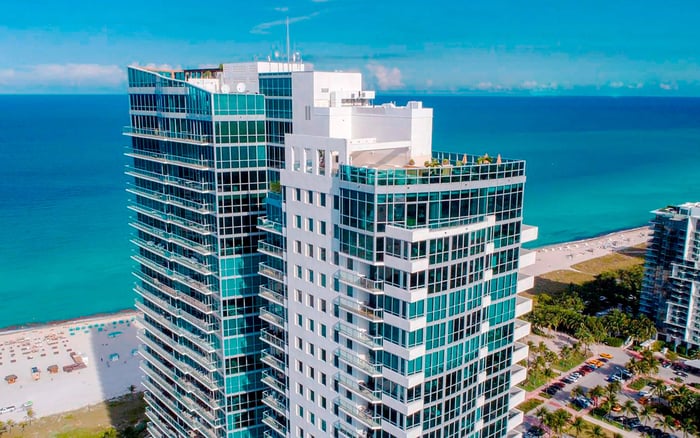
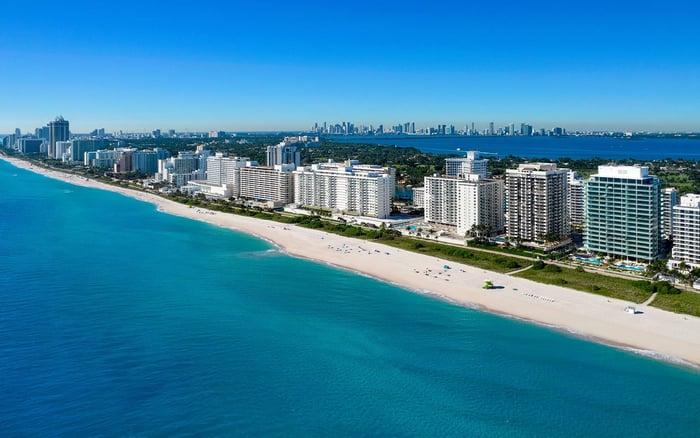
The same discipline applies in Miami Beach, where buyers may prize a quieter residential mood while still wanting proximity to the water. Residences such as The Perigon Miami Beach speak to a buyer who values architecture, service, and discretion, but any separate boating arrangement should still be reviewed on its own terms.
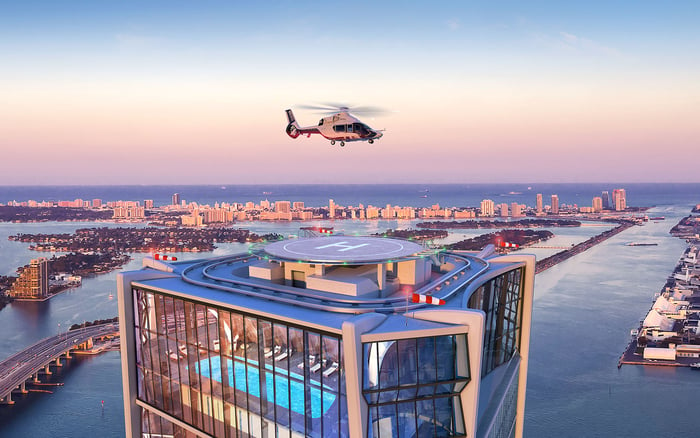
In Bay Harbor Islands, projects such as Onda Bay Harbor place the waterfront conversation in a more intimate island context. For privacy-driven buyers, that intimacy can be compelling, but it also makes neighbor relationships, dock visibility, and association rules especially important.
A boat lift that is legally uncertain or operationally inconvenient can create costs beyond repair invoices. It may limit the vessel a buyer can keep, complicate insurance conversations, delay renovations, or introduce unwanted interaction with boards, neighbors, contractors, and municipal reviewers.
For an owner who purchased for quiet, the greatest cost may be experiential. A lift that needs repeated service can bring technicians onto the property more often than expected. A vessel stored in a prominent position can reduce the sense of concealment from the water. A disputed modification can draw attention precisely when the owner hoped for calm.
Resale should also be considered. Future buyers who are serious boaters will ask the same questions, often with more scrutiny if the documentation is incomplete. A clean record of approvals, maintenance, and permitted use can make a property feel more composed. Ambiguity can make even a beautiful waterfront home feel unfinished.
The most elegant approach is to make the boat-lift review part of the earliest offer strategy. Ask for documents before emotional momentum takes over. Include marine, legal, and insurance voices before the due diligence window narrows. If the buyer has a specific vessel, evaluate that vessel rather than relying on general assumptions.
Privacy buyers should also visit the property at different times when possible. Observe neighboring dock activity, service traffic, lighting, sound, and the way boats are positioned along the waterway. A waterfront residence is not static. It changes with tide, season, guests, vendors, and neighbors.
Finally, distinguish between present use and future ambition. A buyer may be satisfied with the existing lift today, then want a different vessel, canopy, platform, or control system later. The rules for future changes can be as important as the current installation.
Why do boat-lift rules matter to privacy buyers? They influence visibility, service access, noise, maintenance, and how the waterfront edge is used day to day.
Should I rely on the fact that a boat lift already exists? No. Existing equipment should still be reviewed for approvals, transferability, condition, and permitted use.
Who should review the lift before I sign? Buyers typically benefit from legal, marine, insurance, and property-inspection perspectives before key deadlines.
Can association rules limit my boating plans? Yes. Association documents may address docks, vessels, contractors, work hours, exterior changes, and shared access.
Is a boat-slip the same as a private lift? Not necessarily. Rights can differ widely, so the ownership, assignment, and use terms should be confirmed in writing.
Can a lift affect views from the home? It can. Vessel height, storage position, and equipment placement may change sightlines from indoor and outdoor areas.
What should boat owners confirm about vessel fit? Confirm dimensions, weight, water depth, tide conditions, access, power, and maneuverability with qualified marine input.
Do Miami Beach and Fort Lauderdale buyers face the same process? Not always. Each property, association, and waterfront setting can involve different review paths and restrictions.
Should future lift upgrades be reviewed now? Yes. Buyers should understand whether later changes would require approvals, neighbor notice, or additional review.
What is the best mindset for waterfront due diligence? Treat the dock and lift as part of the residence's private living system, not as an accessory to be checked later.
To compare the best-fit options with clarity, connect with MILLION.
If branded residences are on your mind — as a home or as an allocation — we would be glad to share what we are seeing, privately.
Begin a quiet conversation