A practical, luxury-focused guide for family buyers comparing Aventura and Sunny Isles Beach before scheduling private showings.
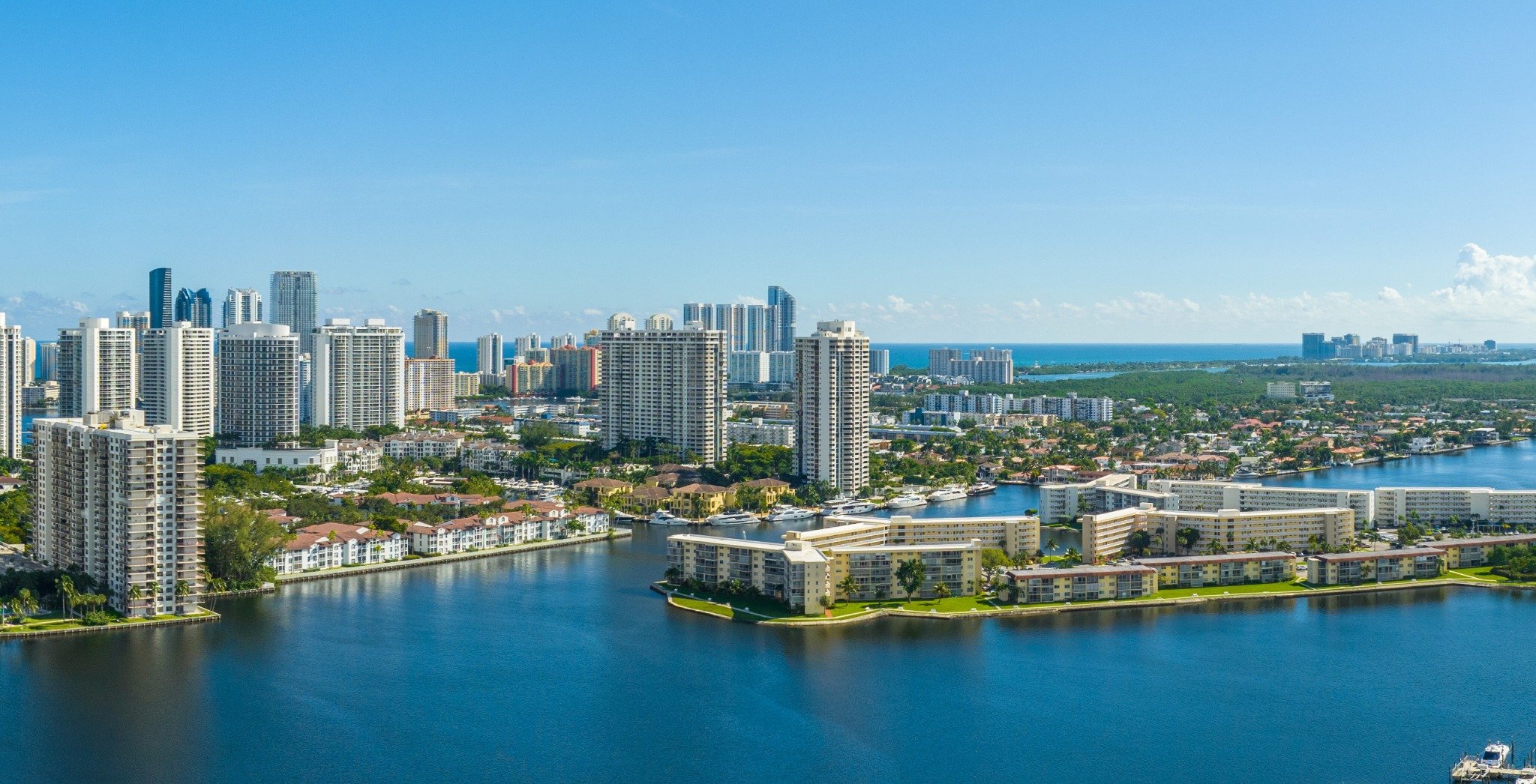
For family buyers, the choice between Aventura and Sunny Isles Beach is less a contest of prestige than a question of daily choreography. Both can offer polished residential living, water views, resort-style amenities, and a strong sense of arrival. Yet the lived experience-waking up, getting children out the door, welcoming grandparents, walking the dog, and hosting weekend friends-can feel meaningfully different.
Aventura generally appeals to families seeking a convenience-led routine, with residential calm, access to shopping and services, and a broader sense of everyday practicality. Sunny Isles Beach tends to attract buyers who prioritize a coastal address, beach proximity, and the visual drama of high-rise living by the water. Neither is inherently better. The right answer is the one that removes friction from the week.
Before touring, define the non-negotiables. Is the priority private-school proximity, a larger kitchen, a second family room, a seamless elevator experience, or a building culture that feels comfortable for children and guests? A family brief may be as direct as Aventura for routine, Sunny Isles for coastal life, oceanfront exposure where it matters, pool access that is genuinely usable, pets that are welcomed gracefully, and marina convenience if boating is part of the lifestyle.
Aventura often resonates with buyers who want the elegance of condominium living without tying every part of the day to the beach. The appeal is practical: an easier rhythm for errands, dining, wellness, and family movement. For households managing multiple schedules, that can be more valuable than a postcard view.
When touring in Aventura, pay close attention to floor plan efficiency. A generous square footage number matters only if bedrooms are well separated, storage is meaningful, and common spaces can absorb homework, informal dinners, and visiting relatives. Families should test the route from garage to residence, ask how deliveries are handled, and observe whether the building feels calm at peak times.
Aventura can also be compelling for buyers who want a waterview lifestyle without committing fully to a sand-at-your-door identity. In some residences, the mood is more residential and less resort-driven, which may suit families seeking discretion. The strongest homes here balance view, privacy, service, and a floor plan that does not require compromise as children grow.
Sunny Isles Beach speaks to a different instinct. It is for buyers who want the sea to be part of the daily atmosphere, not merely a weekend destination. The experience is often more vertical, more view-oriented, and more closely tied to the rituals of beach life.
For families, the glamour must be tested against logistics. A spectacular residence is not enough if the elevator pattern, garage access, beach storage, guest parking, or pet routine becomes a daily irritation. During a tour, notice how the building handles transitions: arrival from school, wet towels after the beach, strollers, scooters, sports equipment, groceries, and extended family visits.
Sunny Isles Beach can be especially attractive for families who value resort-style services and a lock-and-leave lifestyle. Still, the most successful purchase is not simply the highest view or the most dramatic amenity deck. It is the home that allows children, parents, staff, and guests to move comfortably through the day without making the residence feel precious or fragile.
Begin with commute patterns. Even luxury loses some of its power when the morning routine becomes unpredictable. Drive the routes your family will actually use, at the times you will actually use them. That includes school drop-off, after-school activities, medical appointments, airport runs, and weekend dining.
Next, compare building culture. Some towers feel serene and adult-focused. Others feel more naturally suited to multigenerational living, children, pets, and visiting friends. Ask how many residences share elevator banks, how amenities are scheduled, how children use common areas, and how the building manages privacy during high-demand periods.
Then evaluate storage, an often underestimated luxury. Beach toys, sports gear, luggage, bikes, holiday décor, and bulk household items need a plan. A beautiful residence with insufficient storage can feel less functional within months. For families, secondary spaces matter as much as primary rooms.
Finally, look at the cost of convenience. A residence may appear comparable on paper, but differences in parking, service expectations, insurance, association structure, amenity use, and household staffing can reshape the ownership experience. The elegant choice is the one whose economics still feel comfortable after the novelty fades.
Private showings often emphasize arrival, views, finishes, and amenities. Family buyers should go further. Stand in the kitchen and imagine a weekday breakfast. Open closets. Walk from the children’s rooms to the primary suite. Look at where a stroller, beach bag, dog leash, school backpack, and grocery order would land.
If possible, tour at more than one time of day. Morning light, afternoon traffic, lobby energy, and evening noise can change the perception of a residence. Bring a concise checklist, but leave room for instinct. A home that feels calm after twenty minutes may be telling you something valuable.
Do not ignore the balcony or terrace experience. For some families, outdoor space is a daily sanctuary. For others, it is less important than a larger interior living area. In high-rise coastal living, wind, sun exposure, privacy, and furniture usability should be considered carefully.
Service should also be observed quietly. The way staff greets residents, handles guests, protects privacy, and manages requests can reveal the true tone of a building. In the luxury market, service is not an accessory. It is part of the architecture of daily life.
Aventura may be the more intuitive fit for families who want practical elegance, flexible routines, and a residential atmosphere with strong day-to-day usability. Sunny Isles Beach may be better for those who want the coast to define the experience and are comfortable with a more vertical, resort-influenced lifestyle.
The wisest buyers resist simplistic comparisons. They do not ask which area is superior. They ask which home will still feel intelligent in five years. Children age, schools change, work patterns shift, and family needs expand. A residence should have enough grace to adapt.
For the family buyer, the best tour is not about being impressed. It is about noticing what will remain easy after the closing. That is where luxury becomes truly private: in a life that works beautifully without constant negotiation.
Is Aventura better than Sunny Isles Beach for families? It depends on the family’s routine. Aventura often suits convenience-focused households, while Sunny Isles Beach is attractive for buyers who want a coastal lifestyle.
Is Sunny Isles Beach only for second-home buyers? No. Many families consider it for full-time living, especially when beach access, views, and building services are central priorities.
What should families look for first during a tour? Start with layout, storage, parking, elevator flow, and the path from garage to residence. These details shape daily comfort more than finishes alone.
How important is school proximity in this comparison? It can be decisive. Families should test actual routes and timing rather than relying on a map impression.
Are ocean views worth prioritizing? They can be, if the rest of the home functions well. A view should enhance family life, not compensate for an impractical floor plan.
Should buyers tour at different times of day? Yes. Light, traffic, lobby activity, and noise can feel different in the morning, afternoon, and evening.
What questions should pet owners ask? Ask about pet policies, walking routes, elevators, service areas, and how the building culture accommodates animals.
Is a larger residence always better for a family? Not necessarily. Efficient room separation, storage, and usable common areas can matter more than total square footage.
How should families compare amenity packages? Focus on amenities you will actually use weekly. A well-managed pool, fitness area, and children-friendly common space may be more valuable than excess.
What is the best way to shortlist comparable options for touring? Start with location fit, delivery status, and daily lifestyle priorities, then compare stacks and elevations to validate views and privacy.
For a confidential assessment and a building-by-building shortlist, connect with MILLION.
If branded residences are on your mind — as a home or as an allocation — we would be glad to share what we are seeing, privately.
Begin a quiet conversation