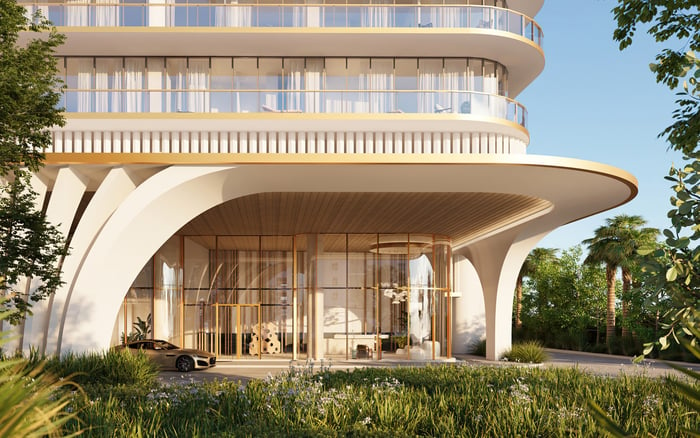
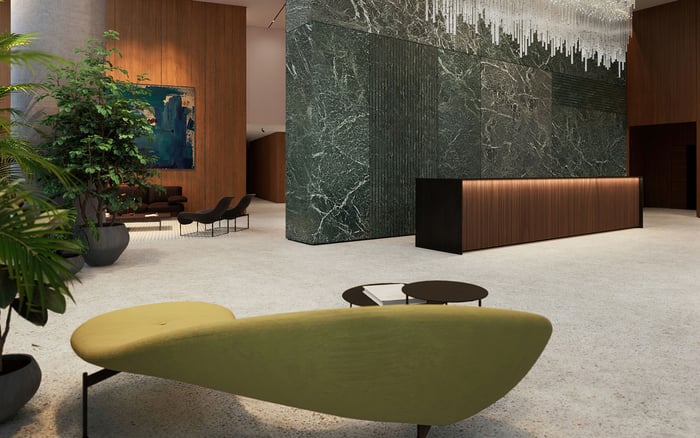
A household-operations comparison for globally mobile buyers evaluating 619 Residences by Foster + Partners + Nobu Hospitality and Waldorf Astoria Residences Downtown Miami, focused on privacy, service rhythm, arrivals, security, and second-home usability.
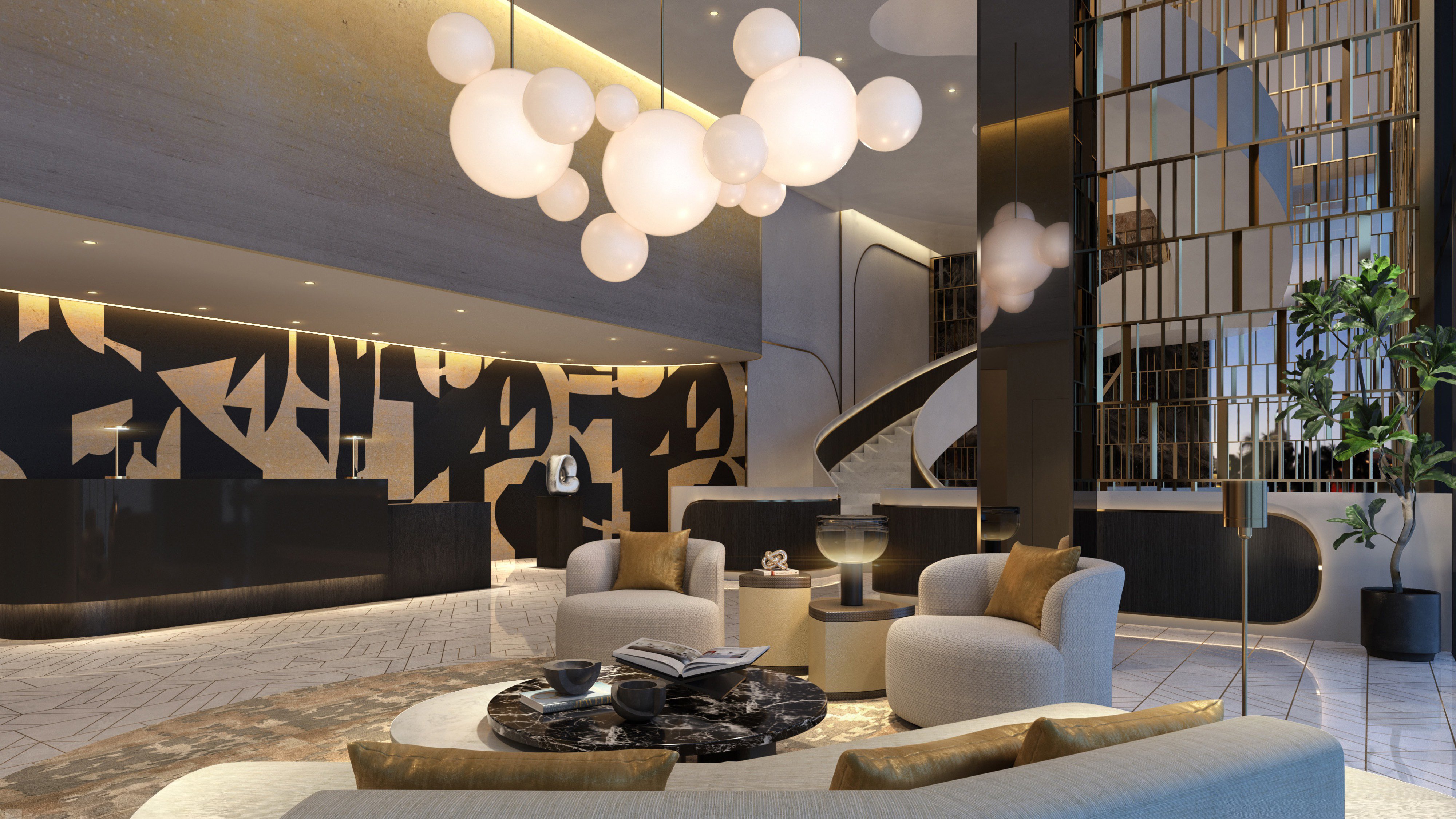
For a certain South Florida buyer, the decision between 619 Residences by Foster + Partners + Nobu Hospitality and Waldorf Astoria Residences Downtown Miami is less about which name carries more recognition and more about how each address supports a private household across travel patterns, guests, staff, and recurring arrivals.
That distinction matters. A branded or design-led residence can be dazzling at the sales-gallery level, but the owner’s true test begins after closing: who receives the family after a late flight, how service requests are handled, how guests circulate, how private the lobby feels, how securely vendors are managed, and whether the building’s rhythm feels residential rather than performative.
Waldorf Astoria Residences Downtown Miami naturally invites buyers to examine a more formal hospitality language in the urban core. Its strongest appeal may be to an owner who wants recognizable service expectations, a structured concierge mindset, and a residence that feels consistent when used as part of a broader international routine.
619 Residences by Foster + Partners + Nobu Hospitality enters the conversation differently. The name directs attention toward architecture, hospitality culture, and lifestyle access, but buyers should not assume how that translates into household operations. The essential diligence is practical: arrivals, privacy, resident-only experiences, staff conduct, and whether the residence can support a global family that uses Miami intensely, though perhaps not continuously.
In ultra-premium Miami, arrival is not a decorative moment. It is an operating system. A buyer landing from another city wants the residence to feel composed before the elevator doors open. The question is whether the building can turn transition into calm.
For Waldorf Astoria Residences Downtown Miami, buyers should scrutinize the choreography of arrival. A hospitality-forward residential environment may offer the comfort of recognizable service language, but it also requires careful evaluation of resident privacy and separation from more public-facing movement. Buyers should ask how residents, guests, service providers, and hospitality users are routed. The most important luxury may not be visibility. It may be the ability to disappear.
At 619 Residences, the household-operations question is more intimate: does the arrival sequence feel like entering a private residence with hospitality intelligence behind it, or like joining a branded social environment? For a buyer with staff, children, visiting relatives, or frequent guests, this distinction affects daily ease. A beautiful entry is secondary to one that can handle luggage, valet expectations, security verification, and guest reception without friction.
This same lens applies across the Downtown and Brickell luxury corridor. Buyers comparing the feel of Aston Martin Residences Downtown Miami or St. Regis® Residences Brickell are often not merely choosing skyline views. They are choosing an operating temperament.
The Waldorf Astoria comparison point is service formality. For owners who travel often and prefer standardized expectations, a hospitality-led identity can be meaningful. It encourages buyers to ask precise questions about concierge access, staff protocol, arrival experience, security, and the boundary between residential life and any hotel-style energy.
That structure can be attractive for a globally mobile household. A second-home owner may want a place that is ready when they arrive, responsive while they are away, and familiar enough that family members can use it without constant explanation. A formal hospitality platform can support that desire when the execution is well separated from public-facing activity.
But formality is not automatically superior. Some buyers prefer a quieter residential rhythm, where service is discreet, anticipatory, and less visibly institutional. That is where 619 Residences should be examined with precision. The diligence question is how design stature and hospitality culture become practical: who knows the household preferences, how recurring requests are logged, how reservations or private entertaining are handled, and whether residents feel known without feeling managed.
Downtown Miami is powerful because it is connected. It is also demanding because it is active. For Waldorf Astoria Residences Downtown Miami, buyers should evaluate the implications of a hospitality-residential environment in an urban setting. The core questions are privacy, guest circulation, and service separation. These are not minor details. They shape whether the residence feels calm on a weekday morning, controlled during major city events, and dignified when the owner is entertaining privately.
A buyer should walk through the imagined day. A driver arrives with luggage. A child’s tutor comes in. A dinner guest is expected. A housekeeper needs access while the owner is away. A family office assistant ships something to the residence. Each touchpoint tests the operating system. If circulation is clear and protocols are disciplined, the building feels effortless. If not, the brand name alone will not solve the inconvenience.
In Brickell, projects such as Baccarat Residences Brickell illustrate how buyers often weigh lifestyle, service, and urban proximity together. The comparison is rarely one-dimensional. For new-construction and pre-construction buyers, the most valuable questions are asked before the residence is finished, when service documents, rules, staffing concepts, and access logic can still be reviewed with care.
Waldorf Astoria Residences Downtown Miami is best evaluated by a buyer who wants a formal hospitality-residential experience in Miami’s urban core. That buyer may value concierge structure, brand familiarity, and an environment organized around clear service expectations. For an owner who wants Miami to function like part of an international circuit, that consistency can be compelling.
619 Residences may appeal to a buyer who wants global access while preserving a private household rhythm. The important word is “may,” because the buyer should verify the operating details rather than infer them from the names attached to the project. The most suitable purchaser will likely be the one who asks granular questions: how many layers exist between public arrival and private residence, how staff are trained, how guest access is authenticated, and how residential quiet is protected.
The sharper comparison is not Waldorf Astoria versus Nobu, Downtown versus Brickell, or architecture versus hospitality. It is whether the household wants a more formalized branded-hospitality operating culture or a potentially more residentially calibrated expression of service. Both ideas can be luxurious. Only one will match the owner’s daily life.
Before choosing between these projects, buyers should request clarity on resident-only access, elevator logic, guest check-in, vendor protocol, package handling, security staffing, after-hours service, valet management, housekeeping coordination, and the boundary between hospitality amenities and private residential space.
They should also test the building against their own calendar. A family that occupies Miami seasonally has different needs from a primary resident. An owner who entertains frequently has different needs from one who uses the residence as a quiet retreat. A buyer with household staff needs different systems from an owner who relies entirely on building service.
The best luxury residence is not the one with the longest amenity narrative. It is the one that reduces decisions, protects privacy, and allows the owner to move through Miami without operational noise.
Is this comparison mainly about architecture or branding? No. It focuses on household operations, including arrivals, privacy, guest flow, service protocol, and second-home usability.
How should buyers approach Waldorf Astoria Residences Downtown Miami? Buyers should evaluate whether its hospitality-forward identity matches the level of formality, service structure, and privacy their household expects.
How should buyers approach 619 Residences by Foster + Partners + Nobu Hospitality? Buyers should test how its design and hospitality positioning translate into daily residential rhythm, not assume the answer from the names alone.
Why does arrival experience matter so much? Arrival is where privacy, valet handling, luggage movement, guest reception, and security verification all converge in real time.
What should second-home buyers prioritize? They should prioritize readiness on arrival, secure access while away, responsive support, and predictable procedures for family, guests, and staff.
Why is circulation important in a luxury tower? Circulation determines how residents, guests, vendors, and service teams move through the property without compromising privacy or calm.
Is a formal hospitality model always better? Not necessarily. Some households prefer formalized service, while others prefer a quieter and more privately calibrated residential rhythm.
What should buyers ask about staff and vendor access? They should ask how vendors are authenticated, where they enter, how access is logged, and how household privacy is protected when owners are away.
Can brand recognition alone determine the right choice? No. Brand value may matter, but the decisive issue is how the residence supports the owner’s actual travel, guest, staff, and family patterns.
Which project is better for global access with a private rhythm? The better fit depends on whether the household prefers formal hospitality structure or a more private residential operating cadence.
When you're ready to tour or underwrite the options, connect with MILLION.
If branded residences are on your mind — as a home or as an allocation — we would be glad to share what we are seeing, privately.
Begin a quiet conversation