A buyer-focused look at the design, service, privacy, and neighborhood cues that make a South Florida luxury condominium feel like a lasting home rather than a temporary stay.
A luxury condominium can be beautiful and still feel temporary. The distinction is subtle, but experienced buyers sense it quickly. A transient building performs for arrival. A residential building supports daily life. It does not rely solely on spectacle, height, branding, or a dramatic lobby moment. It creates a private, grounded, personal rhythm from the porte cochere to the kitchen pantry.
In South Florida, where second homes, seasonal use, and international ownership all shape the market, this distinction matters. A condo that feels residential gives an owner the confidence to settle in, entertain often, keep proper wardrobes, receive family, and build routines. It has the emotional temperature of a home, not an extended-stay suite.
That does not mean modesty. The best residential-feeling condos are often highly designed, deeply serviced, and architecturally ambitious. The difference is that every amenity, corridor, elevator sequence, and floor plan feels calibrated for owners who live there with intention.
A residential atmosphere starts with controlled exposure. Buyers should study how many residences share an elevator bank, how arrivals are managed, and whether the building allows movement from car to residence without unnecessary social friction. Privacy is not simply about security. It is about discretion.
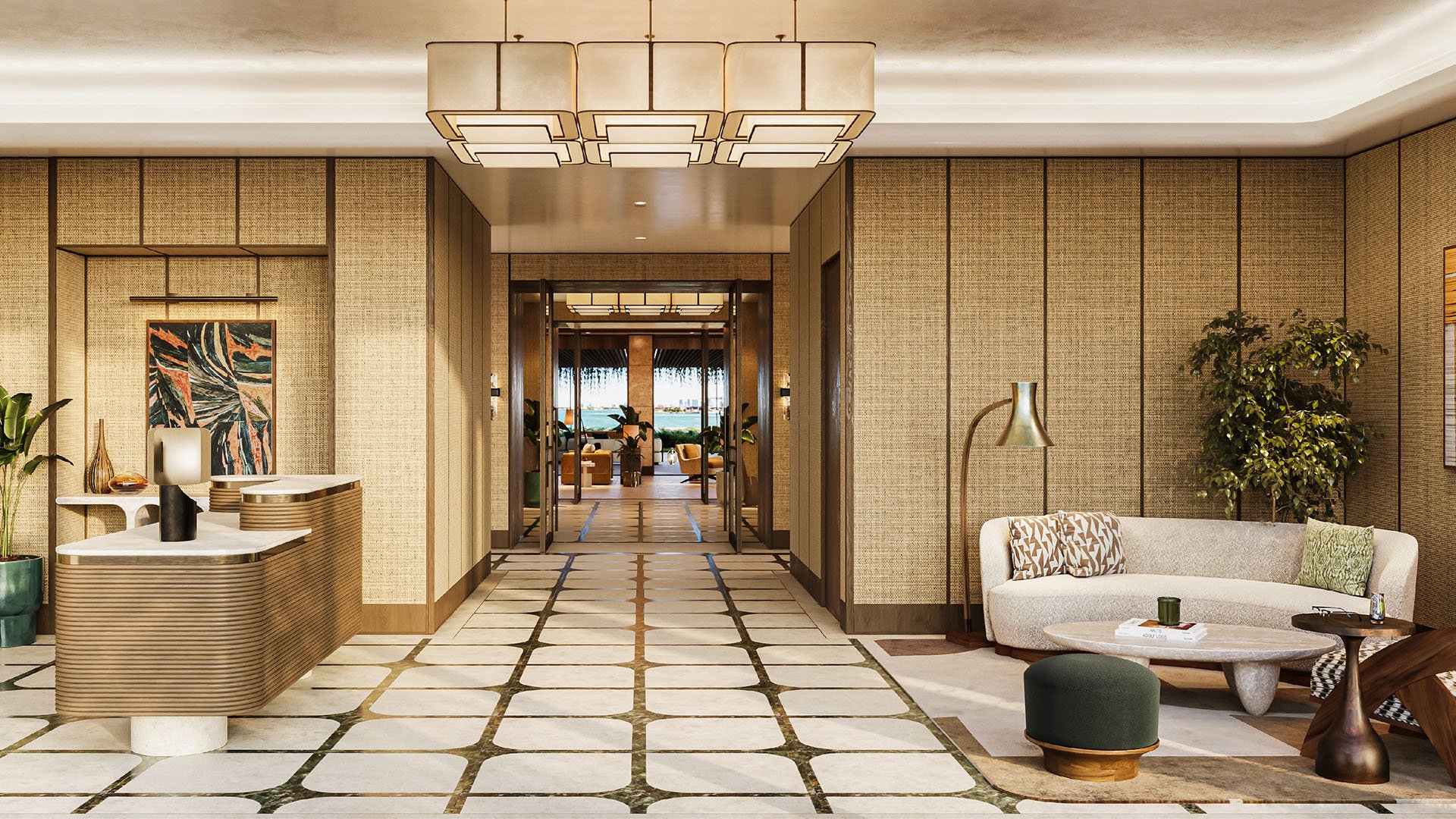
A lobby that feels like a public stage may photograph beautifully, but it can wear thin when every entrance feels observed. By contrast, a composed arrival sequence, a calm reception area, and intuitive elevator access make the building feel owned by residents rather than visited by guests.
In urban settings such as Brickell, this becomes especially important. A project like The Residences at 1428 Brickell sits within a high-energy district, yet buyers evaluating the residential feel should look beyond skyline drama and ask how the private realm is protected from the pace of the city below. Brickell may be vertical and active, but the best residences create a threshold between public momentum and private calm.
A hotel-like condo often reveals itself in the plan. The rooms may be handsome, but the daily mechanics are underdeveloped. Storage may be limited, laundry may be awkwardly placed, service space may be insufficient, or the kitchen may be designed more for presentation than actual use.
A residential-feeling condo has a plan that anticipates repetition. Groceries come in. Luggage is stored. Staff or vendors may need access. Children, visiting family, pets, and houseguests all create movement. The best layouts absorb that movement without making the home feel crowded or improvised.
Look for proper entry moments, not doors that open directly into the main living area without transition. Look for separation between primary and secondary bedrooms. Consider whether the kitchen can function during a dinner party without exposing every working detail. Ask whether there is space for art, books, linens, outdoor furniture cushions, and seasonal items. In true luxury, storage is not an afterthought. It is part of the architecture of ease.
Service is one of the most misunderstood aspects of luxury condominium living. More is not always better. A building can offer a long menu of services and still feel transient if the experience resembles a hotel operation. Residential service is quieter. It remembers preferences without performing familiarity. It solves problems before they become visible.
The right staff culture matters. Residents want recognition, consistency, and judgment. They do not want the lobby to feel like a check-in desk or the amenity level to feel programmed for constant turnover. A residential building protects the owner’s routine. It helps the home run smoothly while preserving the sense that life is unfolding privately.
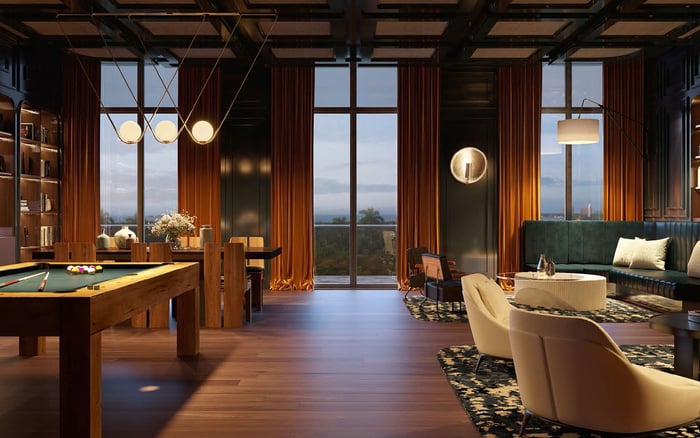
This is where lifestyle, design, and architecture converge. A building may promise wellness rooms, dining spaces, lounges, and pools, but the real test is whether those spaces feel like extensions of home. If residents can use them without feeling as though they are entering a public venue, the building has crossed into a more enduring category.
South Florida buyers often respond to resort imagery, and understandably so. Water, terraces, pools, spas, and dining all belong to the regional language of luxury. Yet a condo feels transient when amenities are treated as attractions rather than private household infrastructure.
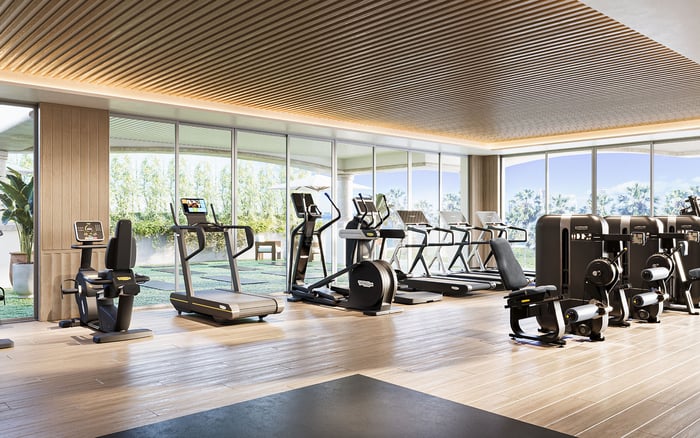
A residential amenity suite should support the way owners actually live. A fitness area should be convenient enough for daily use. A pool should offer quiet corners, not only visual drama. Private dining should feel appropriate for family birthdays and intimate dinners, not merely sales-gallery photography. Guest suites, if present, should make visiting relatives feel accommodated without requiring the owner to compromise the residence.
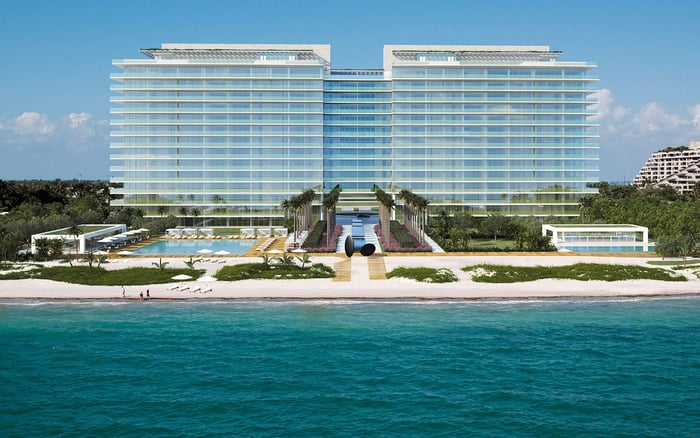
On Miami Beach, the distinction can be especially pronounced because the surrounding environment is already leisure-rich. A residence such as The Perigon Miami Beach invites buyers to consider how oceanfront living can be made to feel settled rather than seasonal. The question is not whether the setting is glamorous. It is whether the building allows glamour to become part of ordinary life.
A transient condo can feel detached from its surroundings. Owners arrive, use the amenities, and leave without forming any relationship to the neighborhood. A residential condo does the opposite. It benefits from walkable rituals, familiar restaurants, schools or cultural institutions nearby, parks, marinas, or quiet residential streets that make ownership feel anchored.
This is why boutique buildings can have a powerful advantage. A smaller or more intimately scaled property may foster recognition among residents and staff, a calmer daily pace, and a stronger relationship with the block. That does not mean every buyer should avoid larger towers. It means scale should be judged by how it is managed, not by size alone.
In Coral Gables, The Village at Coral Gables points to another version of permanence: a setting where the residential character of the surrounding city becomes part of the proposition. Buyers who value continuity often respond to places where the neighborhood already feels lived-in, layered, and complete.
Waterfront is one of South Florida’s defining luxuries, but a view alone does not make a home feel residential. The key is whether the water is integrated into daily life. Are terraces deep enough to furnish comfortably? Does the living room connect naturally to the outdoors? Is the primary suite positioned for privacy as well as outlook? Does the building manage sun, wind, and exposure intelligently?
At the highest level, the water should become part of a home’s routine: morning coffee, evening conversation, quiet reading, family meals, and seasonal entertaining. If the terrace is too shallow, the access inconvenient, or the interiors overly dependent on the view for impact, the residence can feel more like a scenic stop than a lasting address.
In Bal Harbour, Rivage Bal Harbour offers a useful lens for this evaluation because the area is associated with privacy, waterfront presence, and a quieter luxury cadence. The most compelling homes in such settings do not simply face the water. They let residents live with it comfortably.
A transient interior often chases immediate effect. It may lean heavily on glossy finishes, dramatic lighting, or trend-driven surfaces that feel impressive for a season but impersonal over time. A residential interior has depth. It can carry art, personal furniture, family heirlooms, and evolving taste.
Buyers should look closely at tactile quality: stone, millwork, hardware, door weight, ceiling transitions, acoustic comfort, and lighting warmth. These are the details that determine whether a home feels calm after the initial tour. True residential luxury is not only seen. It is touched, heard, and repeated.
Coconut Grove often appeals to buyers seeking that softer sense of permanence. At Vita at Grove Isle, the island context suggests a more residential way to think about privacy, nature, and arrival. The broader point is that material restraint and environmental calm can be more persuasive than decorative excess.
Before purchasing, imagine an ordinary Tuesday, not only a holiday weekend. Where do packages go? How does a driver arrive? Can two people work from home without compromising the living spaces? Where does a guest sleep? Can dinner be prepared without reorganizing the entire kitchen? Is there a true place for beach gear, golf clubs, children’s items, or pet supplies?
Then imagine the building at full occupancy. Does the lobby still feel serene? Are elevators sufficient for peak moments? Do amenities feel private when other residents are using them? Does the building encourage neighborly recognition without sacrificing discretion?
The answers reveal more than any rendering. A condo feels residential when it makes life easier without constantly reminding the owner that services and amenities exist. It is not anonymous. It is not performative. It is a private address with the scale, grace, and resilience to hold a real life.
What is the main sign that a luxury condo feels residential? The clearest sign is daily ease: privacy, functional layouts, calm service, and spaces that support routine rather than constant spectacle.
Can a branded residence still feel like a true home? Yes. Branding does not make a building transient if the service culture, floor plans, and private areas are designed around owners rather than visitors.
Why does storage matter in a luxury condo? Storage determines whether a residence can absorb real life. Without it, even a large home can begin to feel temporary or over-managed.
Are smaller buildings always more residential? Not always. Smaller scale can help, but management quality, circulation, privacy, and resident mix are just as important.
How should buyers evaluate a lobby? Look for discretion and calm. A lobby should feel welcoming without becoming a public stage or a hotel-style check-in environment.
Do amenities make a building feel more residential? Only when they are easy, private, and useful. Amenities that feel crowded or overly programmed can make a building feel more transient.
What role does neighborhood play? A strong neighborhood adds routines and roots. Walkability, quiet streets, dining, parks, and cultural access can all support permanence.
Is oceanfront living more likely to feel seasonal? It can, if the design relies only on views. It feels residential when terraces, interiors, and services support everyday waterfront living.
What should second-home buyers prioritize? They should prioritize lock-and-leave confidence, staff consistency, storage, privacy, and layouts that welcome family or guests comfortably.
How can a buyer compare two similar luxury condos? Tour each as if living there for a full week, not attending a showing. The more residential choice will feel calmer, easier, and more personal.
For a discreet conversation and a curated building-by-building shortlist, connect with MILLION.
If branded residences are on your mind — as a home or as an allocation — we would be glad to share what we are seeing, privately.
Begin a quiet conversation