A buyer-focused guide to evaluating acoustic privacy in Coral Gables luxury homes, from wall assemblies and windows to terraces, mechanical systems, amenity adjacencies, and due diligence before contract.
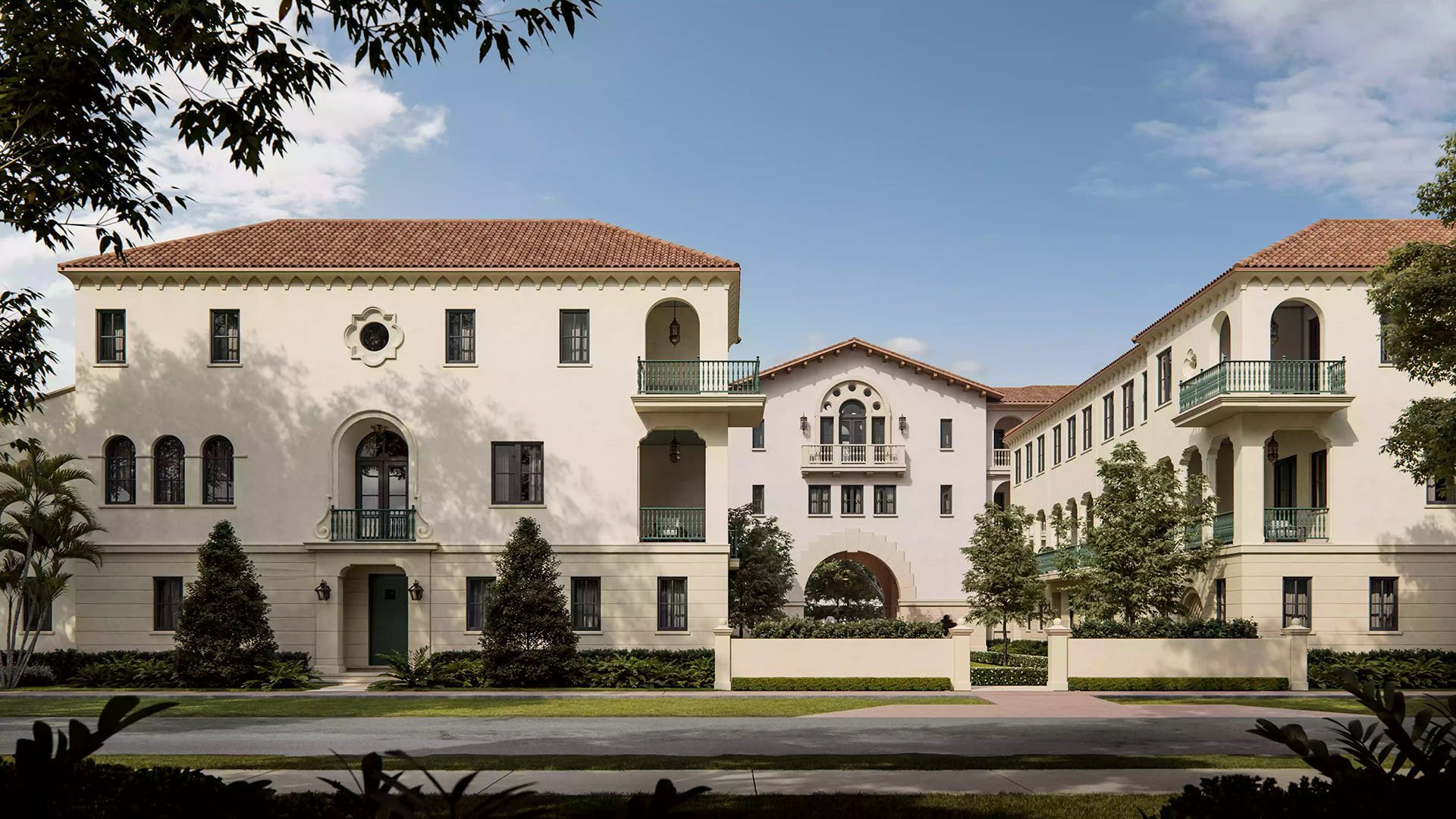
In Coral Gables, luxury is often expressed quietly: a shaded arrival court, a layered garden, a formal living room that does not need to announce itself. Yet one of the most important features in any refined residence is not visible at all. Acoustic privacy determines whether a home feels composed at breakfast, restful after dinner, and genuinely private as guests, staff, family members, and neighbors move through their own routines.
Buyers often focus on ceiling heights, stone selection, millwork, appliance packages, and views. Those elements matter, but sound can alter the daily experience more quickly than almost any finish. A beautiful bedroom near a service corridor, a terrace exposed to mechanical equipment, or a great room beneath heavy foot traffic can compromise the sense of retreat that South Florida buyers expect at the top of the market.
The key is to ask about acoustic performance early, then verify what can be verified. In a Coral Gables purchase, discretion is not only about gates and landscaping. It is also about how a residence manages voices, footsteps, doors, elevators, traffic, rain, pool activity, and the background hum of building systems.
Begin with the assemblies you cannot see. Ask what separates the residence from neighboring homes, corridors, garages, amenity areas, and mechanical rooms. In a condominium or boutique building, this includes demising walls, floor and ceiling assemblies, entry doors, elevator vestibules, trash rooms, and service zones. In a single-family or townhouse setting, it includes exterior wall construction, window systems, roof insulation, and the relationship between bedroom wings and outdoor entertaining areas.
Do not simply ask whether the home is “quiet.” Ask what was specified to make it quiet. A serious answer should move beyond adjectives into materials, assemblies, and design intent. If the sales or ownership team cannot provide technical language, request the opportunity for your inspector, architect, or contractor to review relevant documents.
At Ponce Park Coral Gables, buyers considering a new-construction residence should treat acoustics as part of the design conversation, along with floor plan, outdoor space, and parking. New does not automatically mean silent. It means there may be a clearer path to asking about specifications before final decisions are made.
In Coral Gables, exterior sound can come from roads, landscaping crews, school traffic, valet movements, pool decks, restaurant districts, and social events. The question is not whether a location has any sound. Every desirable neighborhood has rhythm. The question is how the residence filters that rhythm.
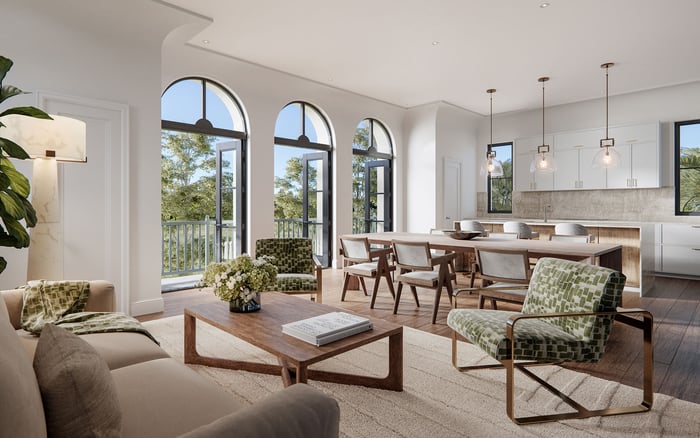
Ask about the window and door systems, especially in bedrooms, studies, media rooms, and primary living areas. Large glass openings are central to South Florida living, but they must be considered as acoustic elements, not only visual ones. If a residence has expansive terrace doors, ask how they perform when closed and whether any upgrades were made for sound control.
Entry doors deserve the same scrutiny. A heavy, well-sealed door can help separate the residence from corridor noise, elevator arrivals, and neighboring movement. Look at the threshold, perimeter seals, and the way the door closes. Luxury should not require a slam.
For buyers drawn to walkable environments near shops, dining, and cultural life, Cora Merrick Park offers a useful reminder: convenience and calm should be evaluated together. Visit at different times if possible, and listen with the windows closed, the air conditioning running, and the terrace doors sealed.
Outdoor space is one of Coral Gables’ great privileges, but it also introduces sound questions. A terrace can be serene in the morning and lively by evening, depending on neighboring pools, dining areas, courtyards, rooftop amenities, or adjacent streets. Ask what sits above, below, and beside the outdoor area. Then ask how sound moves when sliding doors are open.
Pool equipment, fountains, condensers, service gates, and landscape maintenance zones can influence the mood of a garden or terrace. In single-family homes, walk the property perimeter and stand quietly. In multifamily residences, ask whether terraces are staggered, stacked, recessed, or positioned near amenity spaces.
For a boutique project such as The Village at Coral Gables, the intimacy of the setting may appeal to buyers who value scale and neighborhood character. Still, smaller communities make adjacency especially important. One wall, courtyard, parking path, or amenity edge can define how private the residence feels.
Sound does not only travel sideways. In luxury buildings, vertical acoustics can be critical. Ask what lies directly above the primary suite, secondary bedrooms, kitchen, and great room. A residence beneath a gym, pool deck, heavily used terrace, or mechanical area deserves extra review. Even sophisticated materials can be challenged by repeated impact noise.
Elevators are another essential question. Ask whether a private elevator opens directly into the residence, into a vestibule, or into a shared corridor. Listen for motor noise, chimes, doors, and late-night arrivals. If the residence shares a wall with an elevator shaft or service core, ask how that condition was addressed.
Mechanical systems deserve equal attention. Air handlers, compressors, pumps, generators, and exhaust systems may be outside the field of view, but never outside the listening experience. During a showing, request that systems be running. A silent walk-through with everything turned off is not a realistic preview of daily life.
Treat acoustic privacy as a due diligence category, not a casual impression. Tour the residence at more than one time of day when possible. Stand in the primary bedroom, office, media room, kitchen, main terrace, and entry sequence without conversation. Open and close the doors. Turn on mechanical systems. Listen for elevator activity, corridor voices, plumbing, traffic, and outdoor maintenance.
Ask for written answers where appropriate. If acoustic performance is material to your decision, discuss it before contract deadlines expire. Your advisor may recommend engaging an inspector, architect, or acoustic consultant, especially for a major renovation, a highly amenitized building, or a home near active exterior uses.
In the broader South Florida luxury market, buyers may compare Coral Gables with nearby enclaves such as Coconut Grove. A residence like Four Seasons Residences Coconut Grove can help sharpen the conversation around branded service, vertical living, and the way amenity programming interacts with private space. The lesson applies across markets: privacy is designed, specified, and verified.
Before buying, ask these questions directly. What construction separates my residence from adjacent spaces? What window and door systems are used? Are bedrooms adjacent to elevators, trash rooms, mechanical rooms, amenity decks, or parking? What is above and below the residence? How are terrace doors sealed? Where are condensers, generators, pumps, and service paths located? Are there house rules governing music, events, pets, deliveries, and amenity hours? Has any acoustic mitigation been added by the owner or developer?
The best luxury advisors do not treat these questions as difficult. They treat them as normal. At the highest end of the market, a buyer is not only purchasing square footage and finishes. The buyer is purchasing the ability to live beautifully without intrusion.
Should I ask about acoustic privacy before or after making an offer? Ask before making an offer, then use due diligence to verify anything important to your decision.
Is a newer luxury residence automatically quieter? No. Newer construction may offer stronger specifications, but the actual experience depends on design, materials, adjacency, and installation quality.
What rooms should I test most carefully? Focus on the primary suite, secondary bedrooms, office, media room, main living area, terrace, and entry sequence.
Can terrace noise become an interior issue? Yes. Terrace activity, pool equipment, neighboring dining areas, and outdoor mechanical systems can affect interiors when doors are open or poorly sealed.
What should I ask about elevators? Ask where the elevator shaft, vestibule, and machinery are located in relation to bedrooms and quiet rooms.
Are corridor sounds a concern in luxury condominiums? They can be. Entry door construction, seals, elevator proximity, and corridor usage all influence the private feel of the residence.
Should I visit the property more than once? Yes. Different times of day can reveal traffic, maintenance, amenity use, and neighboring activity that a single showing may miss.
Can an inspector evaluate sound? A general inspector can identify some conditions, but a specialized acoustic consultant may be appropriate for highly sensitive buyers.
Do house rules matter for acoustic privacy? Yes. Rules on music, pets, events, deliveries, and amenity hours can meaningfully shape daily quiet.
What is the best way to shortlist comparable options for touring? Start with location fit, delivery status, and daily lifestyle priorities, then compare stacks and elevations to validate views and privacy.
For a confidential assessment and a building-by-building shortlist, connect with MILLION.
If branded residences are on your mind — as a home or as an allocation — we would be glad to share what we are seeing, privately.
Begin a quiet conversation