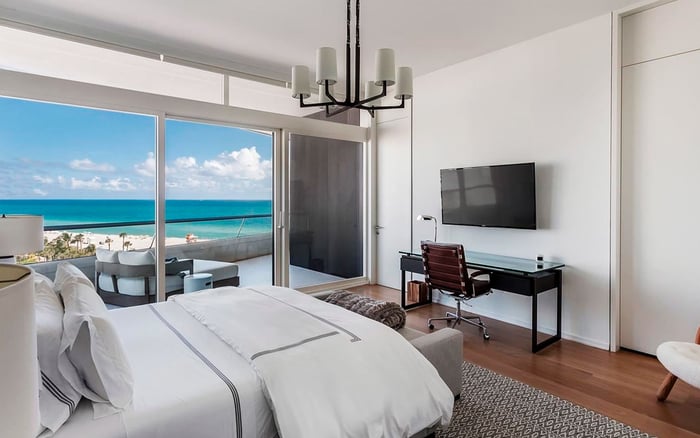
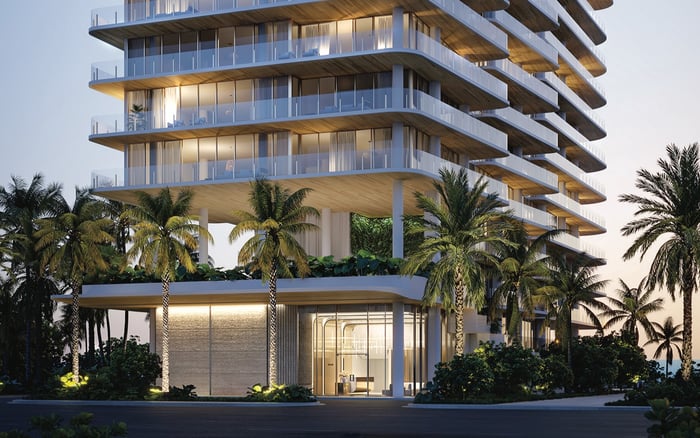
A buyer-focused framework for reviewing insurance, wind exposure, building standards, association finances, and any represented marina rights at La Baia North in Bay Harbor Islands.
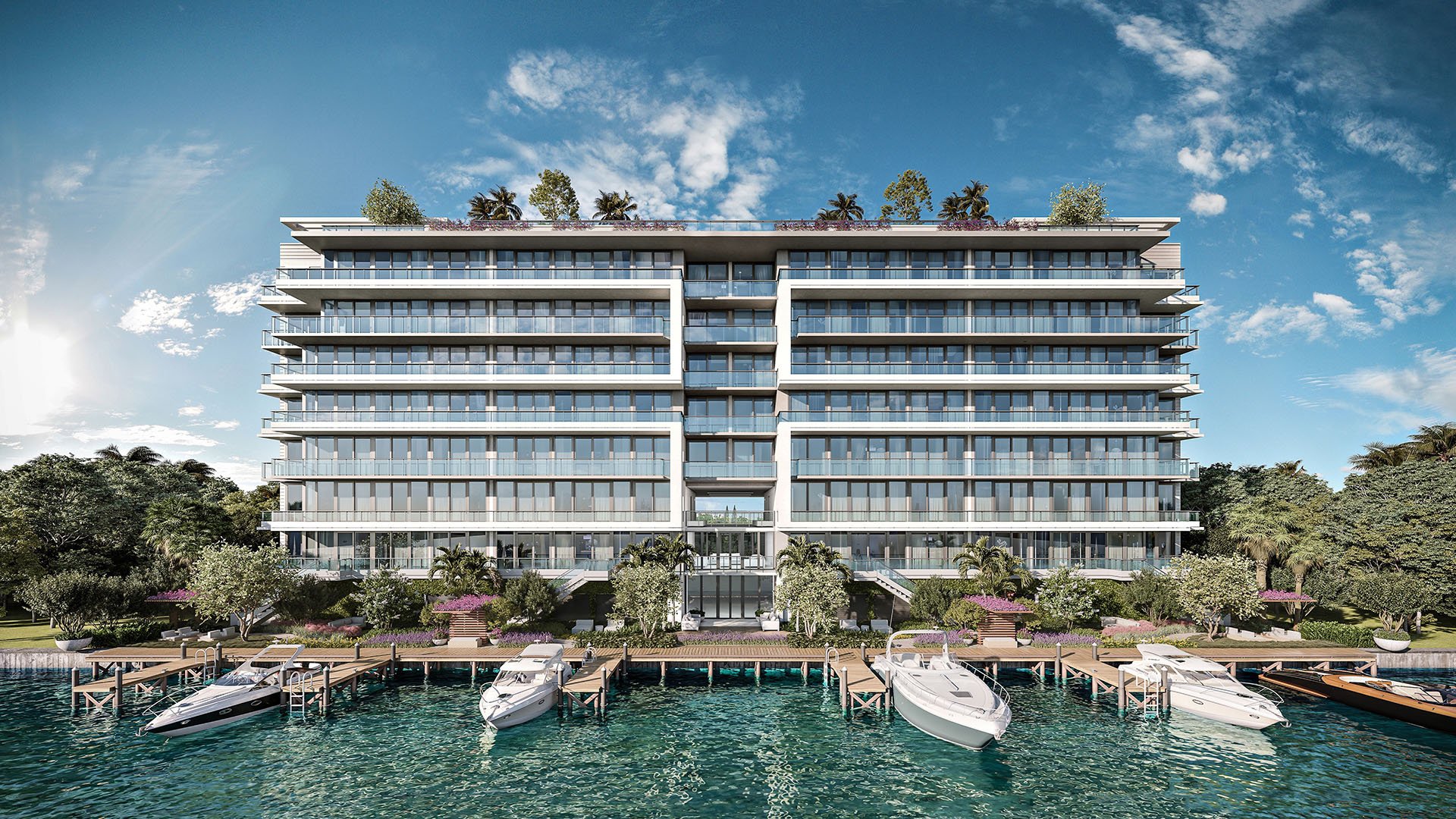
A buyer considering La Baia North Bay Harbor Islands should assess the residence, building, association, and any waterfront rights as separate but connected parts of the acquisition. Views and access may shape the appeal, but the controlling documents determine ownership obligations.
This review should distinguish general waterfront risk from verified project-specific conditions. Questions about wind, flood, storm exposure, insurance, and maintenance are prudent in South Florida; they do not establish that a particular defect, loss, or coverage issue exists.
Request the applicable building-code information, permit file, engineering specifications, product approvals, inspection records, and available testing documentation. The review should address windows, exterior doors, roof assemblies, terraces, railings, waterproofing, drainage, and the interfaces between those components.
Impact-rated glazing alone does not explain how the full envelope was designed or installed. Buyers should ask how water intrusion is tested, documented, reported, and corrected, as well as which warranties may apply after closing.
Residence-level exposure also deserves attention. Orientation, elevation, terrace configuration, glazing area, and exterior openings can affect how a buyer evaluates a particular home, without implying a defect or predicting performance.
The association’s insurance materials should be reviewed for coverage types, limits, exclusions, deductibles, valuation provisions, named-insured terms, and the division of responsibility between the association and individual owners. Any flood and windstorm provisions should be examined directly rather than inferred from a summary.
An owner’s policy should then be compared with the master program. The comparison can identify how interior finishes, improvements, personal property, temporary living expenses, liability, and loss-assessment exposure are treated.
Premiums, terms, and deductibles may change. Buyers should therefore avoid treating preliminary figures as permanent carrying costs and should ask how an association-level deductible would be allocated after a covered event.
Review the proposed or current budget, reserve information, insurance allocation, maintenance agreements, warranties, engineering records, and developer obligations contained in the available documents. Particular attention should be paid to how waterfront infrastructure, the building envelope, roof systems, and other shared components are funded.
A useful financial review models scenarios rather than predicting them. Buyers can consider how higher insurance costs, a large deductible, or an unplanned common-area repair might affect the association and the selected residence.
The offering materials and governing documents should control the analysis. Marketing descriptions may help frame questions, but they should not replace legal, insurance, engineering, or financial review by qualified professionals.
If a boat slip, dock privilege, or marina access is represented, determine the exact legal interest and locate it in the controlling documents. Confirm whether the right is deeded, assigned, licensed, separately assessed, transferable, revocable, or subject to availability.
The review should also cover vessel restrictions, utilities, insurance requirements, operating rules, guest use, fees, maintenance responsibility, and transfer procedures. Buyers should verify that the documented rights match their intended use rather than relying on a general reference to boating access.
Comparisons with Onda Bay Harbor, La Maré Bay Harbor Islands, and Ocean House Surfside may help buyers organize preferences around location, scale, design, and waterfront use. Each property still requires an independent review of its own governing documents, insurance arrangements, budgets, engineering materials, and ownership rights.
For La Baia North, the final assessment should bring together residence-specific considerations, association obligations, insurance exposure, building documentation, and any waterfront rights. Legal counsel, insurance professionals, inspectors, and engineers can help interpret materials within their respective disciplines.
What insurance documents should a buyer request? Request the available master policies or certificates, coverage limits, exclusions, deductibles, valuation terms, and documents explaining owner responsibilities.
Why should the master policy and owner policy be reviewed together? A coordinated review can identify possible gaps or overlaps involving interiors, improvements, personal property, temporary living expenses, and loss assessments.
Does impact-rated glazing settle every wind-exposure question? No. The broader review should include the applicable code information, permits, product approvals, installation details, inspections, and other envelope components.
Which building-envelope components merit attention? Buyers should examine available records for windows, exterior doors, terraces, railings, waterproofing, drainage, roof assemblies, and component interfaces.
How can exposure differ between residences? Orientation, elevation, terrace design, glazing area, and exterior openings can shape the residence-specific review without establishing a defect.
Why does deductible allocation matter? It can affect how an association-level insurance obligation is distributed among owners after a covered event.
What association financial records should be examined? Review available budgets, reserve information, insurance allocations, maintenance agreements, warranties, engineering records, and governing documents.
How should buyers evaluate potential waterfront expenses? They can model possible changes in insurance costs, deductibles, and common-area repair obligations without assuming that a loss will occur.
What should be confirmed if marina access is represented? Verify the legal nature of the right, vessel restrictions, fees, utilities, insurance requirements, maintenance duties, and transfer rules in the controlling documents.
Can comparisons with nearby projects replace project-specific diligence? No. Comparisons can clarify preferences, but each property’s documents, insurance, finances, engineering records, and ownership rights require separate review.
For a tailored shortlist and next-step guidance, connect with MILLION.
If branded residences are on your mind — as a home or as an allocation — we would be glad to share what we are seeing, privately.
Begin a quiet conversation