Miami has emerged as one of the world’s most concentrated markets for branded luxury residences, with hotel groups, fashion houses and automotive marques all staking their claim on the skyline. This article explains what branded residences really are, why brands from Waldorf Astoria and Ritz Carlton to Missoni and Bentley are converging on Miami, and how to read the logos in Brickell, Miami Beach and Sunny Isles with a buyer’s eye. The focus is on practical guidance for discerning end users and investors considering this new class of product.
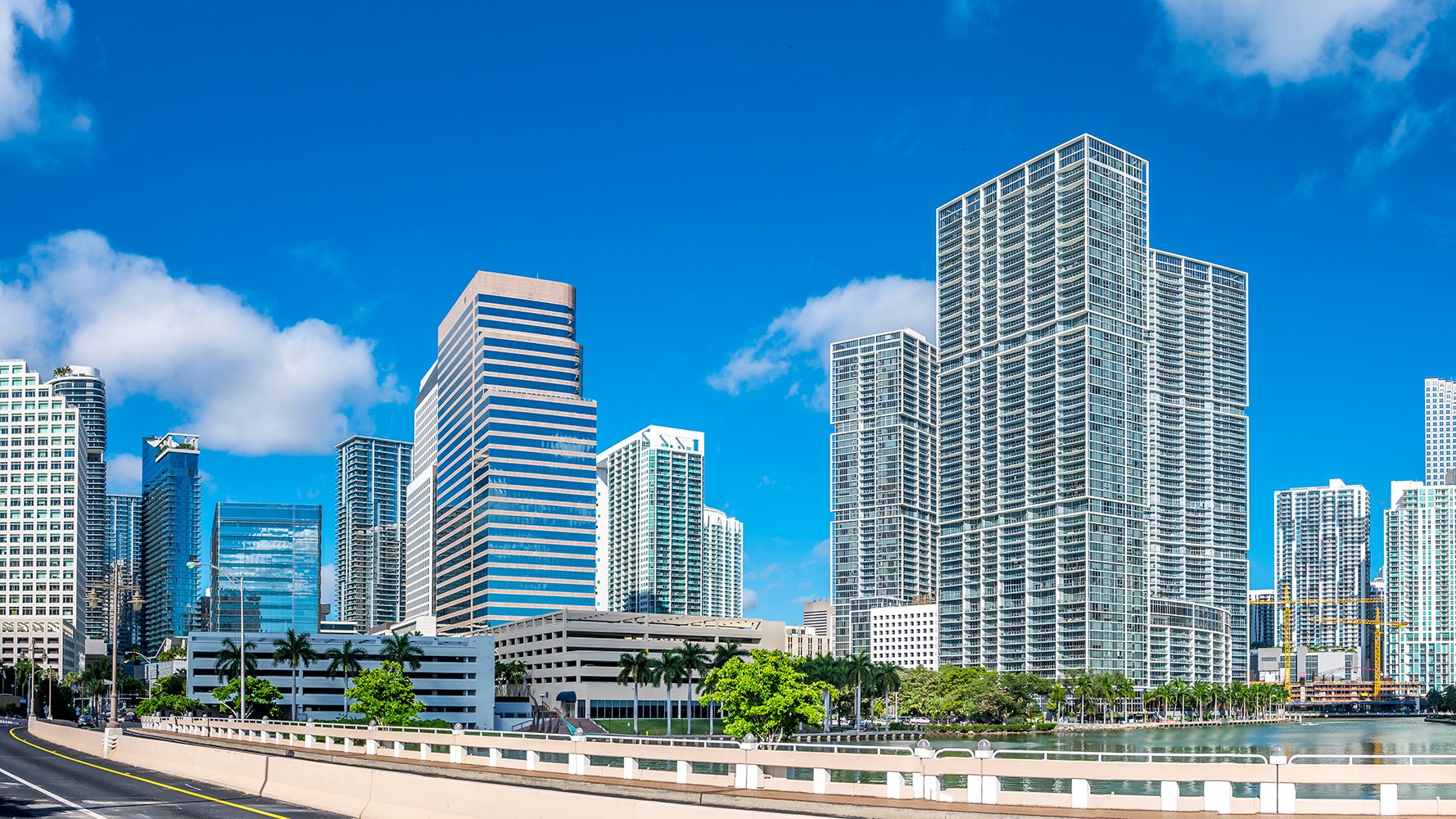
You can arrive in Miami, glance up from the back seat of your car, and read a roll call of luxury brands before you have even checked into a hotel. Waldorf Astoria, St. Regis, Ritz Carlton, Missoni, Bentley, Aman, Rosewood. The skyline along Biscayne Bay and the Atlantic now reads like a catalogue of global luxury houses, their names glowing from the crowns of towers that stretch fifty, sixty, even one hundred stories above the water.
But for many sophisticated buyers, the term branded residence still raises a basic question: what exactly are you paying for when a logo appears on the front door of a condominium. In simple terms, a branded residence is a residential building created in partnership with a luxury hospitality, fashion, design or automotive brand. The brand provides design direction, service standards and marketing reach, while a development team executes the tower. In the best cases, day to day operations are run to the same playbook you would expect in a five star hotel.
That combination has real pricing power. Across major global cities, branded residences routinely trade at a premium of roughly 25 to 35 percent over comparable non branded luxury condos, and in certain emerging markets the spread can be even higher. Buyers are not only paying for finishes and amenities. They are buying into a promise of consistent service, meticulous maintenance, and the confidence that the brand will defend standards over time because its name and future licensing income are on the line.
Miami is arguably the purest laboratory in the world for this model. The city has experienced a sustained influx of capital from North America, Latin America, Europe and the Middle East, combined with a tax friendly environment and a lifestyle that blends resort living with a major financial hub. Many of these buyers are not from Miami, may never have visited Brickell or Sunny Isles before, and do not have decades of context on which buildings quietly perform best.
For that audience, a familiar brand becomes a form of due diligence shortcut. A buyer who already knows the Ritz Carlton or Aman experience around the world instantly understands the positioning of a tower that carries those badges, even if they have never walked the site. It is no accident that you now see hotel, fashion and automotive names evenly scattered across Brickell, Downtown, Miami Beach, Edgewater and Sunny Isles. Where New York once taught the market that the street address is the brand, in Miami the brand is very often the brand.
By late 2025, research tracking the sector ranks Miami as one of the top two markets globally for branded residences, sitting alongside or just behind Dubai in terms of the number of completed and pipeline projects. Premiums here are broadly in line with world averages, often in the 25 to 35 percent range, but absorption has been remarkably strong, with many towers largely committed before the first residents move in. For owners, that depth of demand is part of the appeal, particularly for those thinking about liquidity several years out.
Most of Miami's branded residences fall into three broad families. The first is hospitality, where hotel operators such as St. Regis, Ritz Carlton, Four Seasons and Aman transplant the full service resort experience into private residences. The second is fashion and design, from couture houses to furniture makers. The third is automotive, where marques like Porsche, Bentley and Mercedes use architecture to extend their design language far beyond the garage. Within each category, a handful of towers have become useful reference points when you start comparing options.
On the hospitality side, the story began quietly with developments like The Surf Club Four Seasons Surfside, which married a restored 1930s social club with new glass towers on the beach, and the early Four Seasons Residences on Brickell. They demonstrated that buyers would pay top dollar to live with hotel services under them 365 days a year, rather than simply booking a suite for two weeks. Today, stand alone hotel branded projects such as The Ritz Carlton Residences Sunny Isles Beach and its bayfront sister in Miami Beach build on that template with fully private towers that still feel like five star resorts.
At the southern end of Sunny Isles, The Ritz-Carlton Residences® Sunny Isles rises 52 stories directly over the sand, with roughly just over two hundred residences stacked above a private club level and a residents only beach club. There is no hotel component and no transient usage, which keeps the lifestyle quiet even when the city is busy. Owners enjoy the familiar Ritz service vocabulary, from valet and concierge to housekeeping, but within a building that is explicitly calibrated as a primary or second home rather than a resort that happens to have condominiums.
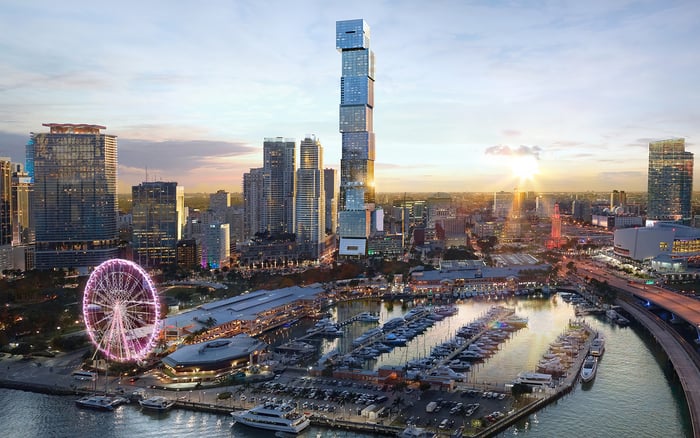
In Downtown, Waldorf Astoria Residences Downtown Miami is the clearest symbol of how far the concept has evolved. The tower, designed as a stack of nine glass cubes, is planned to climb to roughly one hundred stories and a height of just over one thousand feet, making it the first true supertall in the city. A Waldorf hotel will sit beneath private residences with sweeping views over Biscayne Bay and the islands. As of late 2025, the structure has already climbed past the mid point, with delivery targeted toward the latter part of the decade, and demand has been strong even at early price points north of one and a half thousand dollars per square foot.
On the beach, Aman Miami Beach is bringing one of the most discreet brands in global hospitality to the Faena District. The project pairs a carefully restored historic Versailles hotel building with a new 18 story tower containing just 22 Aman branded residences, each with direct views to the Atlantic. Kengo Kuma's architecture and Jean Michel Gathy's interiors lean toward calm minimalism rather than theatrical flourishes, and the amenity focus is firmly on wellness, with an expansive spa, pools and secluded gardens. For buyers who prize privacy and a low unit count above all else, it is a very different proposition to the typical large Miami tower.
In the fashion and design camp, Fendi Château Residences Surfside was one of the first couture experiments and remains a useful benchmark. The 12 story building holds just 58 flow through residences on roughly 300 feet of private beach, with Fendi Casa cabinetry, furniture and detailing threaded through every space. Amenities feel more like an intimate European resort than a megaproject, with oceanfront pools, spa, a private restaurant and concierge team that knows each owner by name. For many clients, this is what a fashion branded residence should feel like: quietly extravagant, tightly curated and focused on the residential experience rather than outside guests.
Across Biscayne Bay in Edgewater, Missoni Baia translates the Italian house's love of pattern and color into a 57 story glass tower on the waterfront. The building offers 249 residences with a generous amenity suite that includes an Olympic length lap pool, multiple additional pools, tennis and an elevated bayfront deck designed for long afternoons outside. Interiors by Paris Forino nod to the Missoni palette without overwhelming the spaces, using textiles and art to introduce flashes of color against a calm, neutral base. For design conscious buyers who want a fresh tower with strong water views and a true bayfront amenity platform, it has quickly become a reference point.
Casa Bella by B&B Italia Downtown Miami brings a slightly different angle, rooted in furniture and industrial design. Developed in partnership with B&B Italia, the tower is envisioned as a vertical gallery of the brand's most iconic pieces, from sculptural lighting in the lobby to curated furnishings in amenity lounges and model residences. For a buyer who wants a turnkey environment where the interiors feel as considered as the architecture, projects like Casa Bella by B&B Italia Downtown Miami deliver a level of design coherence that is difficult to replicate with ad hoc decorating.
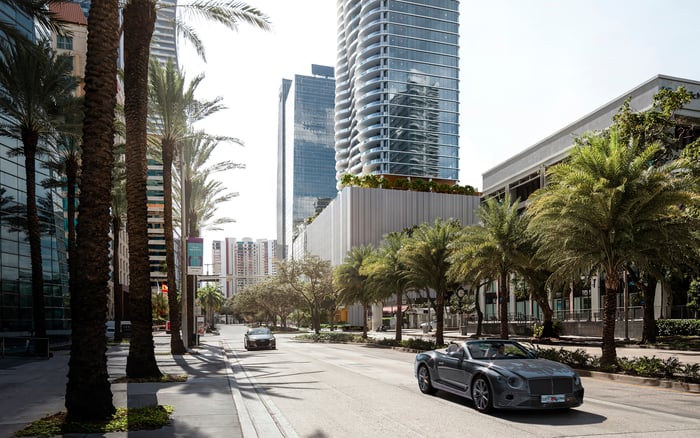
Automotive branded towers push the idea of lifestyle alignment one step further. Porsche Design Tower in Sunny Isles pioneered the now famous Dezervator system, a robotic car elevator that carries both resident and car directly to a private sky garage beside the living room. Bentley Residences, also in Sunny Isles, evolves the concept with a cylindrical tower where each home will include a multi car sky garage and oversized terrace with its own pool. For collectors, the ability to drive into an elevator, rise above the ocean and park beside the salon is more than a novelty. It is a way of bringing a much loved collection into daily life.
Back in Brickell, Mercedes-Benz Places Miami applies the same thinking in a more urban, mixed use frame. The project combines condominium residences, a hotel component, workspaces and a new public park, with the Mercedes design team involved in everything from tower massing to lobby detailing and digital interfaces. The emphasis here is on future oriented mobility, sustainability and smart building systems as much as on visual branding. For buyers who divide their time between a car centric lifestyle in Sunny Isles and a city focused base in Brickell, it is an intriguing complement to the classic beachfront branded towers.
Logos alone do not tell the full story, and this is where a disciplined framework matters. When MILLION Luxury advises clients on Miami branded residences, we tend to separate three layers. First is the name on the building, which shapes perception and resale demand. Second is the operator, which may or may not be the same entity as the brand, and which determines daily service quality. Third is the developer and construction team, whose track record tells you whether the tower is likely to age gracefully or reveal issues as it settles.
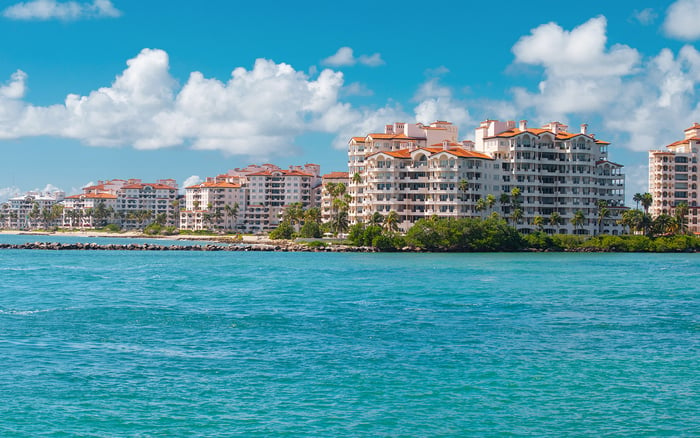
The next lens is location and micro location. Brickell appeals to buyers who want to walk to offices, private clubs and restaurants, and are comfortable with a more vertical, urban rhythm. Miami-beach and Surfside skew toward resort living and direct sand access, with buildings like Fendi Château Residences Surfside or more boutique oceanfront options defining the tone. In Hallandale and Mid Beach, comparison points such as 2000 Ocean Hallandale Beach and 57 Ocean Miami Beach show how non branded or softly branded towers can offer equally compelling water views and amenities, often at slightly sharper pricing.
A third layer is the balance between hardware and software. Hotel brands tend to excel at service software, but you still need to interrogate the scale and design of the amenity program. A tower that promises a resort style spa, multiple pools, private dining rooms and co working may sound ideal, but if it also has hundreds of residences, the lived experience in peak season can be very different to the brochure. Look closely at elevator count, staff to unit ratios, projected homeowners association fees and the mix between primary residents, pied a terre owners and rental users.
Finally, consider your time horizon. If you are buying primarily for lifestyle, the right question is whether the brand and building genuinely reflect how you live when you are at your best. If you are more focused on investment, it is sensible to weigh the price premium at purchase against likely resale depth once the building has matured. Branded residences in Miami have so far held up well through cycles, but performance varies by tower, operator and neighborhood. The most resilient assets tend to sit directly on the water, in established submarkets, with brands that are clearly committed for the long term.
What price premium should I expect to pay for a Miami branded residence?
For best in class hotel or fashion branded product in prime locations, a premium of roughly 25 to 35 percent over a comparable non branded luxury condo is a reasonable planning assumption, although individual buildings can sit outside that range. Automotive towers and ultra boutique projects with very low unit counts can push higher. Over time, part of that uplift is often recovered in resale, but it is still worth modelling both a conservative and an optimistic exit scenario before you commit.
How do hotel branded residences differ from fashion or automotive towers in daily life?
Hotel backed projects generally add the most value through services and operations. Owners benefit from full service concierge desks, housekeeping teams, room service style dining and global loyalty ecosystems. Fashion and design branded towers such as Missoni Baia or Fendi Château Residences Surfside tend to express value through curated interiors and architecture, with a lifestyle that feels more like a private club. Automotive projects are typically about engineering, car storage and dramatic arrival experiences, and appeal most strongly to collectors.
Is a branded residence the right choice if I only use the home a few weeks each year?
For many seasonal residents, the attraction of a branded tower is the ability to lock the door and know that a professional team will handle everything while they are away. Staff can oversee maintenance, coordinate deliveries and even prepare the residence before your arrival. That said, carrying costs in the most heavily serviced buildings can be meaningfully higher, so it is important to be sure you will use and value the spa, dining and concierge programs that those fees support.
What is the best way to compare different Miami branded towers before making a purchase?
The most effective approach is to look across categories and submarkets rather than falling in love with the first logo you recognize. Set up a short list that includes at least one hospitality brand, one fashion or design led tower and, if relevant, an automotive project, across neighborhoods such as Brickell, Surfside, Sunny Isles and Coconut-grove. From there, a side by side review of views, layouts, services, carrying costs and likely exit values usually reveals a clear front runner. For a discreet, project by project strategy session tailored to your family, you can always begin with MILLION Luxury.
If branded residences are on your mind — as a home or as an allocation — we would be glad to share what we are seeing, privately.
Begin a quiet conversation