A discreet guide for West Coast buyers comparing South Florida beach addresses by privacy, access, building culture, and year-round livability rather than seasonal spectacle.
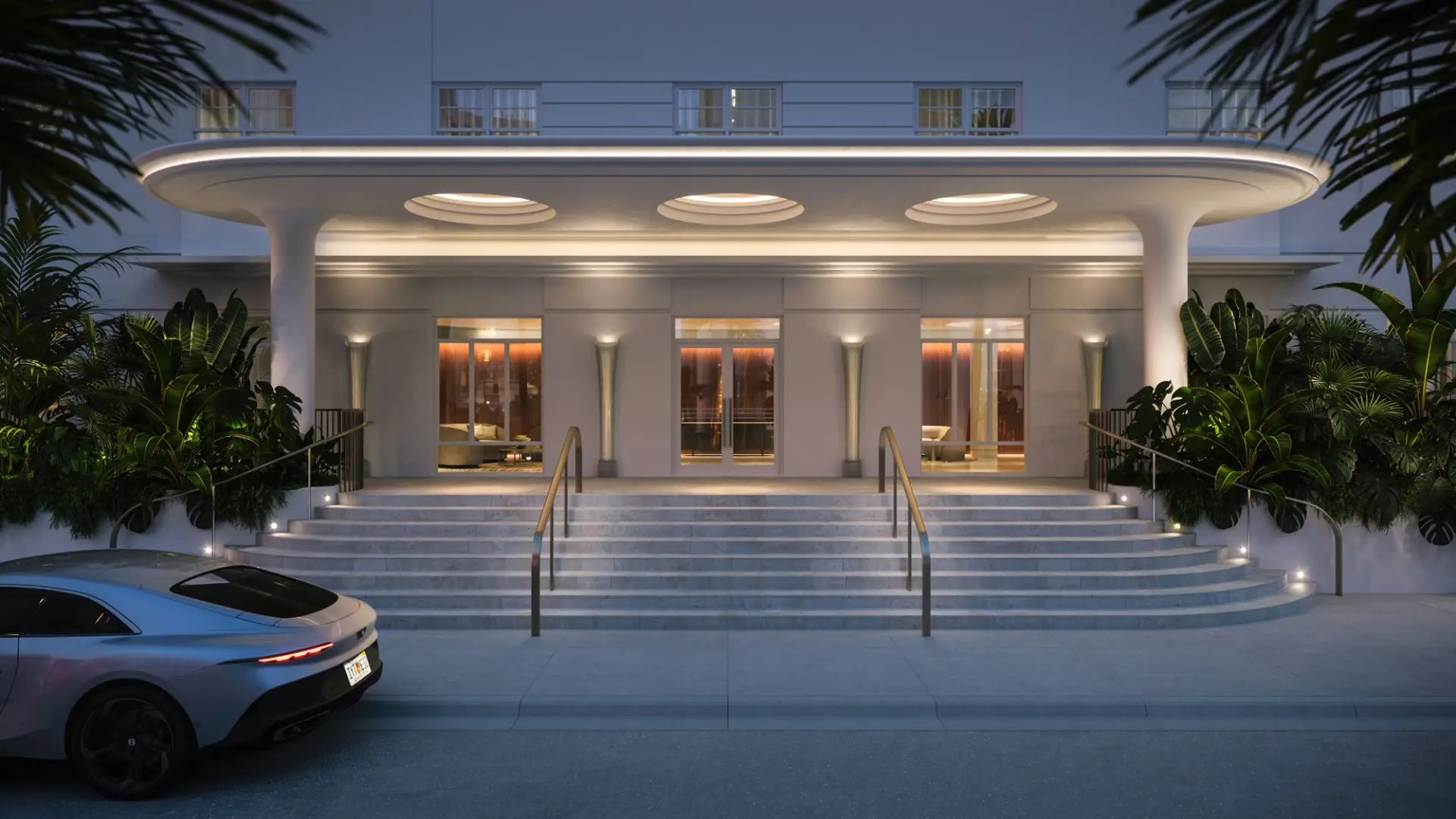
For a Beverly Hills owner considering Miami Beach, the decision is rarely just about sunshine. It is about translating one form of privacy into another. In Los Angeles, privacy may be defined by gates, mature hedges, long driveways, and a controlled arrival. In South Florida, it is often defined by beach access, elevator density, valet choreography, terrace exposure, and the way a neighborhood moves during peak season.
The strongest search begins with a simple distinction: a quiet beach is not necessarily a remote beach. Many luxury buyers want the water close, dining within reach, and an airport within a practical drive, without the feeling of living inside a seasonal postcard. The right address balances oceanfront immediacy with a calmer daily pattern.
For some, that points to a refined stretch of Miami Beach, where buildings such as 57 Ocean Miami Beach appeal to buyers who want sand, scale, and a residential tone without leaving the city’s cultural energy behind. For others, the more compelling move is to consider smaller coastal enclaves where the beach experience feels less performative and more private.
A property can sit directly on the sand and still feel busy if its surroundings encourage day traffic, event traffic, or heavy short-stay turnover. Conversely, a home one block off the water may feel calmer if the building culture is residential, the access points are discreet, and the neighborhood is oriented around year-round residents rather than visitors.
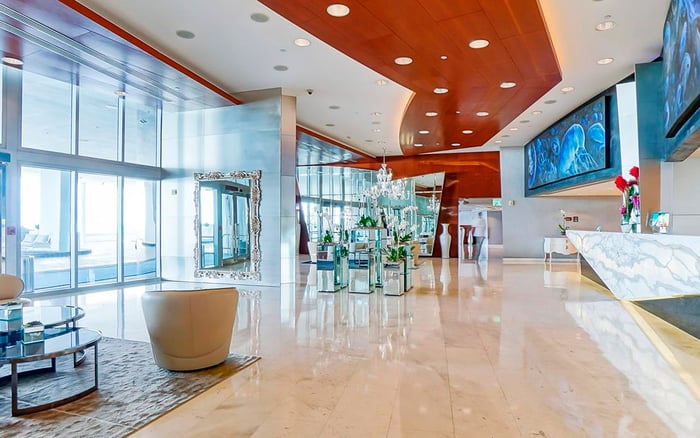
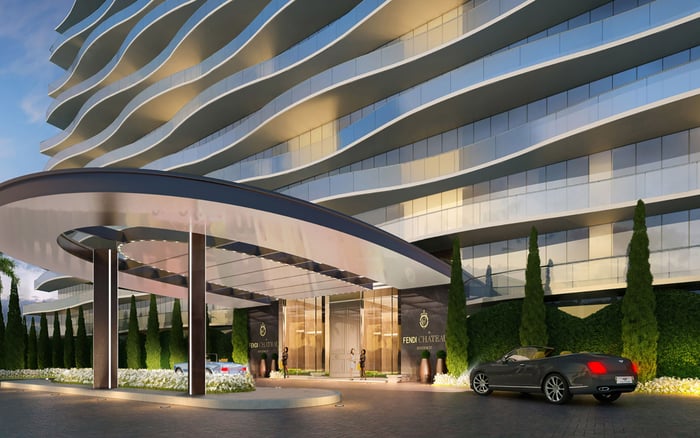
Buyers should visit at three moments: a weekday morning, a weekend afternoon, and an evening during a high-demand period. The beach itself tells one story; the lobby, porte cochere, garage, and nearby streets tell another. Listen for the cadence of arrivals. Watch how staff manages service vehicles. Notice whether residents appear settled or merely in transit.
This is where Miami Beach becomes a series of micro-decisions. A buyer drawn to a highly designed, contemporary address might consider The Perigon Miami Beach as part of a search centered on architectural presence and beach proximity. The question is not only whether the residence is beautiful, but whether the surrounding rhythm supports the life you intend to live there.
For Beverly Hills buyers accustomed to discretion, Surfside and Bal Harbour often enter the conversation because they can feel more contained than the louder portions of the coast. The appeal is not isolation; it is calibration. A quieter coastal address should let you step out to the beach without feeling that every day begins in public.
In Surfside, the emphasis often leans toward boutique scale, residential quiet, and a more measured relationship to the shoreline. A project such as The Delmore Surfside belongs in the conversation for buyers who want a coastal setting with a composed personality. The most important diligence is to understand the building’s service model, guest policy, outdoor amenity placement, and how the beach path is shared.
Bal Harbour offers a different version of restraint, one that many luxury buyers associate with polished convenience and a quieter resort sensibility. Rivage Bal Harbour can be evaluated by buyers who want the waterfront experience to feel elegant rather than conspicuous. In both Surfside and Bal Harbour, the best fit is less about declaring one area superior and more about matching daily habits to the neighborhood’s tempo.
Not every Beverly Hills-to-Miami Beach search ends in Miami-Dade. Boca Raton can be compelling for buyers who want a calmer coastal routine, access to private clubs or established residential neighborhoods, and a lifestyle that may feel less driven by nightlife. It is especially relevant for clients who intend to spend longer stretches in South Florida rather than use the home only as a brief seasonal escape.
The tradeoff is psychological as much as geographic. Boca Raton may feel less like a Miami launchpad and more like a permanent base. Buyers who want dinners, wellness, golf, family visits, and beach time to unfold with minimal friction may prefer that steadier rhythm. Residences such as Glass House Boca Raton can be considered within a search that prioritizes privacy, ease, and a more residential coastal identity.
The key question is whether you want proximity to Miami’s social current or distance from it. There is no universal answer. A buyer who thrives on art weeks, design dinners, and quick access to Miami Beach may find Boca Raton too removed. A buyer who values quiet mornings and predictable movement may find it liberating.
Fort Lauderdale Beach deserves attention from buyers who want sand nearby but are also drawn to boating, waterways, and a different urban rhythm. It can offer a coastal lifestyle that feels less centered on Miami’s social calendar. For some, that separation is precisely the point.
When evaluating Fort Lauderdale Beach, focus on how the residence connects to the water you will actually use. Is the beach your daily ritual, or is the marina equally important? Do you want resort services, or would a more residential staff model feel calmer? A quieter life is created by alignment. If the amenities, parking, guest flow, and neighborhood streets match your habits, the residence will feel private even when the broader market is active.
This is also where buyers should be precise about their tolerance for seasonal movement. South Florida will always have periods of greater demand. The goal is not to eliminate seasonality, but to choose a building and neighborhood where it remains gracefully managed.
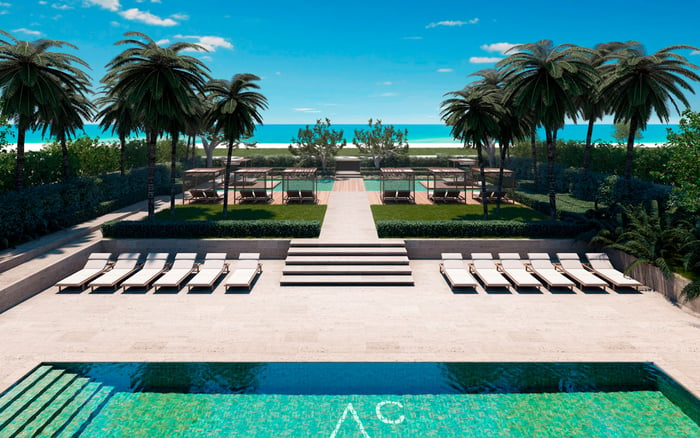
For ultra-premium buyers, the residence itself should be tested like a private club. How many homes share an elevator bank? How visible are the pool and cabanas from neighboring properties? Is the fitness area sized for real use, or designed primarily for marketing photography? Are service corridors separated from resident arrivals? Are dogs, guests, deliveries, and housekeeping handled with quiet competence?
A Beverly Hills buyer may be used to controlling the entire estate environment. In a condominium or branded residence, that control becomes collective. The board, management, rules, staffing, and resident profile all matter. A magnificent terrace cannot compensate for a lobby that feels transient, and a sweeping view may not be enough if the pool deck becomes the building’s social stage.
Seasonal crowd avoidance is therefore not only an area question. It is a governance question, a design question, and a lifestyle question. The most successful purchases happen when the buyer studies the soft details as carefully as the floor plan.
Begin with three lifestyle filters. First, decide whether the home is a primary base, a seasonal residence, or a second home used in short, frequent intervals. Second, decide how much proximity to Miami Beach is essential. Third, define what quiet means in operational terms: fewer people on the sand, lower lobby traffic, less nightlife, more private amenities, or simply a slower morning routine.
Then compare neighborhoods through lived experience, not reputation. Spend time in Miami Beach, Surfside, Bal Harbour, Boca Raton, and Fort Lauderdale Beach without over-scheduling. Walk the beach. Arrive at the building at imperfect times. Sit in the lobby. Notice whether you feel restored or observed.
For the Beverly Hills buyer, the most luxurious South Florida address is not necessarily the most famous one. It is the one where the ocean feels close, the season feels managed, and the home delivers privacy without requiring withdrawal from the life that brought you here.
What should Beverly Hills buyers look for first in a South Florida beach home? Start with privacy, access, and daily rhythm. The best address should feel calm in the lobby, on the beach path, and throughout the amenity spaces.
Is Miami Beach too crowded for a quiet luxury lifestyle? Not necessarily. Miami Beach has distinct micro-locations, and the right building can offer a composed residential experience even near major cultural energy.
How do Surfside and Bal Harbour compare for quieter beach living? Surfside often appeals to buyers seeking boutique coastal understatement, while Bal Harbour can suit those who want polished convenience and a refined waterfront setting.
Why consider Boca Raton if the search began with Miami Beach? Boca Raton may suit buyers who want a more settled coastal routine and less dependence on Miami’s social calendar. It can feel more like a long-term base.
Can Fort Lauderdale Beach work for privacy-focused buyers? Yes, especially for buyers who value boating, beach access, and a different pace from Miami. Building selection remains critical.
Is oceanfront always the best choice? Oceanfront can be exceptional, but it is not automatically quiet. Access patterns, neighboring uses, and building culture may matter just as much as frontage.
How can buyers test seasonal crowd levels before purchasing? Visit at different times of day and during busier periods. Observe traffic, valet flow, beach access, guest activity, and amenity use.
Are boutique buildings usually quieter than larger towers? They can be, but not always. Management quality, resident profile, rental policies, and amenity design are more important than size alone.
Should short-term rental rules influence the decision? Yes. Buyers seeking quiet should understand rental policies, guest procedures, and how the building preserves a residential atmosphere.
What is the clearest sign that a building will feel private? Look for calm operations: discreet arrivals, efficient staff, uncrowded amenities, and rules that support residential continuity.
If you'd like a private walkthrough and a curated shortlist, connect with MILLION.
If branded residences are on your mind — as a home or as an allocation — we would be glad to share what we are seeing, privately.
Begin a quiet conversation