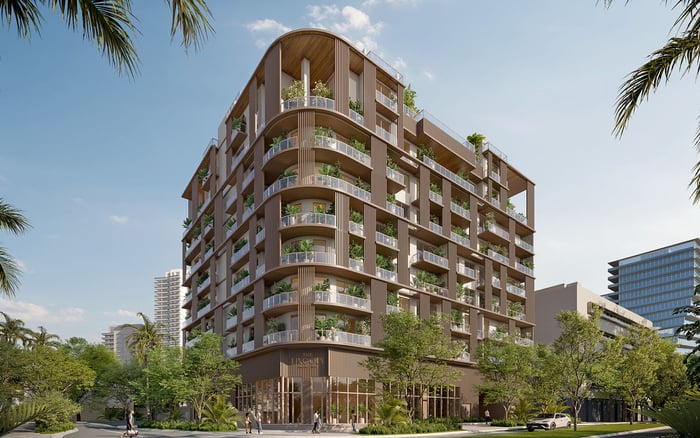
A buyer-focused look at how closing timeline control can shape confidence, lifestyle planning, and financial strategy around The Lincoln Coconut Grove.

In luxury condominium buying, the visible decision points are usually easy to admire: architecture, finishes, views, floor plans, privacy, and the feeling of arrival. Yet for a sophisticated buyer considering The Lincoln Coconut Grove, one of the most consequential details may sit deeper in the purchase documents. Closing timeline control can shape when capital is required, when a family can move, when an existing home must be sold, and how confidently a buyer can plan around a new residence.
For buyers focused on Coconut Grove, the issue is not only whether a residence feels compelling. It is also whether the path from contract to closing is clear enough to support real planning. A polished presentation can create interest, but a disciplined timing framework can create confidence.
That is why closing timeline control should be read as a value driver, not merely a technical clause. A project can be beautifully conceived, but if the timing framework feels vague, perceived risk rises. Conversely, a clear and conservative delivery window can make an early commitment feel more rational, especially for buyers coordinating multiple personal and financial decisions at once.
Closing timeline control refers to the developer’s contractual ability to determine when a purchaser must close, subject to the deadlines, ranges, extension rights, delay clauses, and remedies described in the purchase documents. In practical terms, the buyer is often committing before the residence is complete, while the developer retains a defined degree of flexibility around completion and closing.
That flexibility is not inherently negative. Construction, approvals, inspections, financing conditions, and market conditions can all affect timing. A well-drafted structure recognizes that reality. The issue for luxury buyers is whether the timeline is specific enough to support planning, and whether the remedies are meaningful if the expected schedule changes materially.
Buyers evaluating The Lincoln should focus on provisions such as estimated completion dates, outside closing dates, developer extension rights, delay language, notice requirements, and buyer remedies. A stated target date may feel reassuring in conversation, but sophisticated purchasers tend to look for the legal boundaries around that target. The difference between a flexible estimate and a defined outside date can influence whether a buyer views the opportunity as elegant or uncertain.
Coconut Grove buyers often evaluate more than a floor plan. They may be weighing daily routine, privacy, neighborhood feel, family logistics, seasonal use, or a transition from another home. When those personal variables are layered onto a pre-construction purchase, the closing framework becomes part of the decision.
A buyer may be willing to move early when the right residence appears, but early commitment does not remove the need for caution. It often increases it. If a buyer is tying up capital, planning a move, or preparing to sell another property, the buyer wants to understand whether the project’s delivery posture is clear enough to justify the commitment.
This is especially true in pre-construction and new-construction decisions, where the purchase is partly an acquisition and partly a forecast. For The Lincoln Coconut Grove, the closing timeline becomes part of the underwriting. It helps answer a simple but critical question: can the buyer organize life around this building with confidence?
Relocating families may be the most emotionally sensitive to timing. For them, a closing date can connect directly to school-year alignment, work relocation, moving logistics, and certainty around when children will settle into a new routine. A delayed closing can mean temporary housing, duplicate expenses, or a difficult mid-year transition. An accelerated closing can also create pressure if the family has not yet completed a move from another city.
Local downsizers often evaluate timing through a different lens. Many are leaving a single-family home and entering a more managed condominium lifestyle. Their closing decision may depend on how well the new residence coordinates with the sale of the existing home. If the closing window is too uncertain, they may face the risk of selling too early, holding two properties, or rushing a legacy home sale that deserved more time and care.
Investors and second-home owners may be less concerned with school calendars, but they are highly attuned to capital timing. For them, closing affects cash allocation, financing rate exposure, carrying costs, tax-year planning, and opportunity cost during any construction delay. An investment buyer may ask whether capital is better deployed now or later. A second-home buyer may ask whether the residence will be ready for a specific seasonal pattern. In each case, time has a cost.
A closing date is not only a lifestyle milestone. It is a financial event. It can determine when loan proceeds are needed, whether a rate lock remains useful, when reserves must be liquidated, and how a buyer sequences the sale or holding of other assets. In an ultra-premium segment, those decisions can involve portfolios, trusts, business liquidity, and tax-year considerations.
For cash buyers, timing still matters. Cash has alternatives. If a closing is pushed out, capital may remain invested elsewhere or held in reserve. If a closing arrives sooner than expected, liquidity may need to be created quickly. Neither outcome is inherently problematic, but both require planning.
For financed buyers, timing can be even more delicate. Rate exposure, underwriting updates, lender conditions, and the expiration of financial documentation can all interact with a moving closing window. The more clearly a contract defines the relevant dates and extensions, the easier it becomes to plan defensively.
In Coconut Grove, lifestyle is central to the purchase thesis for many buyers. A buyer is not only acquiring square footage. The buyer may be choosing a particular neighborhood tempo, a preferred daily routine, or a more private residential setting within Miami.
That lifestyle promise depends on occupancy. If a buyer expects to use the residence for a school year, a seasonal stay, or a planned transition from a larger home, a material shift in closing can change the experience. Temporary housing, storage, overlapping ownership costs, and uncertain move-in dates can dilute the pleasure of buying well.
This is why timeline language deserves the same attention as finishes and views. A residence may be the right aesthetic decision, but the timing must also fit the buyer’s life. The most polished luxury purchase is the one where the residence, the documents, and the calendar work together.
The first item is the estimated completion date, but buyers should not stop there. The stronger question is how that estimate is framed. Is it simply aspirational, or does it sit within a clear contractual structure?
The second item is the outside closing date. This is often the date sophisticated buyers care about most because it helps define the practical end of the developer’s timing flexibility. If the outside date is distant or subject to broad extension rights, the buyer should understand the implications before signing.
The third item is extension language. Developer extension rights may be reasonable, but buyers should know when they apply, how notice is given, and whether there are limits. The fourth item is delay language, including circumstances beyond the developer’s control. The fifth is the remedy framework, including what options a buyer may have if timing exceeds agreed boundaries.
This is not legal advice, and buyers should rely on their own counsel. The larger strategic point is straightforward: in Coconut Grove luxury purchasing, timeline control is part of the asset. Buyers who analyze it early can make cleaner decisions and avoid treating the closing date as an afterthought.
The Lincoln Coconut Grove sits in a category where buyers may compare not only residences, but risk profiles. A buyer who strongly prefers Coconut Grove may still pause if the closing framework feels too open-ended. Another buyer may commit earlier if the timing is communicated with discipline and supported by meaningful contractual boundaries.
That is the quiet power of closing timeline control. It can influence trust before the residence is complete. It can reduce friction between personal planning and legal obligation. It can help a buyer understand not only what is being purchased, but when the purchase becomes real.
In an ultra-premium market, confidence has value. The buyer who understands timing is not simply protecting against inconvenience. The buyer is protecting lifestyle, liquidity, optionality, and peace of mind.
Why does closing timeline control matter at The Lincoln Coconut Grove? It can affect when the buyer must fund the purchase, move into the residence, sell another home, or adjust financing and tax planning.
Is closing timeline control the same as the estimated completion date? No. The estimated completion date is only one part of the framework; closing control can also include outside dates, extensions, delay clauses, and remedies.
Why is timing important for a Coconut Grove buyer? Buyers may be coordinating lifestyle, relocation, financing, and another property decision, so the closing framework can affect confidence.
How might relocating families evaluate the timeline? They may focus on school-year alignment, work relocation timing, temporary housing risk, and certainty around occupancy.
How might downsizers evaluate the timeline? Downsizers may care most about coordinating the condominium closing with the sale of an existing single-family home.
How might investors or second-home buyers view timing? They may focus on capital deployment, carrying costs, financing rate exposure, tax-year planning, and seasonal use.
What contract provisions deserve special attention? Buyers should review estimated completion dates, outside closing dates, extension rights, delay language, notice requirements, and remedies.
Can a vague target completion date affect buyer confidence? Yes. Vague timing without meaningful outside-date protection can make sophisticated buyers more cautious.
Does an earlier closing always benefit the buyer? Not necessarily. An accelerated closing may create pressure if financing, liquidity, relocation, or a home sale is not ready.
What is the best way to shortlist comparable options for touring? Start with location fit, delivery status, and daily lifestyle priorities, then compare stacks and elevations to validate views and privacy.
If you'd like a private walkthrough and a curated shortlist, connect with MILLION.
If branded residences are on your mind — as a home or as an allocation — we would be glad to share what we are seeing, privately.
Begin a quiet conversation