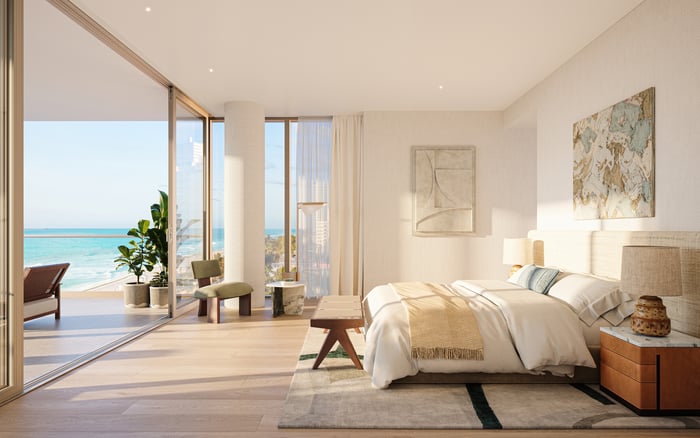
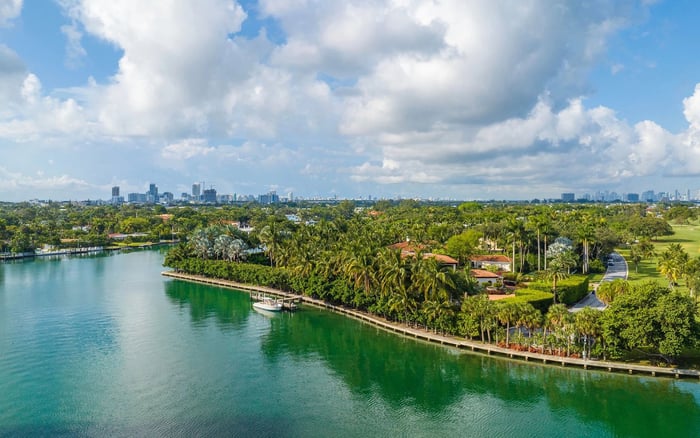
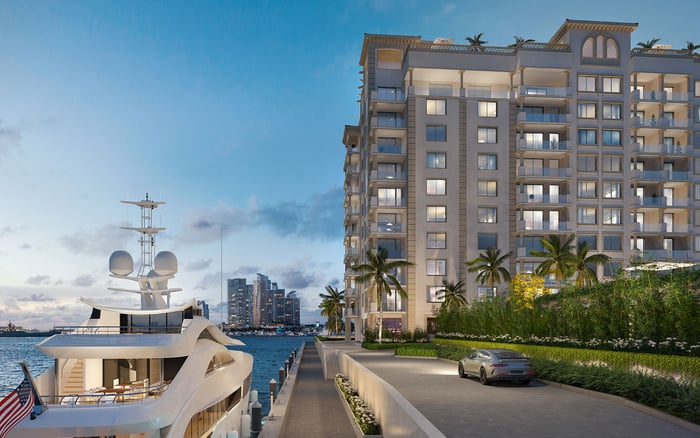
For luxury buyers who value calm as much as address, the most compelling after-dark settings around Miami Beach are not necessarily the loudest or most visible. They are the places where planning, lower density, controlled access, and privacy-driven building design combine to create a more insulated evening experience. From Surfside and Bay Harbor Islands to Fisher Island, Mid-Beach, North Beach, and select bay-side pockets, quiet luxury here is defined by restraint, not spectacle.
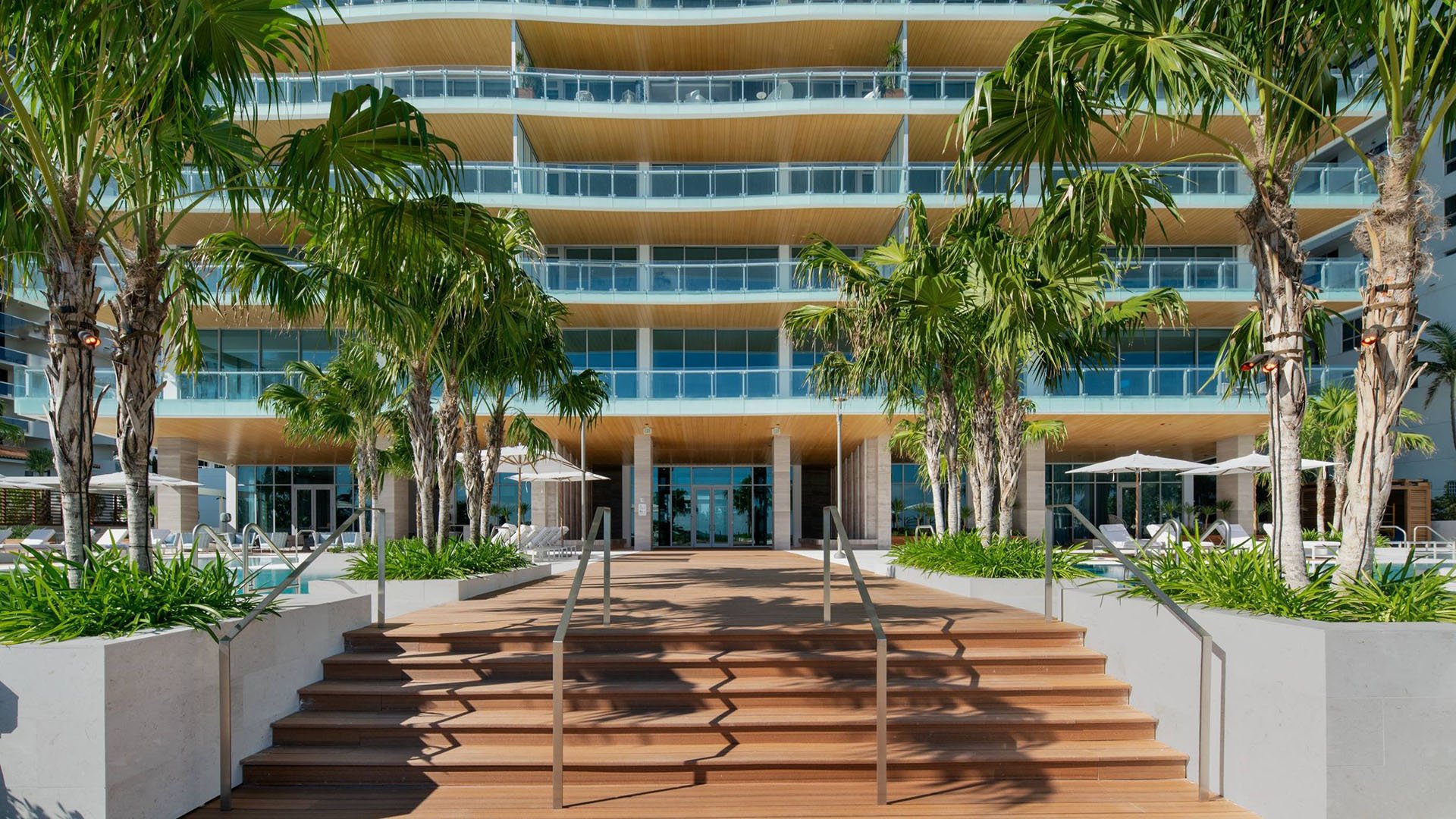
In the Miami Beach orbit, true evening tranquility is rarely accidental. It typically stems from one of two conditions: a neighborhood with an inherently residential identity or a building designed to reduce exposure to noise, traffic, and transient footfall. For buyers seeking polished service without the churn of a nightlife corridor, the strongest options tend to sit just beyond South Beach’s highest-energy zones.
That distinction matters because quiet luxury in this market is not simply about isolation. It is about returning home to a setting that feels composed after sunset, whether through controlled entry, private elevator access, fewer shared corridors, or a municipality whose planning framework preserves lower density.
For that reason, the best after-dark choices usually fall into a few recognizable pockets: Surfside and Bay Harbor Islands for village-like calm, Fisher Island for exceptional insulation, and select stretches of Miami Beach such as Mid-Beach, North Beach, and bay-side enclaves that preserve access to dining and culture without inheriting constant late-night intensity.
Surfside has emerged as one of the clearest expressions of residential luxury with a quieter rhythm. Positioned north of Miami Beach and removed from the South Beach entertainment corridor, it is defined by lower density and a civic framework that favors controlled scale. That planning discipline matters to buyers seeking evenings that feel residential rather than performative.
The appeal is not only geographic. Surfside conveys a sense of stability that resonates with owner-oriented buyers, particularly those who view privacy as a daily amenity rather than a marketing phrase. Developments such as Fendi Château Residences Surfside, The Delmore Surfside, and Ocean House Surfside naturally belong in this conversation because the municipality itself supports a more composed living experience after dark.
If Surfside is quiet through planning and distance, Fisher Island is quiet through access control. Reached by private ferry and defined by controlled entry, it remains one of the most insulated luxury environments in the region. Public access is sharply limited, which meaningfully changes the atmosphere once evening arrives.
For buyers who prioritize discretion above all else, Fisher Island offers a level of separation that is difficult to replicate on the mainland or barrier island. That is why residences such as The Links Estates at Fisher Island and The Residences at Six Fisher Island belong in any conversation about quieter ultra-prime living. Here, after-dark calm is built into the arrival sequence itself.
Just north of Surfside, Bay Harbor Islands has long appealed to buyers who want proximity to the water and the beach without living in a nightlife district. It functions as a small residential municipality with a distinctly local feel, making it one of the strongest adjacent options for year-round quiet luxury.
Here, the residential identity is the story. Buyers drawn to that atmosphere may find the positioning of Alana Bay Harbor Islands especially compelling, not because the area is remote, but because it remains intentionally detached from the late-night tempo that defines other waterfront districts.
Mid-Beach, generally spanning the area between 23rd and 46th Streets, offers one of the more balanced propositions for buyers who still want Miami Beach prestige with a less nightlife-heavy backdrop than South Beach. It remains central, established, and design-conscious, yet its residential stretches feel calmer once evening sets in.
This is where building selection becomes critical. In a more urbanized coastal setting, newer and boutique residences can help reduce after-dark disruption through controlled lobbies, security staffing, private elevator access, and layouts that limit shared-corridor exposure. For buyers considering Mid-Beach, 57 Ocean Miami Beach reflects the kind of privacy-led positioning that increasingly defines high-end calm on the beach.
North Beach tends to appeal to buyers who want a quieter expression of the barrier island. Lower density and less late-night commercial activity create a different mood from the southern part of Miami Beach. The pace is gentler, pedestrian flow shifts after sunset, and the residential atmosphere can feel more settled.
For some buyers, North Beach and the island’s northern reaches are preferable not because they are disconnected, but because they offer enough remove to make evenings feel distinctly more residential. That difference becomes especially meaningful for primary residents and second-home owners seeking restorative rather than performative luxury.
Not every quiet-luxury buyer wants to leave urban walkability behind. Sunset Harbour shows that a more livable, neighborhood-oriented setting can still deliver dining and retail access without taking on the full party-driven identity associated with South Beach. For buyers who enjoy going out but prefer to return to a more composed streetscape, that balance has enduring appeal.
The same logic often favors Biscayne Bay-side residences over certain oceanfront corridors. Bay-facing settings can avoid some of the tourist flow and beachfront traffic that intensify after dark, giving residents a calmer sensory experience while preserving views, boating access, and proximity to Miami Beach’s cultural core.
In quieter luxury, the building is often as important as the neighborhood. Across high-end Miami Beach product, privacy features increasingly carry real value: private elevator access, controlled lobbies, attentive concierge or security presence, strong sound insulation, and floor plans that limit direct corridor exposure.
These are not merely conveniences. They shape the nightly experience of ownership. A residence can sit in a desirable location and still feel overly exposed if circulation is busy, access is loose, or the arrival sequence lacks discretion. By contrast, a well-conceived boutique or newer building can create calm through architecture and operations, even in a more central part of the beach.
That is why premiums in these enclaves often reflect exclusivity, privacy, and owner-oriented character more than simple adjacency to famous nightlife. For a certain buyer, the true luxury is hearing very little at all.
Surfside often suits buyers who want oceanfront prestige with a more residential cadence. Fisher Island fits those who see controlled access and separation as essential. Bay Harbor Islands appeals to purchasers seeking village-like calm near the beach, while Miami Beach buyers focused on Mid-Beach or North Beach may value a blend of access and restraint.
The common thread is not withdrawal from the city. It is selectivity. Quiet-after-dark buyers still want excellent design, polished service, waterfront presence, and easy movement between home, dinner, and cultural commitments. They simply prefer those elements without a nightly soundtrack from the street below.
In this sense, quieter luxury has become one of South Florida’s most persuasive forms of exclusivity. It is measured less by spectacle than by control, fewer surprises, and the ability to preserve a sense of sanctuary once the day is done.
Is Surfside quieter than South Beach after dark? Yes. Surfside is generally more residential in character and farther removed from the nightlife intensity associated with South Beach.
Why is Fisher Island considered so insulated? Its private-ferry access and controlled entry sharply limit public access, reducing street-level activity after sunset.
Are there quieter parts of Miami Beach without leaving the island? Yes. Mid-Beach and North Beach are often favored by buyers seeking a calmer residential atmosphere.
Does Bay Harbor Islands work for year-round luxury living? Yes. Bay Harbor Islands is widely favored for a more local, residential setting rather than a nightlife-driven one.
Do building features matter as much as the neighborhood? Absolutely. Private elevators, controlled lobbies, concierge staffing, and sound insulation can significantly shape after-dark comfort.
Are bay-side residences often quieter than direct beachfront towers? They can be. Bay-side locations often avoid some of the tourist and traffic flow that affects beachfront corridors.
Is Sunset Harbour still a good fit for buyers who like walkability? Yes. It offers a livable, walkable environment with dining and retail nearby, but generally feels less party-centric.
Why do quieter enclaves often command premiums? Buyers often pay for privacy, exclusivity, and a stable owner-oriented environment rather than nightlife adjacency.
Is North Beach a good option for second-home buyers? It can be, especially for those who want Miami Beach access with less late-night commercial activity.
What is the clearest sign of quiet luxury in this market? A combination of lower-density surroundings and privacy-focused building design usually creates the most reliable calm after dark.
For a tailored shortlist and next-step guidance, connect with MILLION Luxury.
If branded residences are on your mind — as a home or as an allocation — we would be glad to share what we are seeing, privately.
Begin a quiet conversation