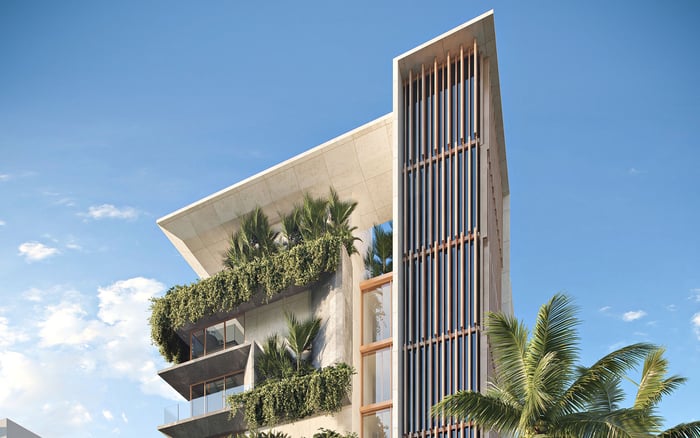
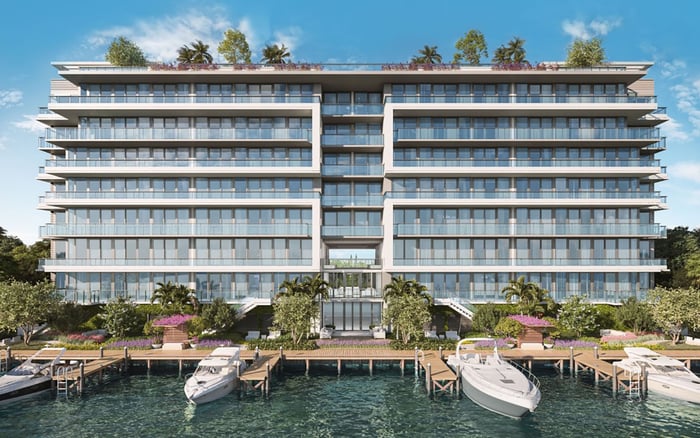
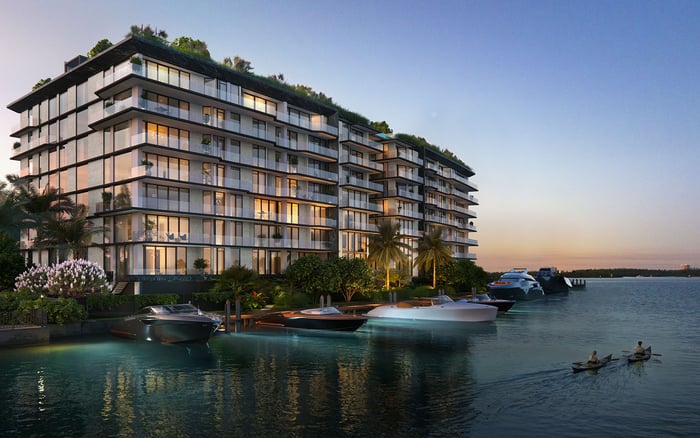
A buyer-focused 2026 reserve checklist for Onda Bay Harbor, examining boutique scale, waterfront exposure, amenity upkeep, and long-term ownership risk.
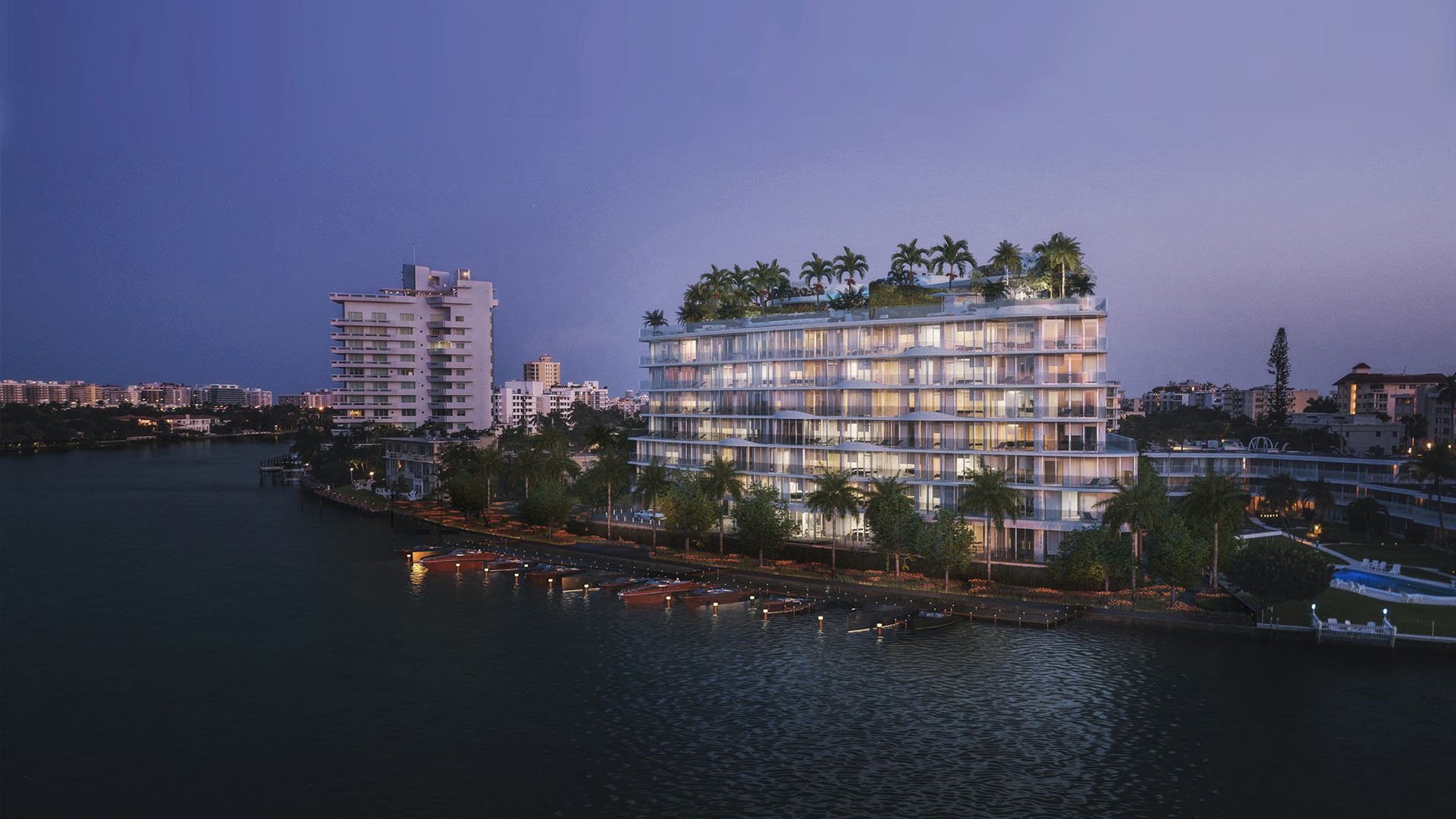
Onda Bay Harbor sits in one of South Florida’s more discreet luxury pockets: Bay Harbor Islands, close to Bal Harbour and Miami Beach yet defined by a quieter residential rhythm. For a 2026 buyer, that setting is part of the appeal. It is also why association reserves deserve unusually careful attention.
This is not a sprawling high-rise with a vast ownership base. Onda Bay Harbor is best understood as a boutique ultra-luxury waterfront condominium, offering the intimacy and privacy buyers often seek in Bay Harbor Islands. The same boutique character that makes the building attractive also changes the reserve conversation. Operating costs, future repairs, and capital planning are shared by a smaller group of owners than in a larger tower.
That does not make the proposition less compelling. It makes the underwriting more precise. A buyer should not treat reserves as a closing-file formality. They are part of the total investment picture, alongside purchase price, monthly carrying costs, lifestyle value, and long-term resale positioning.
In a large condominium, the cost of major future work is distributed across many residences. In a boutique waterfront building, each owner’s share can carry greater weight. That is why the reserve schedule should be read as a financial map, not simply as an association document.
Start with the basics: which components are included, how often they are expected to be repaired or replaced, and whether the funding path appears aligned with the building’s luxury standard. The relevant categories should include structural systems, mechanical systems, the building envelope, amenity areas, and waterfront components. If any major category feels vague, the buyer should ask for clarification before closing.
New-construction comfort should not become complacency. Newer construction may reduce near-term component-replacement risk, but it does not eliminate the need for a long-term reserve schedule. The strongest review looks beyond the next year and asks whether today’s budget supports the building over the next decade and beyond.
Waterfront ownership carries a distinct maintenance logic. Salt air, sun, humidity, and exposure can make exterior, waterproofing, corrosion, marine, and site-infrastructure items especially important. At Onda, the reserve review should be attentive to these categories because they connect directly to the building’s setting and its long-term physical presentation.
Waterview value is inseparable from waterfront upkeep. Buyers are not only purchasing interiors and amenities. They are buying into a built environment that must remain crisp, dry, protected, and technically well managed. Reserve planning is one way an association demonstrates that discipline.
In a Bay Harbor purchase, it is tempting to focus on the serenity of the neighborhood and the proximity to Bal Harbour and Miami Beach. Those lifestyle attributes matter. Still, the practical question is whether the association’s financial planning reflects the demands of a waterfront site.
Luxury amenities are not static. They require cleaning, servicing, repairs, refinishing, replacement cycles, and capital attention. At an ultra-luxury condominium, amenity spaces help define the daily ownership experience, so their upkeep should appear in the reserve conversation with enough specificity to be useful.
A buyer should ask how the association distinguishes routine operating expenses from longer-term capital needs. Day-to-day maintenance may keep an amenity functional, but reserves should anticipate larger future requirements. That distinction matters because deferred decisions can eventually surface as special assessments or uneven owner expectations.
The most refined buildings tend to feel effortless precisely because their maintenance is not improvised. A reserve framework that accounts for amenities, envelope systems, waterfront exposure, and mechanical infrastructure can help protect both lifestyle quality and resale confidence.
A serious buyer should request and review the association budget, reserve schedule, reserve study or related planning materials when available, meeting materials where appropriate, and any disclosures tied to future work. The goal is not to become the building engineer. The goal is to understand whether the association’s plan is coherent.
First, identify the major components. Structural, mechanical, envelope, amenity, waterfront, and site-infrastructure items should all be part of the conversation. Second, review timing. A schedule that pushes too many important items into an undefined future deserves closer questioning. Third, compare the funding assumptions with the building’s boutique scale. A smaller ownership base can make shortfalls more personal.
Fourth, ask how reserves interact with monthly assessments. A lower current assessment is not necessarily better if it postpones necessary funding. Fifth, consider resale. Future buyers will also review reserves, and a strong framework can reduce friction when the time comes to sell.
A well-conceived reserve plan does more than fund repairs. It signals that the building is being managed with a long horizon. For Onda Bay Harbor, that matters because the value proposition is based on a rare combination: boutique scale, waterfront living, luxury positioning, and a quiet enclave near major coastal destinations.
A strong framework can help reduce the risk of special assessments, deferred maintenance, and resale hesitation. It can also make ownership feel calmer. Buyers at this level often prefer certainty, or at least transparency, over surprises.
The best question is not simply whether reserves exist. It is whether the reserve methodology fits the asset. At Onda, the methodology should be evaluated against the building’s smaller ownership base, amenity expectations, and waterfront exposure. That is the lens a 2026 buyer should bring to the table.
Why should Onda Bay Harbor buyers focus on reserves? Because the building’s boutique scale means future costs are shared among a smaller ownership base, making reserve planning central to underwriting.
Does newer construction remove reserve risk? No. Newer construction may reduce near-term replacement pressure, but long-term structural, mechanical, envelope, and amenity planning still matters.
Which waterfront items deserve extra attention? Buyers should look closely at marine, exterior, waterproofing, corrosion, and site-infrastructure components tied to waterfront exposure.
Are amenities part of reserve diligence? Yes. At a luxury condominium, amenity maintenance can be a meaningful long-term cost and should be visible in the planning framework.
How does boutique scale affect ownership costs? A smaller building can offer privacy and discretion, but capital costs are distributed across fewer residences than in a larger tower.
What documents should buyers review? Buyers should review available budgets, reserve schedules, planning materials, disclosures, and relevant association records before closing.
Can reserves affect resale value? Yes. A strong reserve framework can reduce concerns about deferred maintenance, future assessments, and buyer hesitation during resale.
Should monthly assessments be viewed separately from reserves? No. Monthly assessments and reserve funding should be evaluated together as part of the complete ownership cost.
What is the most useful time horizon for review? The most useful lens is forward-looking, with attention to how today’s budget supports the next decade and beyond.
What is the best way to shortlist comparable options for touring? Start with location fit, delivery status, and daily lifestyle priorities, then compare stacks and elevations to validate views and privacy.
When you're ready to tour or underwrite the options, connect with MILLION.
If branded residences are on your mind — as a home or as an allocation — we would be glad to share what we are seeing, privately.
Begin a quiet conversation