Multi-generational living is reshaping South Florida’s luxury condo search. This guide explains what to look for in true lockout-style layouts and highlights buyer-focused strategies for privacy, hosting, and long-stay flexibility across Miami, Miami Beach, Brickell, Sunny Isles, and beyond.
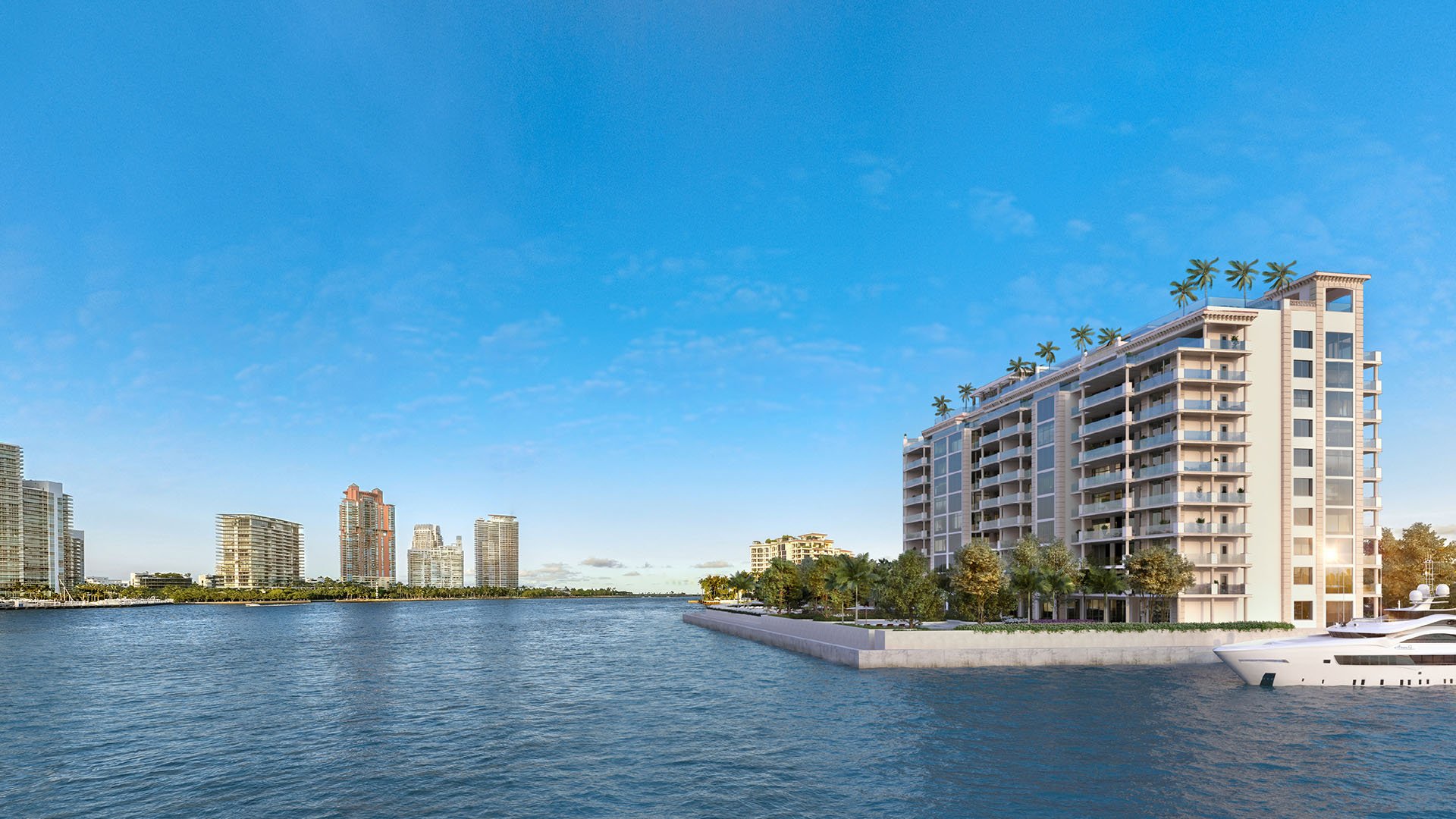
South Florida has long welcomed extended-family living, but today’s demand is more precise: residences that feel unified when you want togetherness-and genuinely separate when you don’t. Multi-generational floorplans and lockout suites are less about square footage as a status signal and more about planning discipline. Think two morning routines that never collide, grandparents who can host friends without filtering through the main living room, adult children on a late-night schedule, or a live-in caregiver who needs respectful autonomy.
In the ultra-premium condo market, this is no longer solved by “just buy bigger.” It is solved by circulation. A well-designed residence controls entrances, sightlines, acoustics, and bathroom access so each generation can move through the home as if they have their own place-while still sharing the kitchen, the views, and the amenities.
When the layout is right, the experience reads as effortless. When it isn’t, even a beautiful tower can feel like a hotel room stretched too far.
A lockout suite is best understood as a micro-residence attached to the primary home. The classic signals are:
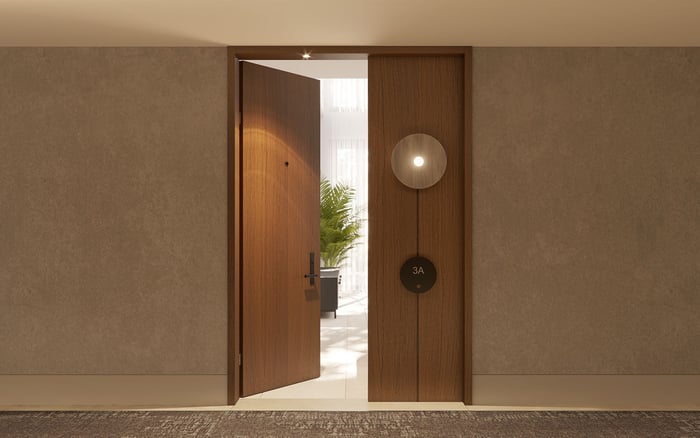
Two ways in and out. Ideally, the lockout zone has its own entry door in addition to a door connecting it to the main residence.
Real separation. A hallway, vestibule, or door placement that prevents the suite from functioning as a glorified “extra bedroom off the living room.”
Suite-level essentials. A full bath is non-negotiable; a wet bar or kitchenette can be a plus, but only if it is permitted and thoughtfully placed.
What a lockout is not: a den with a powder room, a bedroom where the only bath is shared with guests, or a room whose privacy depends on everyone agreeing to be quiet.
For buyers, the most important distinction is psychological. A lockout suite should allow one generation to feel like they are not “in the way.” That is a design outcome-not a marketing term.
Before you debate 3 versus 4 bedrooms, evaluate these planning cues.
If the suite occupant must cut through the kitchen island to come and go, the home won’t live like a multi-generational layout. Prioritize floorplans where the secondary zone sits near the foyer or is served by a dedicated corridor.
Luxury finishes do not automatically translate to quiet. The strongest layouts avoid shared headboards, use closets as buffers between bedrooms, and keep laundry rooms away from sleeping walls.
A true multi-generational home typically needs at least two bathrooms that feel primary-grade-not one primary and one “spare.” If grandparents are in the second suite, the bath should never read like an afterthought.
A lockout door that swings into a tight corner or blocks a closet becomes decorative. Visualize everyday use: luggage, strollers, walkers, and the cadence of short trips to the elevator.
Multi-generational living multiplies objects: medical equipment, seasonal wardrobes, hobby gear, and extra linens. Give priority to utility space, pantry depth, and laundry practicality. These details decide whether the home works for months at a time.
Below is a curated ranking of condominium choices that tend to align with how multi-generational buyers actually live in South Florida. Because floorplans and lockout configurations vary by stack and residence, the smartest approach is to begin with buildings known for generous layouts-and then verify the specific plan and rules.
1. Brickell luxury towers - full-service living for extended stays
Brickell’s advantage is operational ease: concierge infrastructure, valet, walkability, and a rhythm that supports long visits without friction. For multi-generational households, that day-to-day function can matter as much as the plan itself.
A building like 2200 Brickell suits buyers who want privacy at the residence level while keeping the city’s services at their doorstep.
2. Miami Beach oceanfront living - privacy that feels like a resort, not a compromise
For families who gather seasonally, Miami Beach can feel purpose-built: a beach-forward cadence, abundant dining, and a lifestyle that makes “visiting family” feel like a vacation for everyone.
Consider the feel and positioning of 57 Ocean Miami Beach for buyers who want an oceanfront context that naturally supports hosting. The strongest multi-generational plans here emphasize bedroom separation and guest-friendly powder rooms.
3. Sunny Isles Beach - vertical beachfront with strong suite separation potential
Sunny Isles is often selected for its ocean-facing living and the way towers can support two-routine households: one group at the beach early, another working late-both sharing the same home without friction.
A reference point for buyers exploring this model is Bentley Residences Sunny Isles, where the value proposition centers on private, owner-forward living and a sense of arriving “home” rather than “to a unit.”
4. Hallandale Beach - a calmer coastal base for extended family time
For some families, the goal isn’t constant nightlife-it’s a coastal hub that feels relaxed and easy for multiple generations to enjoy. Hallandale can be compelling for buyers who want ocean proximity with a slightly different pace.
Explore 2000 Ocean Hallandale Beach as a touchstone for refined coastal living, where larger residences can better support distinct zones and long-stay comfort.
5. South of Fifth and similar enclave living - when discretion is the amenity
Some multi-generational buyers prioritize discretion and a quieter residential rhythm over a denser high-rise ecosystem. In those cases, boutique density, private elevators, and fewer residences per floor can create a more “house-like” feeling in the sky.
Properties in a Sofi-style environment can be exceptional when the right floorplan delivers a true split-bedroom arrangement and the building culture supports longer-term family occupancy.
Multi-generational living is partly architectural and partly geographic. The neighborhood has to match the household’s pace.
Brickell is often the most operationally efficient option. It’s easy for visiting family to feel independent: coffee, gyms, errands, and dining are close at hand. Buyers who value this cadence may also consider iconic branded concepts such as 888 Brickell by Dolce & Gabbana, especially when the goal is a residence that feels like a flagship with consistent service.
Miami Beach living can reduce decision fatigue for extended families. When everyone can walk to the water, “family time” becomes ambient rather than scheduled. The ideal is a plan with a guest wing that can be closed off during entertaining.
For buyers seeking a more local, low-key feel while staying close to the water, Bay-harbor areas can be appealing. The tone supports grandparents who want calm mornings while keeping the broader city accessible.
Some families prefer a calmer social schedule and a more traditional coastal lifestyle, particularly when visits last for months. In those cases, evaluate whether the building’s daily rhythm supports privacy and predictability: fewer “party weekends,” more residents who truly live there.
Multi-generational buyers should treat building rules as part of the architecture. Confirm these items early-ideally before negotiating details.
Leasing and guest policy. Even if you never plan to rent, many families want flexibility for an adult child or visiting relative. Rules vary and can materially shape your options.
Alterations and door hardware. A lockout lifestyle relies on access control. If you anticipate changing locks, adding sound insulation, or adjusting doors, confirm what is permitted.
Elevator-to-door experience. A multi-generational home works best when arrivals are smooth: strollers, luggage, groceries, mobility support. Private elevator entry can be transformative, but confirm how it functions in practice.
Parking and drop-off. Two generations often means two cars-or at least frequent drop-offs. Valet systems and guest parking policies can either simplify life or quietly complicate it.
Once you secure the right bones, design is what turns “separate rooms” into a graceful multi-generational home.
Create two living moments. Even in an open plan, establish a secondary sitting area in or near the suite zone so the main living room isn’t the only place to relax.
Treat lighting as scheduling. Separate dimming zones allow early sleepers and late-night readers to coexist.
Upgrade doors and thresholds thoughtfully. Soft-close hardware, seals, and solid-core doors can be more valuable than another decorative finish.
Keep hospitality built-in. A dedicated beverage center, linen storage, and a discreet place for extra bags make extended stays feel polished rather than improvised.
The most successful multi-generational condominium purchases aren’t defined by how many people can sleep there on a holiday. They’re defined by how calmly everyone can live there on an ordinary Tuesday. Prioritize layouts that deliver independence without isolation, and confirm that the building’s rules and daily operations match the way your family actually uses a home.
What is a lockout suite in a condominium? It is a separated area that can function like a mini-residence, typically with its own entry logic and a full bathroom.
Do lockout suites always include a kitchenette? Not necessarily; many work beautifully with a wet bar or none at all, as long as privacy and a bath are strong.
Is a split-bedroom plan the same as a lockout? No. Split bedrooms improve privacy, but a lockout implies a more independent zone with clearer separation.
What floorplan detail most affects multi-generational comfort? Entry and circulation. If the secondary suite can come and go without crossing the main living space, life feels easier.
Should grandparents have the primary bedroom? It depends on routines and accessibility; many families prefer the quietest bedroom with the easiest bathroom access.
How many bathrooms are ideal for a multi-generational condo? Two full bathrooms that feel equal in quality is a practical baseline for most extended-family living.
Are higher floors better for multi-generational living? Height is secondary to layout; prioritize quiet separation, then choose views and exposure that fit your preferences.
What building rules can complicate a lockout lifestyle? Guest policies, leasing limitations, and alteration restrictions can all affect how independent the suite can be used.
Can a lockout suite work for a caregiver? Yes, when the suite has a full bath and a respectful separation that supports privacy for both the household and caregiver.
What is the biggest mistake buyers make with these layouts? Buying bedroom count instead of circulation, acoustics, and storage-which are what make multi-generational living work.
To compare the best-fit options with clarity, connect with MILLION Luxury.
If branded residences are on your mind — as a home or as an allocation — we would be glad to share what we are seeing, privately.
Begin a quiet conversation