A discreet guide to evaluating Boca Raton luxury residences through the lens of art preservation, climate stability, display planning, and private ownership needs.
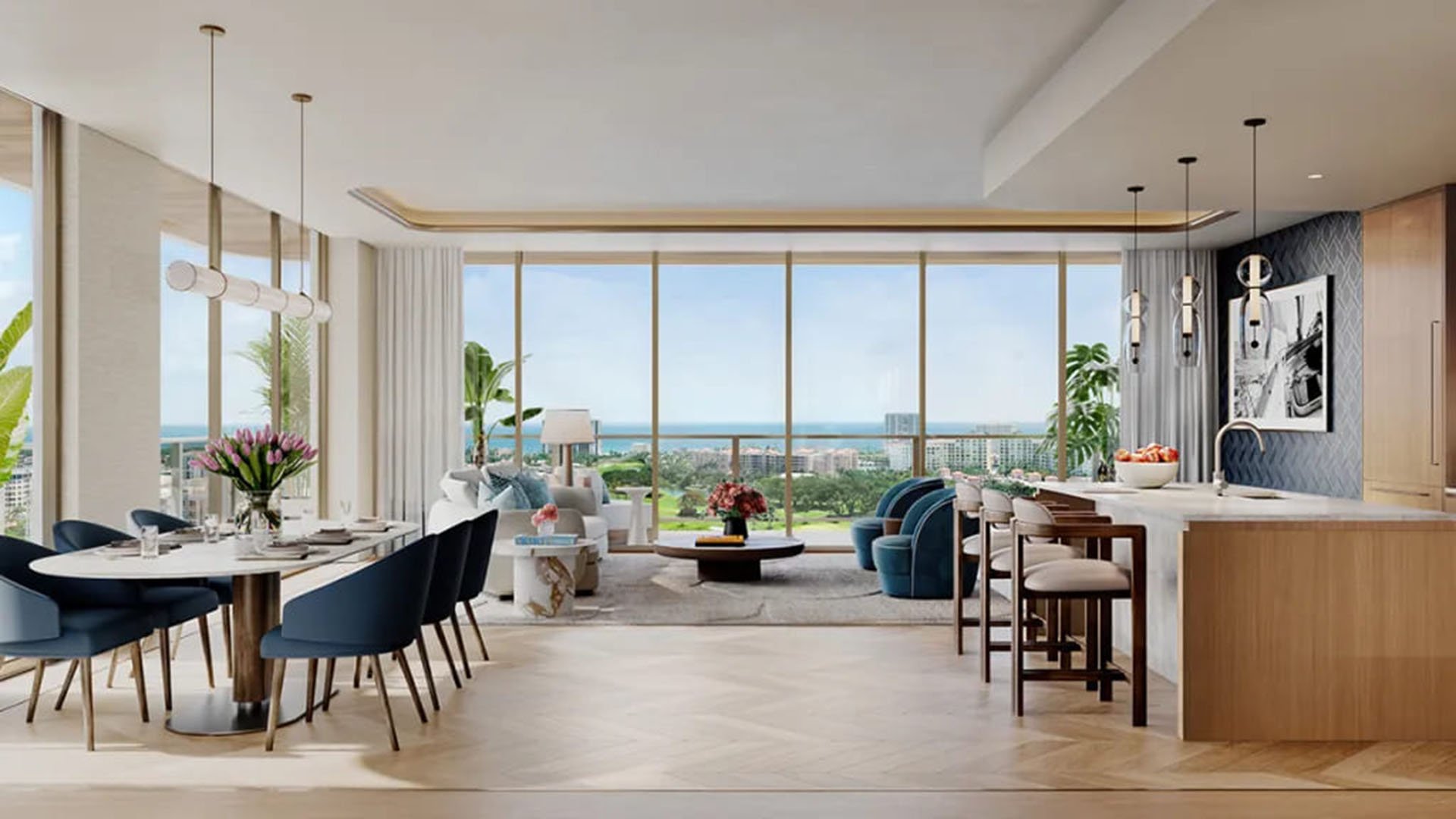
For a collector, a luxury residence is never simply a setting for beautiful objects. It is part gallery, part archive, part private retreat, and part risk-management system. In Boca Raton, where sunlight, salt air, seasonal occupancy, and entertaining all shape daily life, the strongest home for art protects quietly while presenting with elegance.
The phrase “climate control” is often used casually in real estate, but collectors should treat it as a serious design and operations question. The issue is not only whether a residence feels cool on a summer afternoon. It is whether temperature, humidity, light exposure, air movement, storage, and service access can be managed consistently across living rooms, corridors, studies, primary suites, and back-of-house areas.
Within a South Florida search taxonomy, Boca Raton may appear as shorthand for a market where privacy, architectural polish, and year-round resort living meet. For art owners, that combination can be compelling, provided the property is evaluated with the same discipline one would apply to a private collection facility.
The best Boca Raton luxury residences for collectors tend to share a few practical qualities, even when their architecture differs. First is predictability. A home that experiences dramatic swings between occupied and unoccupied periods can be harder on sensitive works than one managed steadily. Seasonal owners should ask how the residence performs when no one is home, how systems are monitored, and whether remote oversight is available or advisable.
Second is wall quality. Large-format paintings, photography, textiles, and works on paper need more than open walls. They need thoughtful placement away from harsh direct sun, kitchen moisture, exterior door drafts, and high-traffic impact zones. Ceiling height matters, but so does room depth, the angle of natural light, and the ability to integrate museum-quality lighting without visual clutter.
Third is storage. Even compact collections rotate. A residence should have a credible plan for crates, packing materials, archival supplies, and temporary holding. That may mean an in-unit conditioned room, a dedicated building storage arrangement, or a nearby professional solution, but it should be discussed before closing, not improvised after installation day.
For buyers who want condominium convenience without losing the feel of a private, highly finished home, Alina Residences Boca Raton belongs in the conversation. Its appeal for collectors is not merely aesthetic. It is the ability to evaluate a refined residential environment through wall planning, arrival sequences, amenity transitions, and the everyday practicalities of caring for valuable objects in a managed setting.
A more intimate sensibility may draw buyers toward Glass House Boca Raton, where the name itself invites a sharper discussion about transparency, light, privacy, and display. Collectors considering glass-forward architecture should be especially deliberate about glare control, UV mitigation, shade strategies, and the placement of vulnerable works. The objective is not to avoid light entirely, but to curate it.
For those who place a premium on service culture and a polished hospitality frame, The Residences at Mandarin Oriental Boca Raton may suit a collection-centered lifestyle. In this environment, buyers should look closely at how deliveries are handled, how private access works, and whether installation teams can move art discreetly without disrupting the residence or exposing works unnecessarily.
Another option to study is Mr. C Residences Boca Raton, particularly for buyers who appreciate a residential experience shaped by design, service, and ease of living. For an art owner, the essential questions remain practical: where will the important works live, how will the mechanical systems support them, and can the residence accommodate future acquisitions without feeling improvised?
New-construction is often appealing to collectors because it can make technical review more straightforward. Modern residences may offer cleaner documentation, newer building systems, more contemporary electrical planning, and layouts designed for today’s lighting, shade, and automation expectations. None of that should be assumed as sufficient for a serious collection, but it can create a stronger starting point.
The advantage is early influence. A buyer who enters before final interiors are complete may have more opportunity to coordinate blocking for heavier works, review lighting plans, specify shade preferences, and plan concealed wiring for security or environmental monitoring. The most successful collection homes rarely look technical. Their strength is that the technical thinking has been resolved behind the walls, above the ceilings, and within the service plan.
Boutique residences can also be attractive, especially when privacy, controlled circulation, and a calmer ownership environment are priorities. A smaller residential atmosphere may reduce the sense of traffic around elevators and loading areas, though every building must be evaluated on its own merits.
Collectors should begin with the mechanical narrative. Which areas are separately zoned? How is humidity managed? What happens during extended travel? How quickly can service be performed if an issue arises? Are there alarms or remote notifications? Is there a plan for backup power or emergency response? These questions are not meant to turn a home search into an engineering seminar. They are meant to reveal whether the residence can support the collection without constant anxiety.
Light is the second major issue. South Florida interiors can be spectacular precisely because they invite the outdoors in. For art, that beauty must be moderated. Ask about window treatments, glazing characteristics, overhangs, exposure, and the ability to layer decorative and protective solutions. The right answer is often a quiet combination of architecture, shade, lighting design, and disciplined placement.
Security should be equally discreet. Collectors do not need a home that feels fortified. They need access protocols, staff awareness, controlled delivery routes, and privacy around inventories and installation schedules. In luxury buildings, the most valuable security feature may be not a visible device, but a culture of discretion.
The ideal Boca Raton residence allows art to participate in daily life without being endangered by it. A generous foyer can become a first gallery moment, but only if doors, airflow, and luggage movement are considered. A dining room can hold significant work, but not if candles, catering traffic, or exterior openings create unnecessary exposure. A primary corridor can be a beautiful hanging opportunity, provided lighting and clearances are handled properly.
Collectors who entertain should think about crowd patterns. Large gatherings can put works at risk through accidental contact, temperature shifts, and opened doors. The best residences allow art to be admired without forcing guests into close quarters with fragile or irreplaceable pieces.
Finally, buyers should consider the future. A collection evolves. Works grow in scale, medium, and value. A residence that feels perfect for today’s holdings should still have flexibility for tomorrow’s acquisition, sale, loan, or rotation.
A collection-sensitive purchase is best reviewed with a small, confidential group. In addition to real estate counsel and a trusted advisor, serious buyers may want input from an HVAC specialist, lighting designer, art installer, insurance advisor, and conservator. Each sees a different risk. Together, they can distinguish a beautiful home from a beautiful home that is truly ready for art.
The goal is not to overcomplicate the purchase. It is to protect value, avoid rushed retrofits, and preserve the quiet pleasure of living with important works. Boca Raton offers a refined canvas. The collector’s task is to make sure that canvas performs.
What should art collectors prioritize first in a Boca Raton residence? Stability comes first. Evaluate climate consistency, light exposure, storage, access, and service procedures before focusing only on finishes.
Is a condominium appropriate for a serious private collection? It can be, provided the residence and building operations support careful delivery, installation, monitoring, privacy, and conditioned interiors.
Should collectors avoid glass-heavy residences? Not necessarily. They should review exposure, shade systems, glare control, and placement so vulnerable works are not overexposed.
Why does humidity matter for art in South Florida? Moisture fluctuation can affect sensitive materials. Buyers should understand how the residence manages interior conditions during daily use and travel.
Can lighting be upgraded after purchase? Often, but it is better to review lighting early. Planning ahead can reduce visible wiring, ceiling disruption, and compromised placement.
Are branded residences useful for collectors? They may be, especially when service, discretion, and managed access are important. The specific operational details still need review.
What role does storage play in an art-focused home? Storage supports rotation, conservation, and installation logistics. It should be conditioned, secure, and practical for the collection’s scale.
Should an art advisor tour the residence before closing? Yes, when the collection is meaningful in value or scale. An advisor can flag display, handling, and conservation concerns early.
Is backup power important for climate-sensitive art? It can be important for continuity. Buyers should ask how systems respond during interruptions and what contingency plans are available.
How should collectors compare multiple Boca Raton options? Compare each residence by climate stability, light control, privacy, access, storage, and adaptability, not by aesthetics alone.
When you're ready to tour or underwrite the options, connect with MILLION.
If branded residences are on your mind — as a home or as an allocation — we would be glad to share what we are seeing, privately.
Begin a quiet conversation