A practical due-diligence guide for seasonal owners evaluating waterfront access, household staffing, guest permissions, boating logistics, and residence operations near La Maré Bay Harbor Islands.
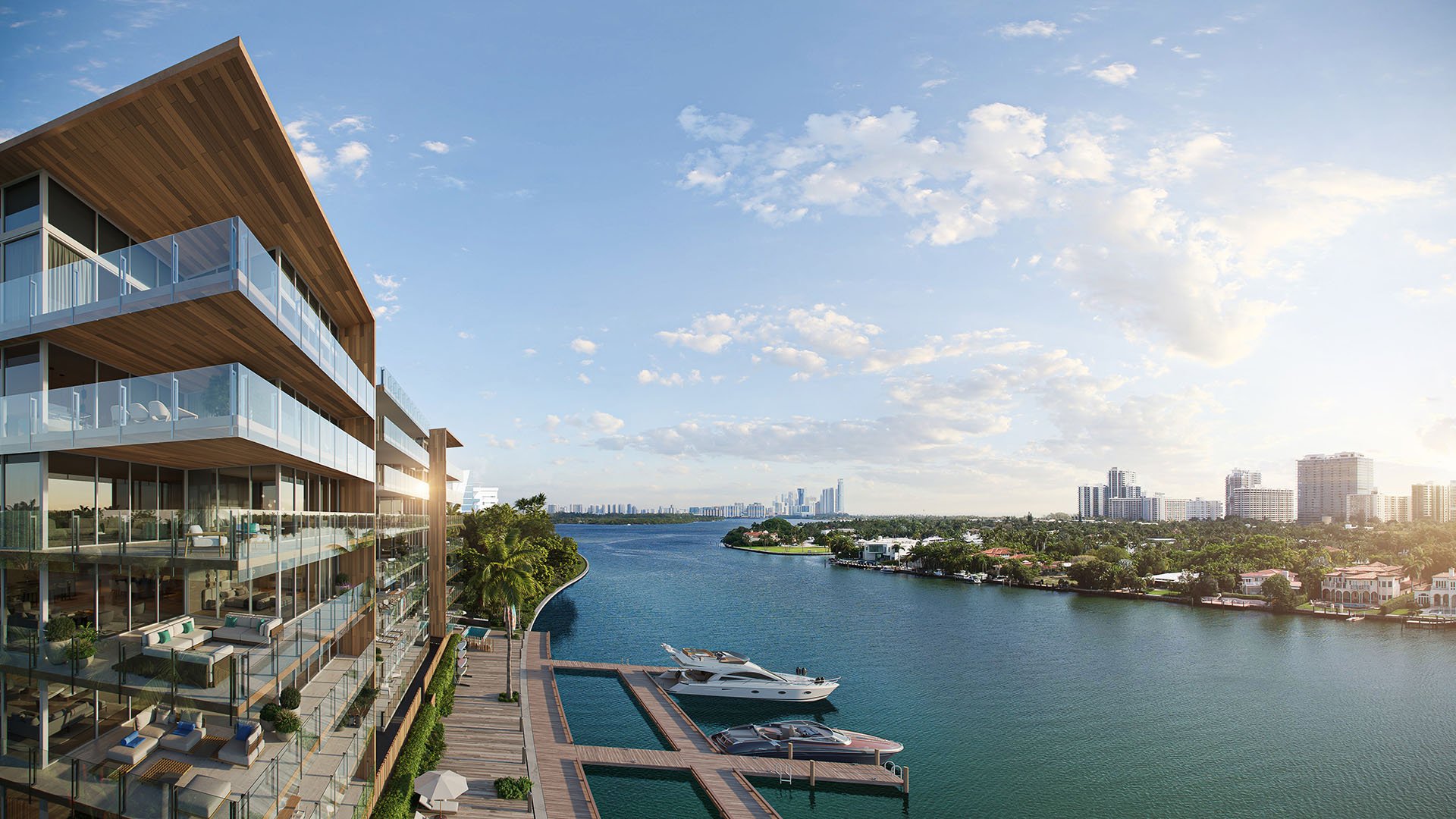
For a seasonal owner, waterfront living is defined less by the view than by the sequence of permissions that makes each arrival effortless. At La Maré Bay Harbor Islands, a buyer’s inquiry should begin with a precise account of access: what is deeded, what is common, what requires a reservation, and what may change under association policy.
Ask management to walk through a typical day in residence. How does an owner reach the water? Are credentials required? May household staff accompany family members? Can guests arrive independently? Reconcile the answers across governing documents, current rules, purchase materials, and written management guidance. Informal assurances are no substitute for enforceable rights.
The word waterfront can describe an outlook, a shared edge, or a usable access point. Buyers should distinguish among them. Request diagrams identifying relevant common areas and boundaries, then establish who controls each space and whether access is subject to hours, capacity, maintenance, weather, or special-event restrictions.
If boating is central to ownership, determine whether any dockage, launch, pickup, storage, or loading privilege is attached to the residence. Confirm vessel-size limits, insurance requirements, contractor rules, utility availability, waiting lists, transferability, and guest use in writing. A marina relationship outside the property warrants separate investigation, including its membership terms and the practical route between home and vessel.
When comparing Onda Bay Harbor, apply the same document-first test rather than assuming that similarly positioned residences offer equivalent waterfront privileges.
Seasonal ownership often relies on a residence manager, housekeeper, driver, chef, personal assistant, or marine professional. The essential question is not simply whether staff are permitted, but how they are registered, screened, admitted, parked, supervised, and scheduled.
Ask whether recurring personnel can receive standing credentials and whether those credentials remain active while the owner is away. Clarify permitted work hours, service-entry procedures, elevator reservations, key custody, package handling, and access to amenity or waterfront areas. If staff will prepare the home before arrival, determine whether unsupervised entry is permitted and what authorization management requires.
A written staffing plan also reveals hidden friction. Multiple vendors arriving on the same morning may encounter parking, loading, insurance, or elevator constraints. Buyers considering La Baia North Bay Harbor Islands may find it useful to submit the same staffing scenario there, allowing comparisons based on actual procedures rather than broad service language.
Guest permissions warrant the same scrutiny as ownership rights. Ask how far in advance visitors must be registered, whether identification is required, and whether the owner must be present. Clarify limits on group size, overnight stays, vehicles, deliveries, waterfront use, and access to common facilities.
The distinction between a guest and an occupant can matter when family members use the residence without the owner. Ask how adult children, extended family, personal staff, and invited boat captains are classified. If entertaining is part of the lifestyle, test a realistic dinner, holiday weekend, and waterfront departure against the rules.
Parking is integral to the guest experience. Confirm how many vehicles may be admitted, whether spaces can be reserved, and what happens when capacity is reached. The rules should also address ride-service arrivals, private drivers, caterers, musicians, and other event vendors.
Second-home ownership requires a protocol for the weeks when no one is in residence. Ask who may inspect the home, how water intrusion or mechanical alerts are handled, and whom management contacts first. Determine whether management will admit an owner’s representative during an emergency and what written authority must already be on file.
Insurance and association rules may impose separate obligations, so buyers should align legal, insurance, property-management, and building requirements before closing. Establish who monitors climate settings, appliances, terraces, deliveries, vehicles, and scheduled maintenance. Pets also require advance planning: verify registration, staff-walking permissions, common-area routes, visiting-animal rules, and any restrictions that apply to the household.
Use the same operating questionnaire when reviewing Origin Bay Harbor Islands. A consistent process makes differences in access control and owner-absence procedures easier to identify.
Before contracting, create a one-page matrix covering owner arrival, family arrival without the owner, staff entry, guest registration, vendor access, waterfront use, boating activity, deliveries, parking, and emergency response. For each line, record the governing document, approval party, lead time, fee, if any, and renewal requirement.
Then stage three scenarios: a quiet owner-only stay, a family holiday, and an extended absence. Include late arrivals, weekend service calls, staff turnover, and a guest seeking access before the host returns. This exercise converts abstract rules into an operating model and identifies questions that require written clarification.
For a broader Bay Harbor Islands comparison, evaluate The Well Bay Harbor Islands with the same matrix. Owners whose plans extend toward Bal Harbour should repeat the process rather than carry assumptions from one jurisdiction, association, or building to another.
Is a waterfront view the same as a right to access the water? No. Buyers should verify the legal and operational basis of every access privilege in the governing documents.
What should I request before relying on dock or boating access? Request written terms covering eligibility, assignment, vessel limits, insurance, fees, guests, transfers, and availability.
Can household staff enter while the owner is away? That depends on current rules and owner authorization. Confirm credentialing, permitted hours, supervision, and key-control procedures.
Should recurring vendors be registered differently from one-time vendors? Ask management whether standing credentials are available and what screening, insurance, renewal, and scheduling rules apply.
Can family members use the residence without the owner present? Verify how the documents classify family occupants and whether advance registration or written authorization is required.
What guest questions matter most for entertaining? Confirm attendance limits, host-presence rules, parking, vendor access, common-area permissions, hours, and cleanup obligations.
How should owners evaluate after-hours arrival? Test the complete route from vehicle entry to residence access, including identification, luggage handling, staff assistance, and guest admission.
What should be arranged before leaving for the season? Establish inspection, emergency-contact, vendor-entry, climate-monitoring, delivery, terrace, and incident-response protocols in writing.
Do pet permissions automatically extend to guests or staff? Not necessarily. Confirm registration, handling, routes, visiting-animal rules, and whether staff may exercise resident animals.
When should legal and insurance advisers review the plan? Before the buyer relies on access or operating assumptions, particularly where boating, staff entry, extended vacancy, or frequent guests are involved.
If you'd like a private walkthrough and a curated shortlist, connect with MILLION.
If branded residences are on your mind — as a home or as an allocation — we would be glad to share what we are seeing, privately.
Begin a quiet conversation