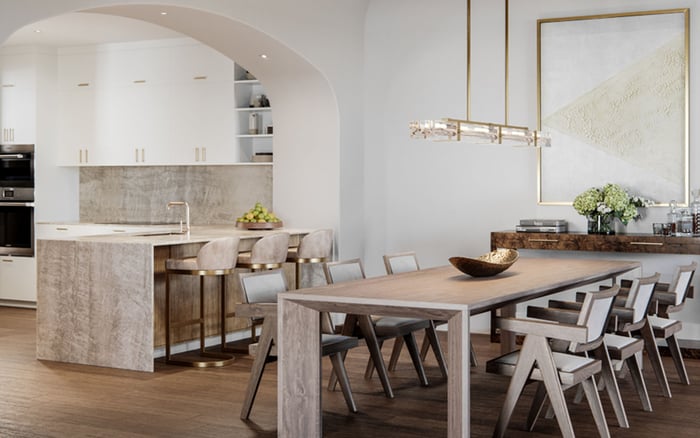
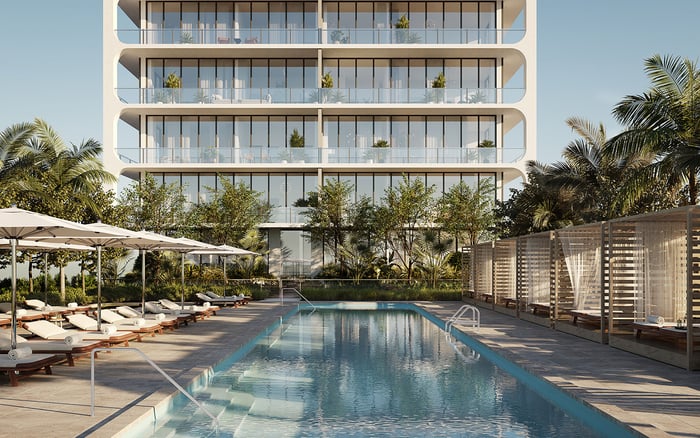
A buyer-focused look at how family-zone planning reframes the choice between Coconut Grove and Coral Gables, from daily routines and school-adjacent priorities to privacy, density, amenities, and long-term household flexibility.
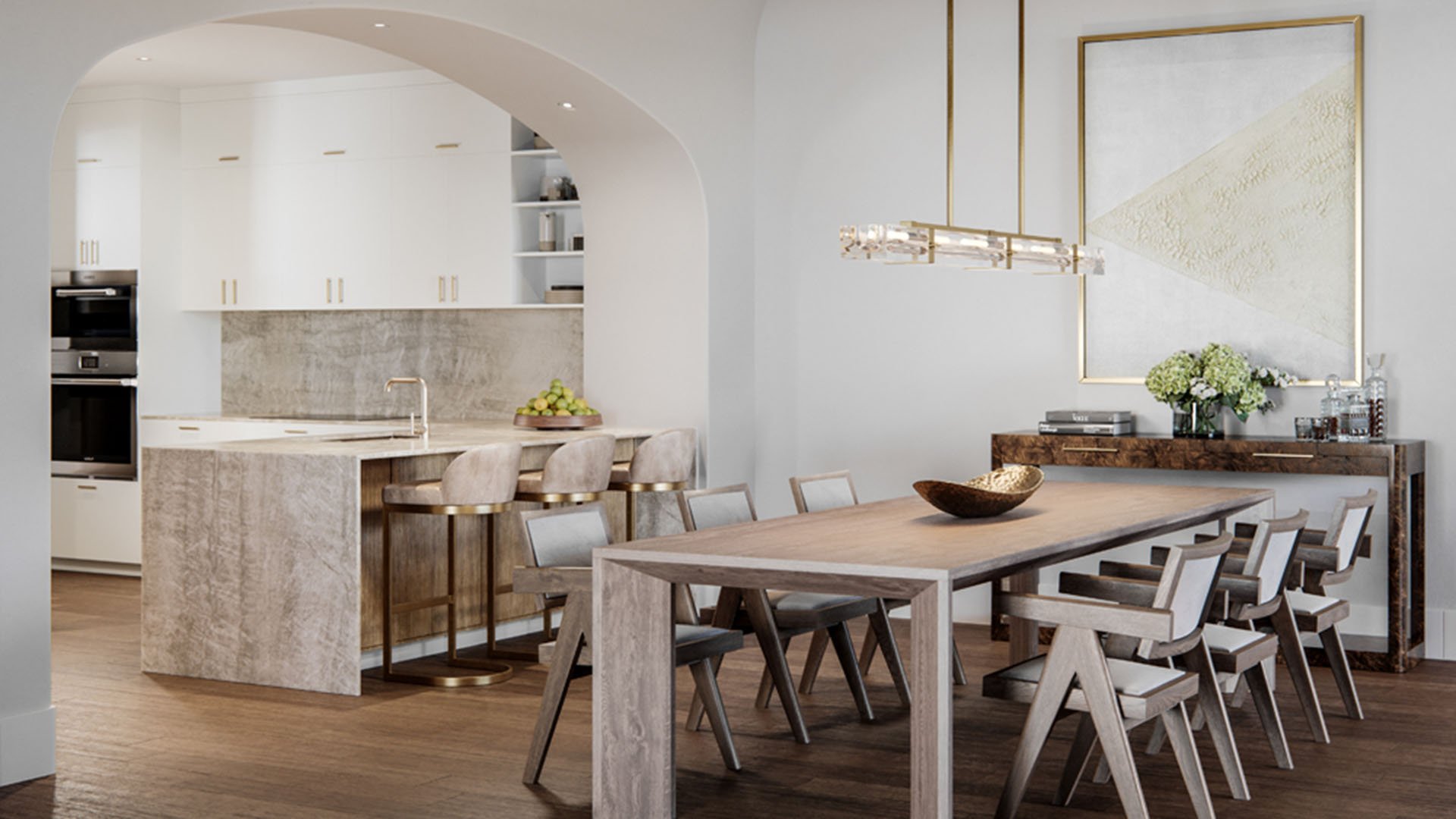
For affluent families choosing between Coconut Grove and Coral Gables, the most revealing question is rarely, “Which neighborhood is more beautiful?” Both are among Miami’s most enduring residential settings. The more useful question is, “How should the family zone function from 6:30 in the morning to 9:30 at night?”
Family-zone planning maps the daily household ecosystem: school drop-offs, after-school activities, grandparents, tutors, pets, drivers, playdates, weekend lunches, quiet work hours, and evening entertaining. It considers how children move through the neighborhood, how adults preserve privacy, and whether the home should function as a retreat, a command center, or a social hub.
In that context, Coconut Grove and Coral Gables are not simply competing addresses. They express two distinct residential rhythms. Coconut Grove often feels layered, organic, and village-like, with a canopy, waterfront sensibility, and a softer relationship between home and street. Coral Gables is typically read as more formal, planned, and civic, with a strong sense of order and a distinctive residential identity. The right answer depends less on prestige than on household choreography.
Coconut Grove tends to attract families who want daily life to feel porous. A parent may value the ability to move from home to coffee, school conversations, parks, or waterfront walks without making each transition feel formal. The neighborhood’s appeal is often emotional as much as architectural: shade, texture, older streets, new residences, and a sense that family life can extend gently beyond the front door.
For buyers considering condominium living in the Grove, the family-zone question becomes especially precise. A residence such as Four Seasons Residences Coconut Grove may suit households seeking service, privacy, and lock-and-leave ease without abandoning the Grove’s residential character. The calculus is not only square footage. It is whether daily support, parking, wellness, and guest management reduce friction for a family that travels, entertains, or divides time across homes.
Other Grove options speak to different priorities. Arbor Coconut Grove can enter the conversation for buyers who want a more neighborhood-scaled feel, while The Well Coconut Grove may resonate with families placing wellness routines near the center of household life. In each case, the issue is not whether the project is “family friendly” in a generic sense. The issue is how the building supports mornings, privacy, storage, staff access, children’s independence, and the transition between family time and adult entertaining.
Coconut Grove can be especially compelling for families who prefer a less scripted day. If children’s routines involve outdoor time, spontaneous neighborhood movement, and a tolerance for texture, the Grove can feel intuitive. It rewards households that like character, proximity, and a slightly more bohemian version of luxury.
Coral Gables often appeals to families who want the built environment to provide a strong frame. Streets, architecture, landscaping, and civic identity contribute to a sense of continuity. For parents, that can translate into confidence: a feeling that the neighborhood has a clear residential code, not merely in regulation, but in lifestyle.
Family-zone planning in Coral Gables often begins with predictability. Buyers may focus on routes to school, access to clubs or cultural activities, the experience of hosting extended family, and the separation between public-facing areas and private bedrooms. The market conversation frequently includes single-family homes, but newer residences are also reshaping how families evaluate low-maintenance living near established residential fabric.
Projects such as The Village at Coral Gables can be relevant for buyers who want the emotional cues of a traditional neighborhood with the planning advantages of new construction. Cora Merrick Park may also appeal to households that want proximity to refined urban conveniences while remaining in the Coral Gables orbit. For some families, that combination is persuasive: a more ordered environment, a cultivated public realm, and the ability to live elegantly without managing a large estate.
Coral Gables is often the stronger fit when a family values formality, consistency, and a more composed residential backdrop. The day may still be lively, but the setting tends to feel more deliberately arranged.
Private-school planning can heavily influence the Coconut Grove versus Coral Gables decision, but families should resist reducing the choice to a single commute. A five-minute difference on paper can feel much larger if the route conflicts with work calls, sibling schedules, sports, or a driver’s availability. Conversely, a slightly longer route may be acceptable if the home delivers better sleep, more privacy, or easier afternoon logistics.
The best family-zone review separates the household into zones: children, parents, guests, service, pets, cars, and quiet work. In Coconut Grove, buyers often ask whether the home allows children to engage with the neighborhood safely and comfortably. In Coral Gables, buyers may ask whether the home supports a more formal division of public and private life. Neither is inherently better. They are different forms of control.
Privacy also has two meanings. One is visual privacy: landscaping, setbacks, elevator access, and the way neighboring homes relate to one another. The other is operational privacy: whether staff, deliveries, visiting relatives, tutors, and guests can circulate without disrupting the household. Ultra-premium buyers increasingly evaluate both, especially when children are young or when family offices, philanthropy, and entertaining intersect at home.
The property type should follow the family system, not the other way around. A large estate can be extraordinary, but it can also introduce maintenance, staffing, and underused rooms if the family is frequently away. A condominium can be highly efficient, but only if it provides the right bedroom separation, storage, parking, pet protocols, and amenity access. A townhouse can offer a graceful middle ground, provided vertical living suits the household.
In Coconut Grove, buyers may be drawn to residences that make wellness, landscape, and casual gathering feel close at hand. In Coral Gables, they may prioritize architectural coherence, guest arrival, and a dignified sense of address. The smartest families test each property against daily scenarios: Where does a child drop a backpack? Where does a tutor sit? Can a teenager host friends without taking over the main salon? Can grandparents stay comfortably? Where does the dog go at 6 a.m. in a storm?
Those questions reveal more than a floor plan. They reveal whether the home will reduce stress or quietly create it.
Coconut Grove is often right for the family that wants warmth, village energy, canopy, and a more relaxed luxury cadence. Coral Gables is often right for the family that wants structure, polish, and a stronger sense of residential ceremony. Both can be exceptional. The distinction is not status. It is rhythm.
A successful choice begins with a week in the life of the family. Plot the real movements, not the idealized ones. Include school mornings, late meetings, visiting relatives, children’s friends, wellness appointments, weekend dinners, and quiet Sundays. Then compare how each neighborhood supports that life.
For South Florida’s most discerning buyers, family-zone planning turns a neighborhood preference into a living strategy. It moves the conversation from “Where should we buy?” to “Where will our family function beautifully?” That is the more durable question, and the one most likely to preserve satisfaction long after closing.
Is Coconut Grove better for families than Coral Gables? It depends on household rhythm. Coconut Grove often suits families wanting a softer village feel, while Coral Gables often suits those preferring structure and polish.
Is Coral Gables more formal than Coconut Grove? Generally, Coral Gables is perceived as more composed and planned. Coconut Grove tends to feel more organic, textured, and socially fluid.
Should school commute decide the neighborhood? It should influence the decision, but not control it entirely. Privacy, daily routines, storage, and household support can matter just as much.
Are condos practical for luxury families in these areas? Yes, if the layout, services, parking, and storage match the family’s routine. The right building can simplify life for busy or travel-oriented households.
When does a single-family home make more sense? It often makes sense when a family wants private outdoor space, greater separation, and more control over arrivals, staff, pets, and entertaining.
What should parents test during a property tour? Parents should walk through a real weekday scenario. Consider backpacks, meals, drivers, tutors, guests, pets, and evening privacy.
Which area feels more walkable for daily family life? Coconut Grove may feel more village-like for casual movement. Coral Gables can offer refined convenience, depending on the exact address.
How should grandparents or extended family factor in? Look for bedroom separation, elevator access, guest privacy, and easy parking. Multigenerational comfort can change the ideal property type.
Is new construction important for family-zone planning? It can be, especially where storage, wellness, security, and service access matter. Older homes may offer character but require closer operational review.
What is the best way to choose between the two? Map one full week of family life, then test each neighborhood against it. The better choice is the one that makes daily life feel more graceful.
If you'd like a private walkthrough and a curated shortlist, connect with MILLION.
If branded residences are on your mind — as a home or as an allocation — we would be glad to share what we are seeing, privately.
Begin a quiet conversation